Comfy Bath Mat
Bamboo Bath Mat
-
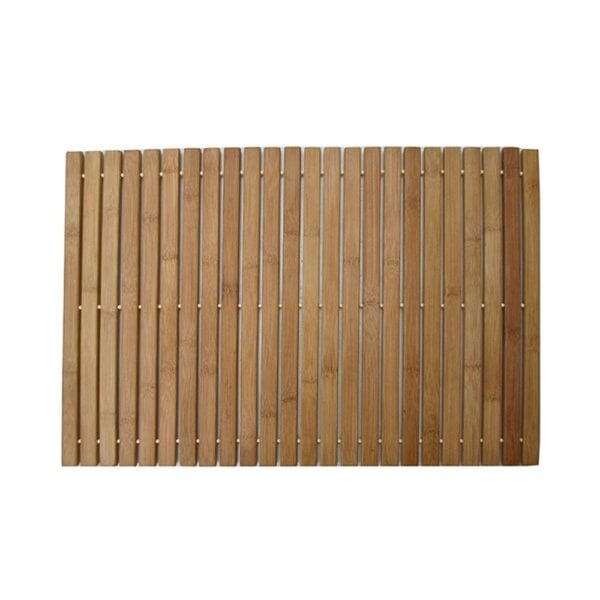
Bamboo Bath Mat
£55.90 -
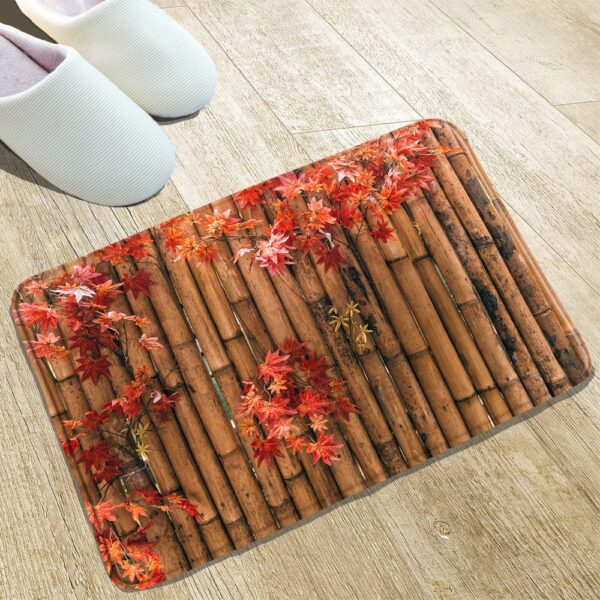
Bamboo Mat Bath
£23.90 – £27.90Price range: £23.90 through £27.90 -
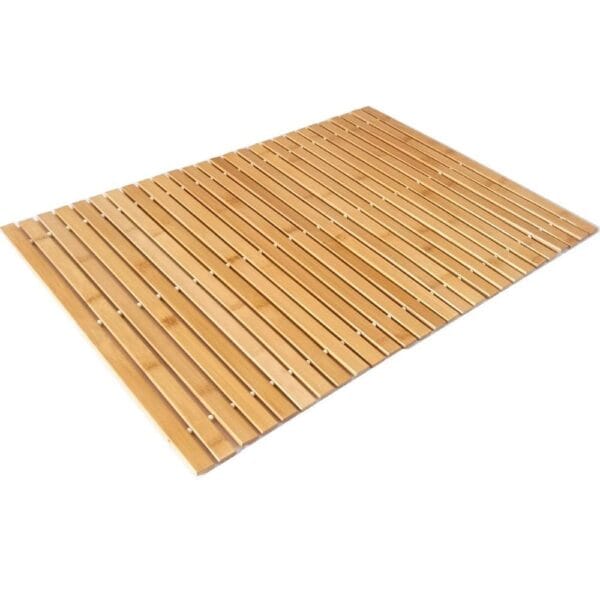
Bamboo Platform Bath Mat
£71.90 -
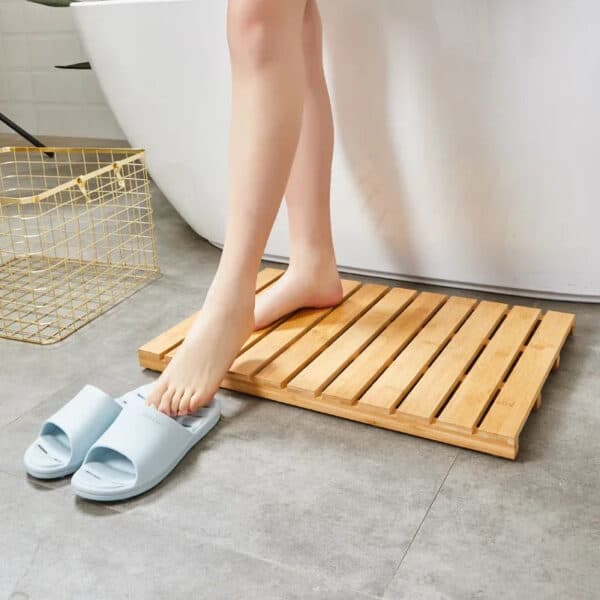
Bamboo Slatted Bath Mat
£79.90 -
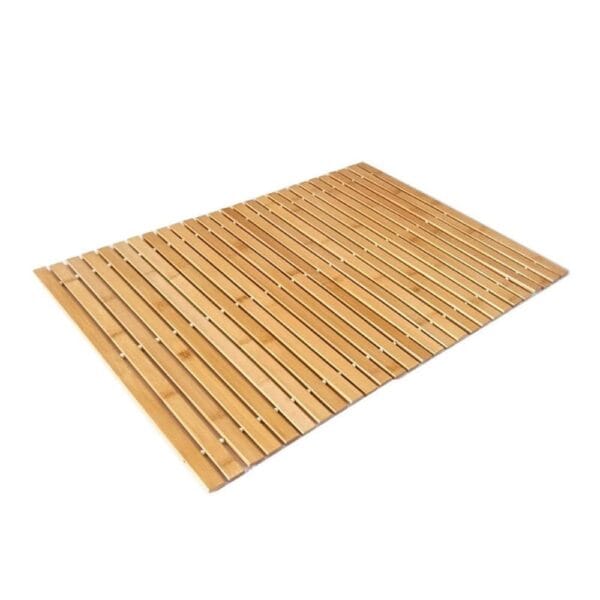
Bamboo Wood Bath Mat
£55.90 -
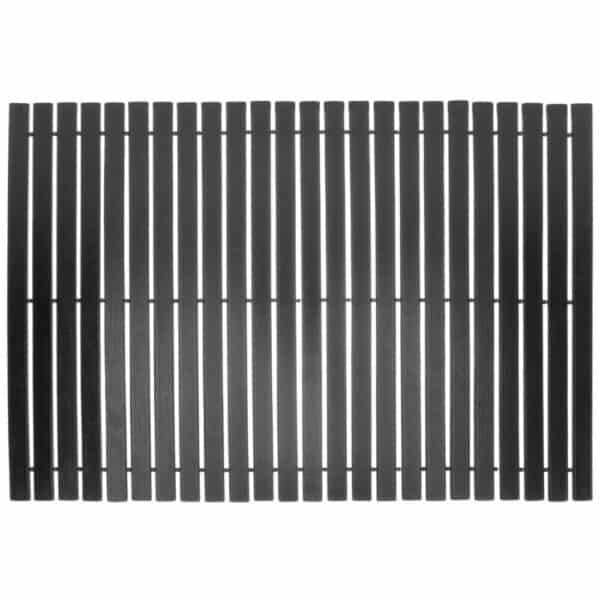
Black Bamboo Bath Mat
£51.90 -
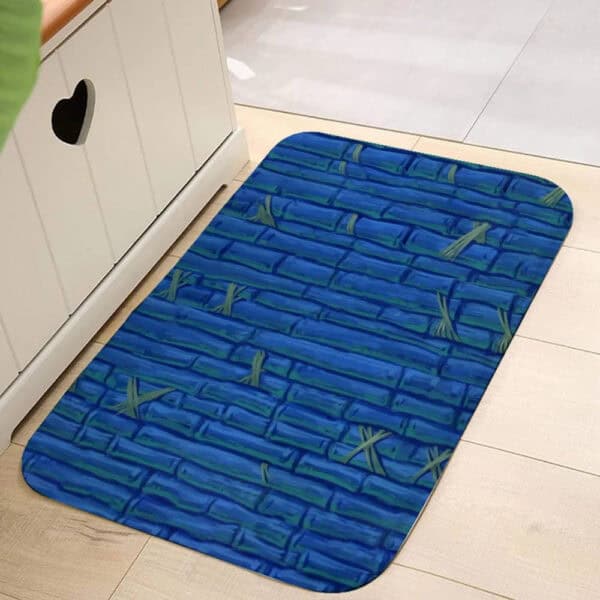
Dark Bamboo Bath Mat
£17.90 – £60.90Price range: £17.90 through £60.90 -
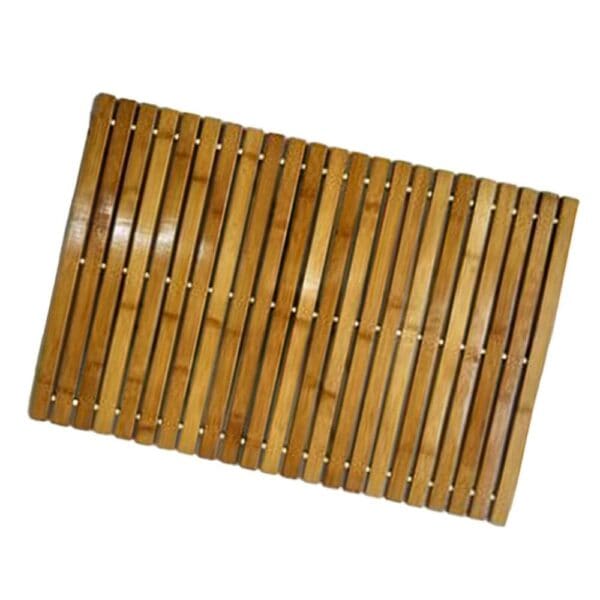
Natural Bamboo Bath Mat
£47.90 -
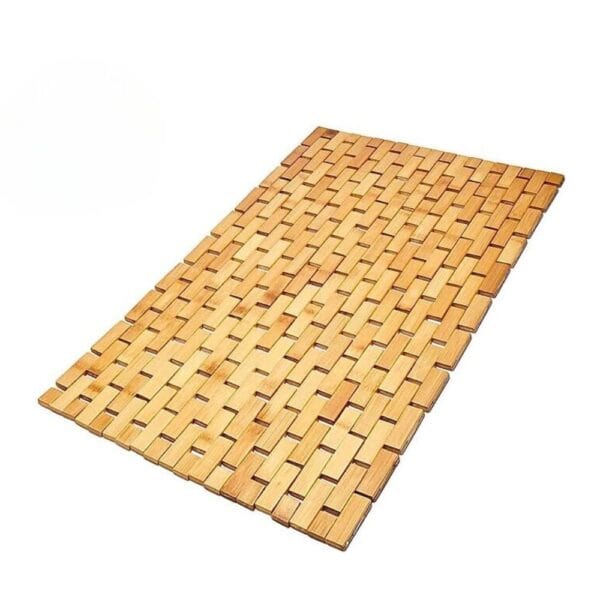
Small Bamboo Bath Mat
£55.90 -
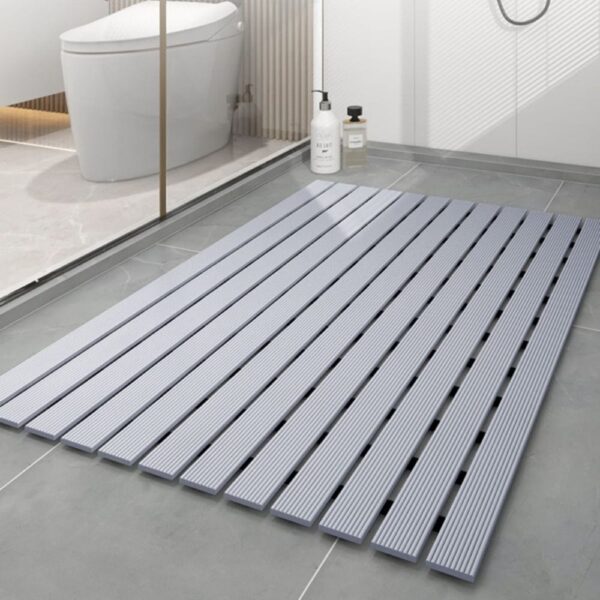
Wood Look Bath Mat
£103.90 – £143.90Price range: £103.90 through £143.90 -
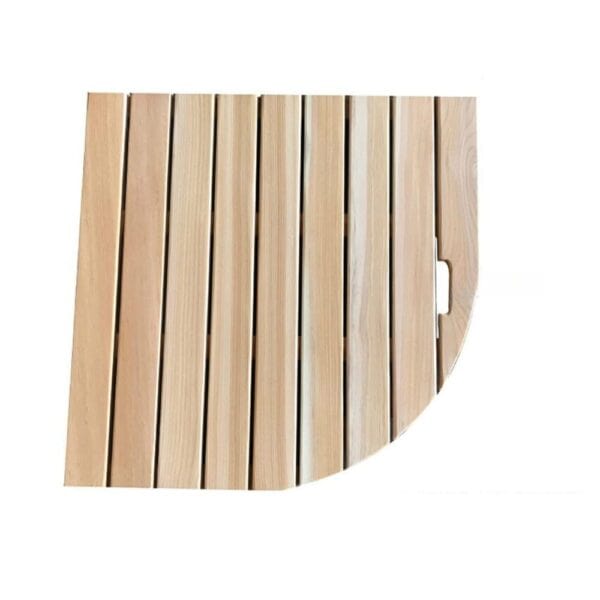
Wooden Bath Mat
£191.90 – £255.90Price range: £191.90 through £255.90
Stepping out of the shower onto a bamboo bath mat feels noticeably different from landing on a textile rug. The hard, slatted surface drains water away quickly, keeping the floor beneath it drier between uses. If you are weighing up whether this style suits your bathroom, the points below should make the decision straightforward.
What makes a bamboo bath mat distinct
Unlike fabric mats, a bamboo bath mat is built from thin strips of bamboo wood bonded or pinned into a rigid platform. The gaps between each slat allow water to fall through rather than sit on the surface, which means the mat itself dries faster than a woven textile. The natural grain and warm tone of the wood also bring a spa-like aesthetic to even a modest bathroom.
Most mats in this category are finished with a light lacquer or oil to protect the wood from repeated moisture exposure. Natural and black-stained finishes are both common, with the darker option suiting cooler, more contemporary tile schemes. The platform construction also raises your feet slightly off the floor, which many people find more pleasant on cold mornings.
How to choose the right mat for your space
Size and footprint
Measure the area in front of your shower or bath before ordering. A standard bamboo platform mat typically covers a single standing position, so if two people share the bathroom, you may want a longer model or two mats placed side by side. Check the listed dimensions carefully: a mat that overhangs the drain area can redirect water rather than catch it.
Finish and colour
Natural bamboo tones (honey, straw, light brown) work well with white or beige tiles. A black-finished bamboo mat suits darker grout lines, slate tiles, or an industrial bathroom palette. Both finishes behave identically in terms of water drainage; the choice is purely visual.
Foot construction and grip
Look for rubber or silicone feet on the underside. These small feet lift the mat off the floor to allow airflow beneath it and prevent the mat from sliding on wet tile. Without them, a smooth bamboo base on a wet floor can shift underfoot. Most products in this category include them, but it is worth confirming in the product listing.
Worth knowing: bamboo bath mats are not absorbent by design. They are drainage mats, not drying mats. If you want to absorb water from your feet, pair the bamboo mat with a small textile rug placed just outside the bathroom door, or consider a microfibre bath mat for the main drying step.
Bamboo versus other hard mat materials
| Feature | Bamboo | Teak | Diatomite stone |
|---|---|---|---|
| Surface feel | Warm, smooth slats | Warm, oiled grain | Cool, flat stone |
| Water drainage | Through the slats | Through the slats | Absorbs into the surface |
| Typical weight | Light to medium | Heavier | Heavy |
| Colour options | Natural, black, stained | Natural only | Grey, white |
| Care | Wipe clean, air dry | Wipe, occasional oil | Sand lightly if stained |
Who benefits most from this type of mat
A bamboo platform mat is a strong choice for anyone who finds wet textile rugs unpleasant or who dislikes the maintenance of washing and drying fabric mats regularly. It suits walk-in showers particularly well, where the drainage function is most useful. It also works in households where the bathroom floor stays cool, since the slightly raised surface adds a small buffer between your feet and the tiles.
However, if your priority is maximum foot-drying after a bath, a cotton bath mat or a deep-pile textile option will absorb more moisture per step. A bamboo mat is best understood as a standing platform, not a towel for your feet.
Households with young children should also note that the slatted surface is firmer than fabric. It remains stable underfoot, but it offers less cushioning if someone slips. Supervise young children in the bathroom as you normally would.
Caring for a bamboo bath mat
Wipe the surface with a damp cloth and a mild soap solution when needed. After cleaning, stand the mat upright or lean it against the wall to let both sides dry before laying it flat again. Avoid leaving it submerged in water or pressed against a damp wall for extended periods, as this can affect the bonding between slats over time. Storing it in a well-ventilated spot when the bathroom is not in use helps it last longer.
Frequently asked questions
Can a bamboo bath mat be used in a wet room or walk-in shower?
Yes. The slatted design is well suited to wet-room use because water drains through the gaps rather than pooling on the surface. Ensure the rubber feet are intact so the mat stays in position on the wet floor.
Will the bamboo warp or crack with regular water exposure?
A lacquered or sealed bamboo mat handles daily moisture well under normal bathroom use. Prolonged soaking or leaving the mat face-down on a wet floor for hours at a time is the main cause of warping, so allow it to dry upright after heavy use.
Is a bamboo mat suitable for underfloor heating?
Most bamboo mats sit on top of the floor without being fixed, so they can be used with underfloor heating. The rubber feet allow some airflow beneath the mat. Check the product specifications for any temperature notes from the manufacturer.
What sizes are typically available?
Most bamboo bath mats are designed for a single standing position, roughly 40 x 60 cm to 50 x 80 cm. Platform and larger formats also exist for double-width use in front of a freestanding bath. Always check the listed dimensions against your floor plan before ordering.
How do I remove mould or mildew from the slats?
Scrub the affected area with a soft brush, warm water, and a small amount of white vinegar, then rinse and dry the mat upright in a ventilated space. If the finish has worn away in that area, a light application of wood oil after drying can help protect the exposed surface.
The products below cover a range of sizes, finishes, and platform styles. Browse the grid to compare dimensions and colours, and use the criteria above to match the right mat to your bathroom layout. If you are also looking at options for other rooms, the full bathroom rugs range includes both hard and textile formats side by side.