-
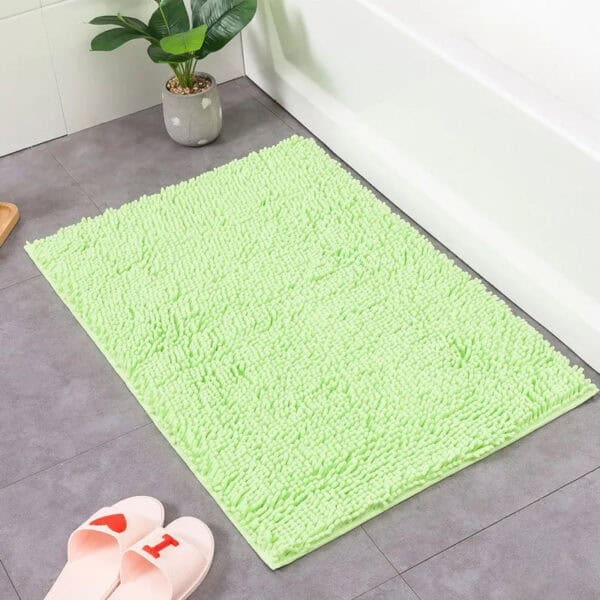
60X90 Bath Mat
£23.90 -
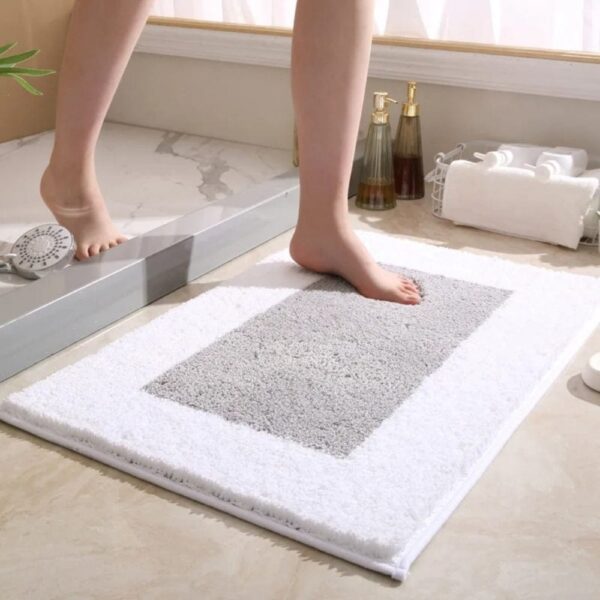
Absorbent Non Slip Bath Mat
Price range: £35.90 through £55.90 -
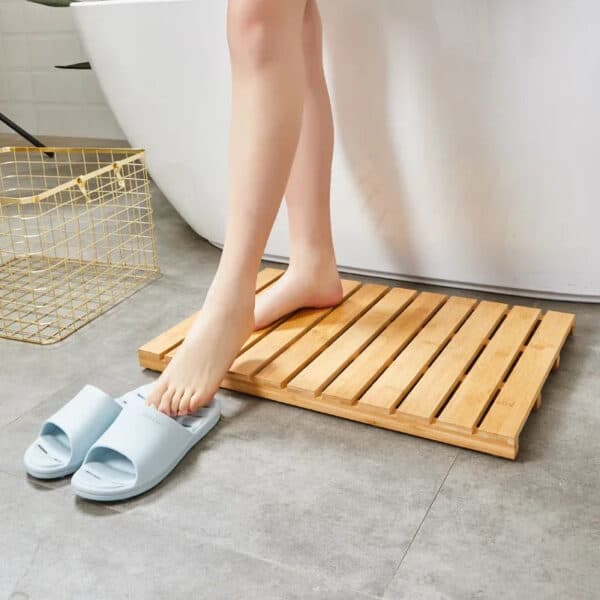
Bamboo Slatted Bath Mat
£79.90 -
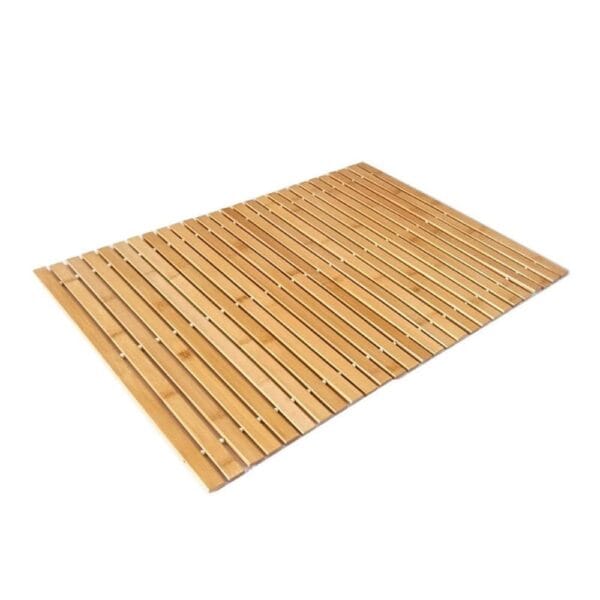
Bamboo Wood Bath Mat
£55.90 -
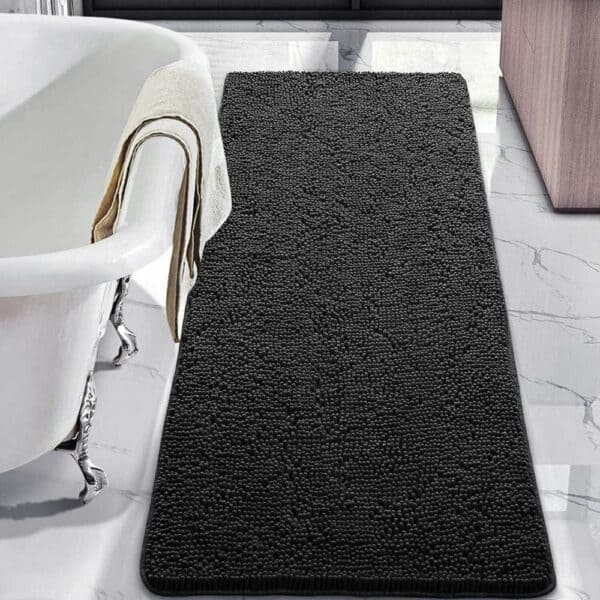
Bath Mat 40X50 Cm
£39.90 -
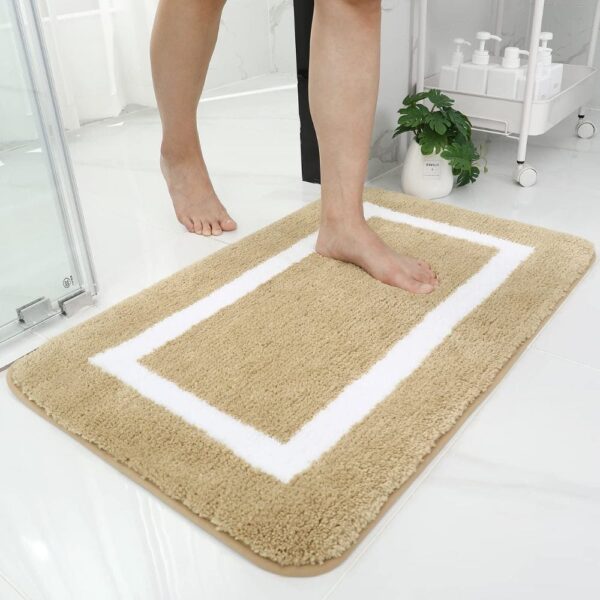
Bath Mat Beige
£55.90 -
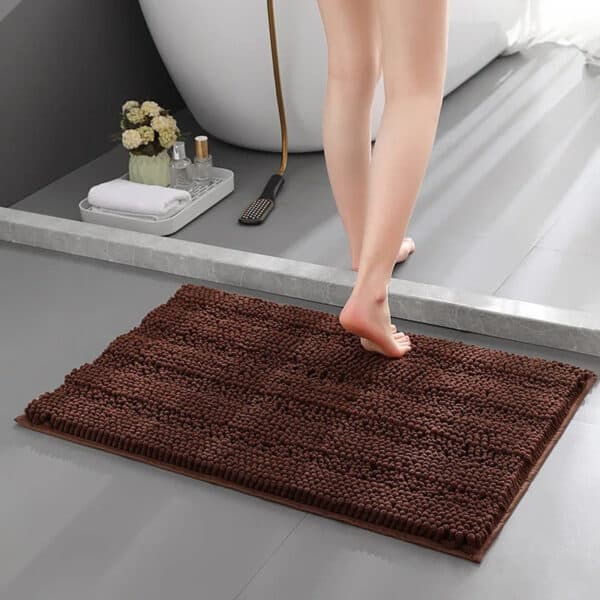
Bath Mat Chenille
£35.90 -
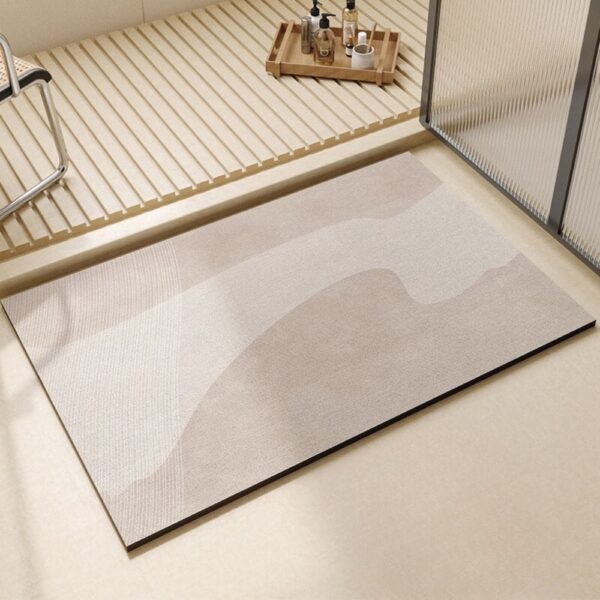
Bath Mat Diatomite
Price range: £47.90 through £103.90 -
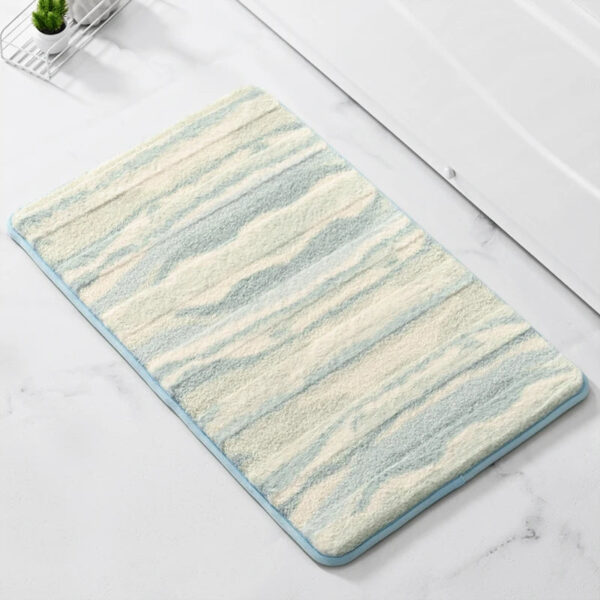
Bath Mat For Bathroom Floor
Price range: £39.90 through £63.90 -
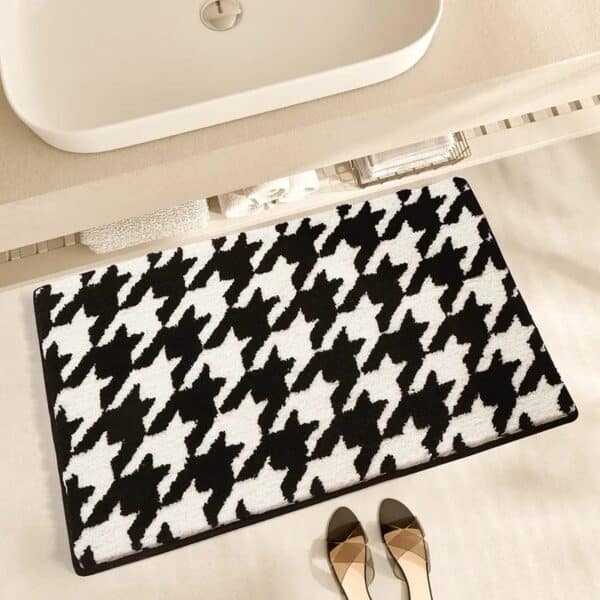
Bath Mat For Black And White Bathroom
Price range: £39.90 through £47.90 -

Bath Mat Half Circle
£47.90 -
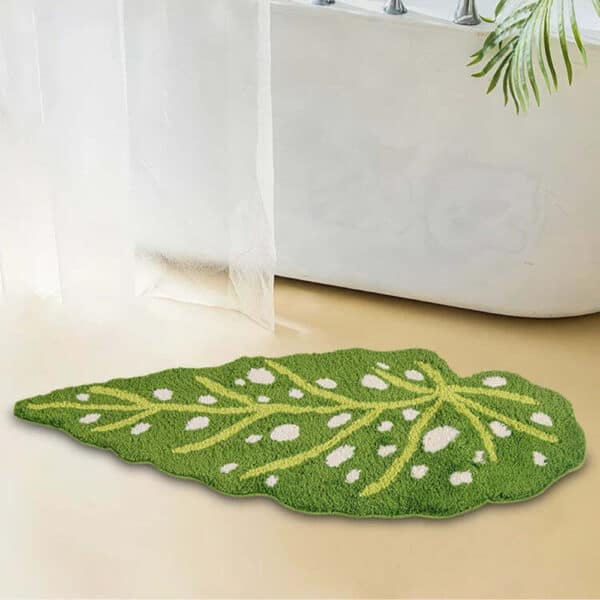
Bath Mat Leaf
£63.90 -
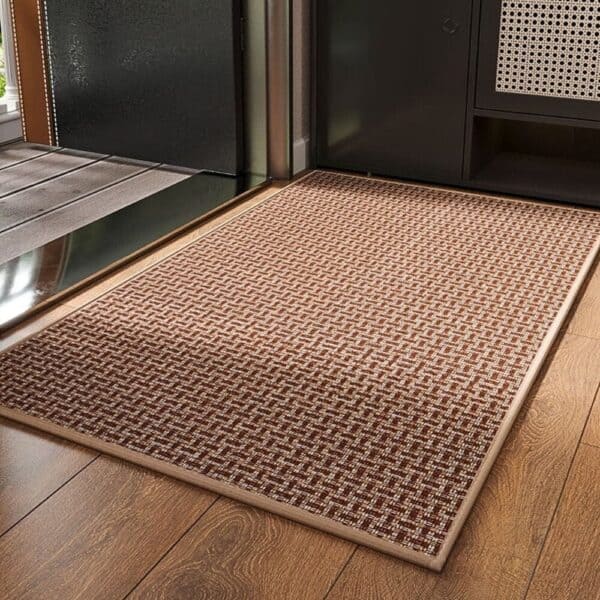
Bath Mat Luxury
Price range: £69.90 through £149.90 -

Bathroom Bath Mat
Price range: £19.90 through £23.90 -
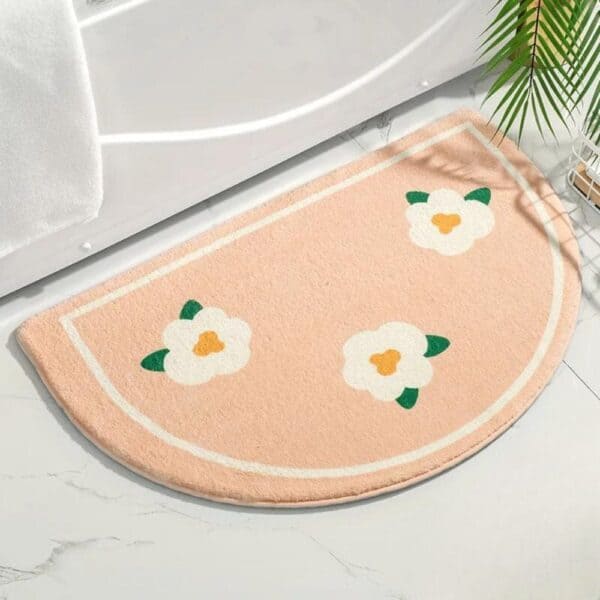
Beige And White Bath Mat
£23.90 -
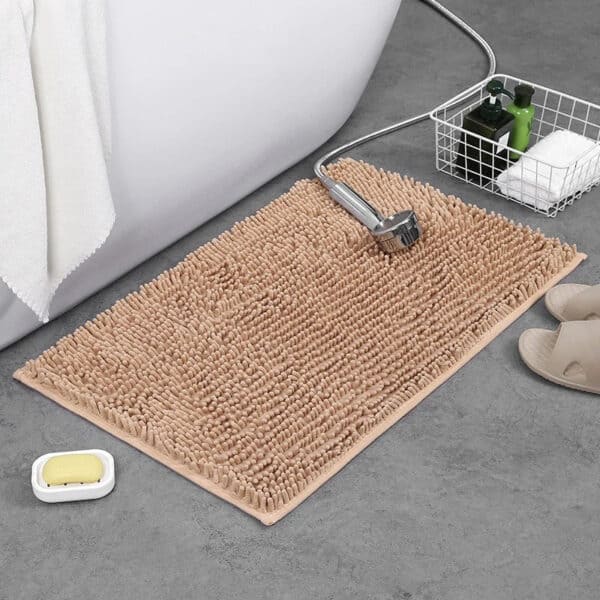
Beige Bath Mats
Price range: £21.90 through £25.90 -
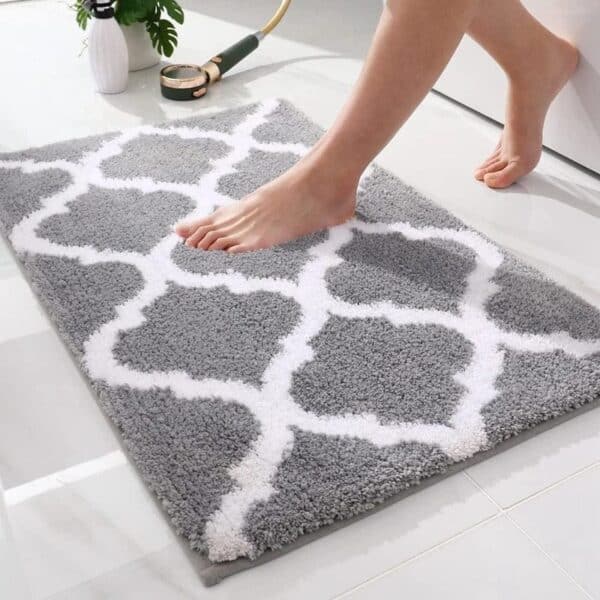
Berber Bath Mat
Price range: £31.90 through £87.90 -
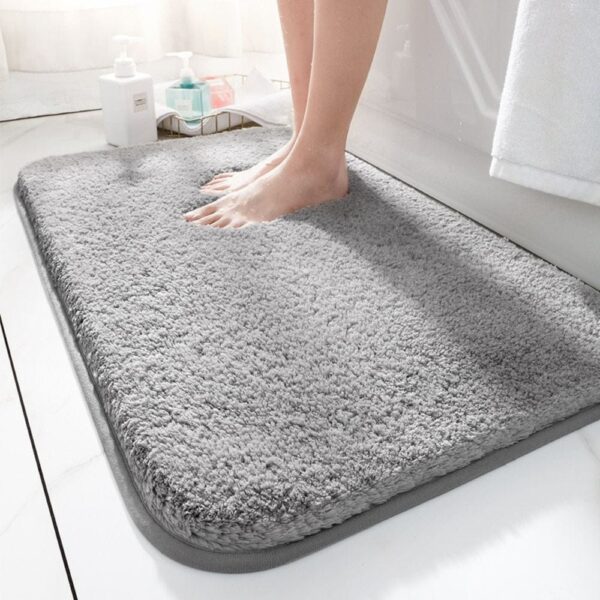
Big Fluffy Bath Mat
Price range: £35.90 through £51.90 -
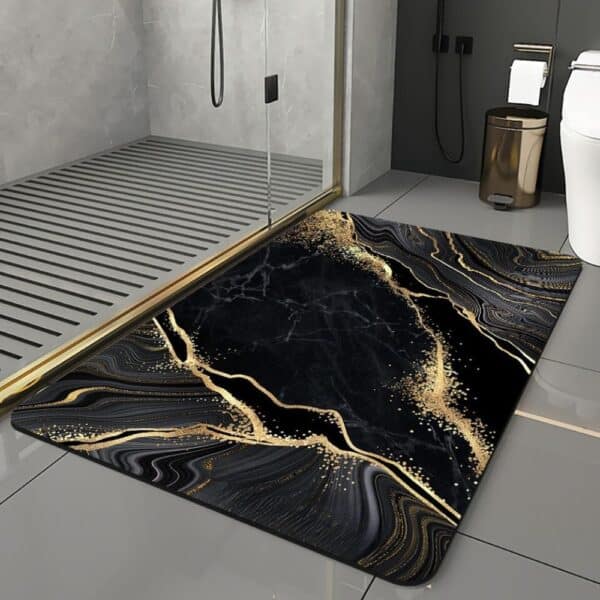
Black And Gold Bath Mat
Price range: £35.90 through £53.90 -
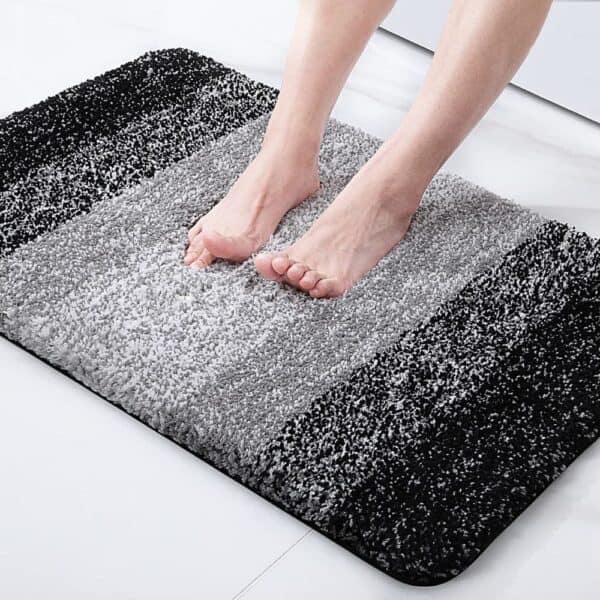
Black And White Bath Mat
Price range: £31.90 through £87.90 -
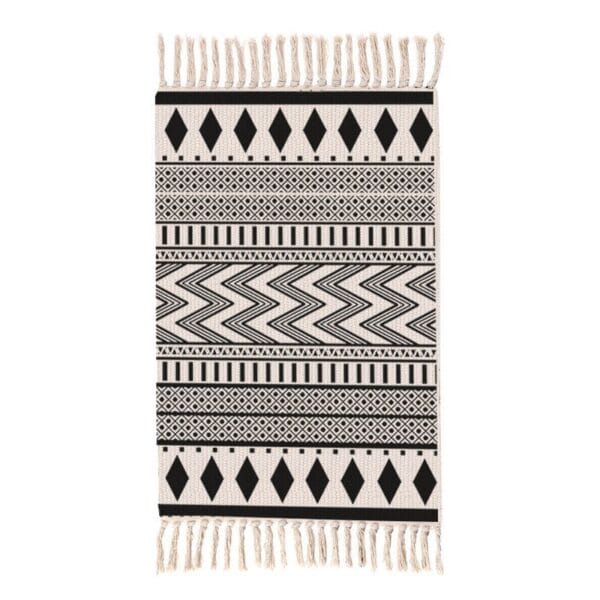
Black And White Patterned Bath Mat
Price range: £47.90 through £63.90 -
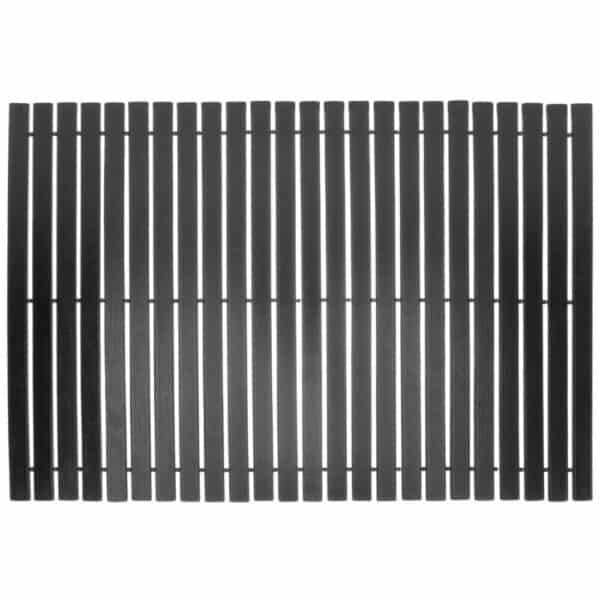
Black Bamboo Bath Mat
£51.90 -
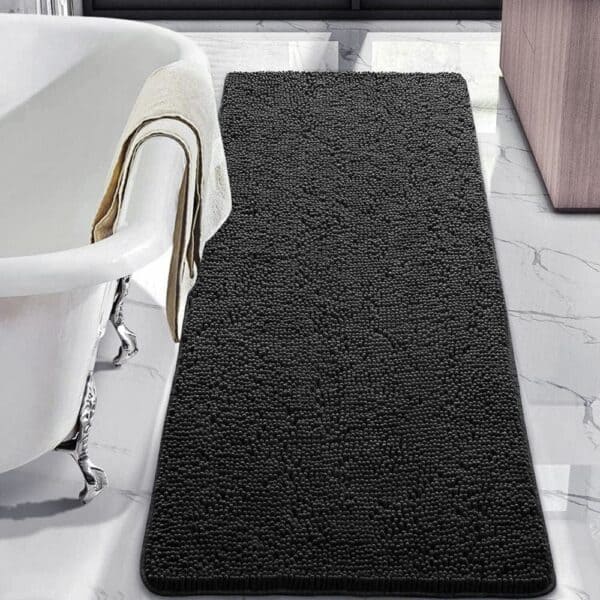
Black Chenille Bath Mat
Price range: £35.90 through £95.90 -
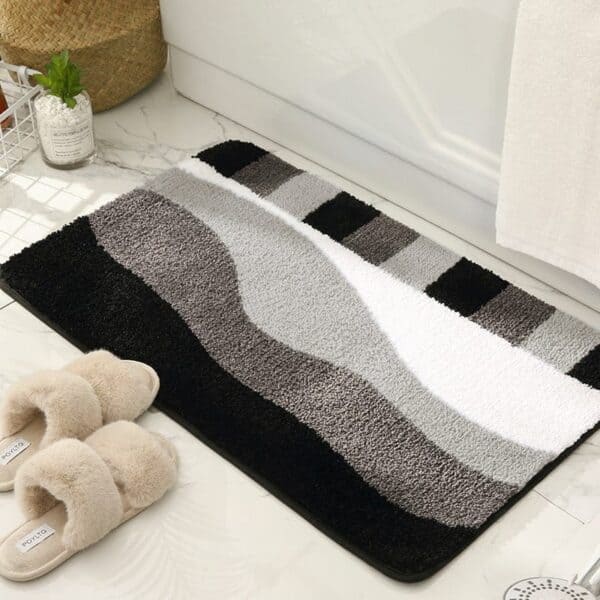
Black White And Grey Bath Mat
Price range: £35.90 through £55.90 -
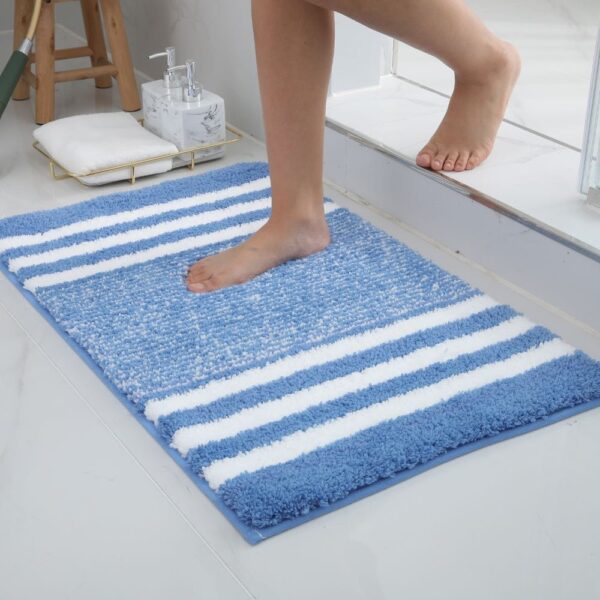
Blue Bath Mat
Price range: £29.90 through £39.90 -
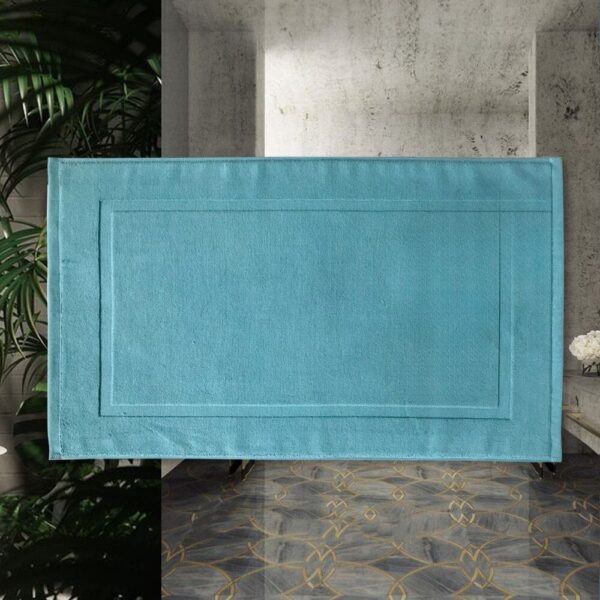
Blue Cotton Bath Mat
Price range: £25.90 through £31.90 -
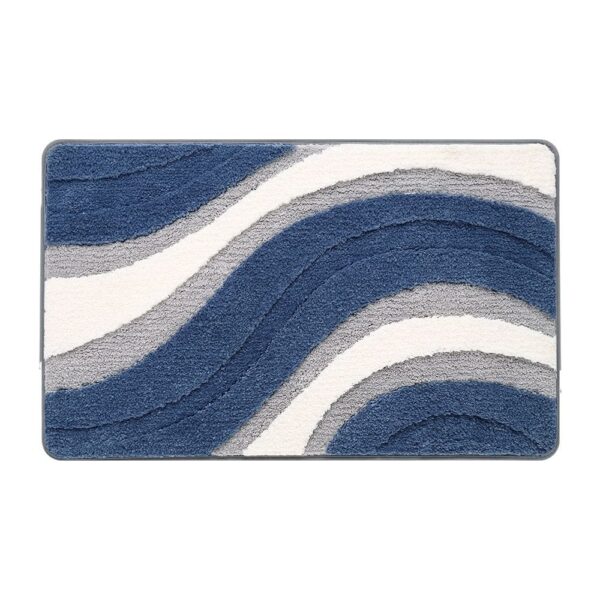
Blue Grey Bath Mat
Price range: £35.90 through £47.90 -
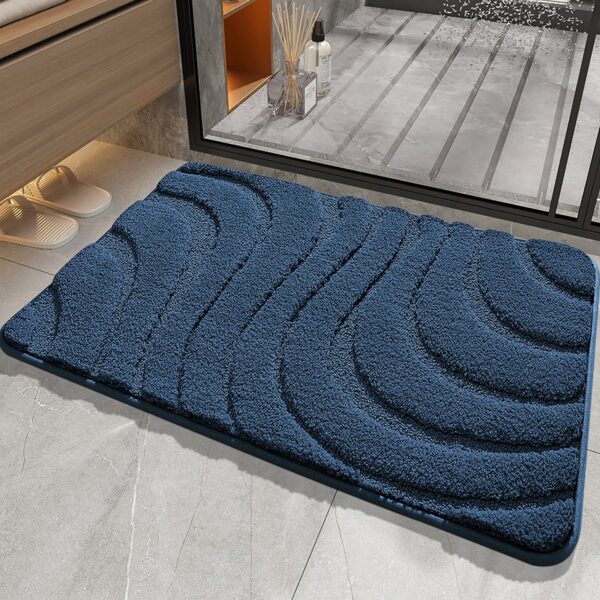
Blue Non Slip Bath Mat
Price range: £39.90 through £47.90 -
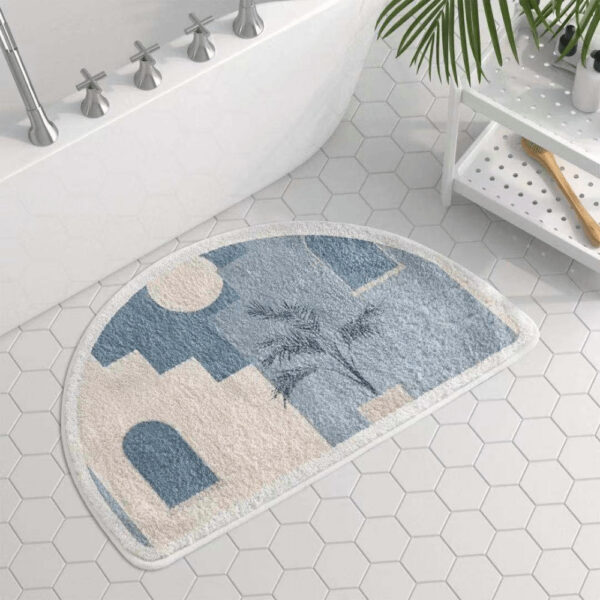
Blue White Bath Mat
Price range: £23.90 through £29.90 -
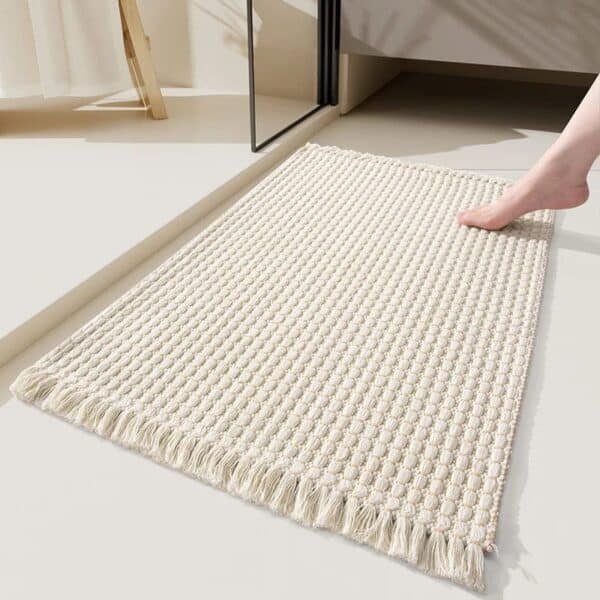
Boho Bath Mat
Price range: £31.90 through £47.90 -
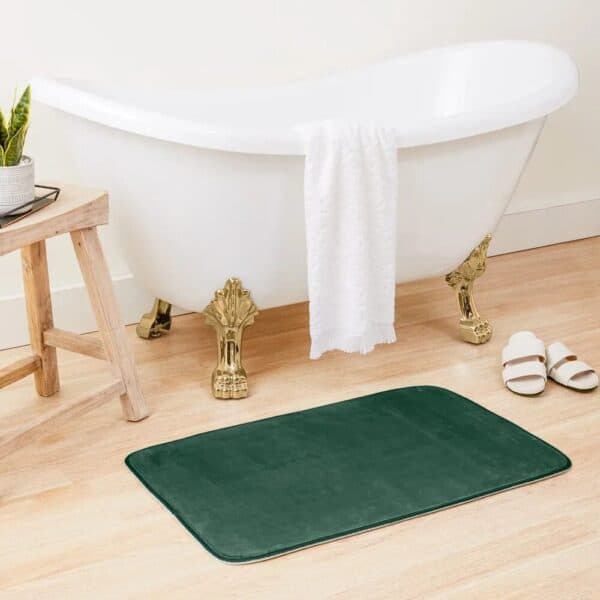
Bottle Green Bath Mat
Price range: £27.90 through £39.90 -
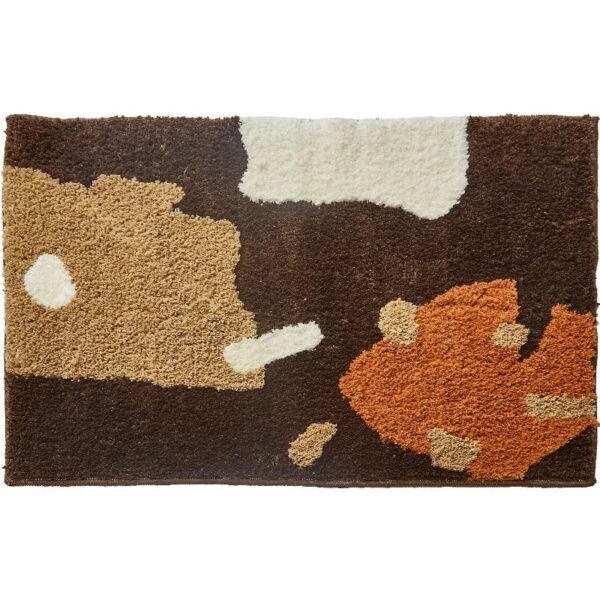
Brown And Cream Bath Mat
Price range: £47.90 through £55.90 -
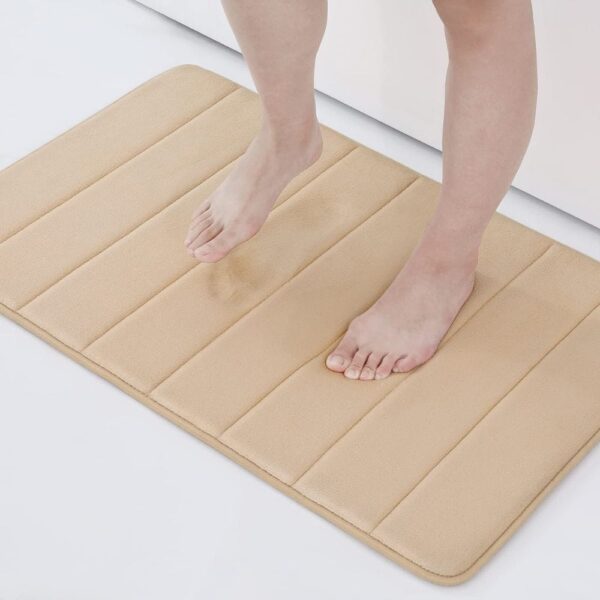
Brown Beige Bath Mat
Price range: £23.90 through £71.90 -
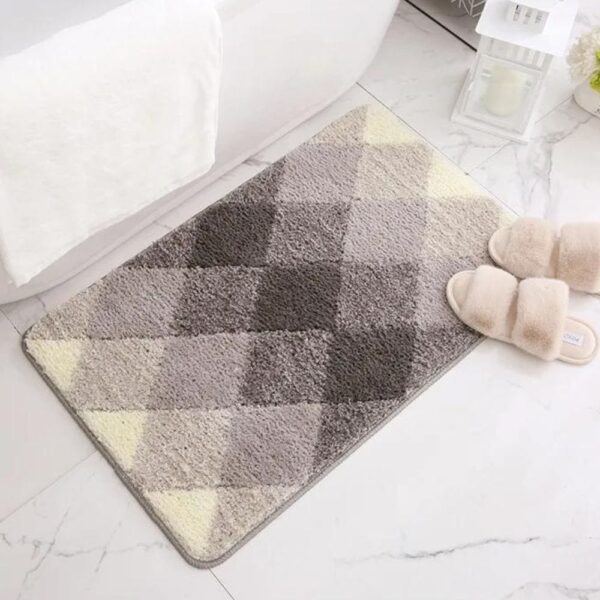
Checked Bath Mat
Price range: £31.90 through £51.90 -
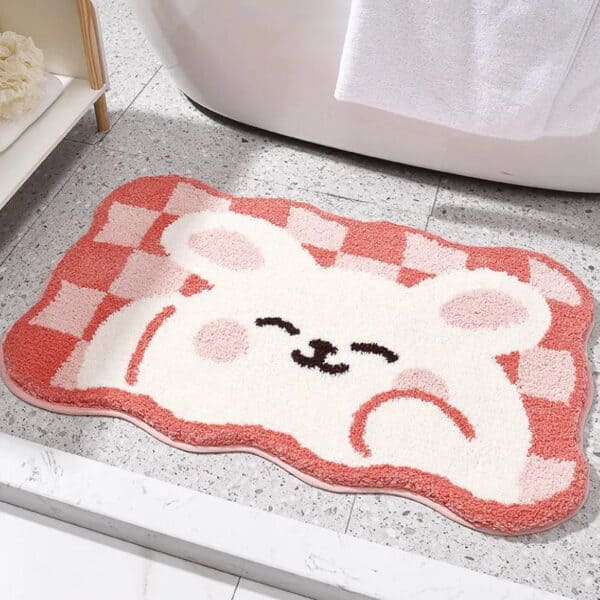
Checkerboard Bath Mat
Price range: £35.90 through £47.90 -
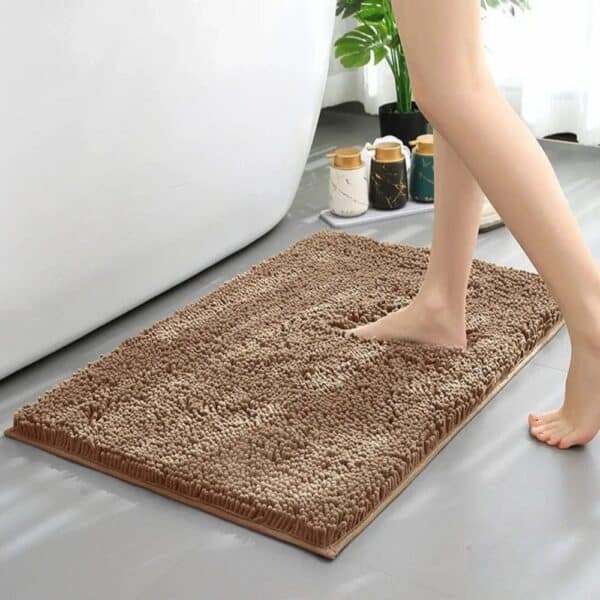
Chenille Bath Mat
Price range: £29.90 through £47.90 -
Chenille Bobble Bath Mat
Price range: £23.90 through £63.90 -
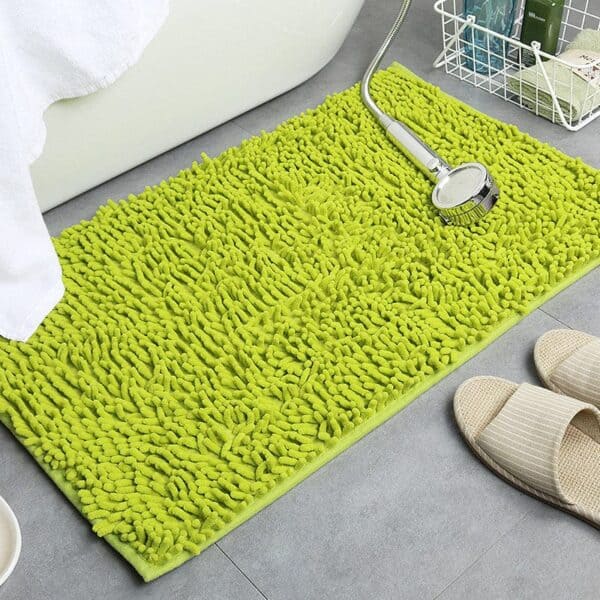
Chenille Shaggy Bath Mat
Price range: £23.90 through £63.90 -
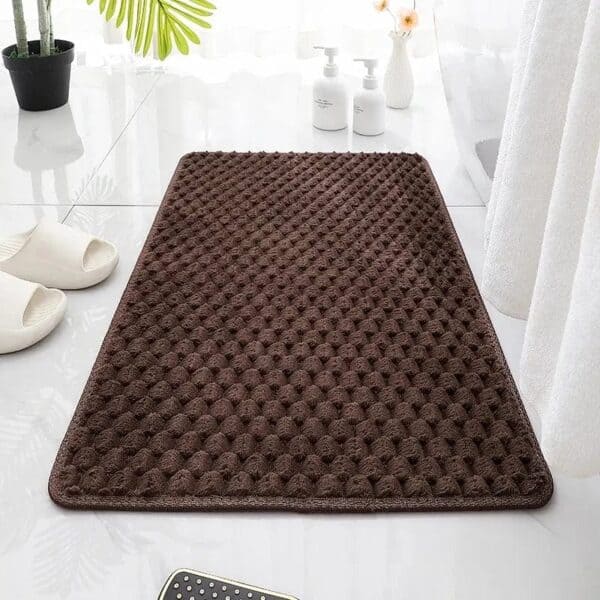
Chocolate Brown Bath Mat
Price range: £31.90 through £95.90 -
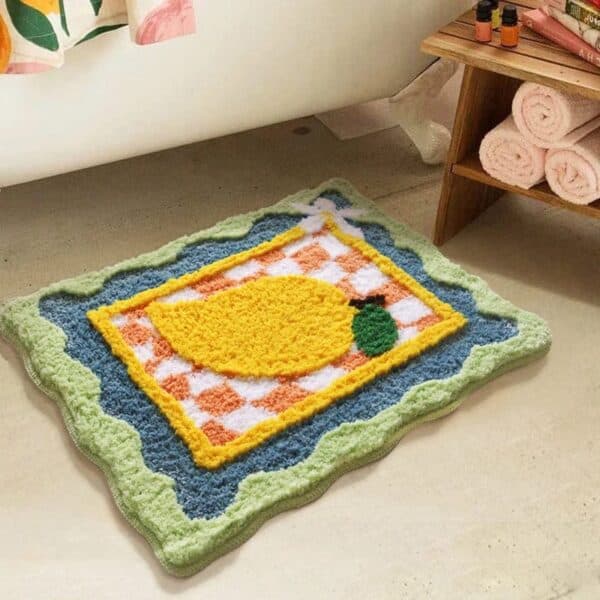
Citrus Bath Mat
£55.90 -
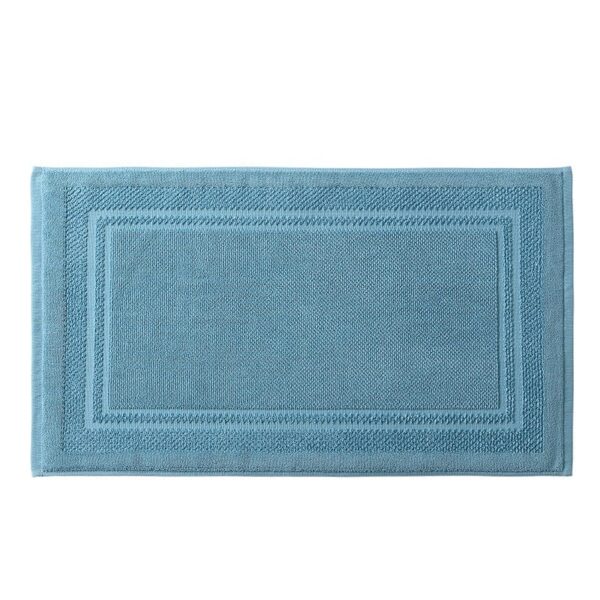
Cotton Bath Mat Towel
£39.90 -
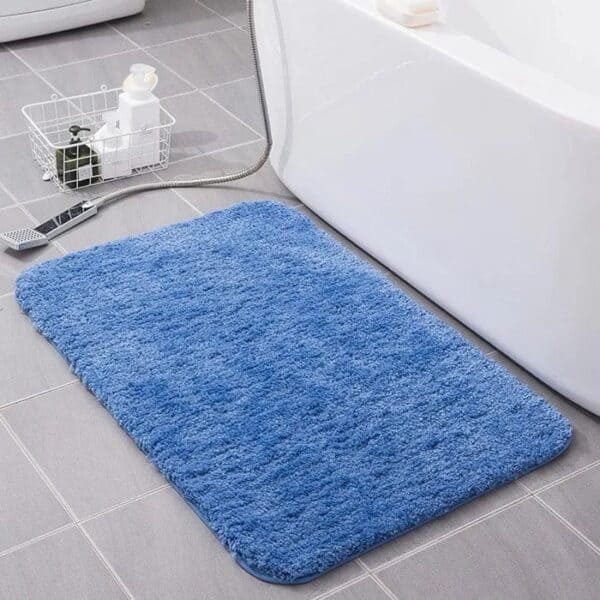
Cute Blue Bath Mat
Price range: £29.90 through £75.90 -
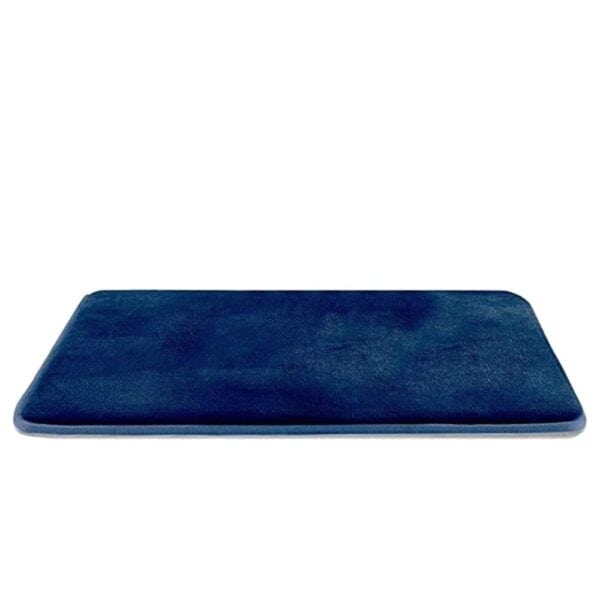
Dark Blue Bath Mat
Price range: £27.90 through £31.90 -
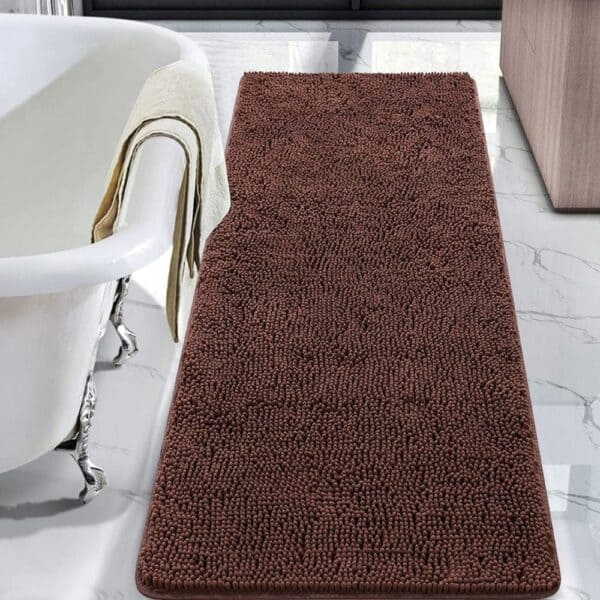
Dark Brown Bath Mat
Price range: £35.90 through £111.90 -
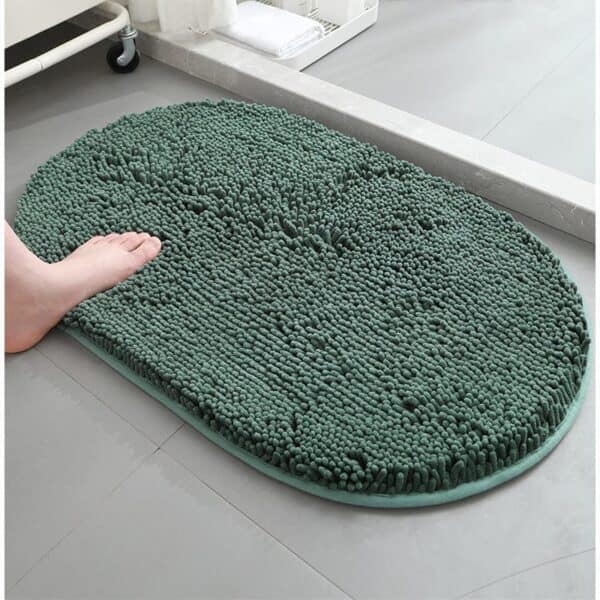
Dark Green Bath Mat
Price range: £31.90 through £47.90 -
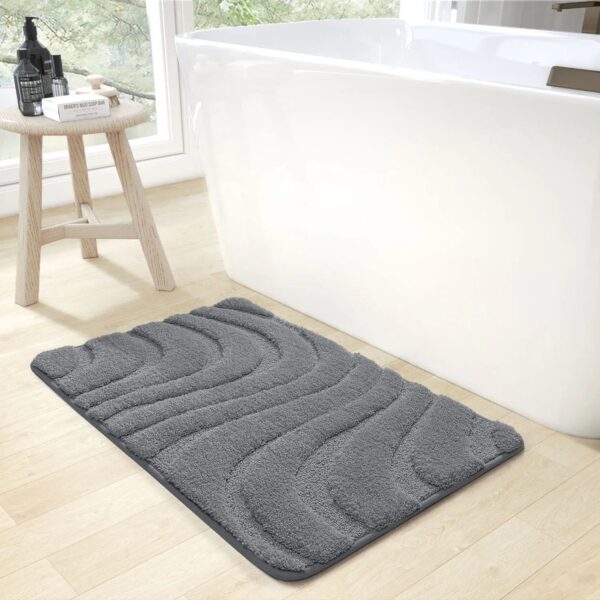
Dark Grey Bath Mat
Price range: £35.90 through £43.90 -
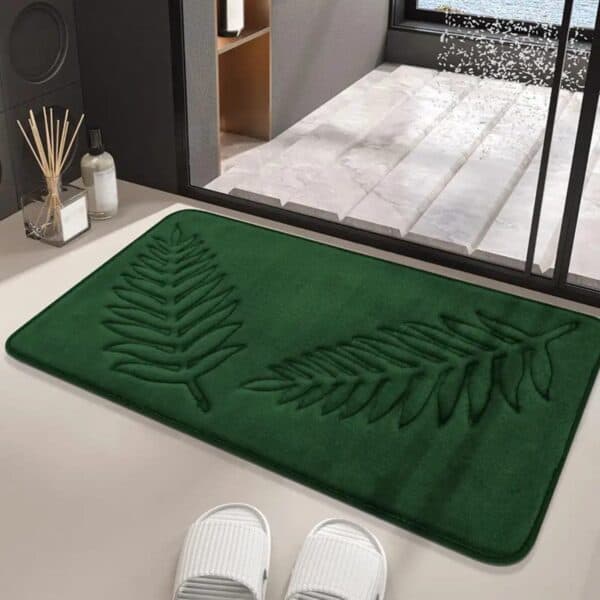
Emerald Green Bath Mat
Price range: £31.90 through £39.90 -
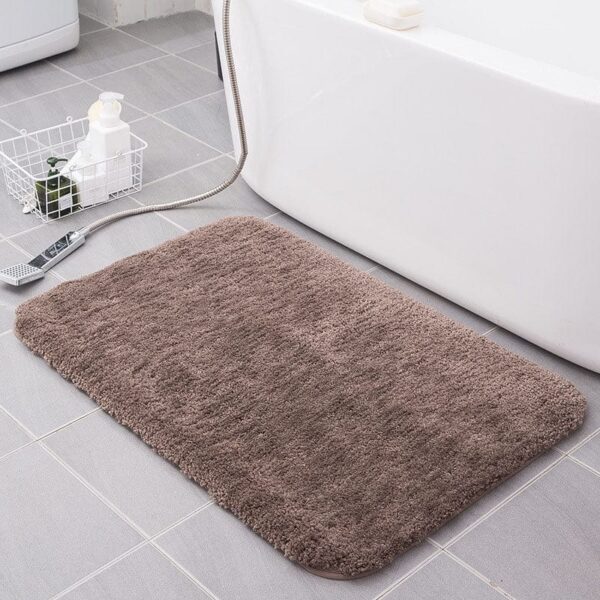
Extra Large Bath Mat
Price range: £49.90 through £69.90 -
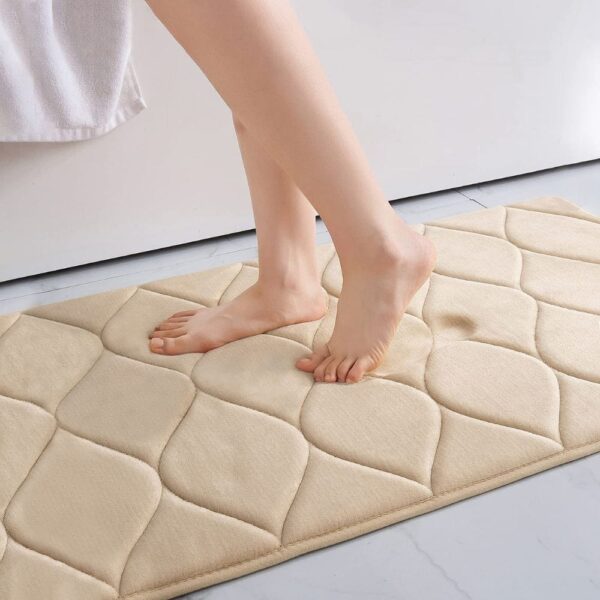
Extra Thick Bath Mat
£25.90 -
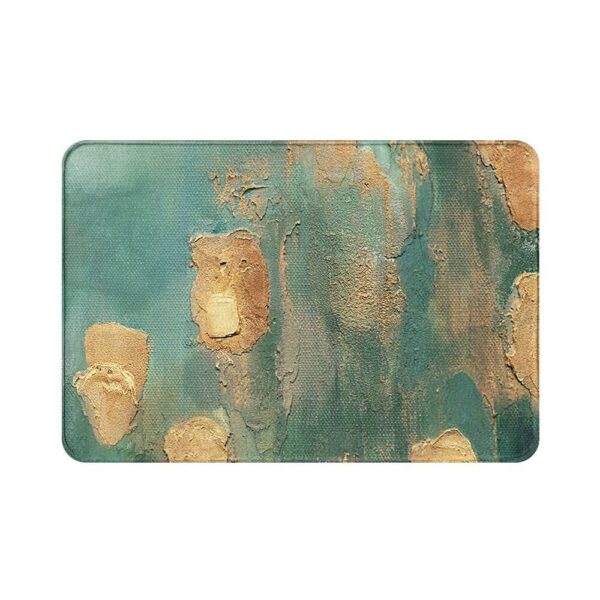
Fern Green Bath Mat
Price range: £23.90 through £27.90 -
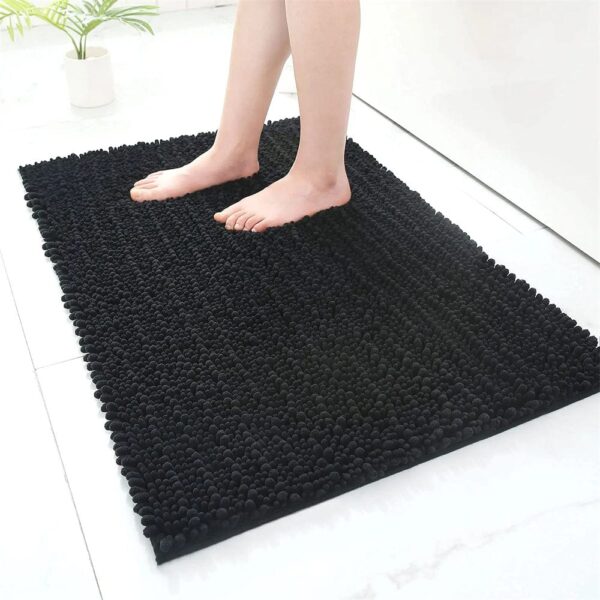
Fluffy Bath Mat
Price range: £35.90 through £47.90 -
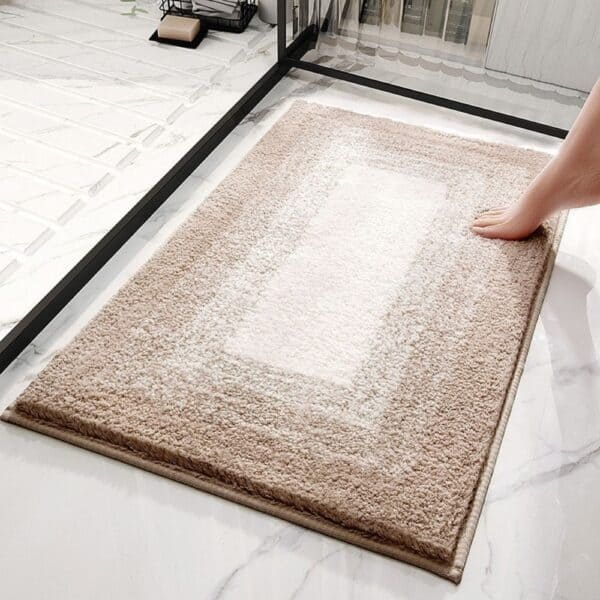
Fluffy White Bath Mat
Price range: £35.90 through £55.90 -
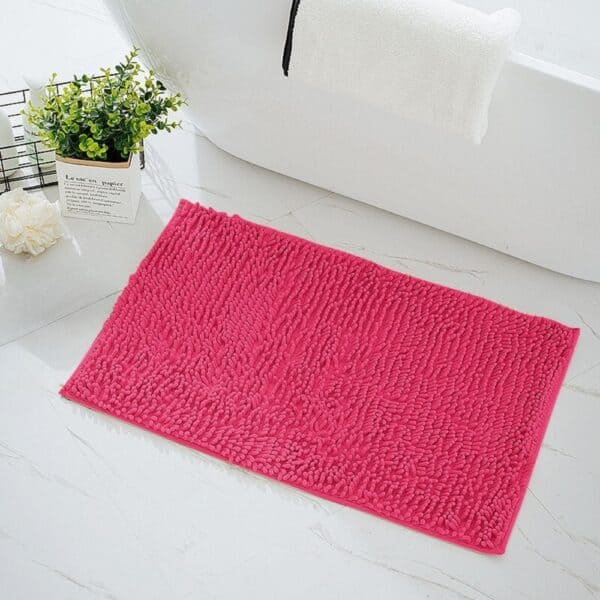
Fuchsia Pink Bath Mat
Price range: £23.90 through £71.90 -
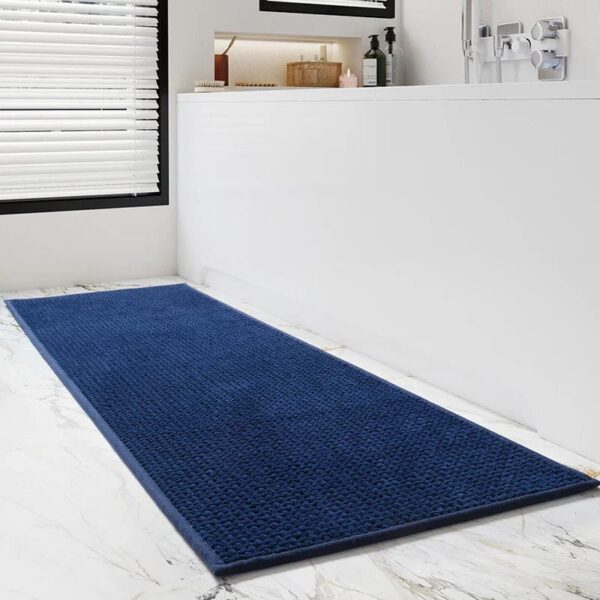
Full Bath Mat
Price range: £55.90 through £63.90 -
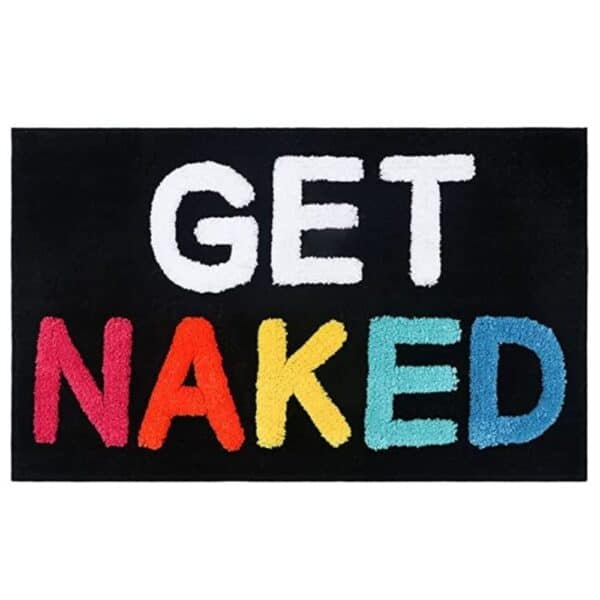
Get Naked Bath Mat Black
£35.90 -
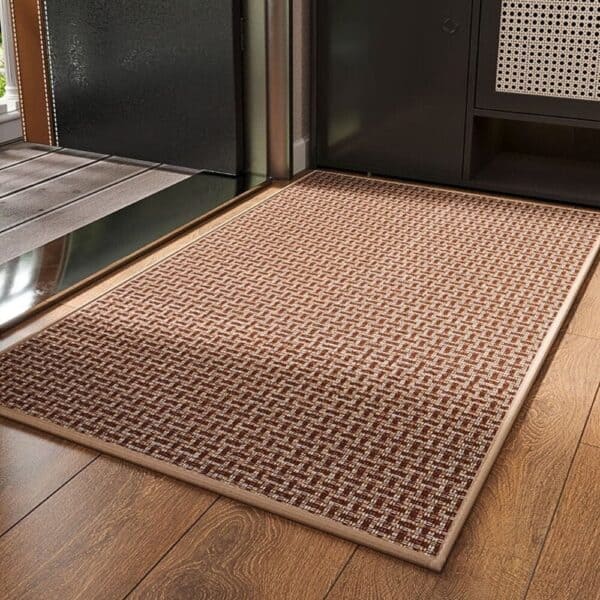
Grandeur Bath Mat
Price range: £69.90 through £149.90 -
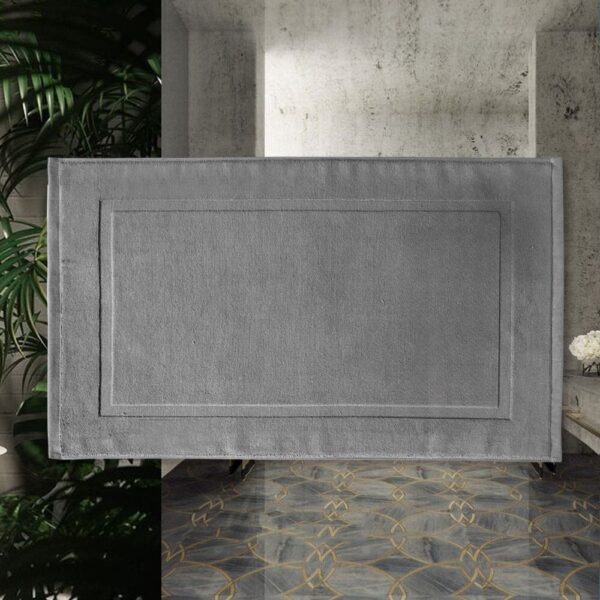
Gray Cotton Bath Mat
Price range: £25.90 through £31.90 -
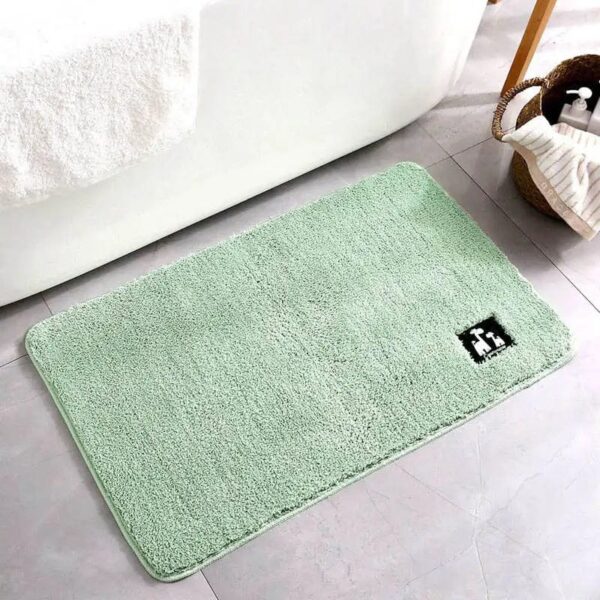
Green Bath Mat
Price range: £29.90 through £75.90 -
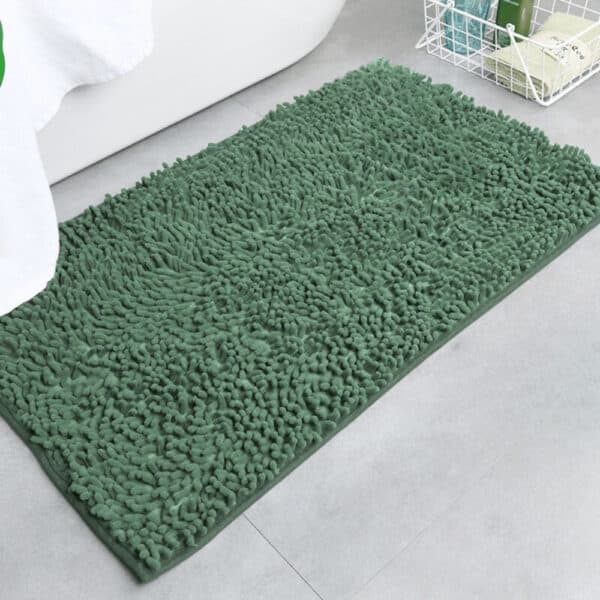
Green Chenille Bath Mat
£23.90 -
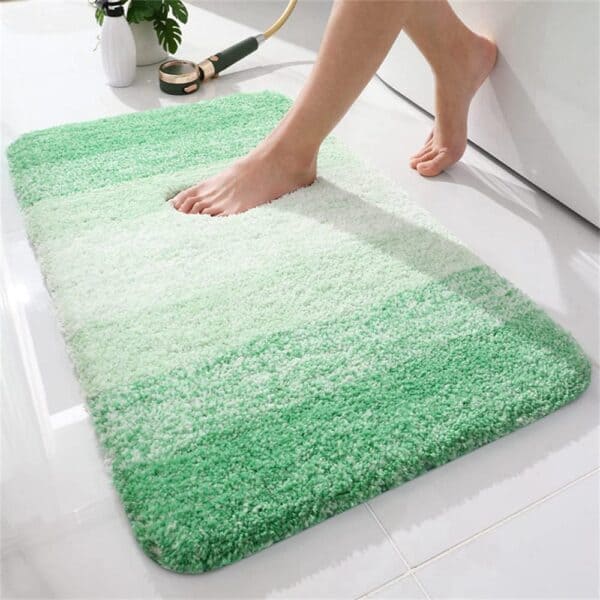
Green White Bath Mat
Price range: £35.90 through £87.90 -
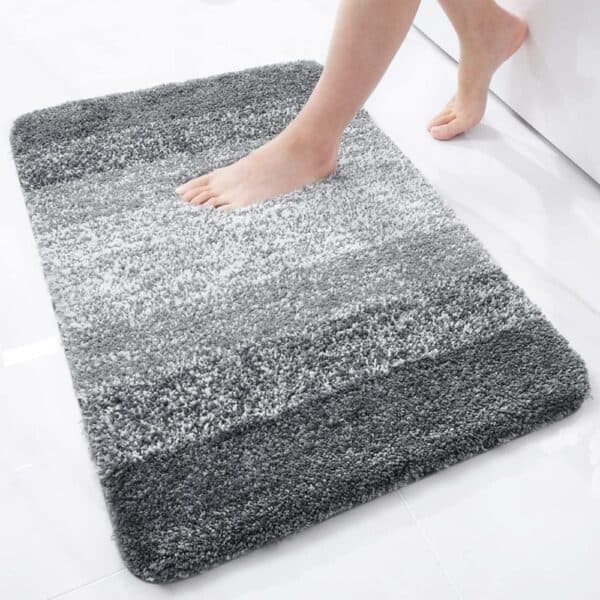
Grey And White Bath Mat
Price range: £31.90 through £79.90 -
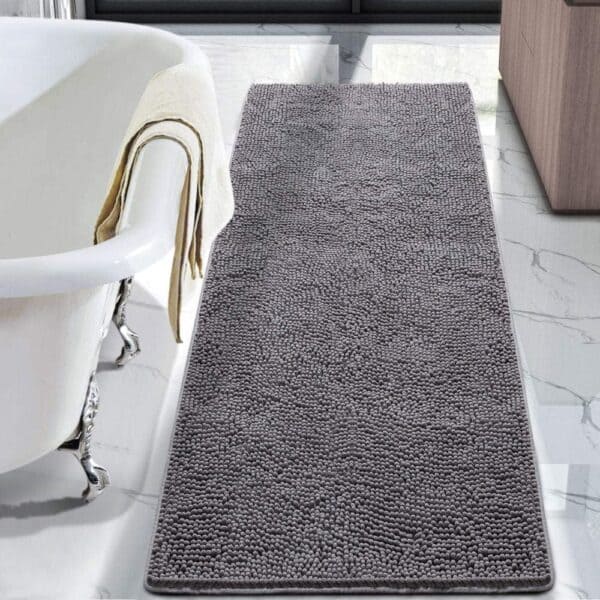
Grey Chenille Bath Mat
Price range: £35.90 through £111.90 -
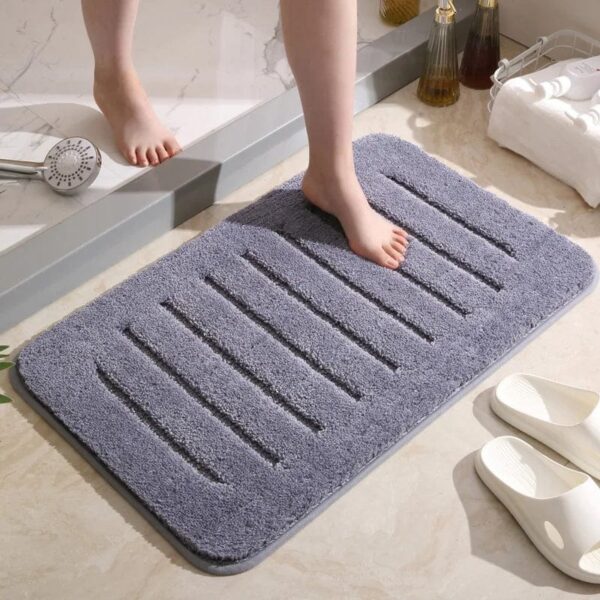
Grey Microfiber Bath Mat
Price range: £35.90 through £58.90 -
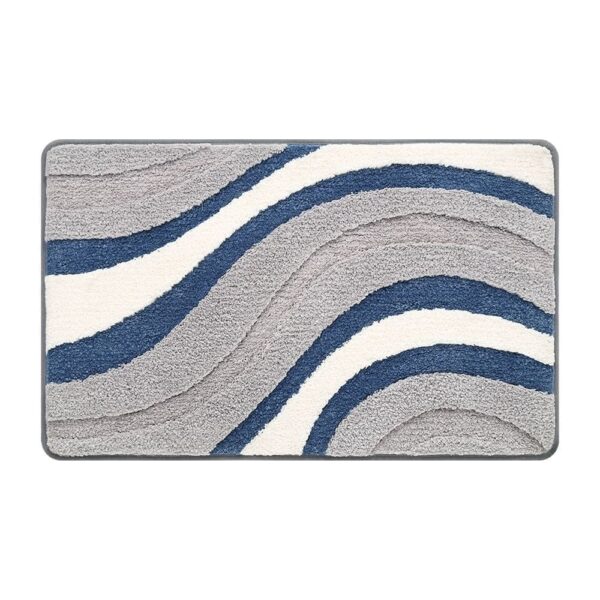
Grey White Bath Mat
Price range: £39.90 through £55.90 -
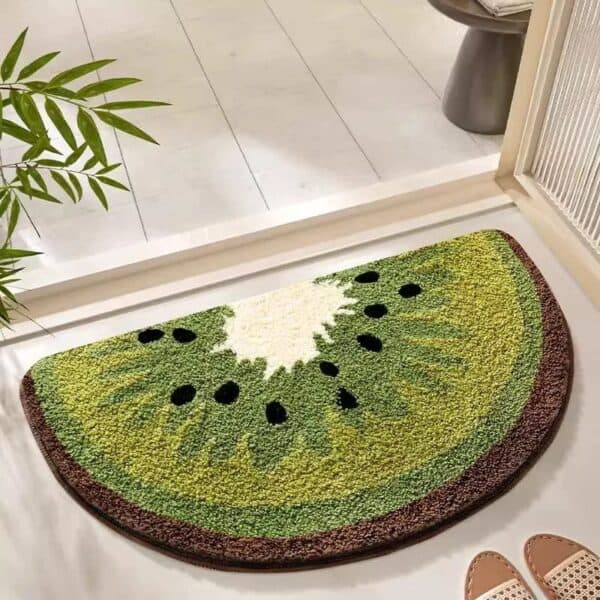
Half Moon Bath Mat
£43.90 -
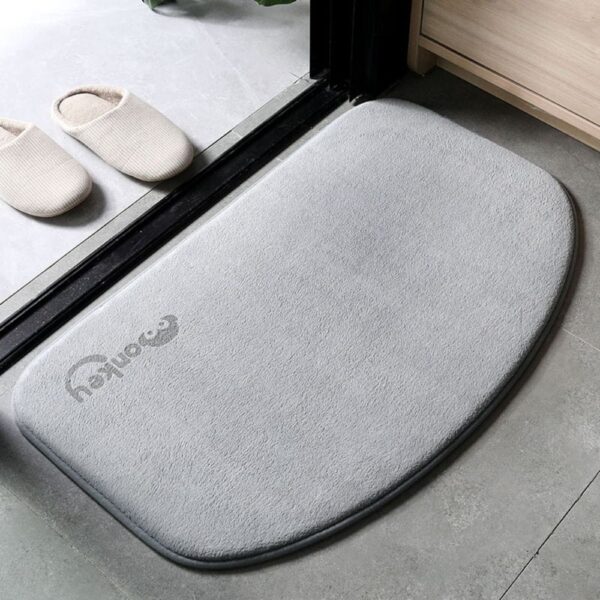
Half Moon Bath Mat Grey
Price range: £29.90 through £47.90 -
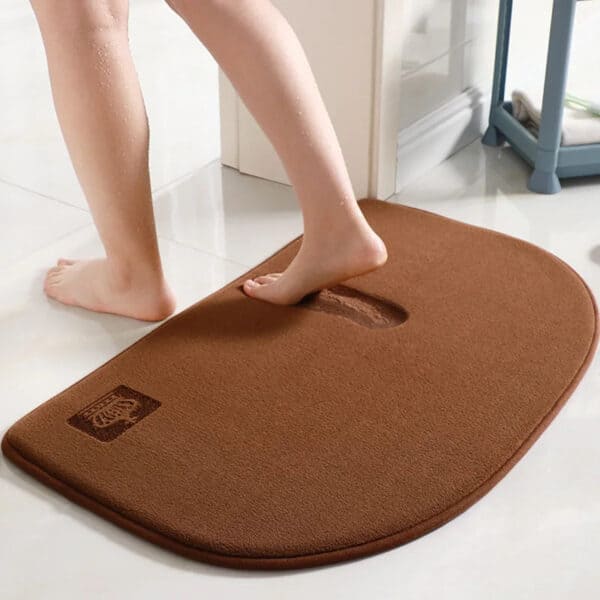
Halfmoon Bath Mat
Price range: £31.90 through £37.90 -
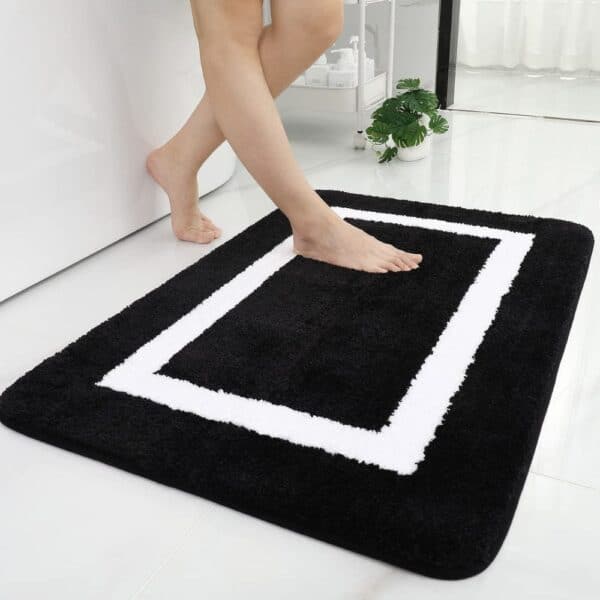
Large Absorbent Bath Mat
£71.90 -
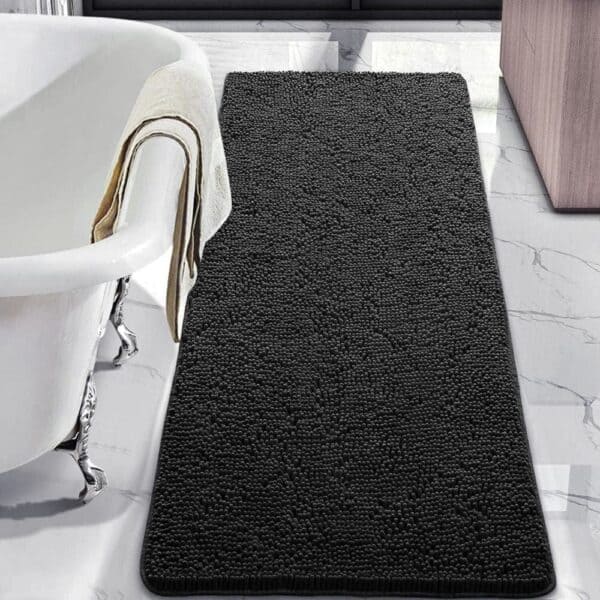
Large Bath Mat 120Cm
£71.90 -
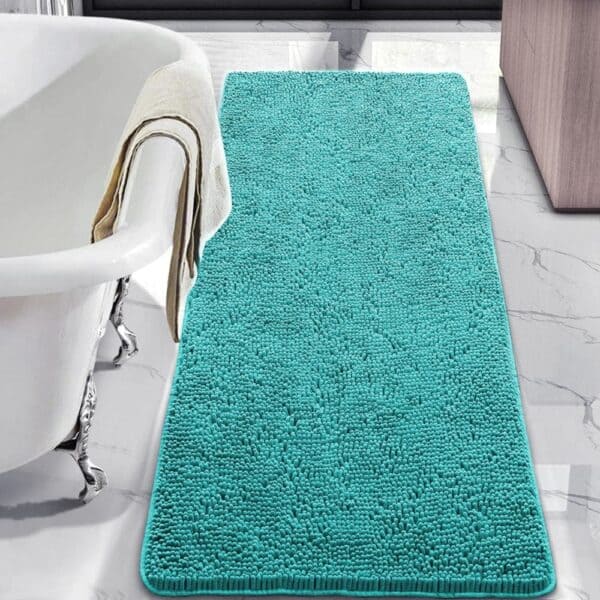
Large Chenille Bath Mat
Price range: £35.90 through £111.90 -
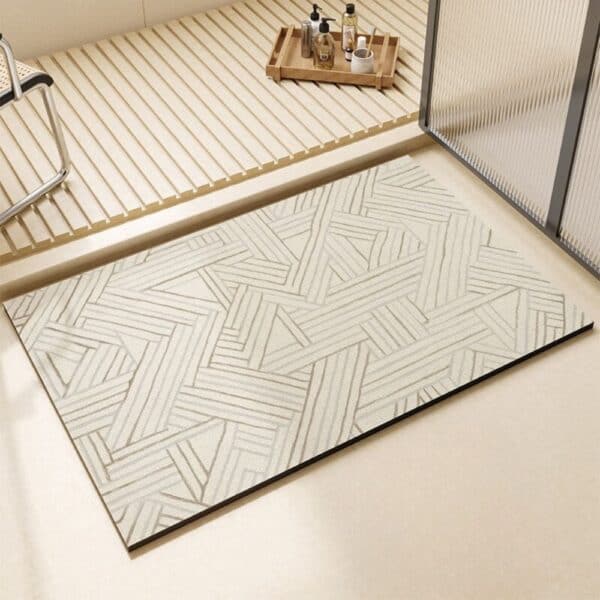
Large Diatomite Bath Mat
Price range: £79.90 through £103.90 -
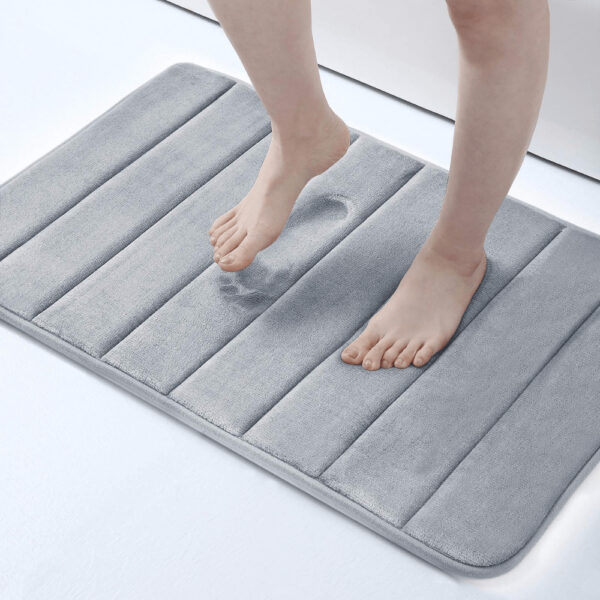
Large Fluffy Bath Mat
£55.90 -
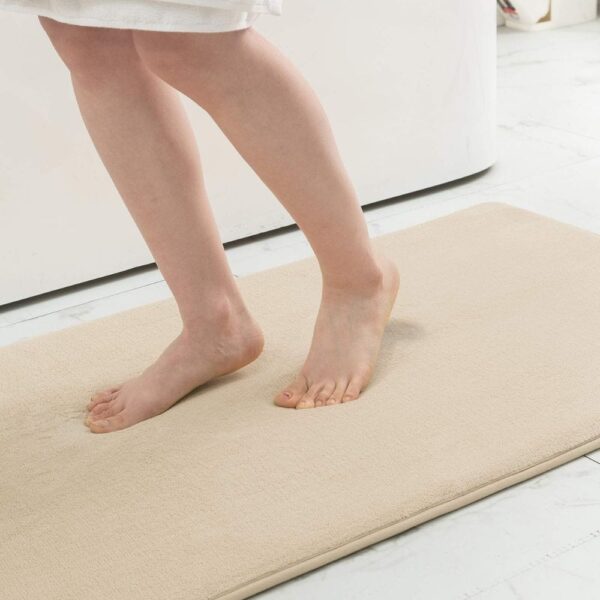
Large Long Bath Mat
£55.90 -
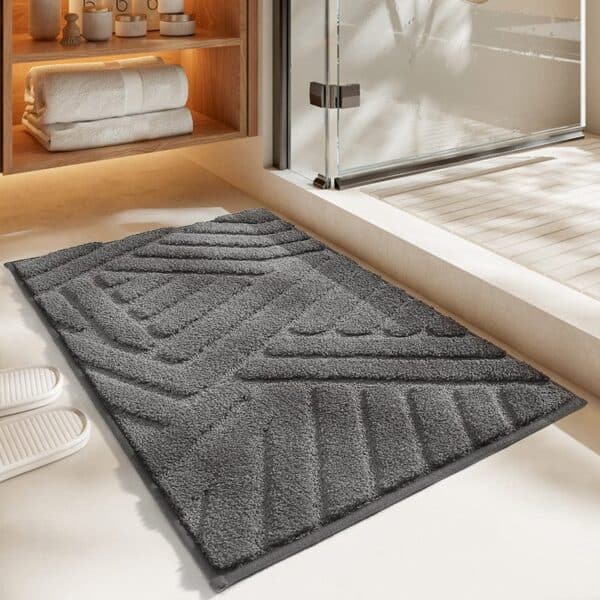
Large Luxury Bath Mat
Price range: £63.90 through £87.90 -
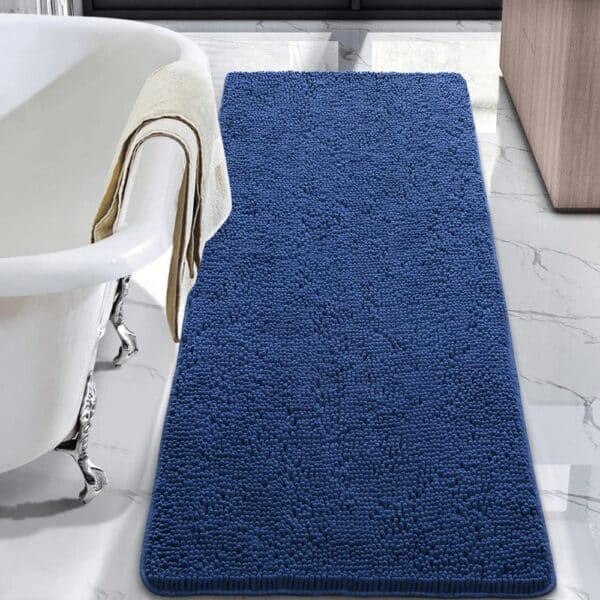
Large Navy Bath Mat
Price range: £75.90 through £111.90 -
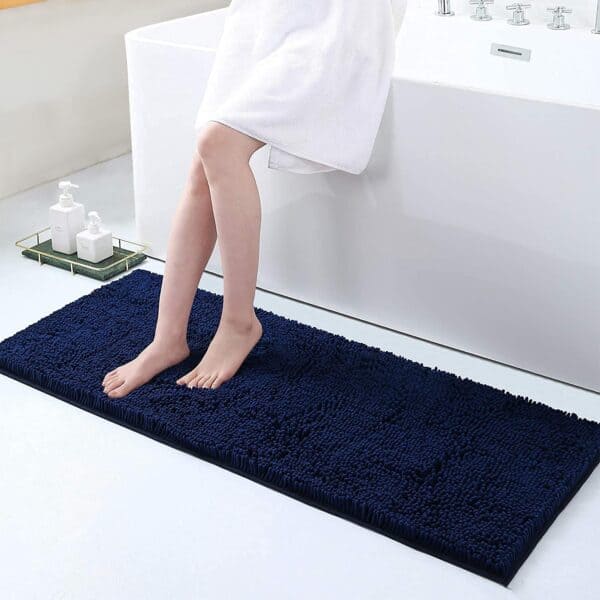
Large Non Slip Bath Mat
Price range: £55.90 through £75.90 -
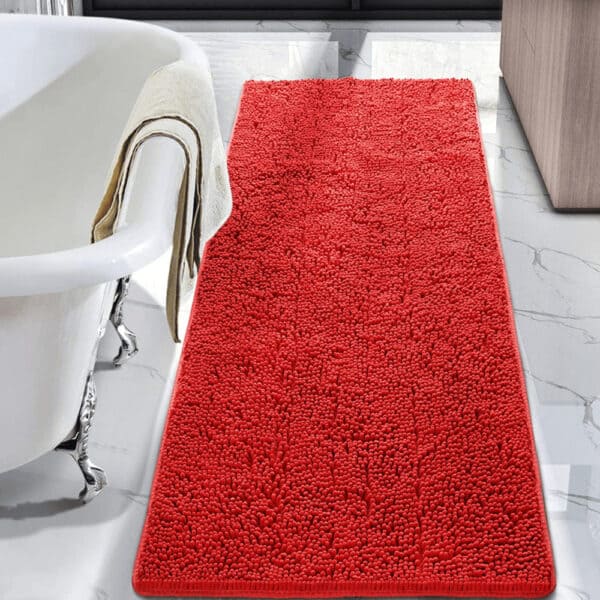
Large Red Bath Mat
Price range: £75.90 through £111.90 -
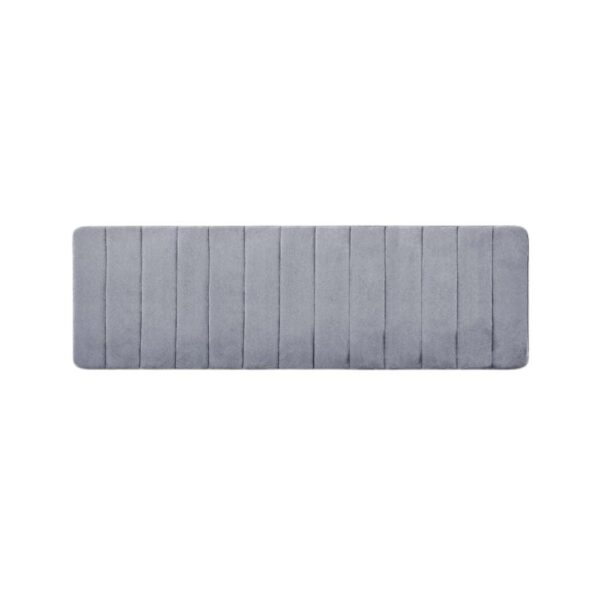
Large Thick Bath Mat
£51.90 -
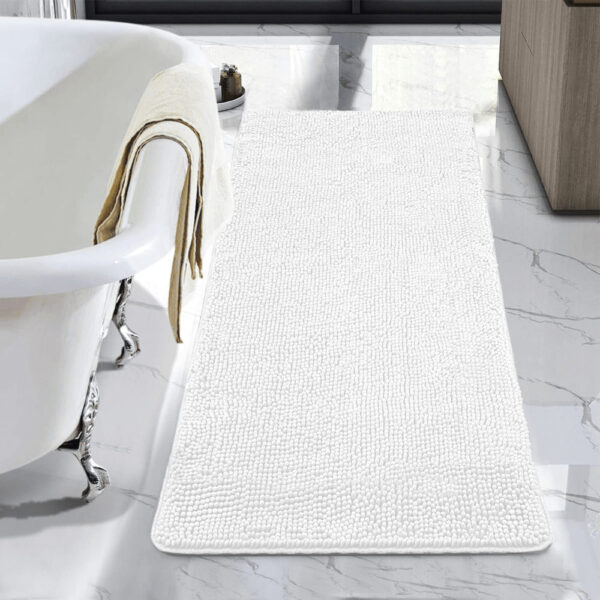
Large White Bath Mat
Price range: £75.90 through £111.90 -
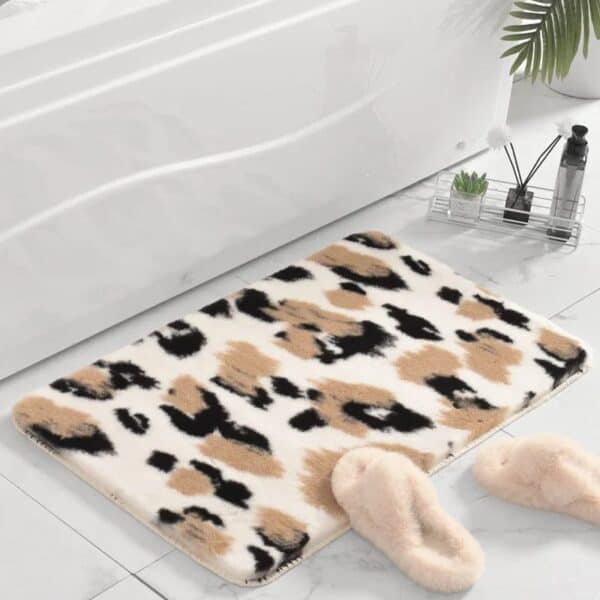
Leopard Print Bath Mat
Price range: £31.90 through £51.90 -
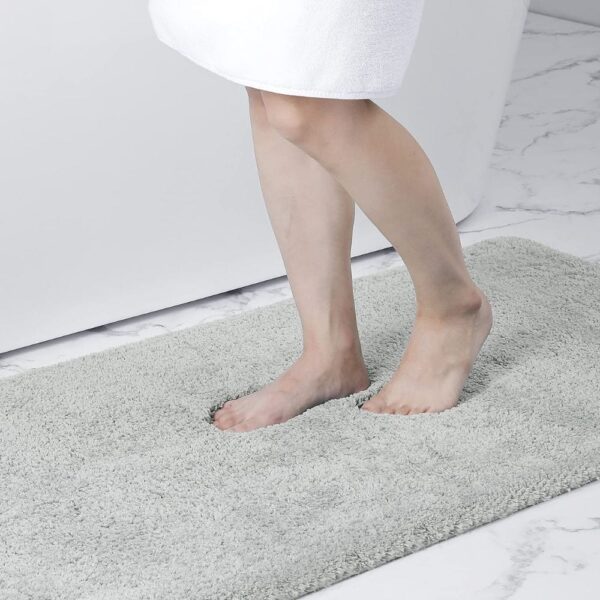
Light Grey Bath Mat
Price range: £31.90 through £71.90 -
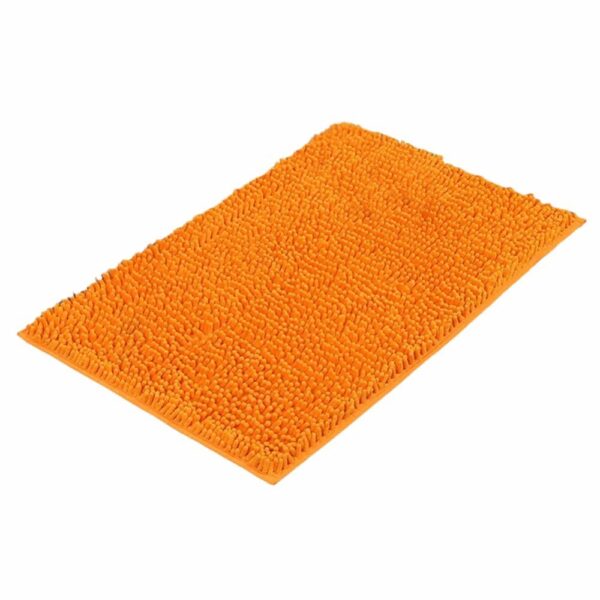
Light Orange Bath Mat
£35.90 -
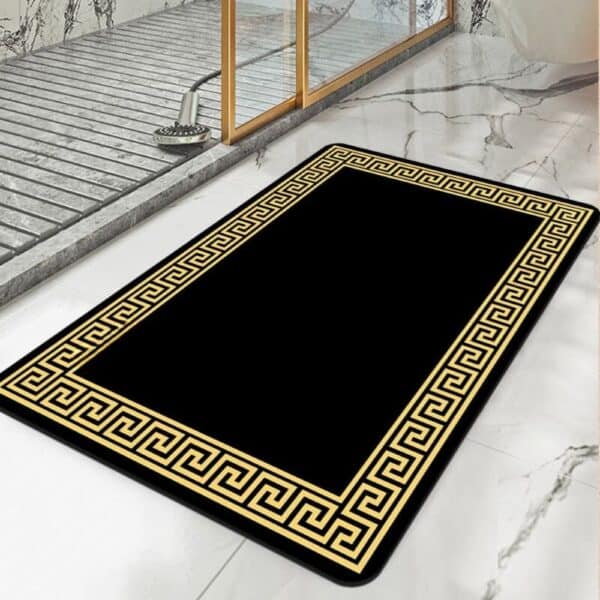
Luxury Bath Mat
Price range: £35.90 through £63.90 -
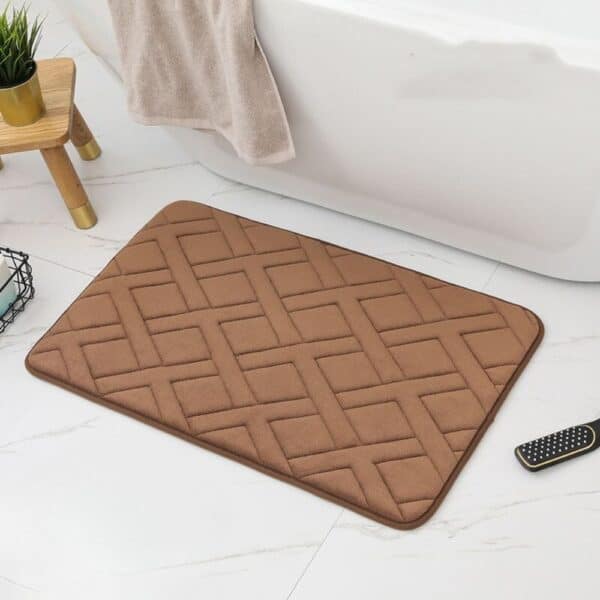
Luxury Thick Bath Mat
Price range: £23.90 through £43.90 -
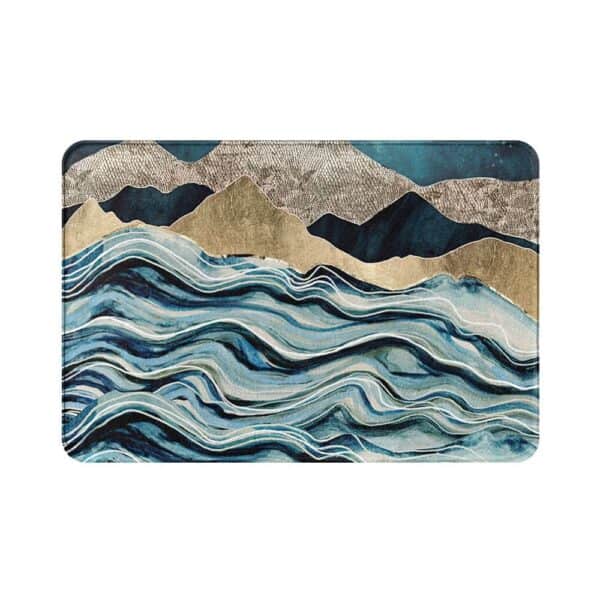
Marble Bath Mat
Price range: £22.90 through £27.90 -
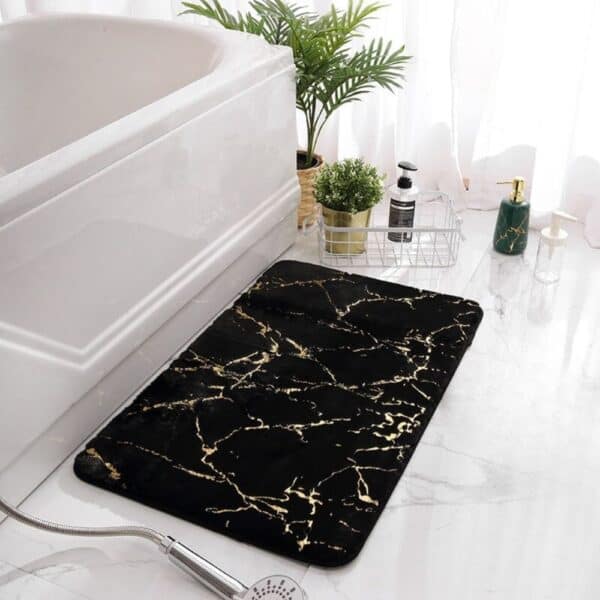
Marble Effect Bath Mat
Price range: £27.90 through £69.90 -
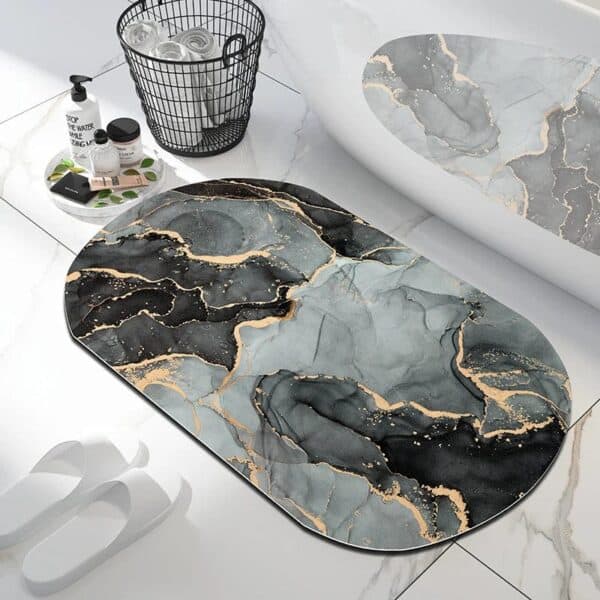
Marble Look Bath Mat
Price range: £27.90 through £39.90 -
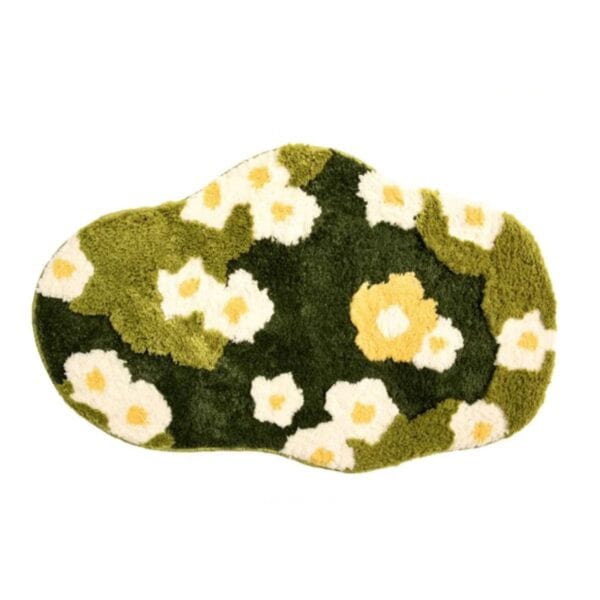
Meadow Bath Mat
Price range: £39.90 through £87.90 -
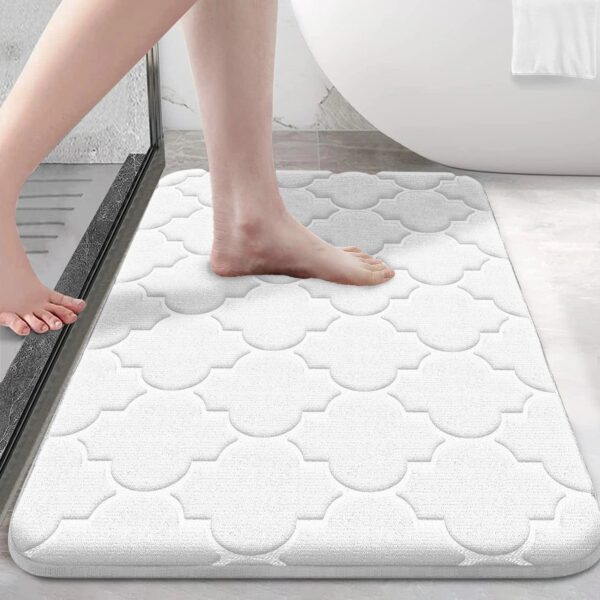
Memory Foam Bath Mat
Price range: £19.90 through £23.90 -
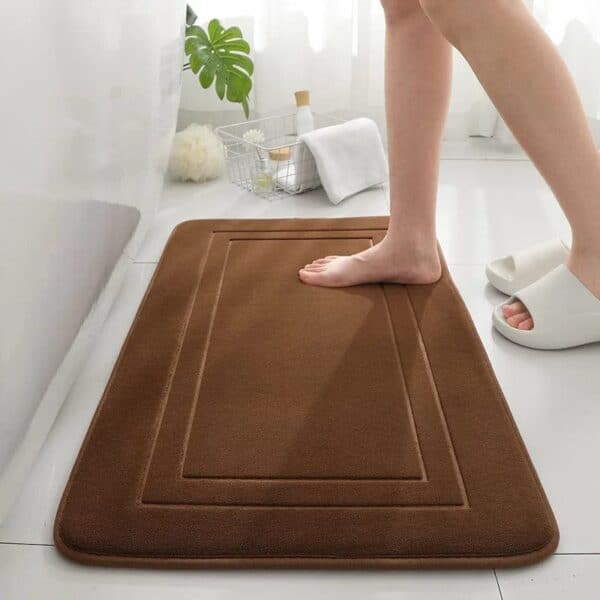
Memory Foam Style Bath Mat
Price range: £29.90 through £37.90 -
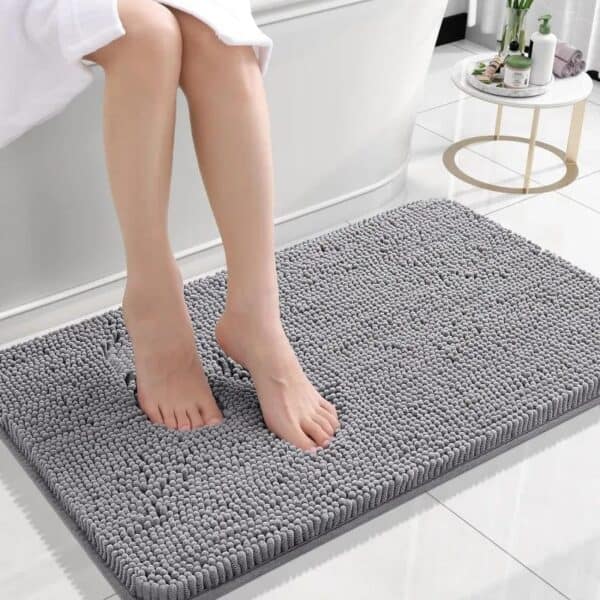
Micro Chenille Bath Mat
Price range: £23.90 through £31.90 -
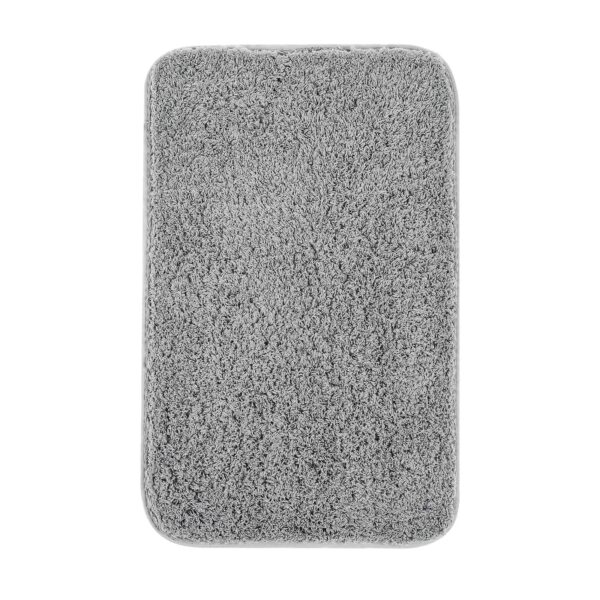
Microfiber Bath Mat
Price range: £19.90 through £27.90 -
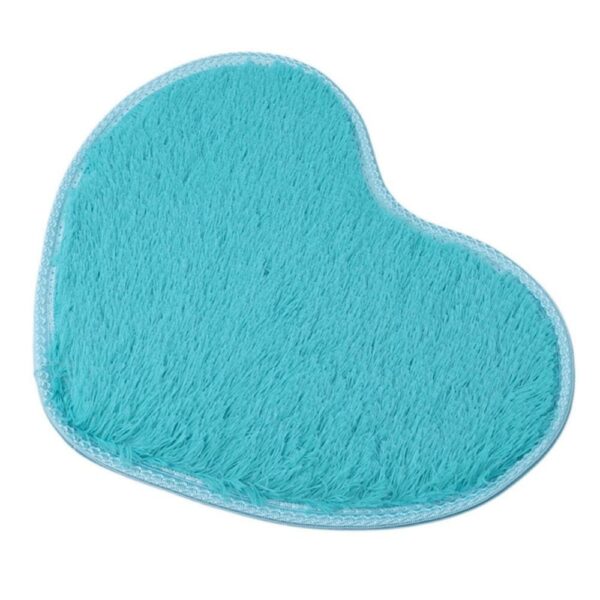
Microfiber Chenille Bath Mat
£15.90 -
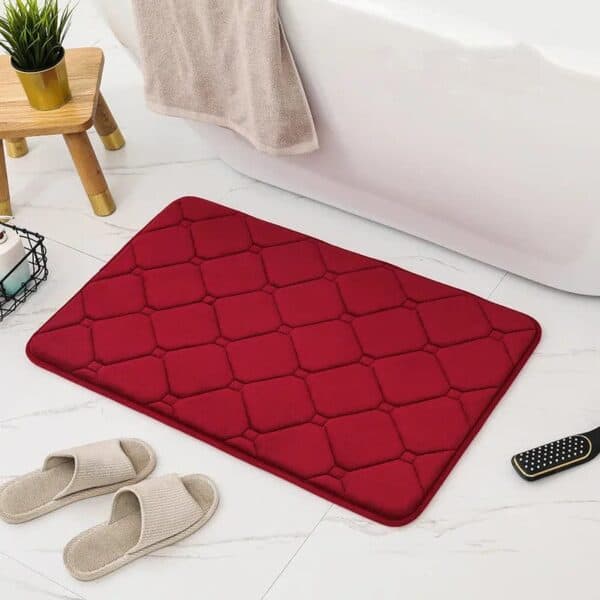
Microfiber Memory Foam Bath Mat
Price range: £23.90 through £39.90 -
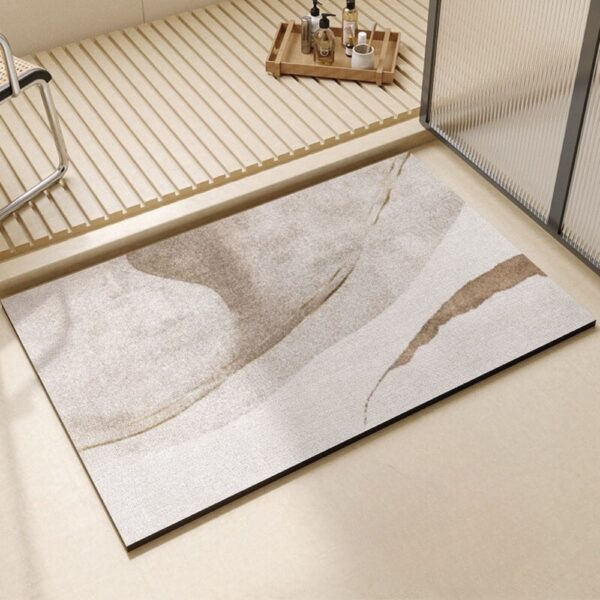
Modern Bath Mat
Price range: £47.90 through £103.90 -
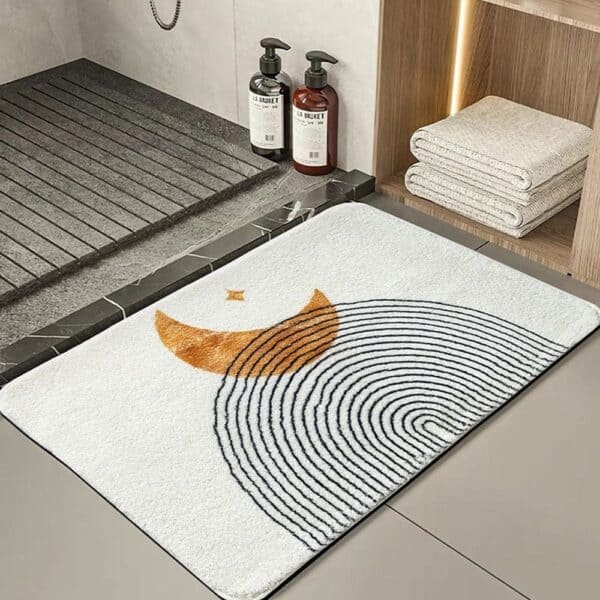
Moon Bath Mat
Price range: £31.90 through £39.90 -
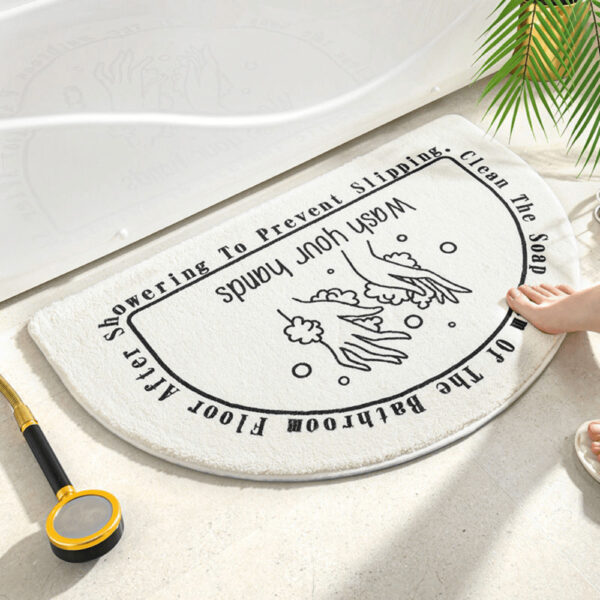
Moon Shaped Bath Mat
Price range: £35.90 through £47.90 -
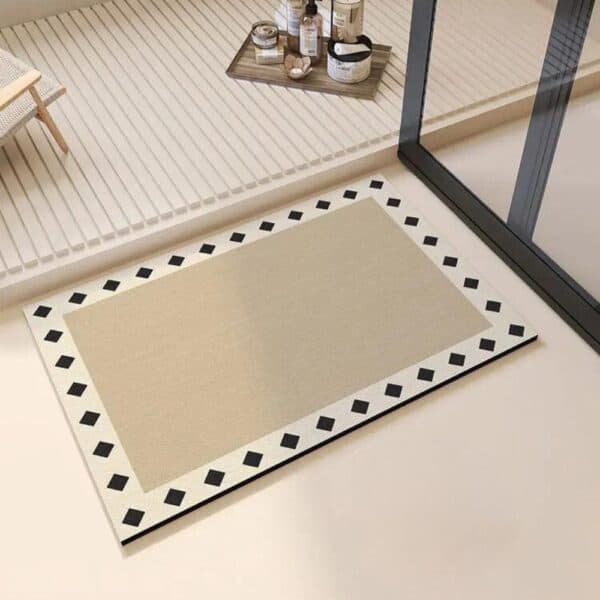
Moonstone Bath Mat Diatomite
Price range: £31.90 through £39.90 -
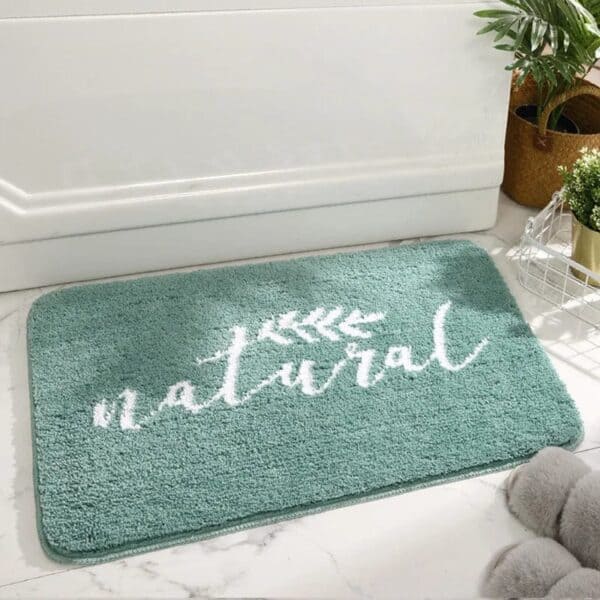
Natural Lettering Bath Mat
Price range: £31.90 through £42.90 -
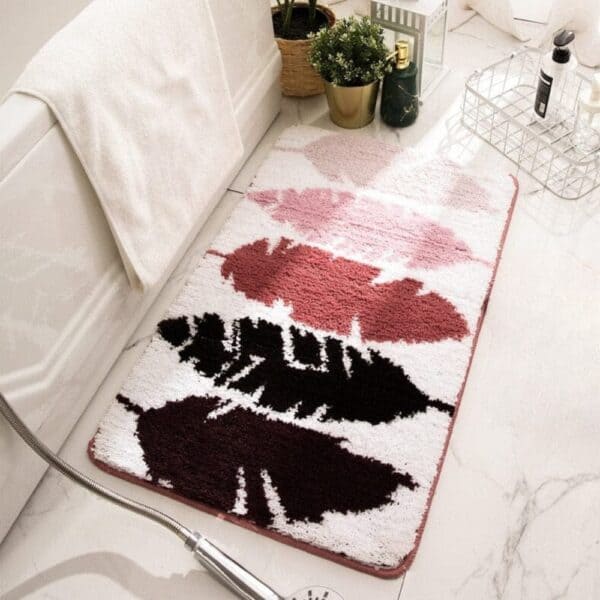
Nature Bath Mat
Price range: £43.90 through £47.90
×