-
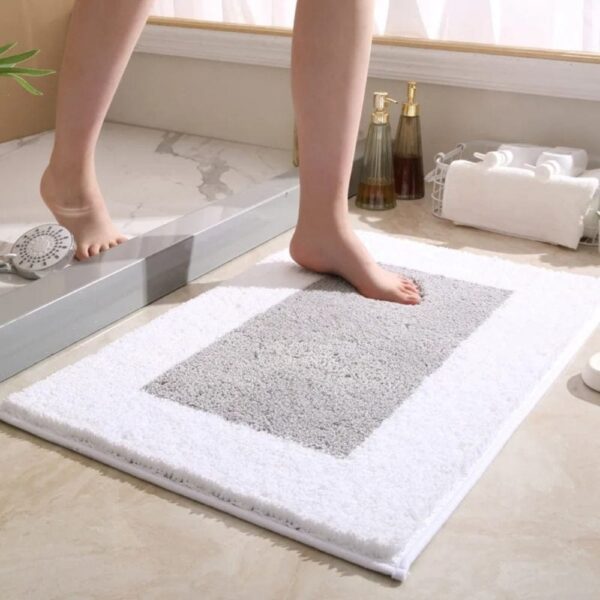
Absorbent Non Slip Bath Mat
Price range: £35.90 through £55.90 -
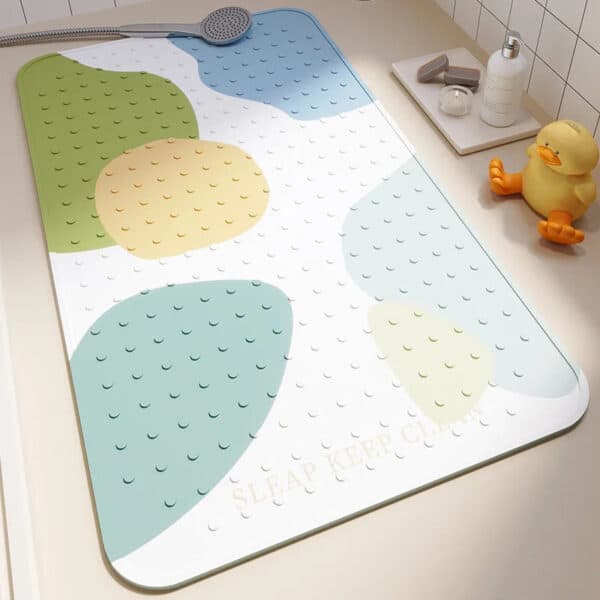
Animal Baby Bath Mat
Price range: £47.90 through £55.90 -
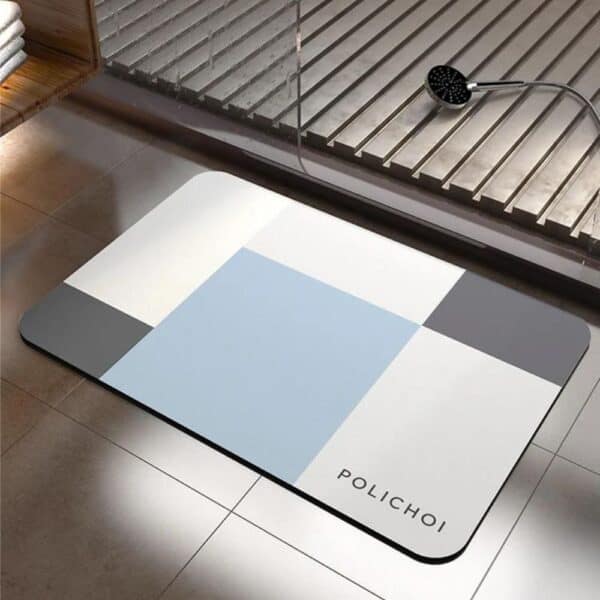
Anti-Slip Bath Mat
Price range: £31.90 through £47.90 -
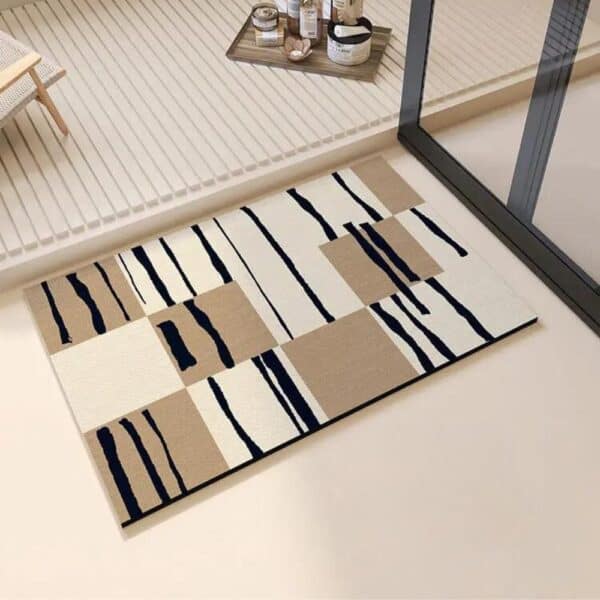
Art Bath Mat
Price range: £31.90 through £39.90 -
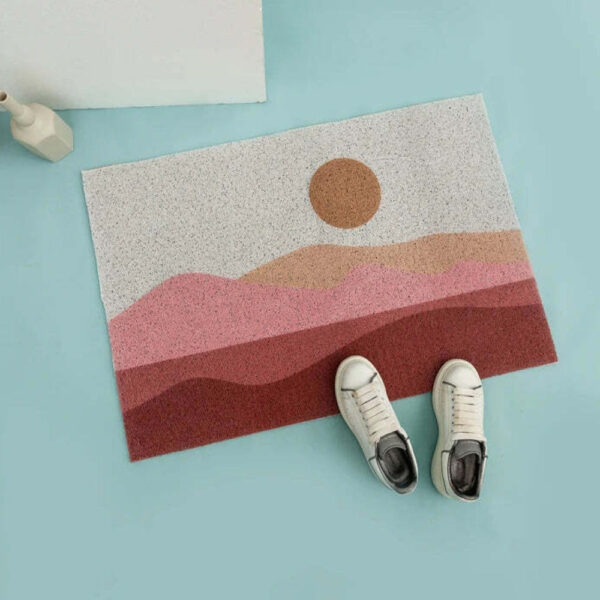
Art Deco Bath Mat
Price range: £47.90 through £119.90 -
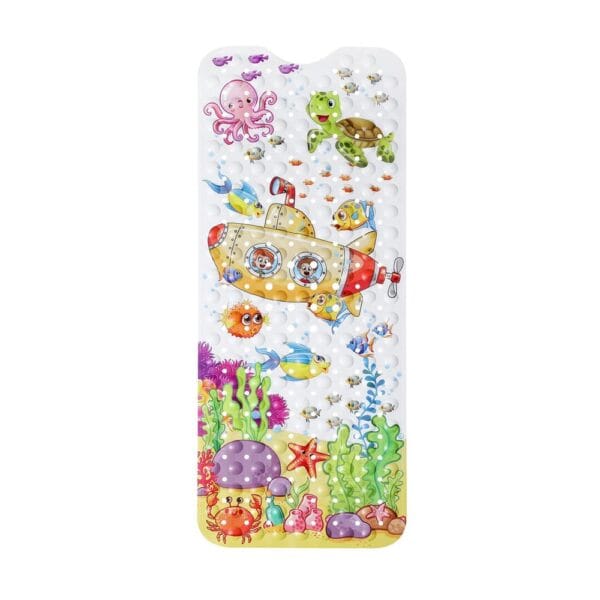
Baby Bath Mat
£41.90 -
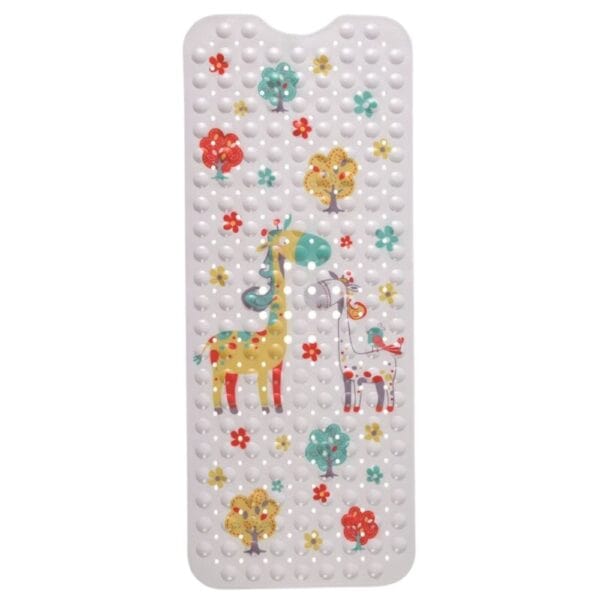
Baby Bath Sink Mat
£39.90 -
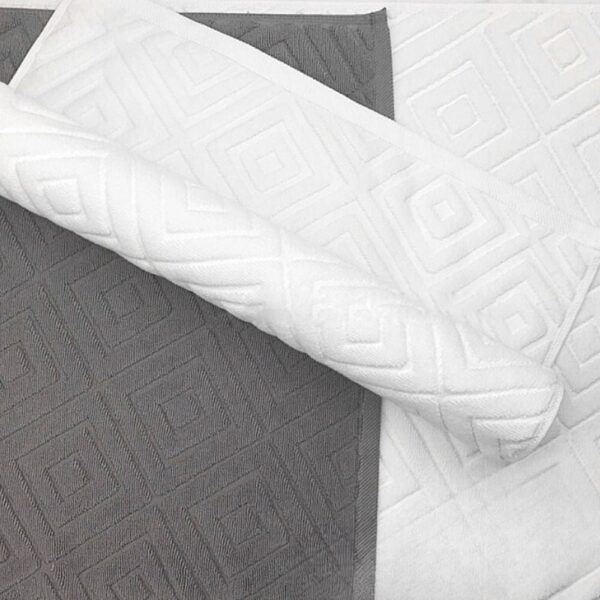
Bath Mat 100 Cotton
£47.90 -
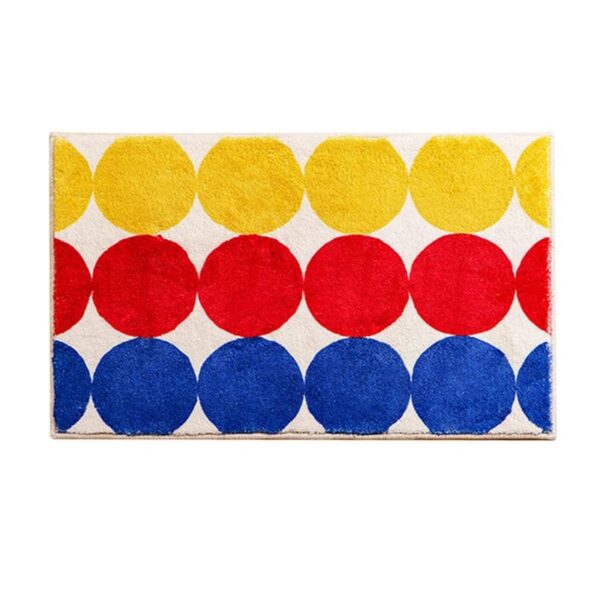
Bath Mat Circle
Price range: £37.90 through £47.90 -
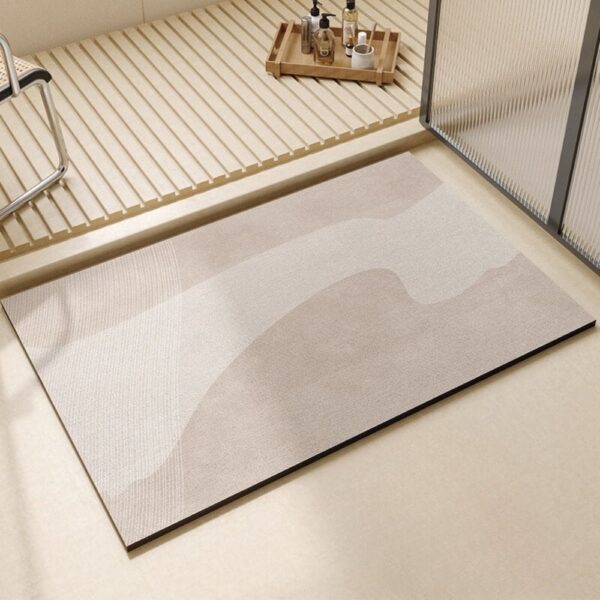
Bath Mat Diatomite
Price range: £47.90 through £103.90 -
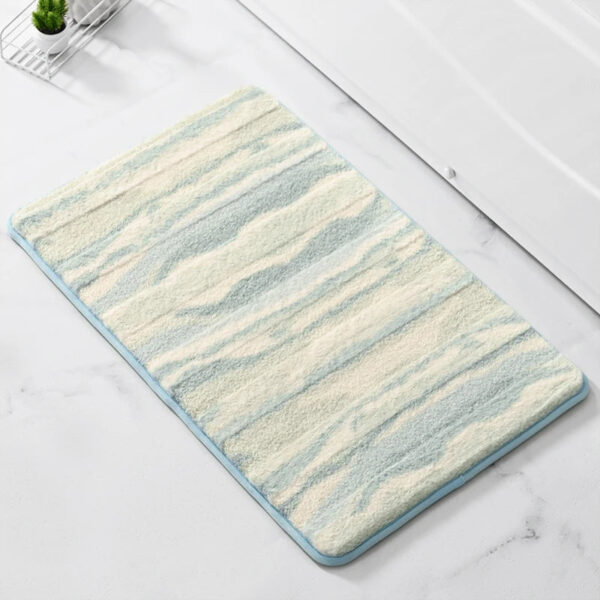
Bath Mat For Bathroom Floor
Price range: £39.90 through £63.90 -
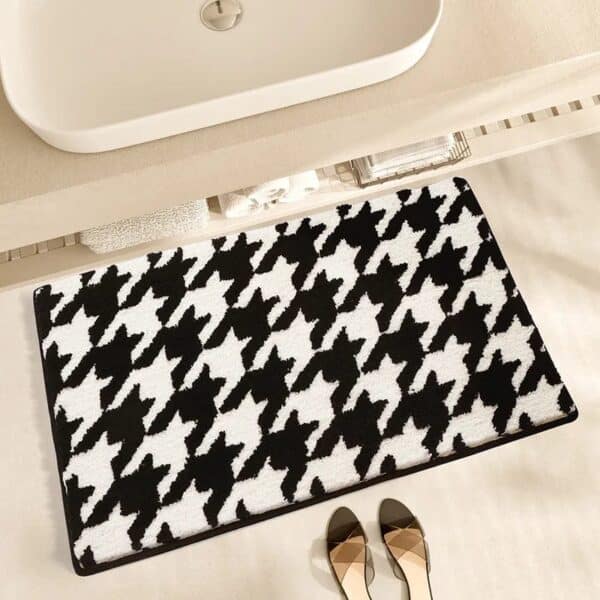
Bath Mat For Black And White Bathroom
Price range: £39.90 through £47.90 -
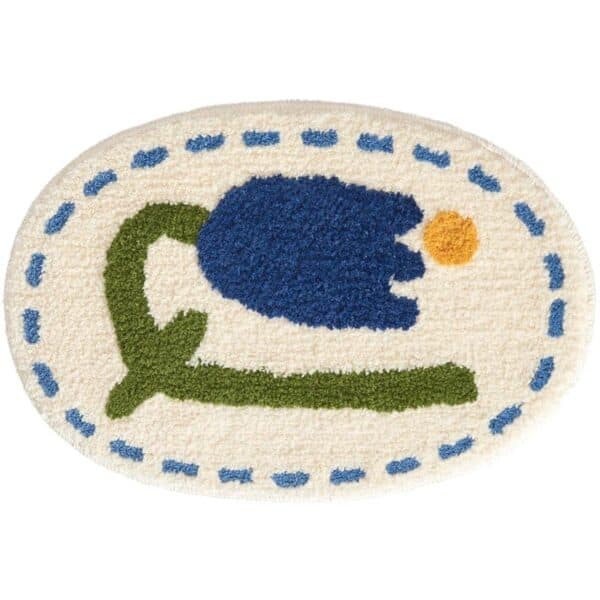
Bath Mat Round
£47.90 -
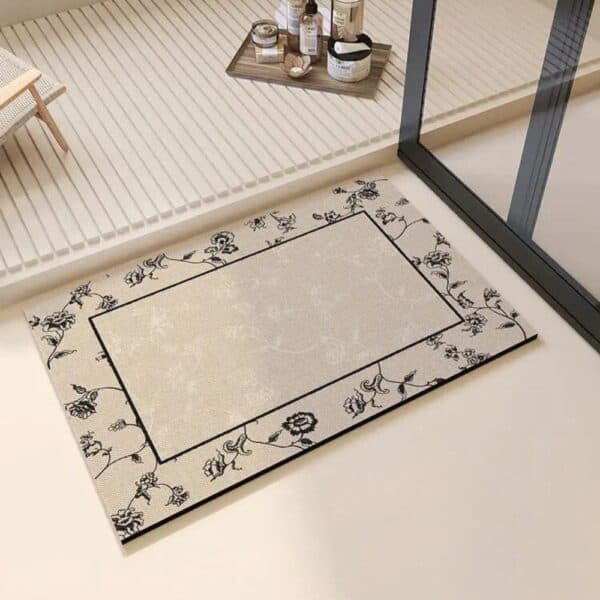
Beau Monde Bath Mat
Price range: £31.90 through £39.90 -
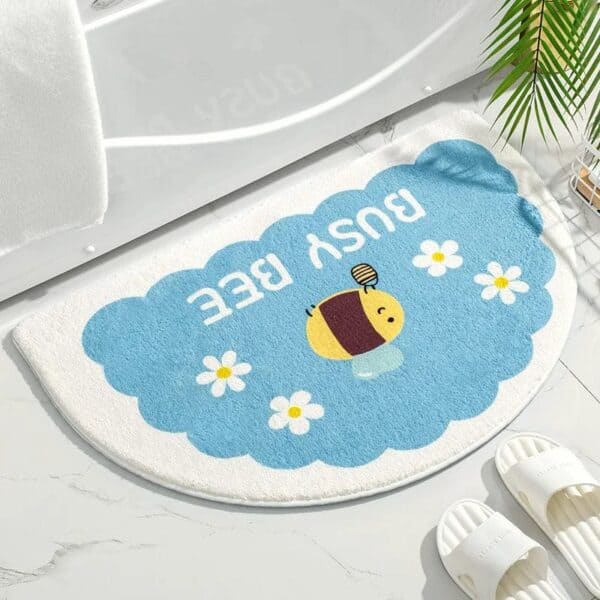
Bee Bath Mat
£23.90 -
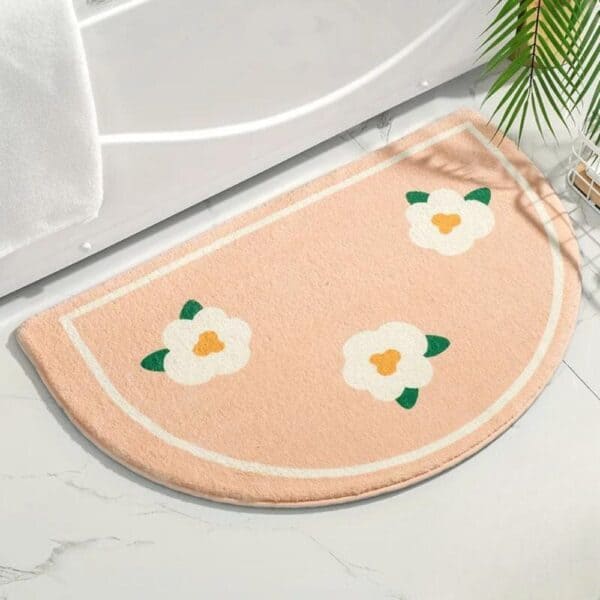
Beige And White Bath Mat
£23.90 -
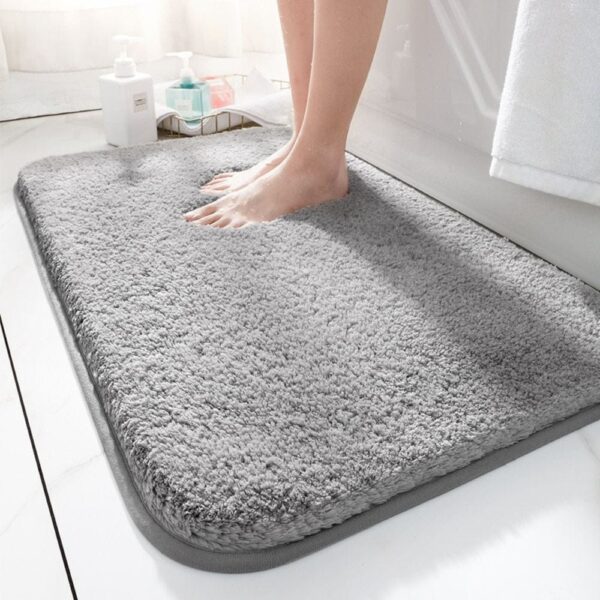
Big Fluffy Bath Mat
Price range: £35.90 through £51.90 -
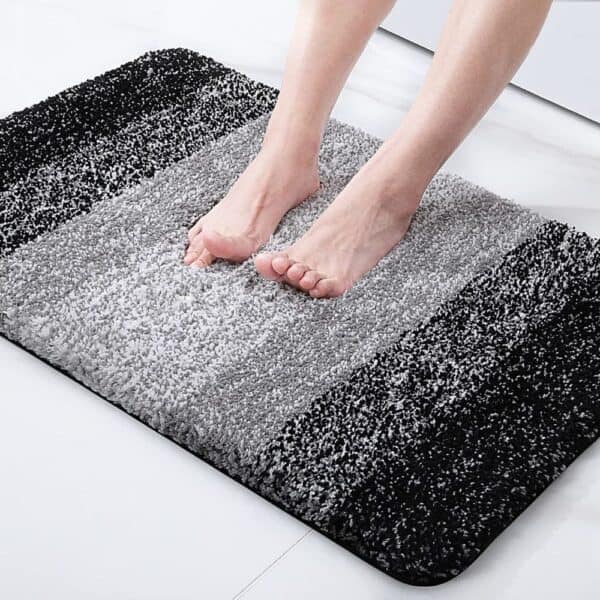
Black And White Bath Mat
Price range: £31.90 through £87.90 -
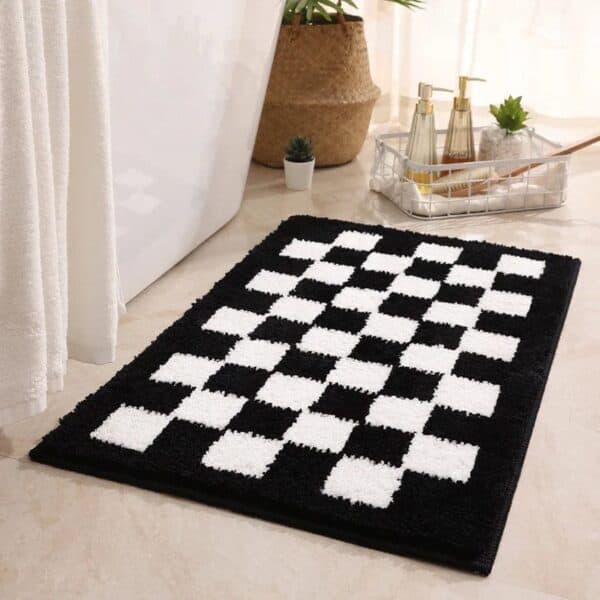
Black And White Checkered Bath Mat
Price range: £33.90 through £47.90 -
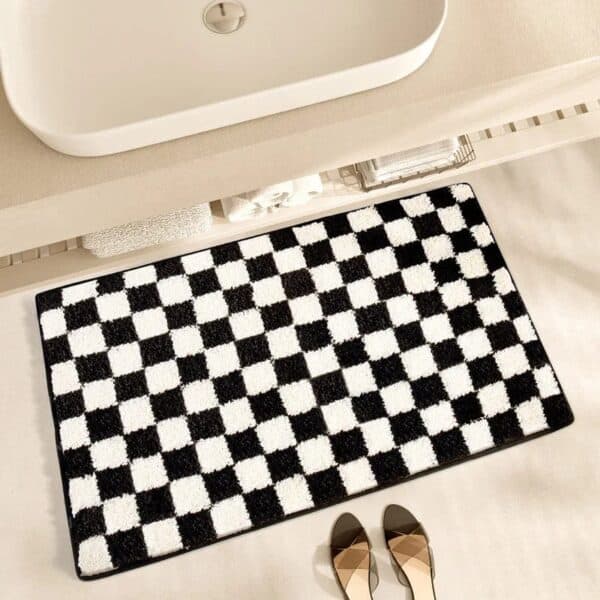
Black And White Geometric Bath Mat
Price range: £39.90 through £51.90 -
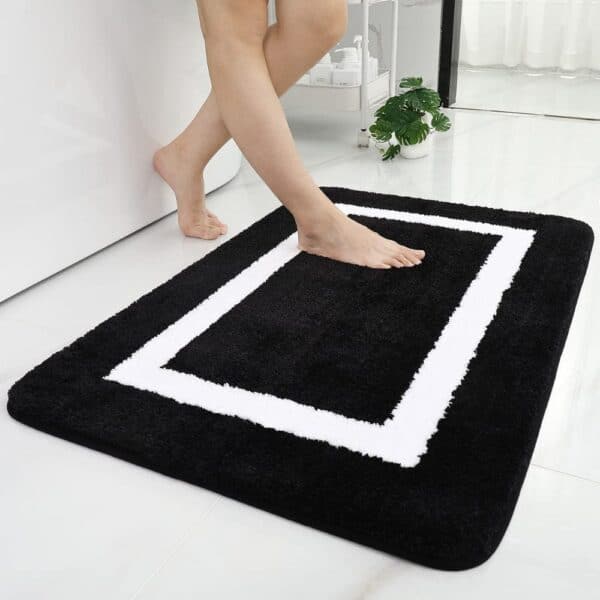
Black And White Modern Bath Mat
Price range: £31.90 through £75.90 -
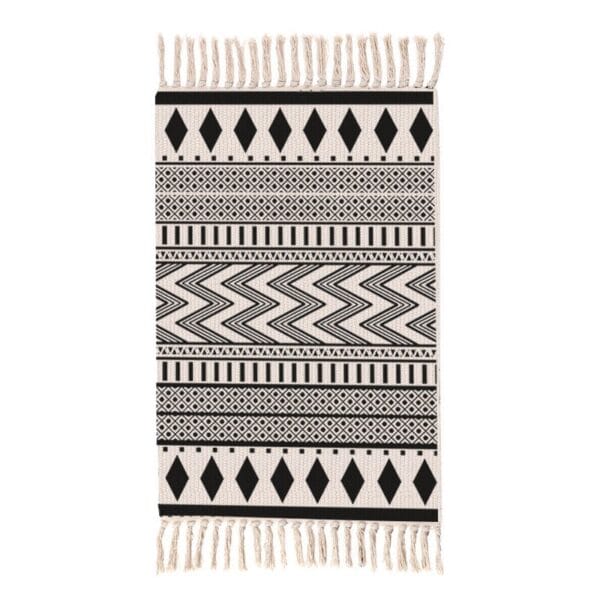
Black And White Patterned Bath Mat
Price range: £47.90 through £63.90 -
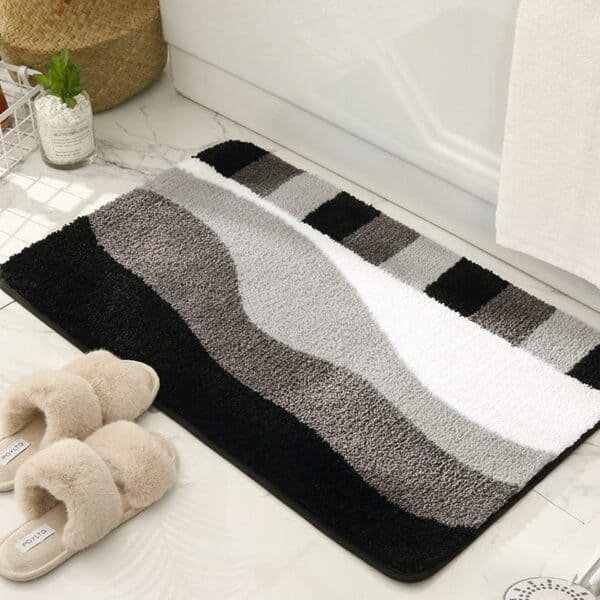
Black White And Grey Bath Mat
Price range: £35.90 through £55.90 -
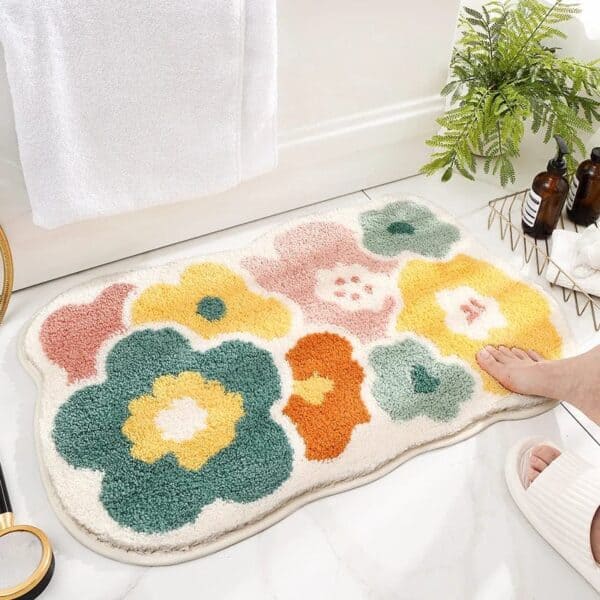
Blue Flower Bath Mat
Price range: £35.90 through £47.90 -
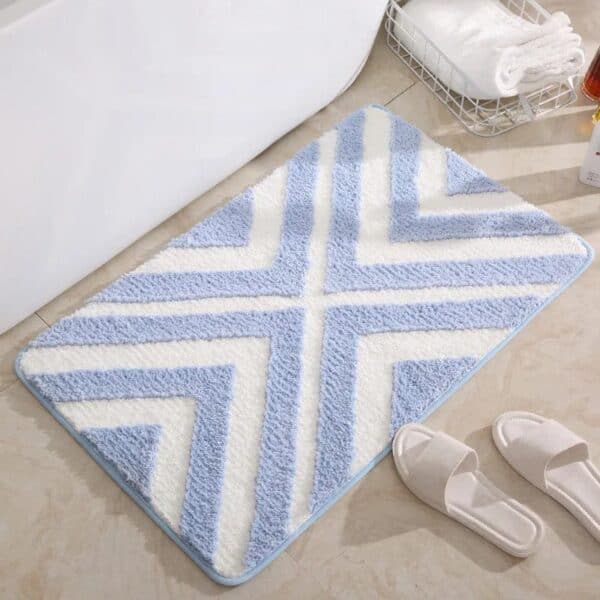
Blue Striped Bath Mat
Price range: £39.90 through £47.90 -
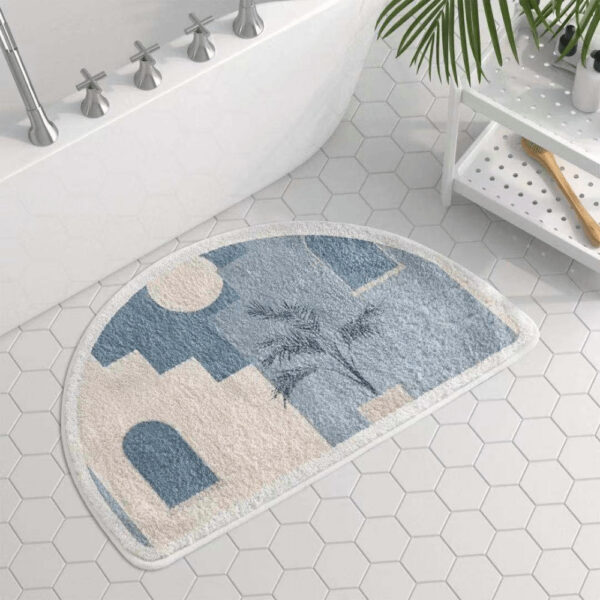
Blue White Bath Mat
Price range: £23.90 through £29.90 -
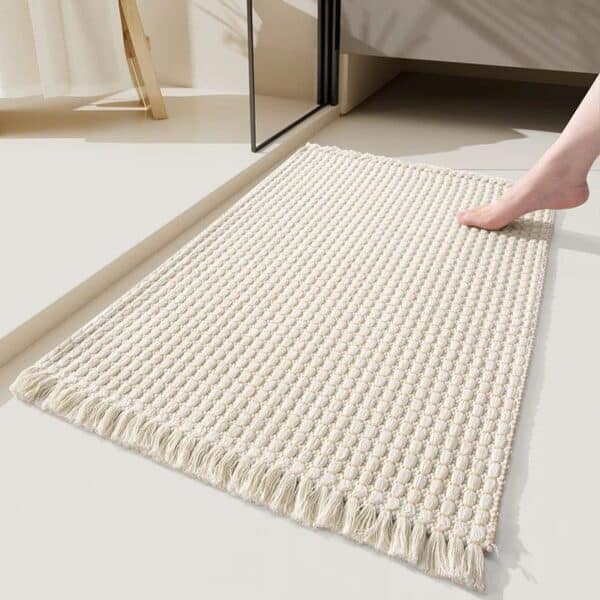
Boho Bath Mat
Price range: £31.90 through £47.90 -
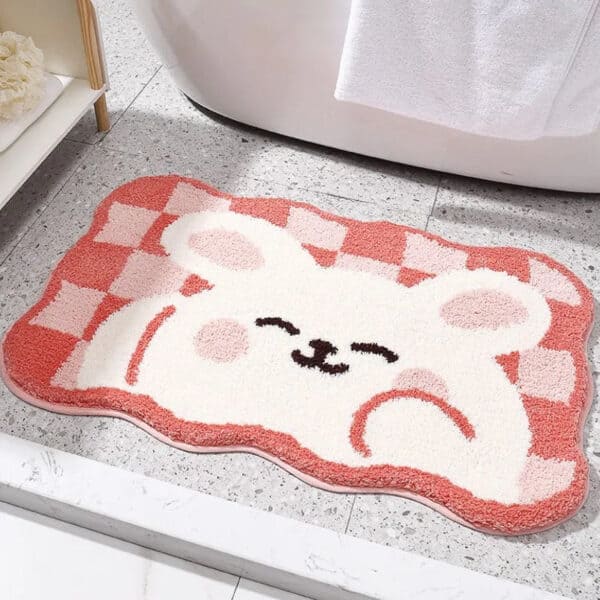
Checkerboard Bath Mat
Price range: £35.90 through £47.90 -
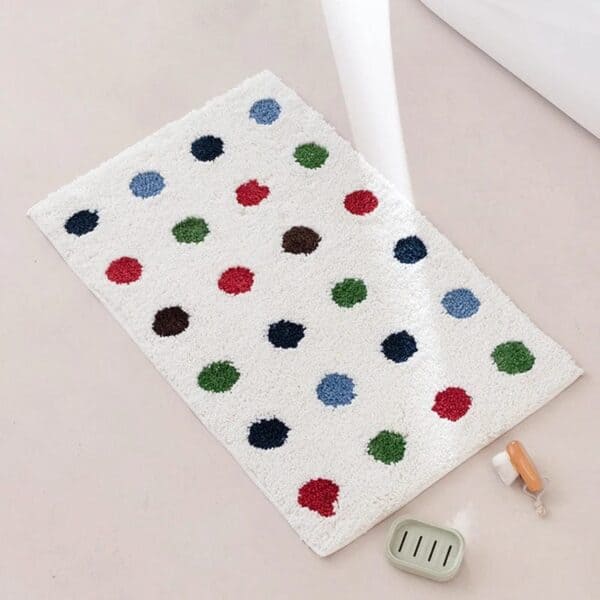
Colourful Bath Mat
£59.90 -
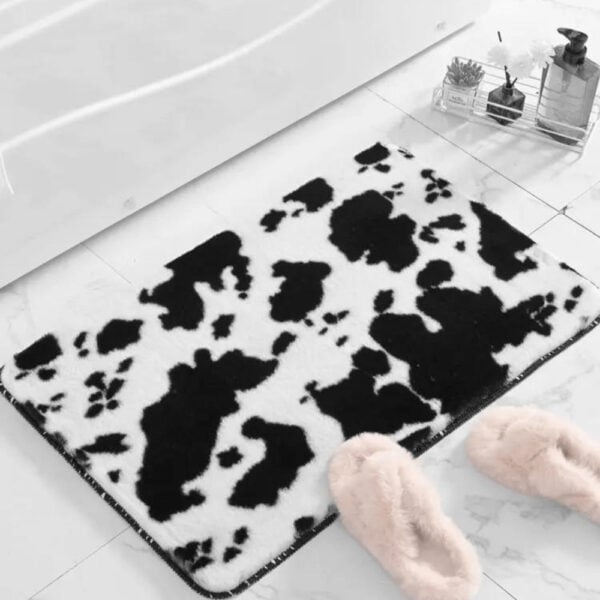
Cow Bath Mat
Price range: £31.90 through £47.90 -
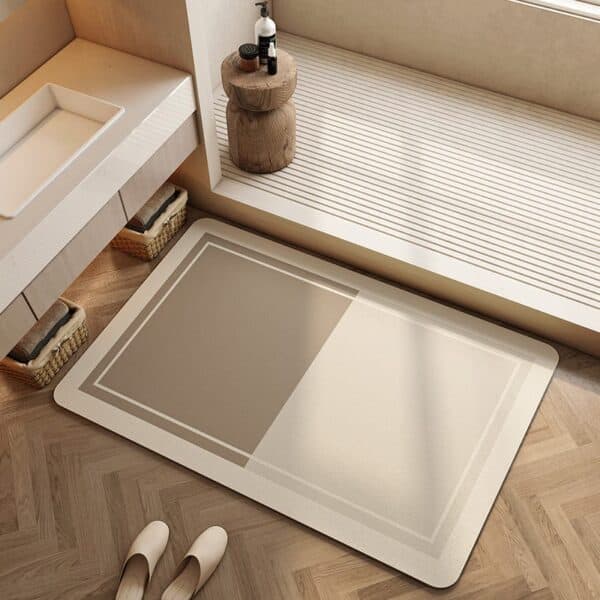
Diatom Bath Mat
Price range: £39.90 through £231.90 -
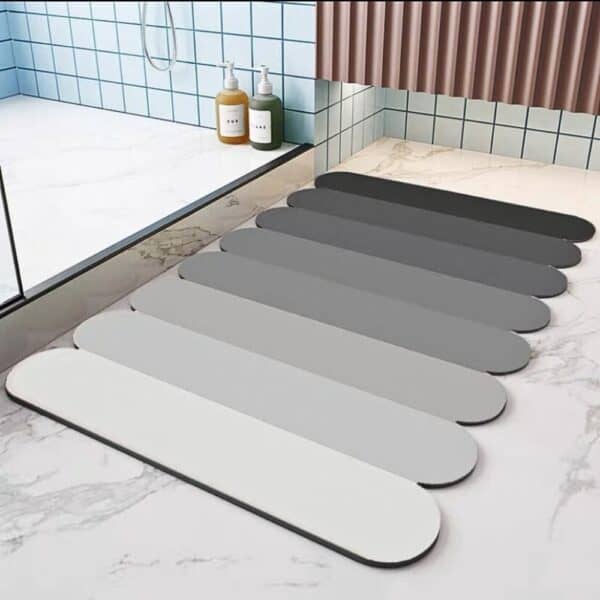
Diatomaceous Absorbent Bath Floor Mat
Price range: £31.90 through £47.90 -
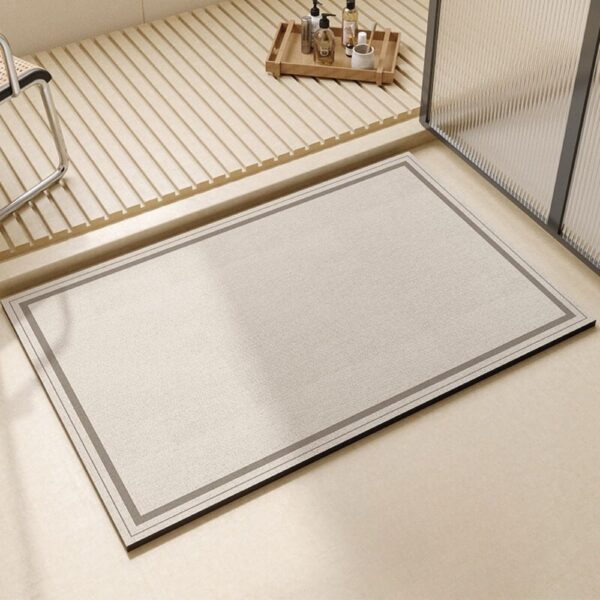
Diatomite Bath Mat Bathroom
Price range: £47.90 through £103.90 -
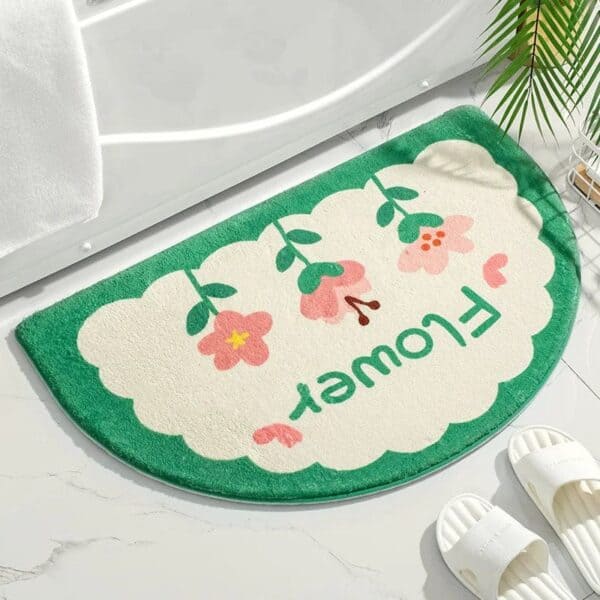
Floral Bath Mat
£23.90 -

Flower Shaped Bath Mat
£45.90 -
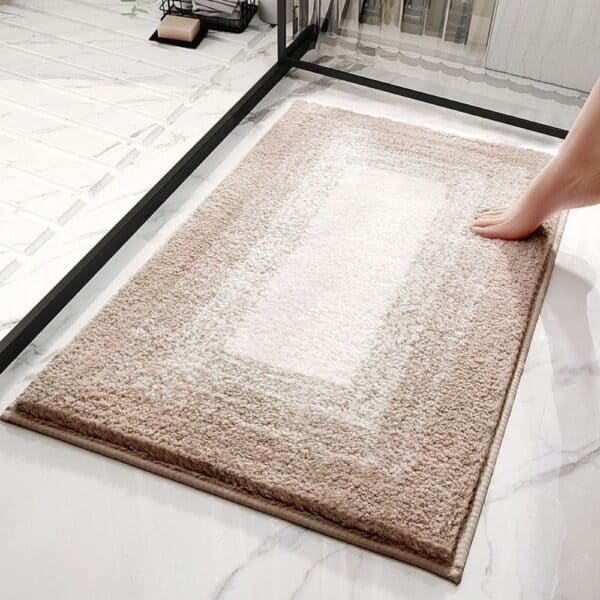
Fluffy White Bath Mat
Price range: £35.90 through £55.90 -

Geometric Bath Mat
£61.90 -

Geometric Print Bath Mat
Price range: £37.90 through £49.90 -

Get Naked Bath Mat Urban
Price range: £47.90 through £55.90 -
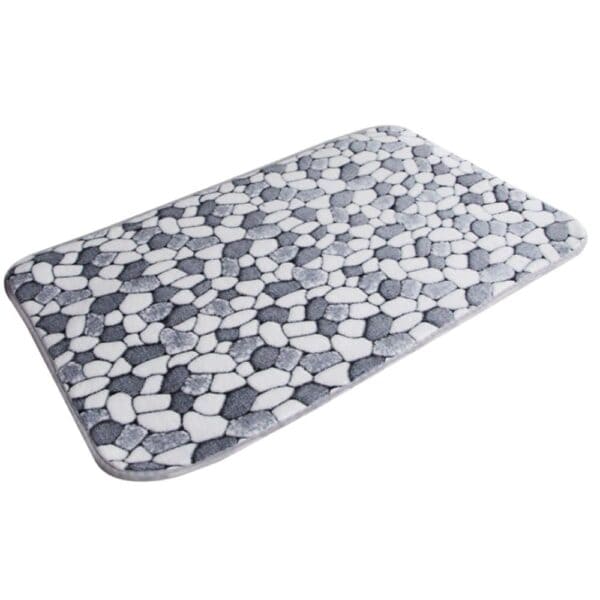
Gray Pebble Bath Mat
£25.90 -
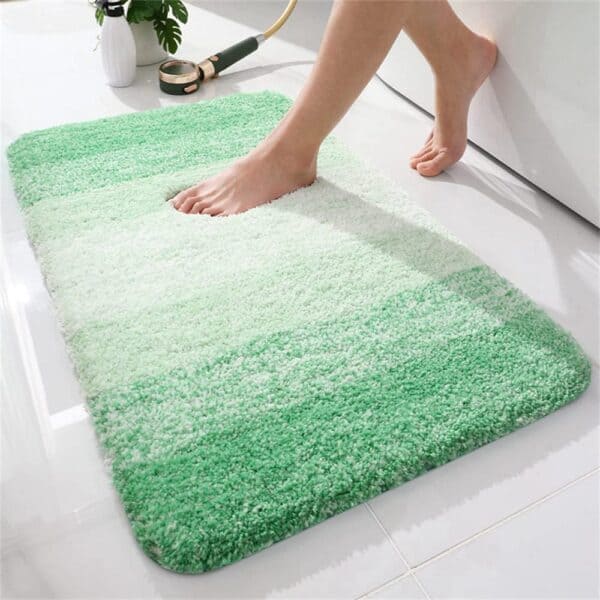
Green White Bath Mat
Price range: £35.90 through £87.90 -
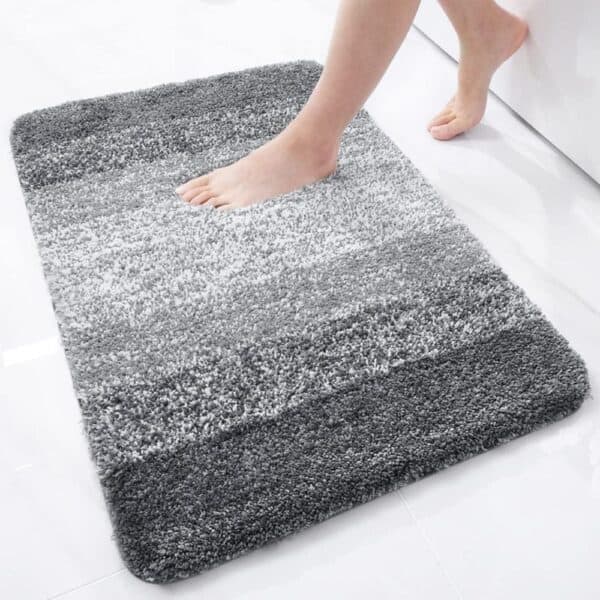
Grey And White Bath Mat
Price range: £31.90 through £79.90 -
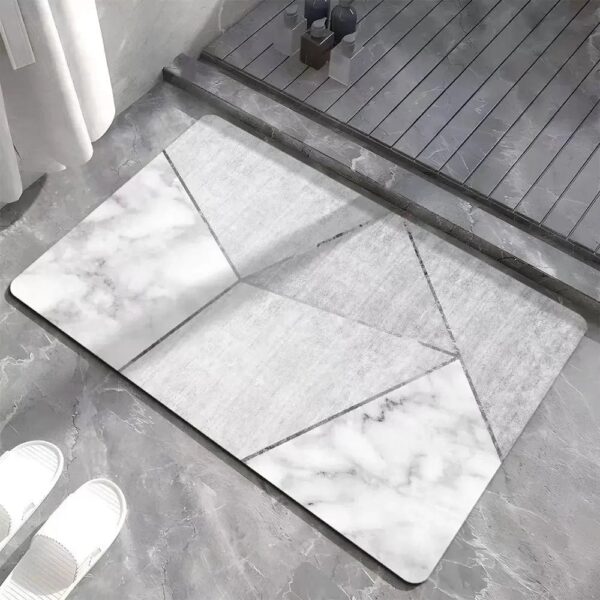
Grey And White Patterned Bath Mat
Price range: £35.90 through £63.90 -

Grey Fluffy Bath Mat
Price range: £23.90 through £35.90 -
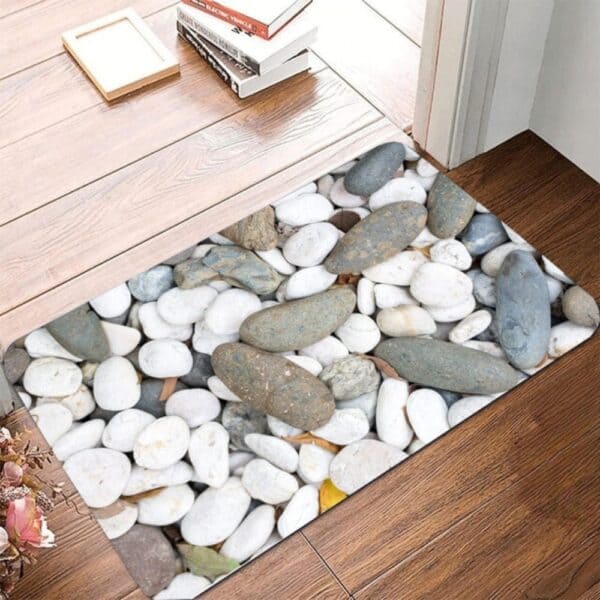
Grey Pebble Bath Mat
Price range: £23.90 through £119.90 -

Grey Striped Bath Mat
Price range: £37.90 through £47.90 -
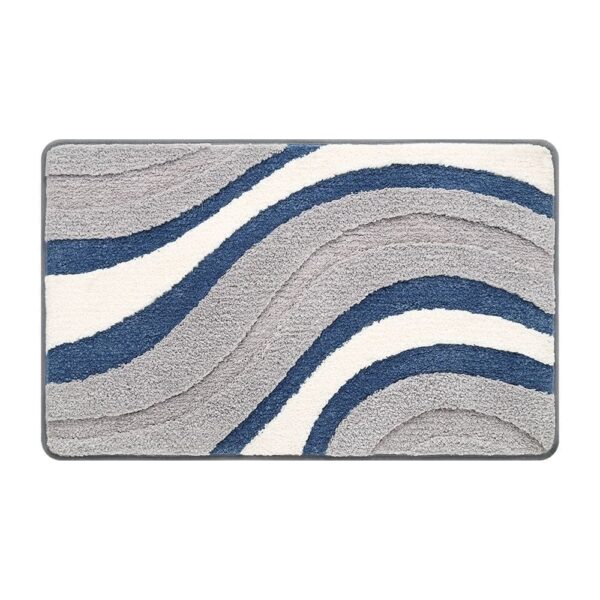
Grey White Bath Mat
Price range: £39.90 through £55.90 -

Kawaii Bath Mat
£21.90 -
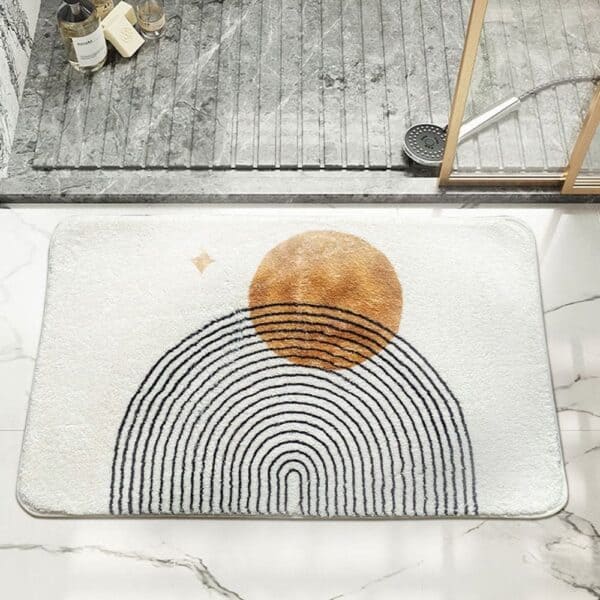
Large Brown Bath Mat
£35.90 -
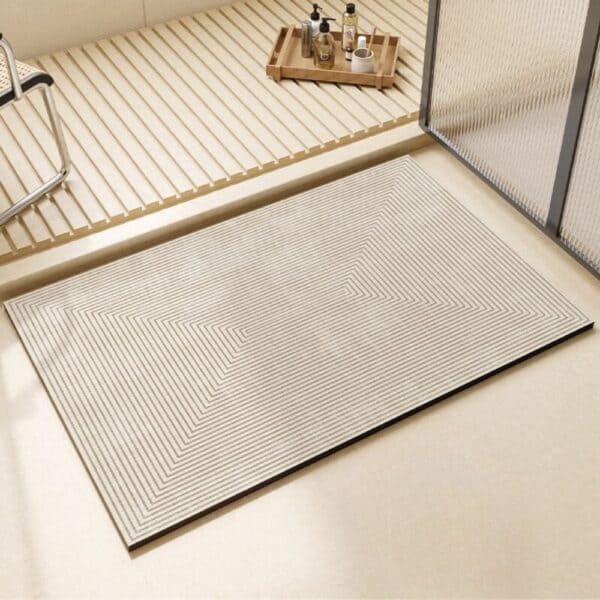
Large Diatomaceous Earth Bath Mat
£103.90 -
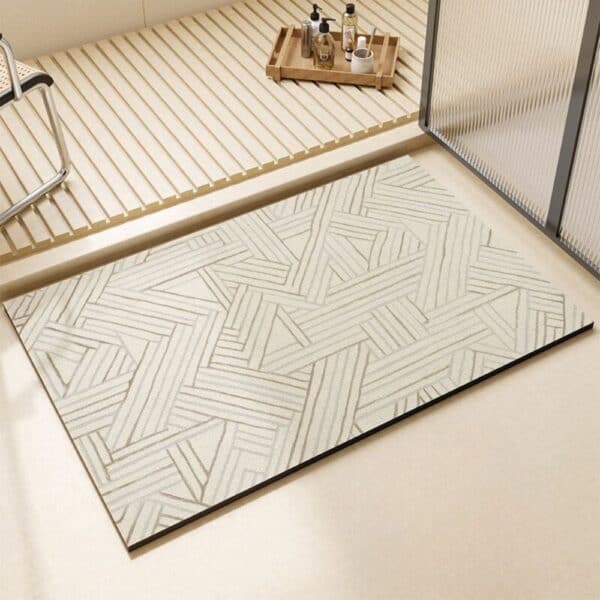
Large Diatomite Bath Mat
Price range: £79.90 through £103.90 -
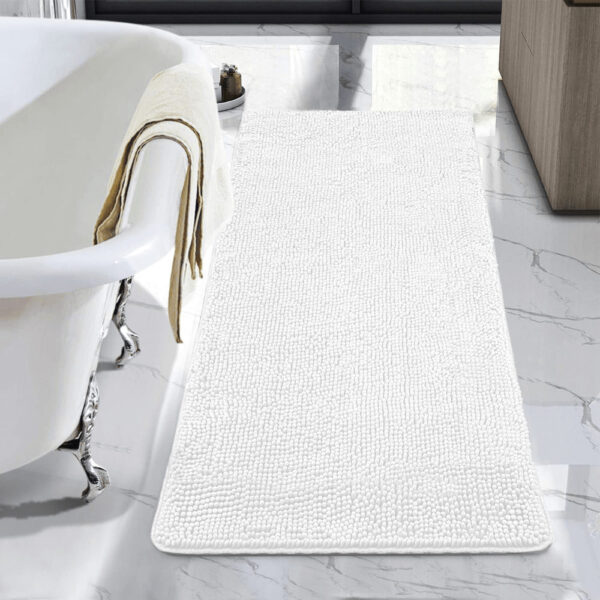
Large White Bath Mat
Price range: £75.90 through £111.90 -
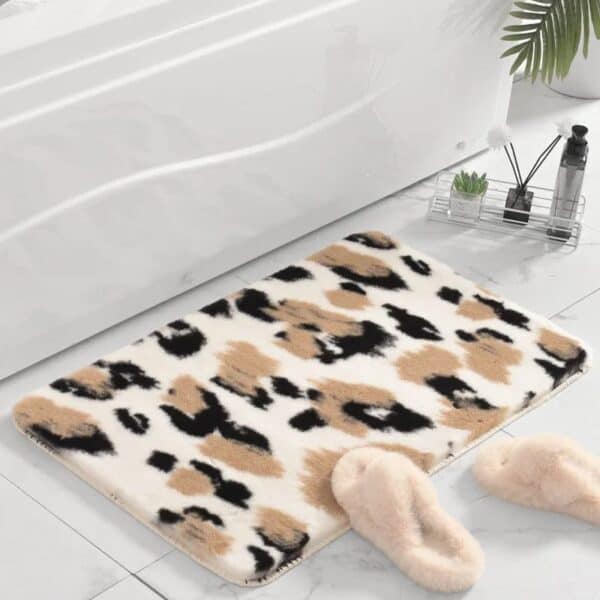
Leopard Print Bath Mat
Price range: £31.90 through £51.90 -

Love Bath Mat
£55.90 -
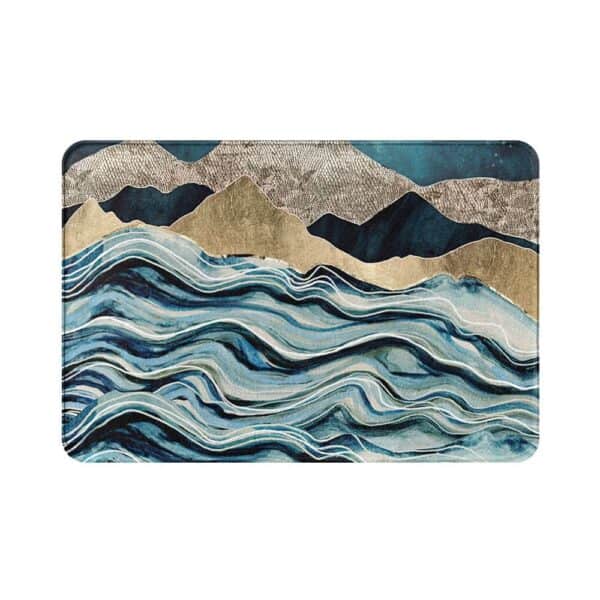
Marble Bath Mat
Price range: £22.90 through £27.90 -
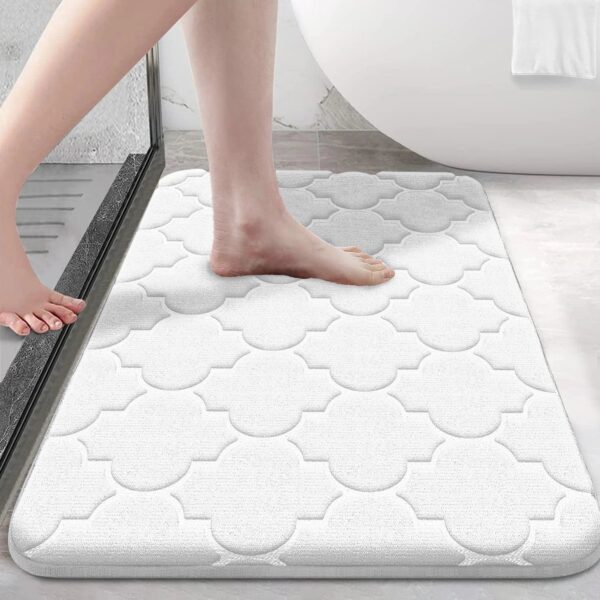
Memory Foam Bath Mat
Price range: £19.90 through £23.90 -
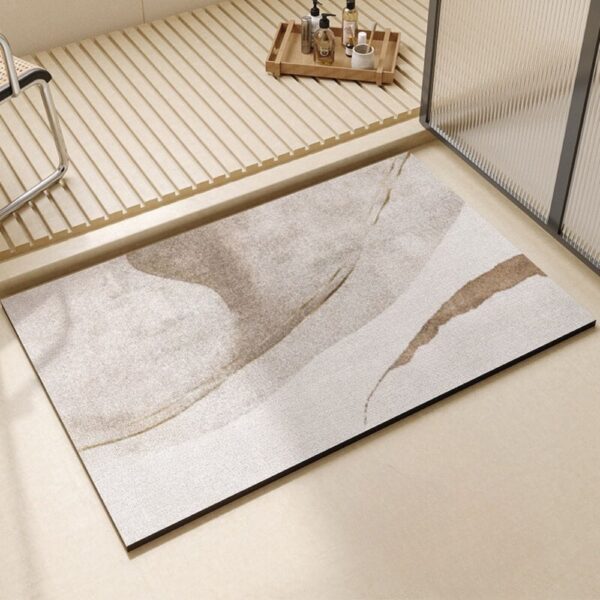
Modern Bath Mat
Price range: £47.90 through £103.90 -
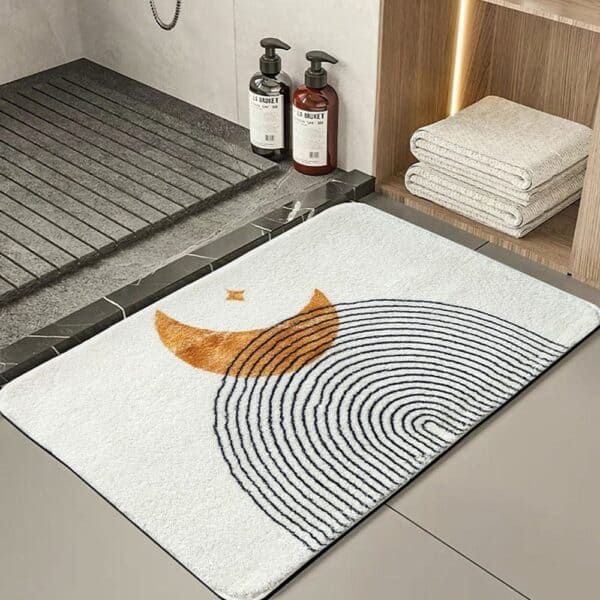
Moon Bath Mat
Price range: £31.90 through £39.90 -
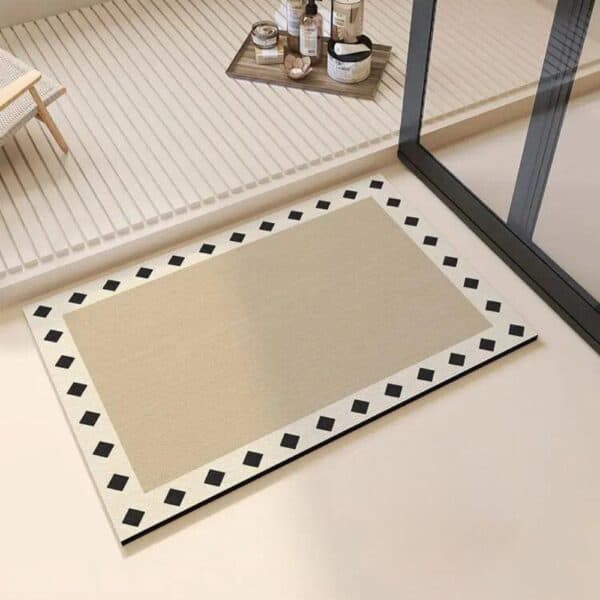
Moonstone Bath Mat Diatomite
Price range: £31.90 through £39.90 -
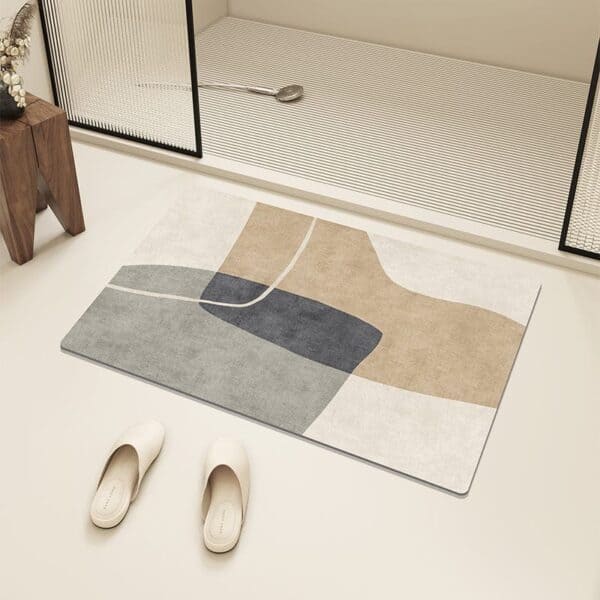
Natural Diatomite Stone Bath Mat
Price range: £39.90 through £231.90 -
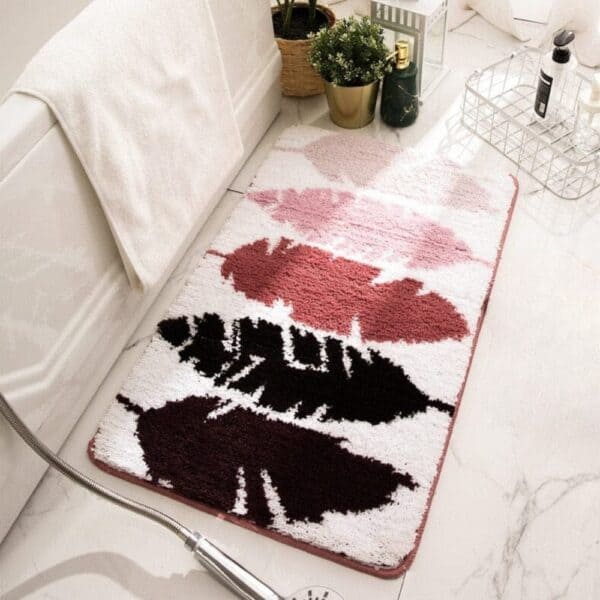
Nature Bath Mat
Price range: £43.90 through £47.90 -
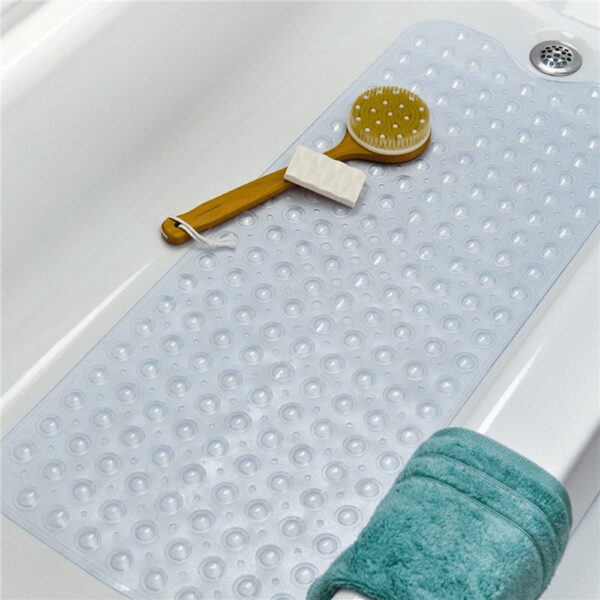
Non Slip Bath Mat For Bathtub
£35.90 -
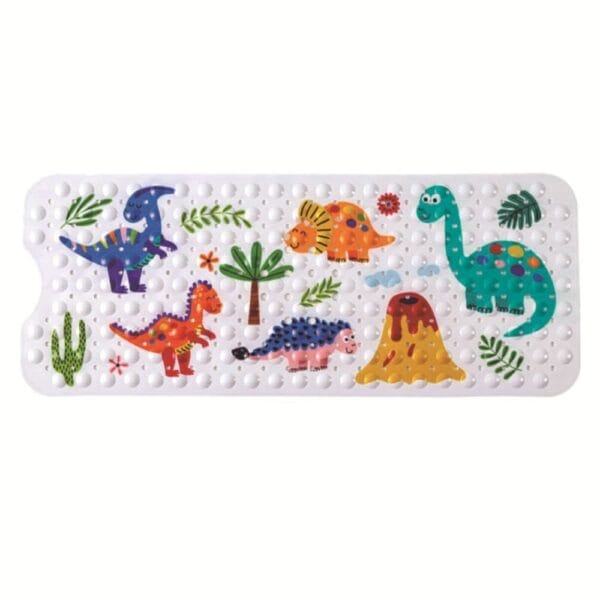
Non Slip Childrens Bath Mat
£39.90 -
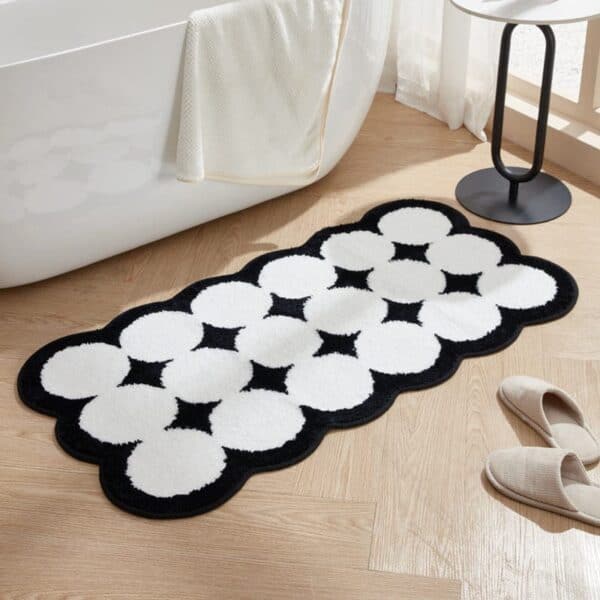
Nordic Bath Mat
Price range: £47.90 through £71.90 -

Pale Pink Bath Mat
£23.90 -
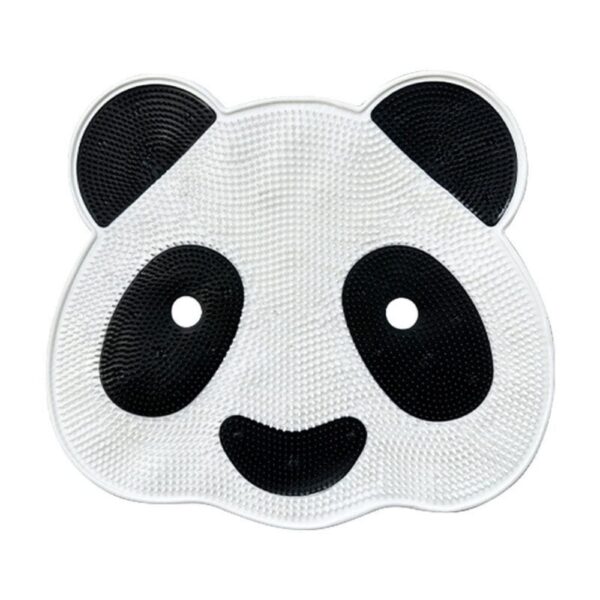
Panda Bath Mat
£31.90 -

Pastel Floral Bath Mat
Price range: £31.90 through £39.90 -
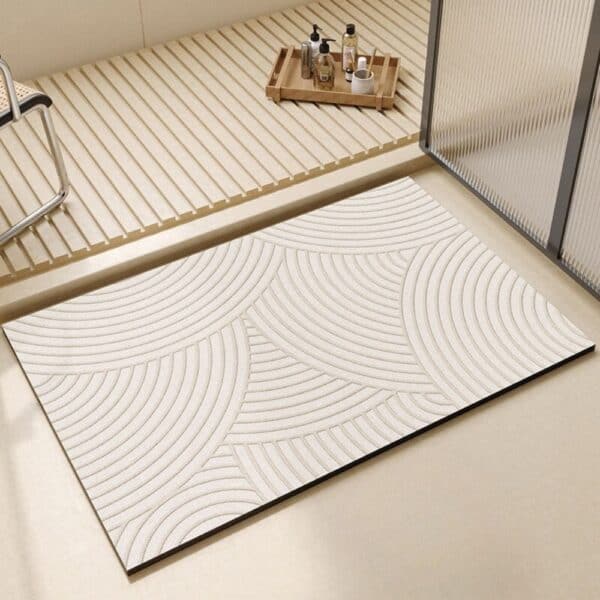
Patterned Bath Mat
Price range: £47.90 through £103.90 -

Peachy Bath Mat
£53.90 -
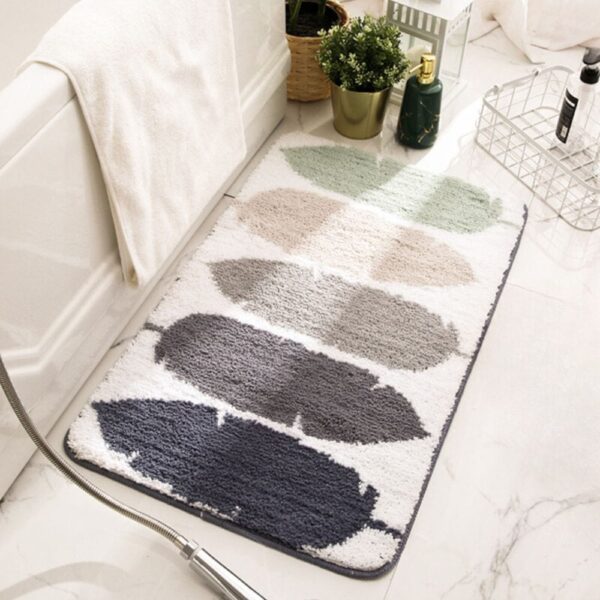
Peacock Bath Mat
Price range: £39.90 through £47.90 -
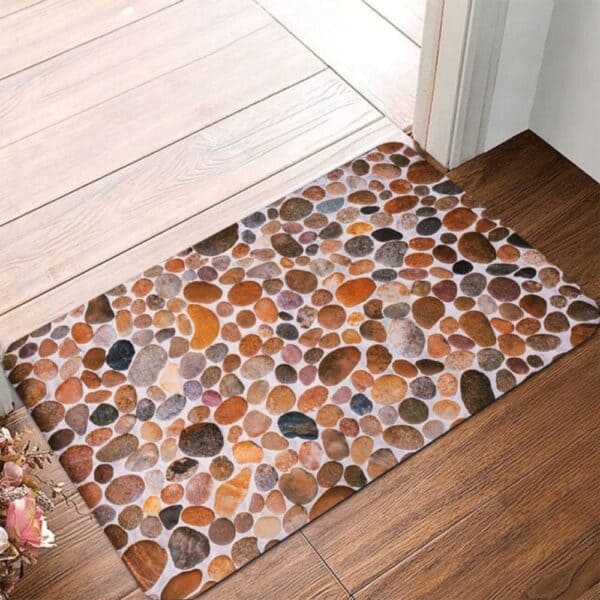
Pebble Bath Mat
Price range: £21.90 through £119.90 -
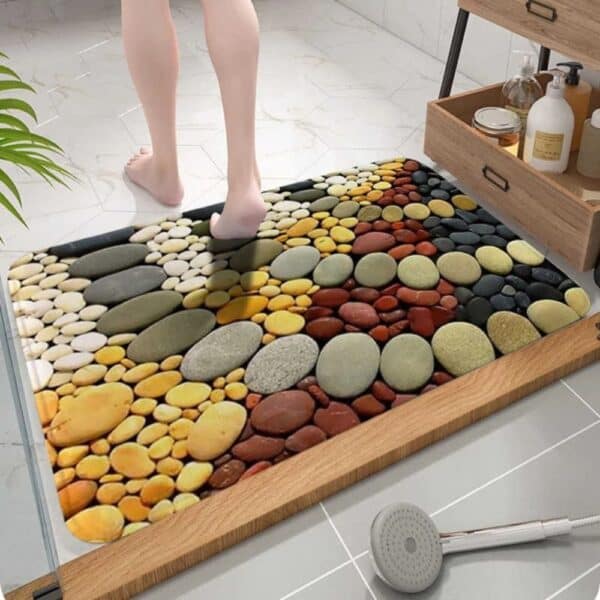
Pebble Effect Bath Mat
Price range: £19.90 through £119.90 -
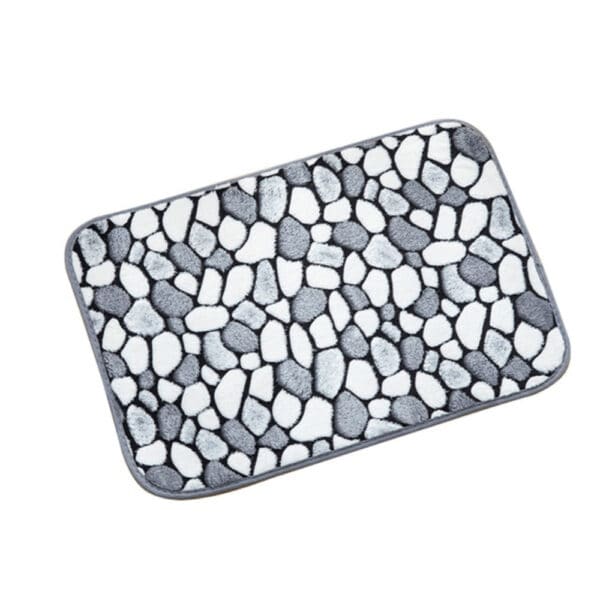
Pebble Grey Bath Mat
Price range: £23.90 through £119.90 -
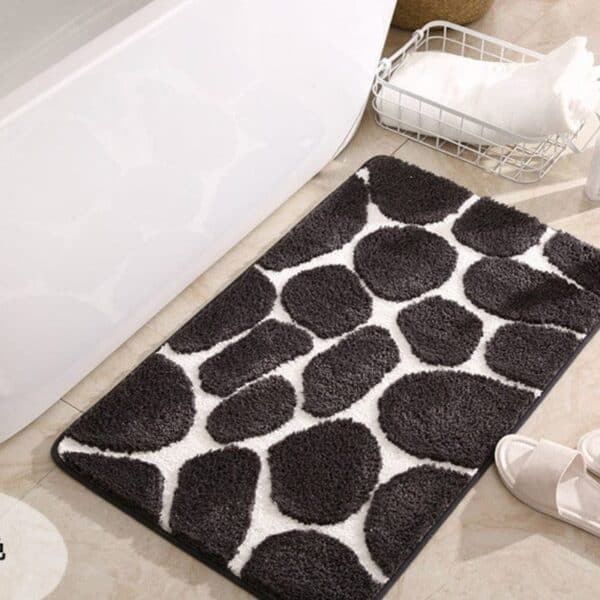
Pebble Memory Foam Bath Mat
Price range: £37.90 through £47.90 -
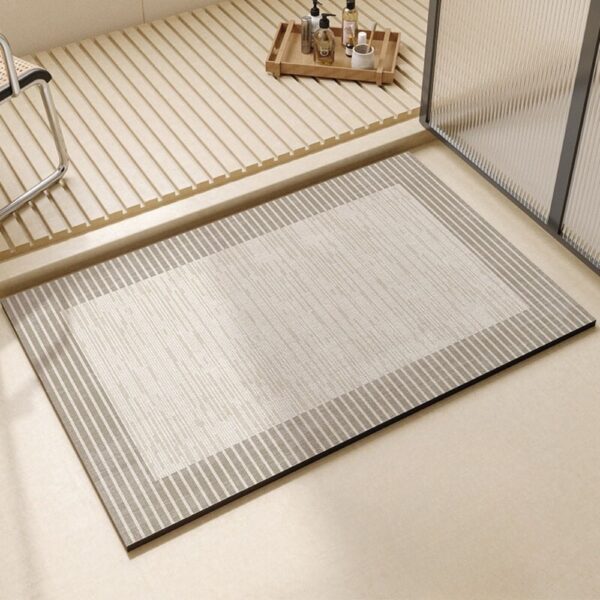
Quick Dry Diatomite Bath Mat
Price range: £47.90 through £95.90 -
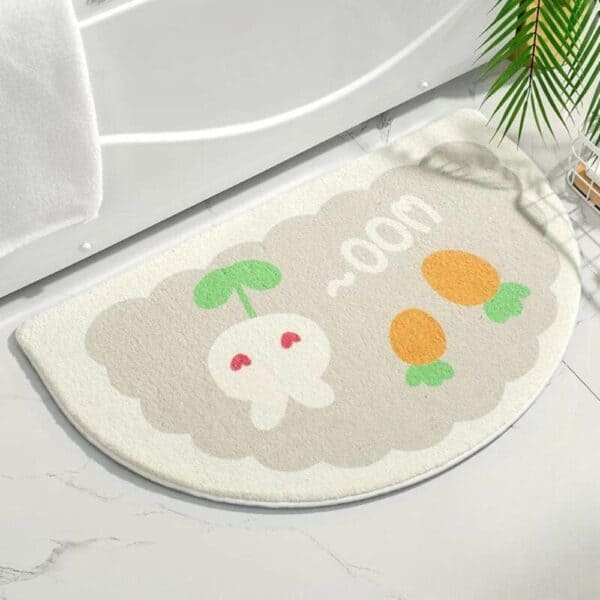
Rabbit Bath Mat
£23.90 -

Round Bath Mat
Price range: £47.90 through £55.90 -

Scandi Bath Mat
Price range: £39.90 through £47.90 -

Semi Circular Bath Mats
Price range: £25.90 through £35.90 -

Semicircle Bath Mat
Price range: £35.90 through £43.90 -
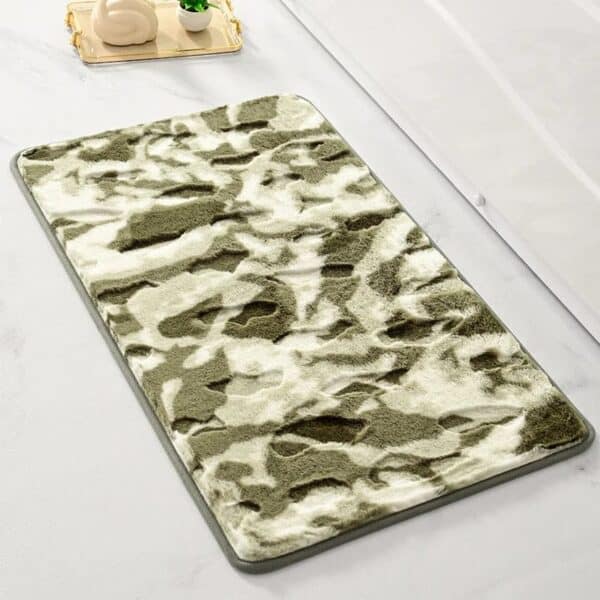
Shaggy Bath Mat
Price range: £35.90 through £51.90 -

Small Chenille Bath Mat
Price range: £23.90 through £35.90 -
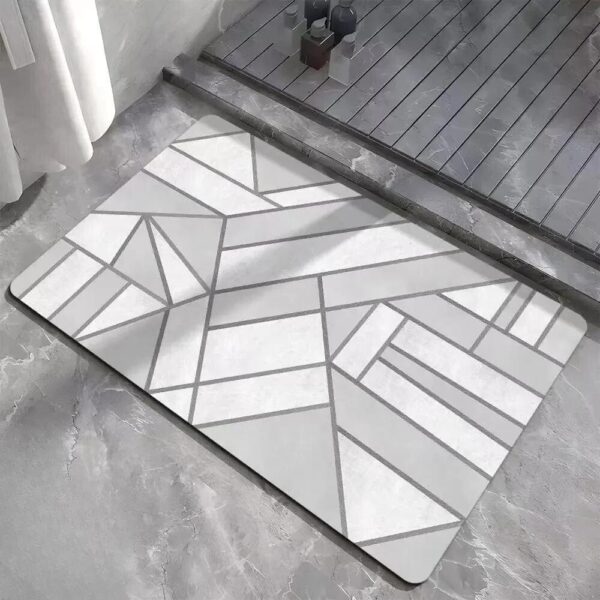
Small Grey Bath Mat
Price range: £35.90 through £61.90 -
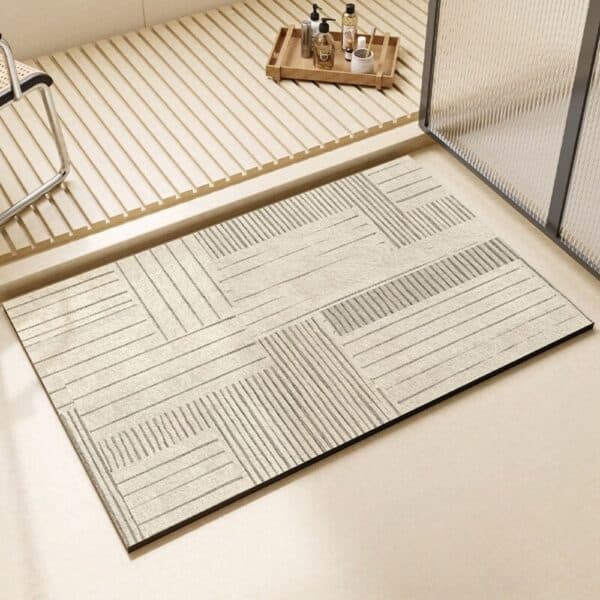
Soft Diatomite Bath Mat
Price range: £47.90 through £103.90 -

Step Out Bath Mat
Price range: £23.90 through £47.90 -
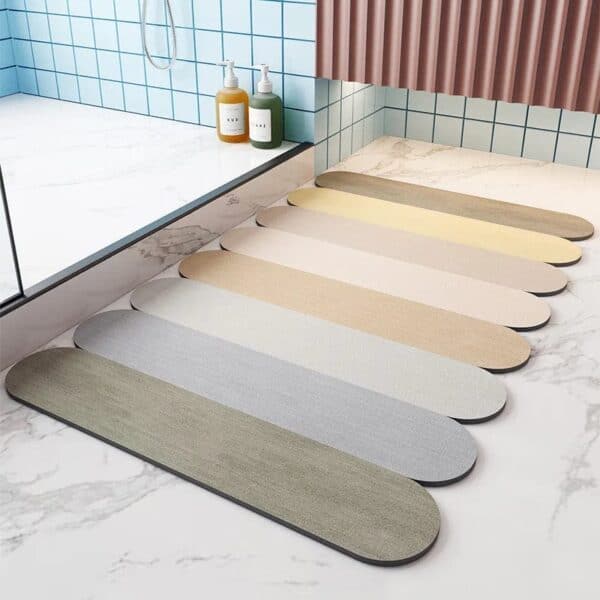
Stone Diatomite Bath Mat
Price range: £27.90 through £47.90 -

Strawberry Bath Mat
Price range: £35.90 through £71.90 -

Super Thick Bath Mat
Price range: £31.90 through £43.90 -

Teddy Bear Bath Mat
Price range: £43.90 through £55.90 -
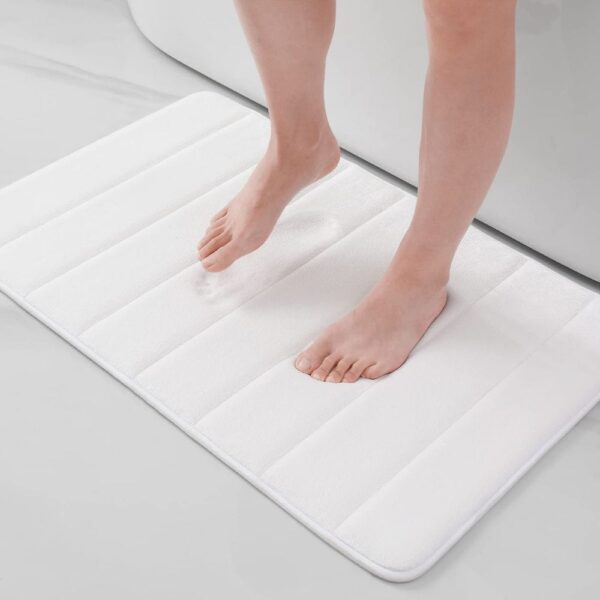
Thick Bath Mat
£63.90 -

Thick White Bath Mat
Price range: £29.90 through £91.90 -

Tiger Bath Mat
£47.90 -

Tiger Print Bath Mat
Price range: £63.90 through £75.90 -

Tile Bath Mat
Price range: £31.90 through £39.90 -
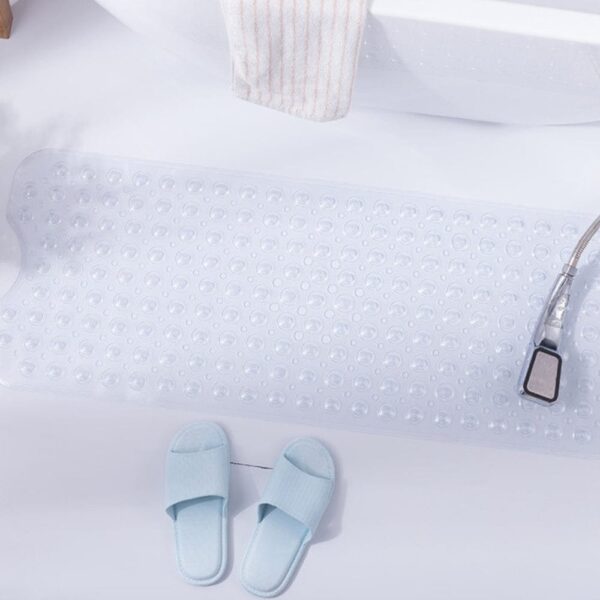
Transparent Bath Mat
£35.90 -

Ultimate Bath Mat
£55.90 -

Vinyl Bath Mat
Price range: £45.90 through £231.90 -
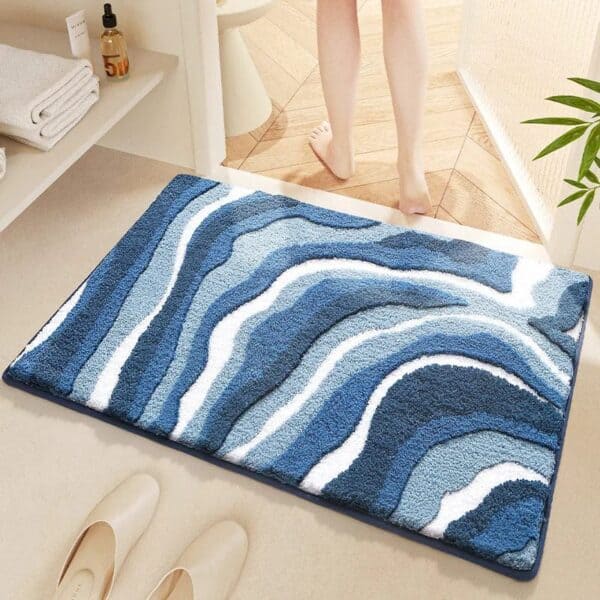
Wave Mat For Bath
Price range: £37.90 through £45.90 -

White And Black Bath Mat
Price range: £50.90 through £71.90 -
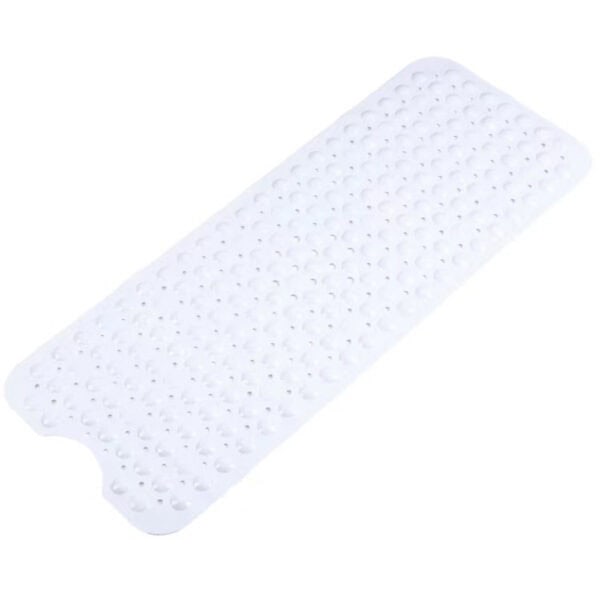
White Bath Mat
£35.90
×