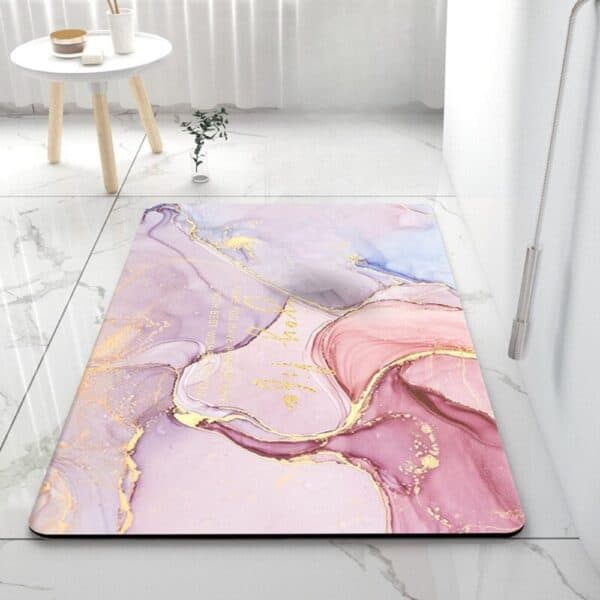
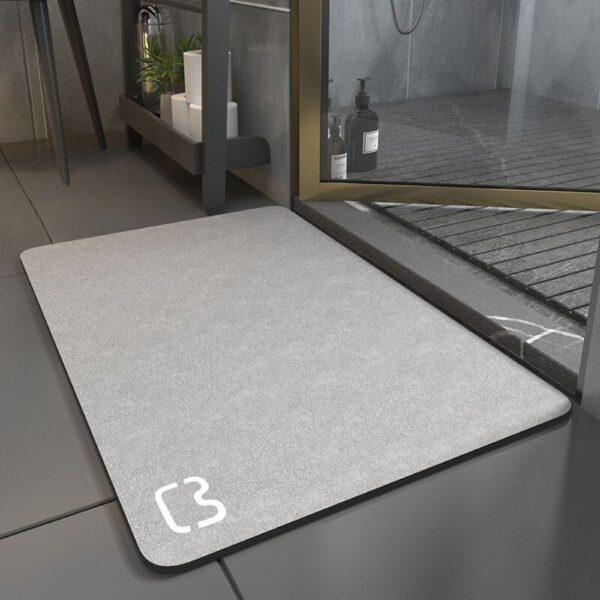
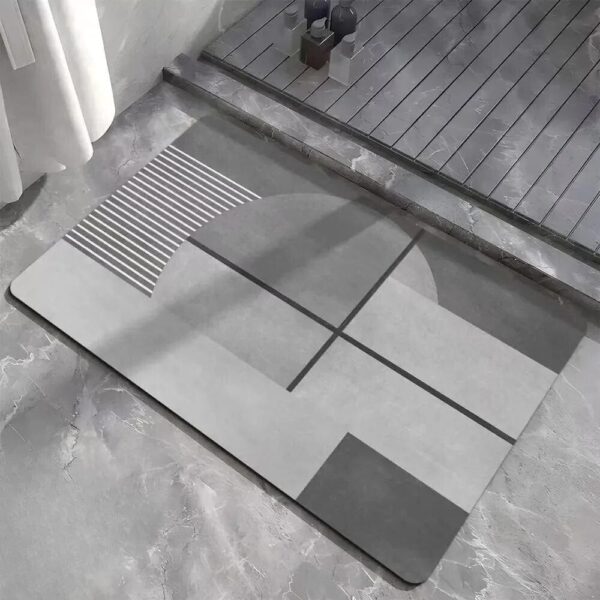
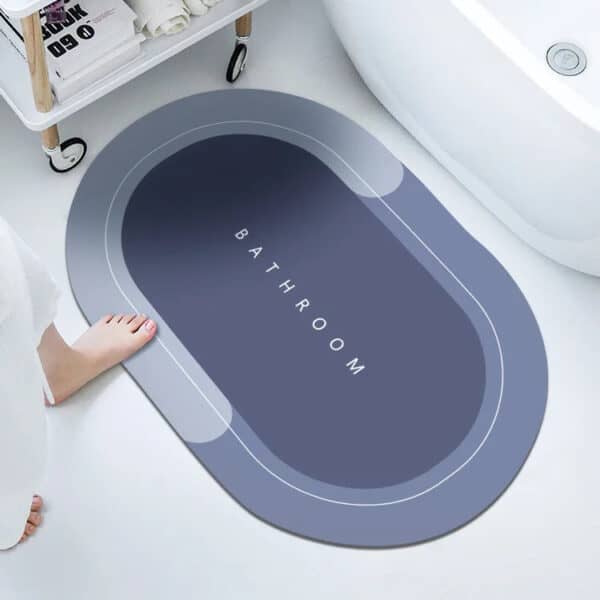
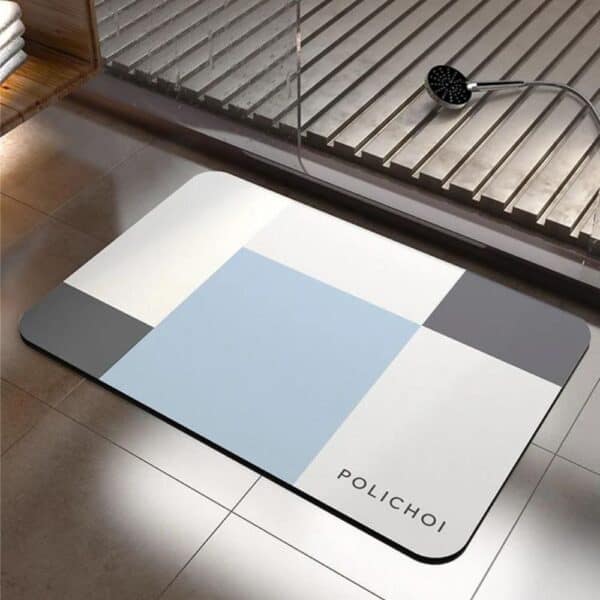
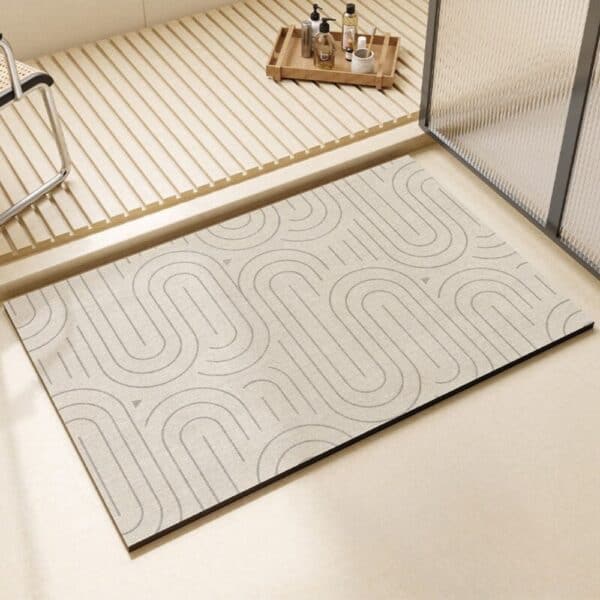
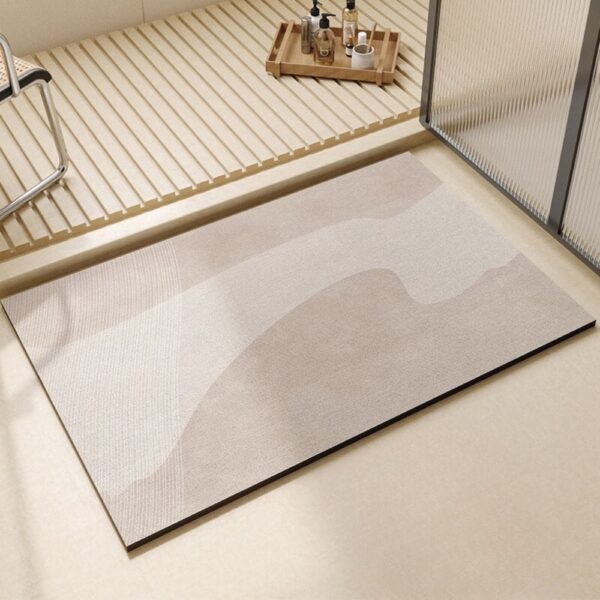
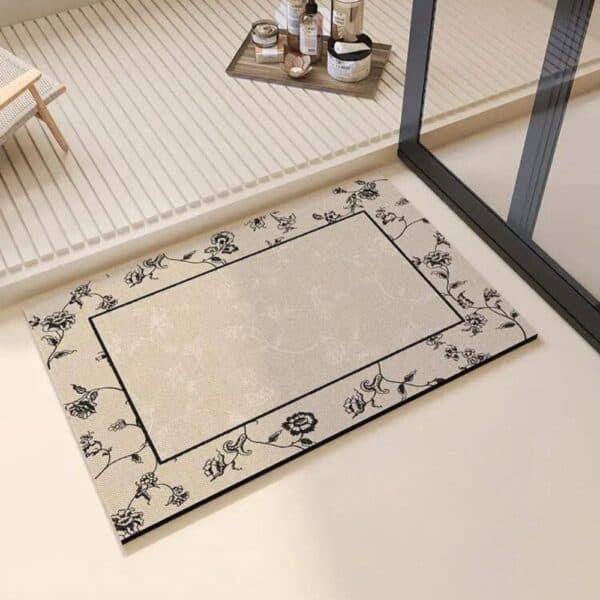
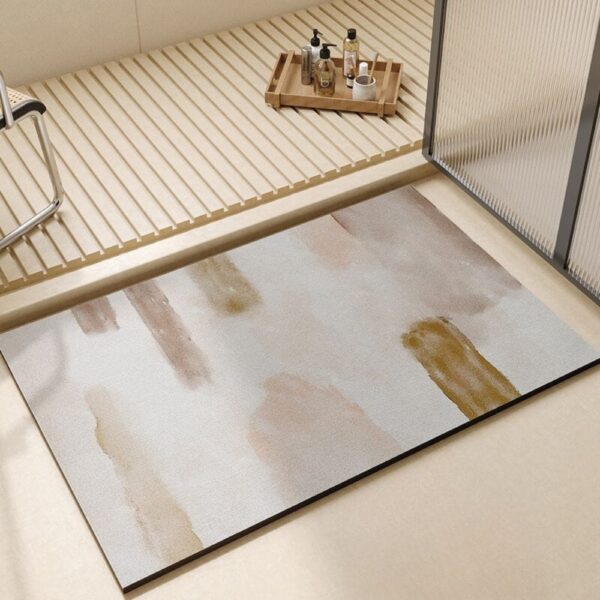
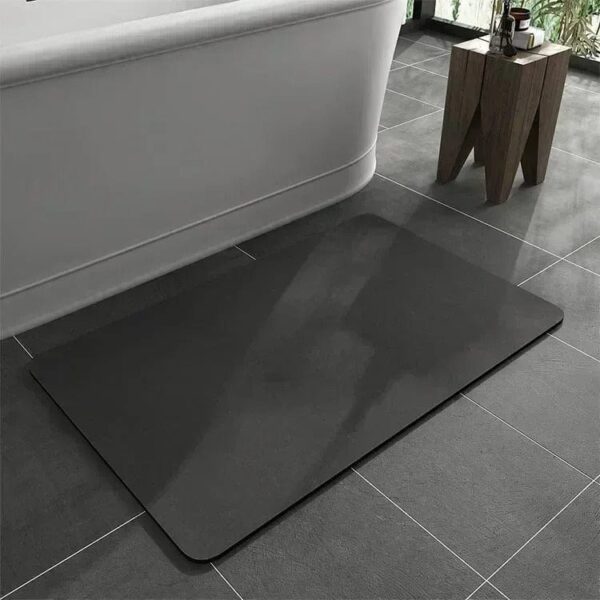
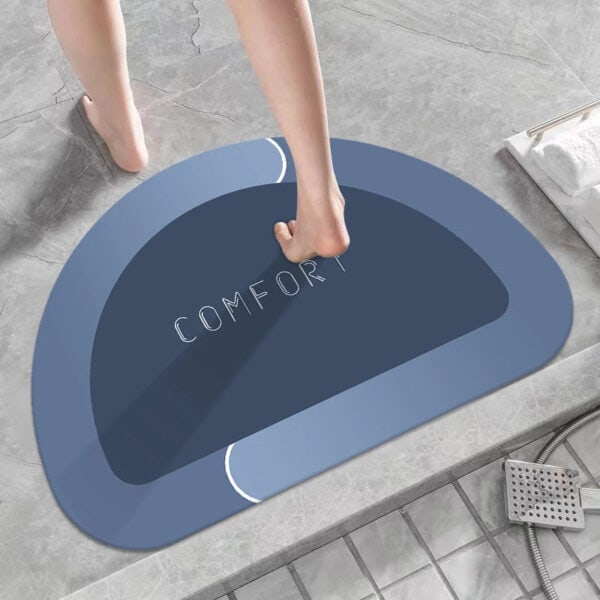
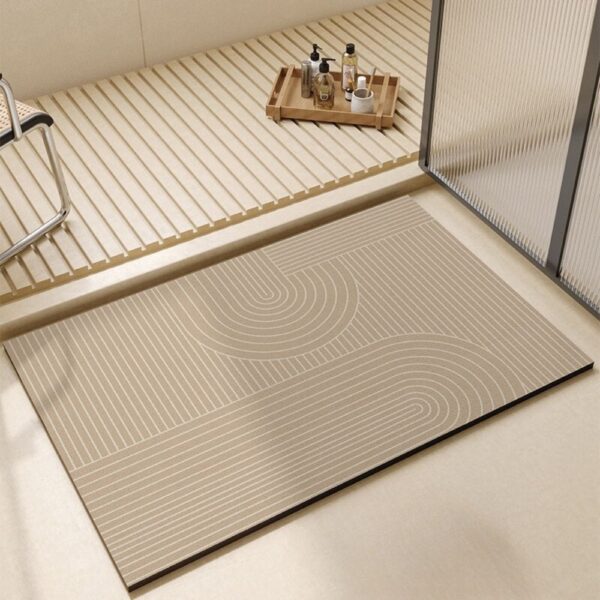
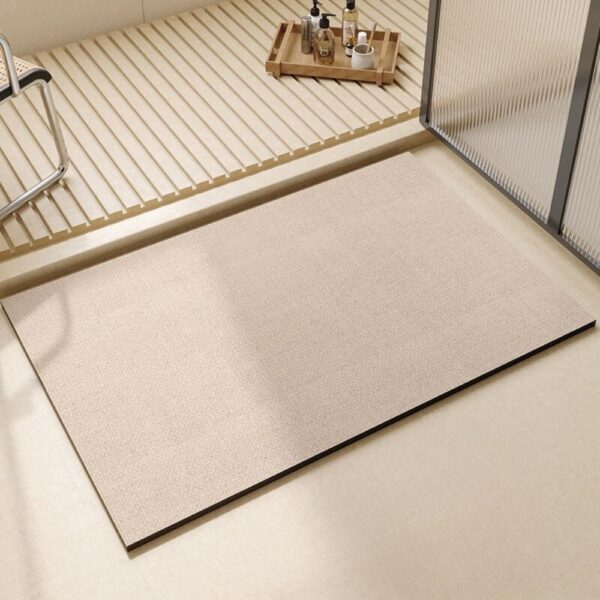
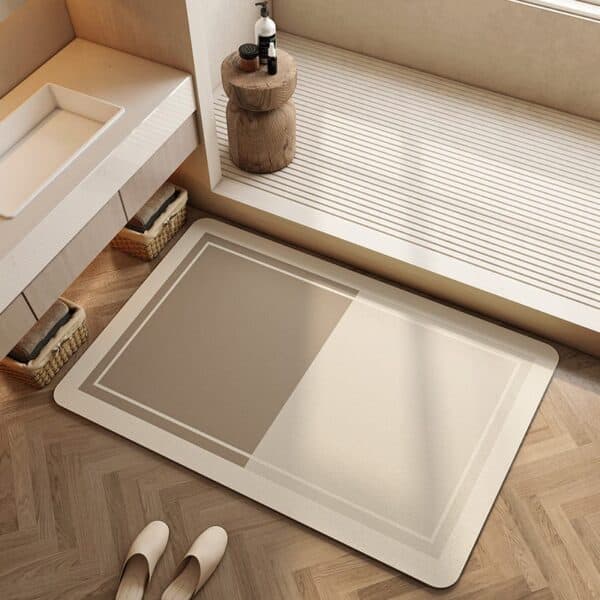
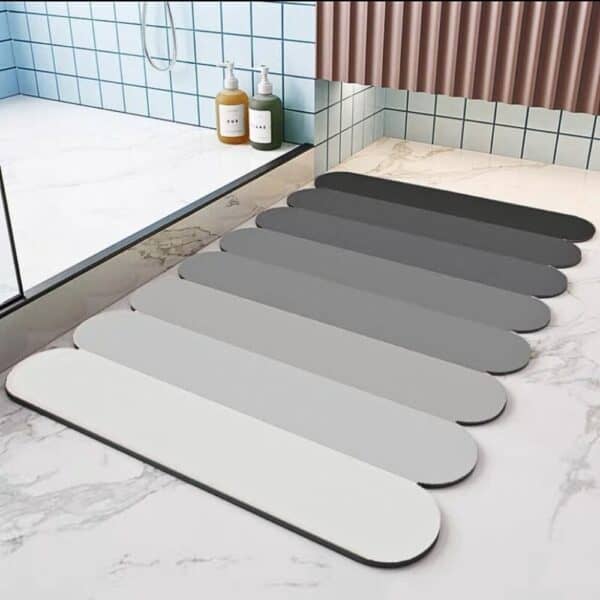
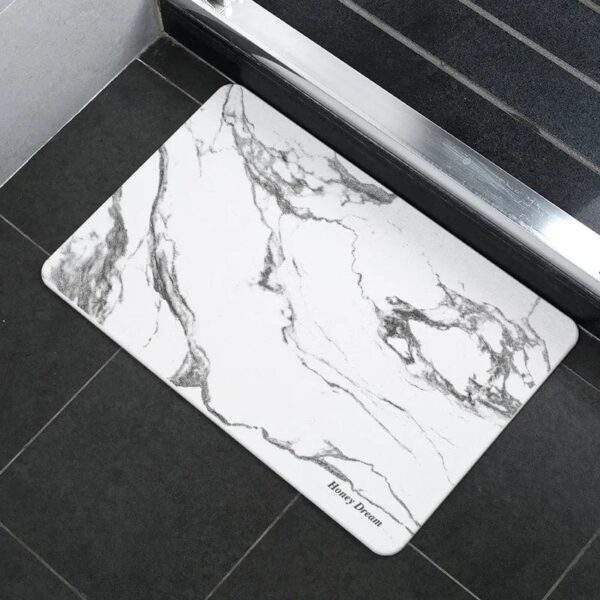
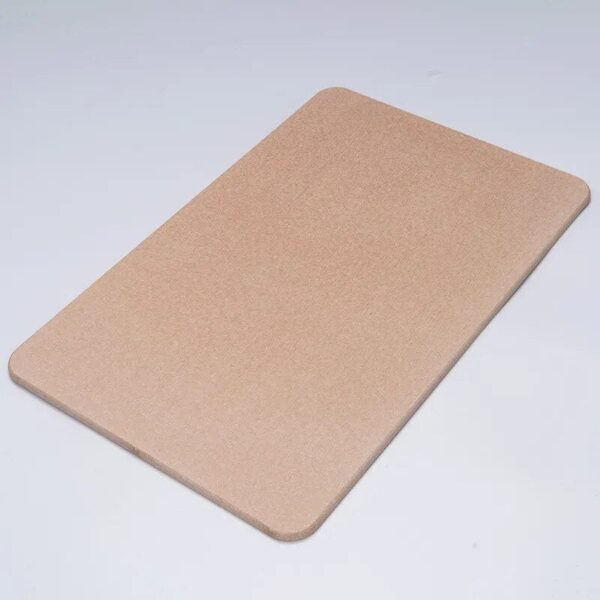
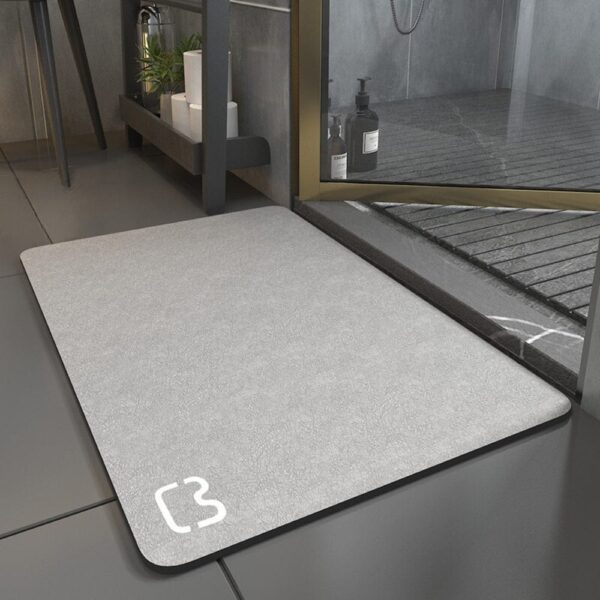
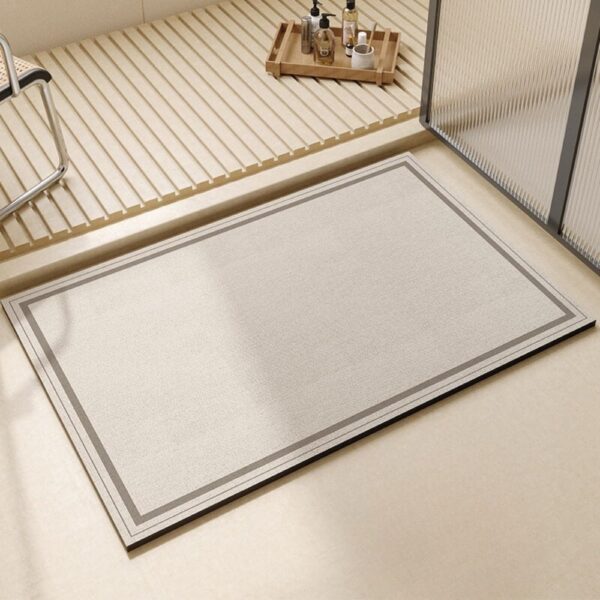
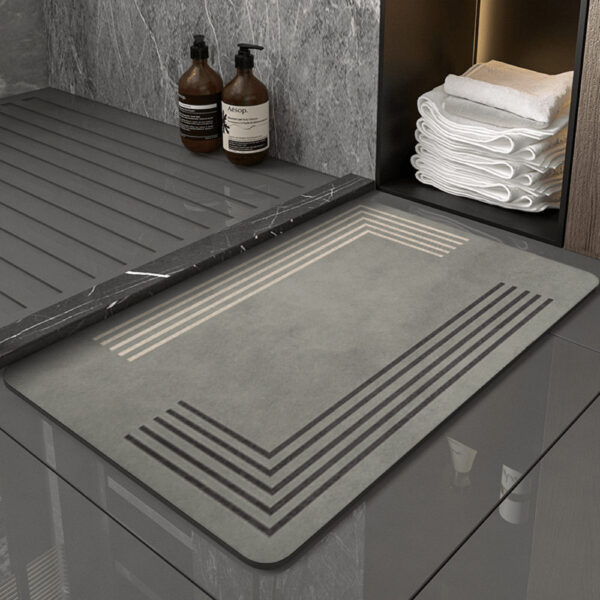
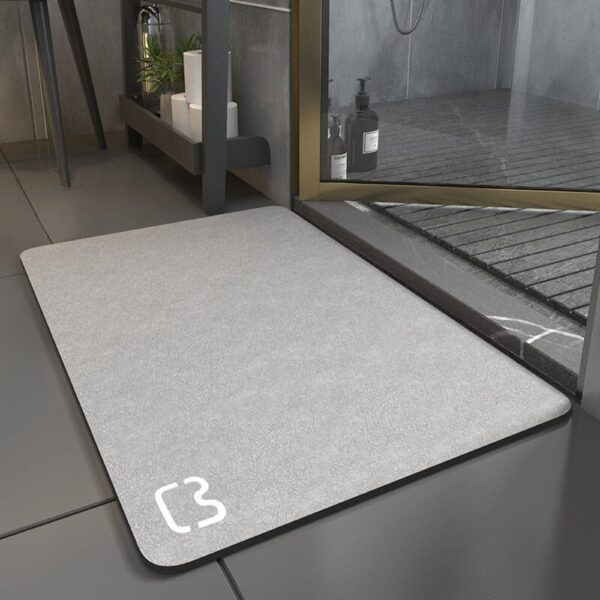
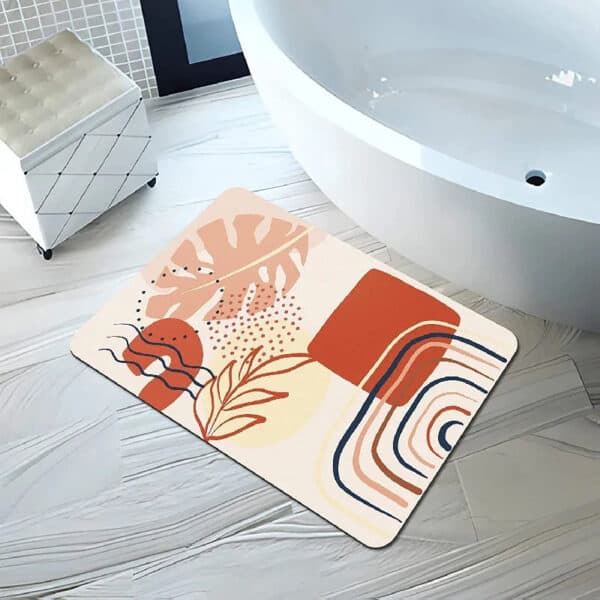
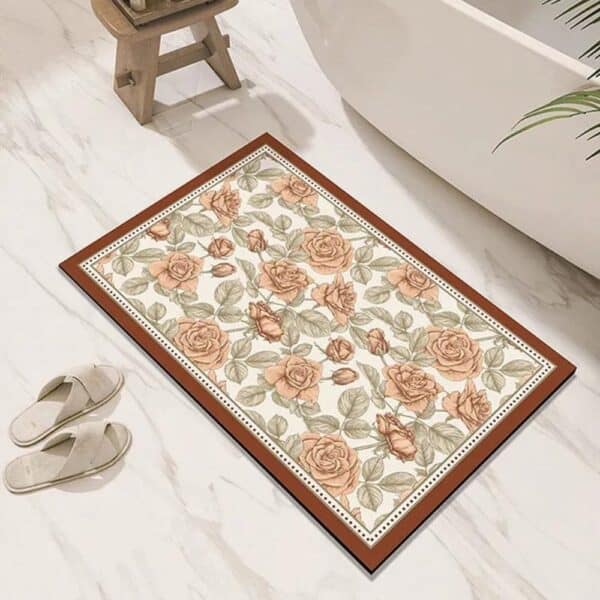
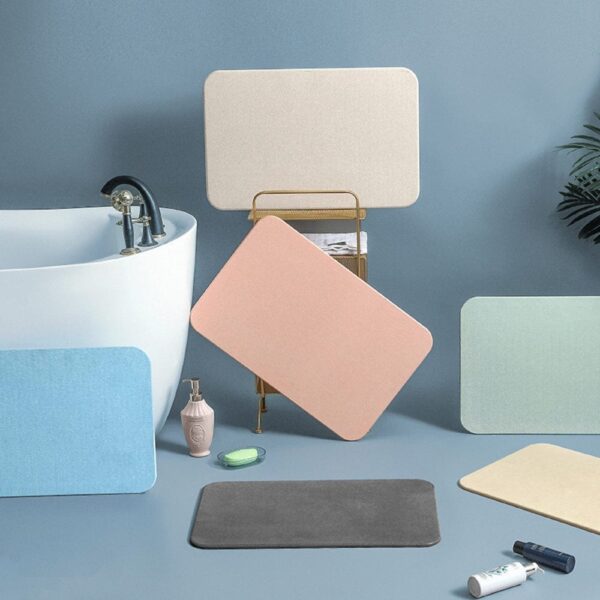
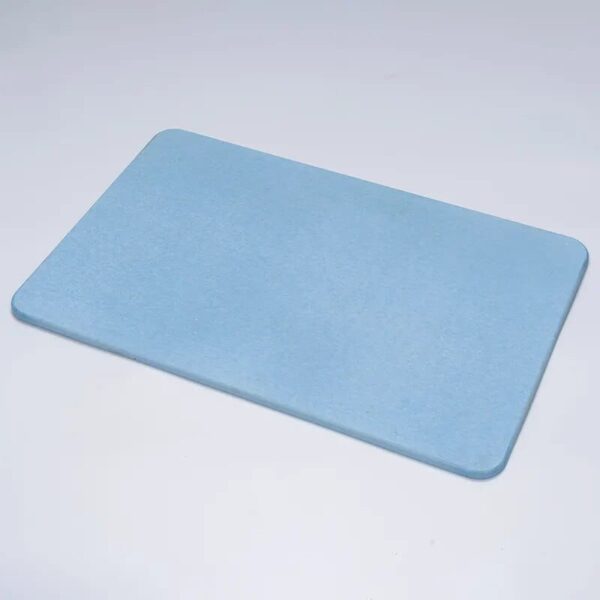
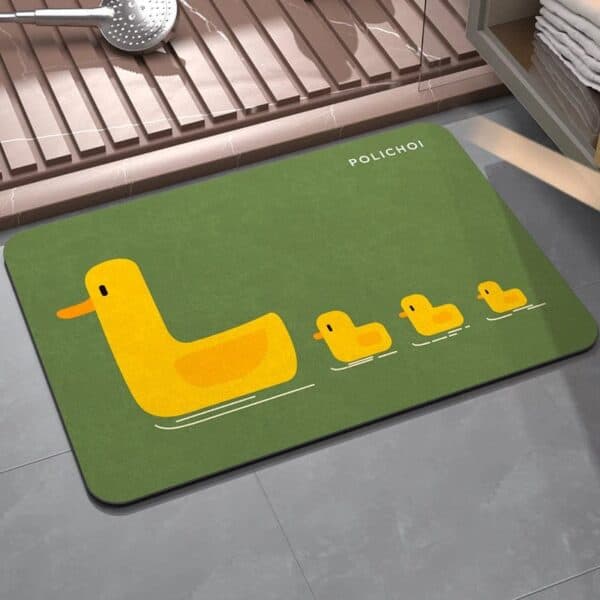
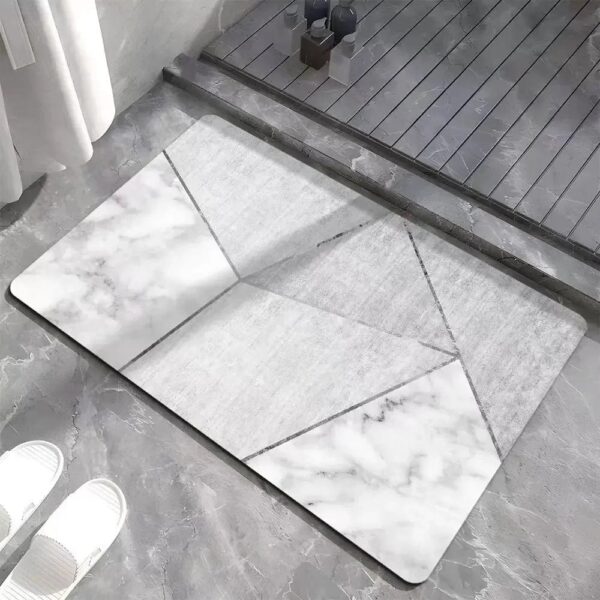
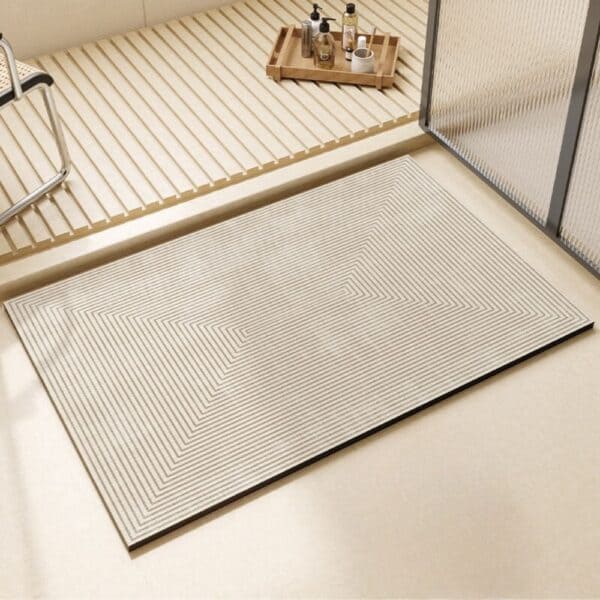
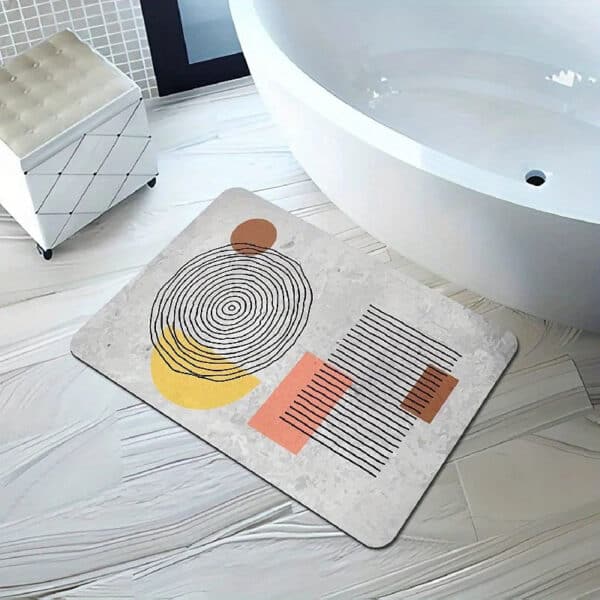
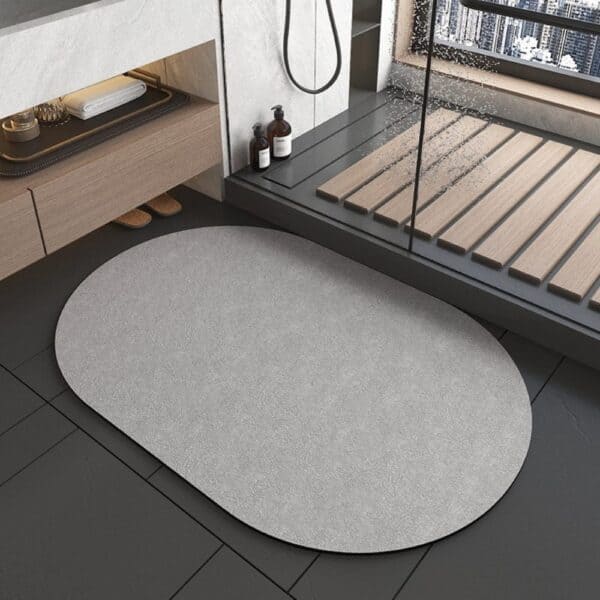
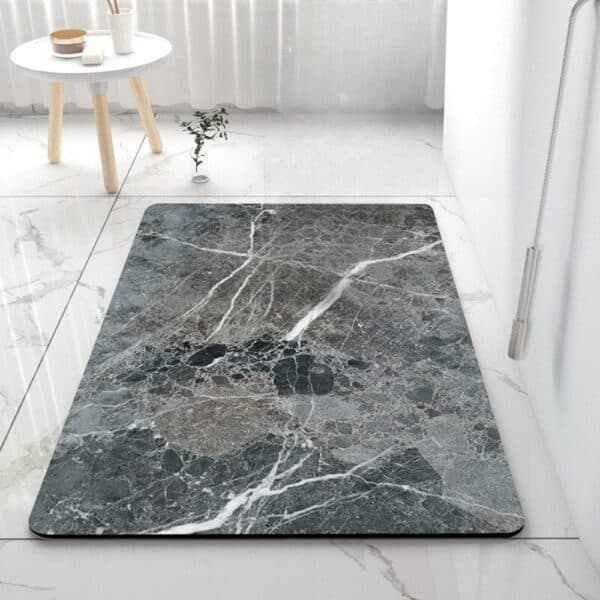
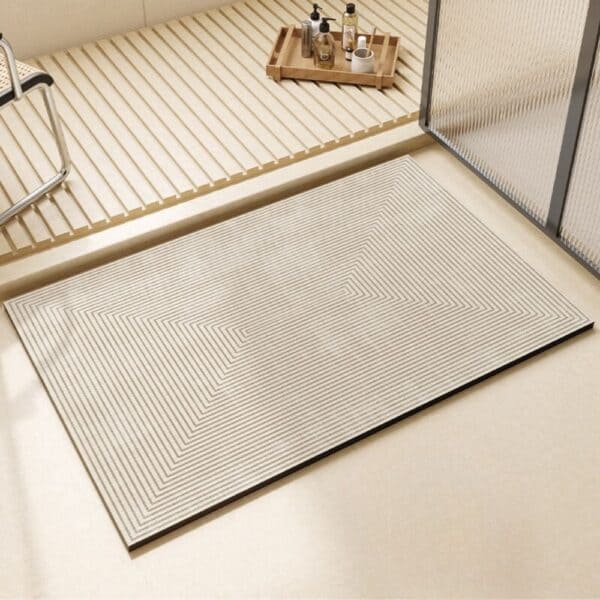
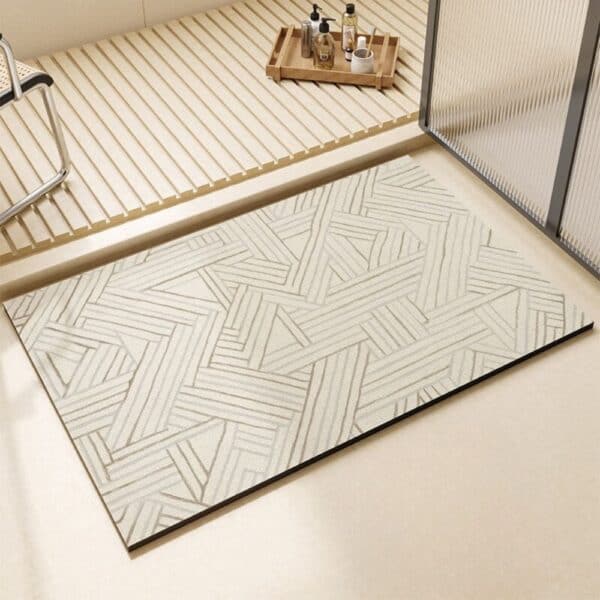
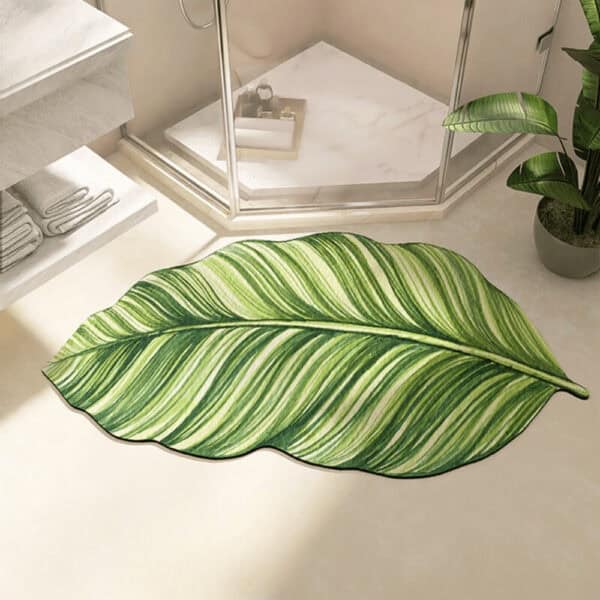
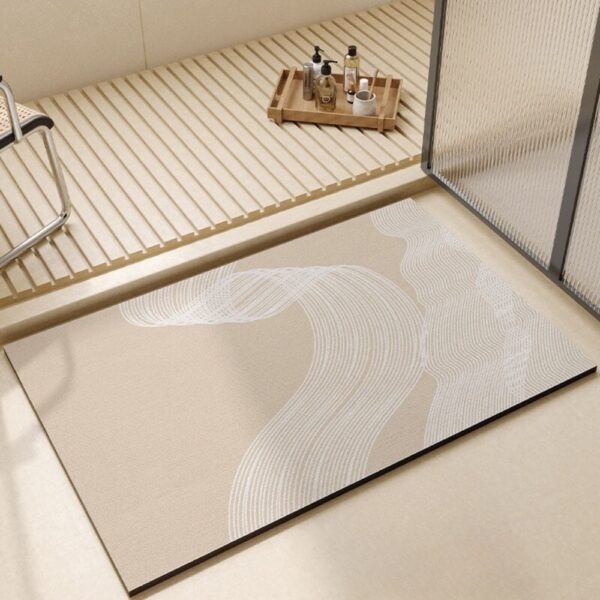
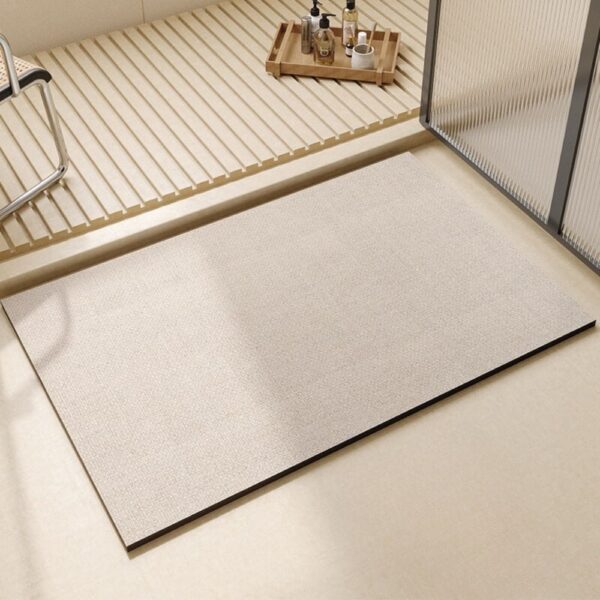
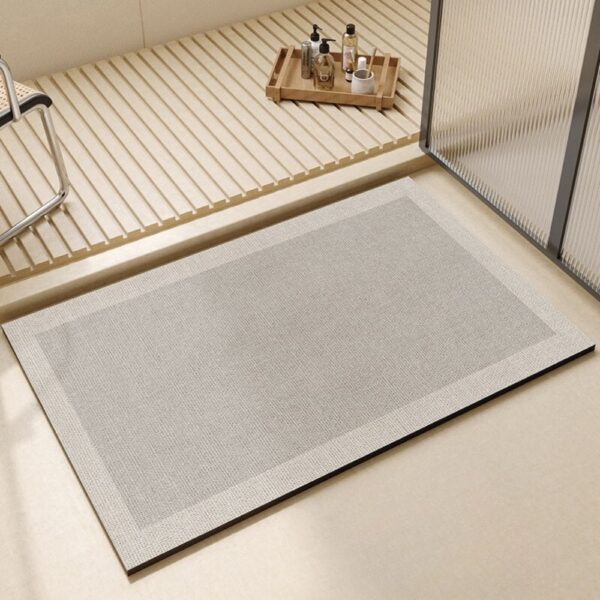
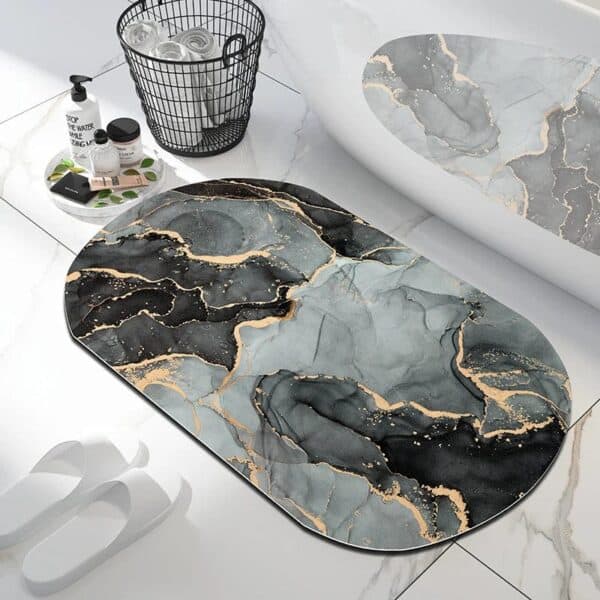
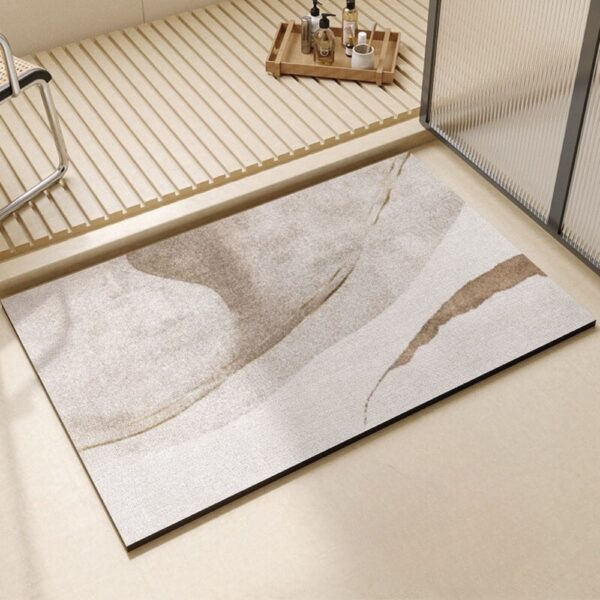
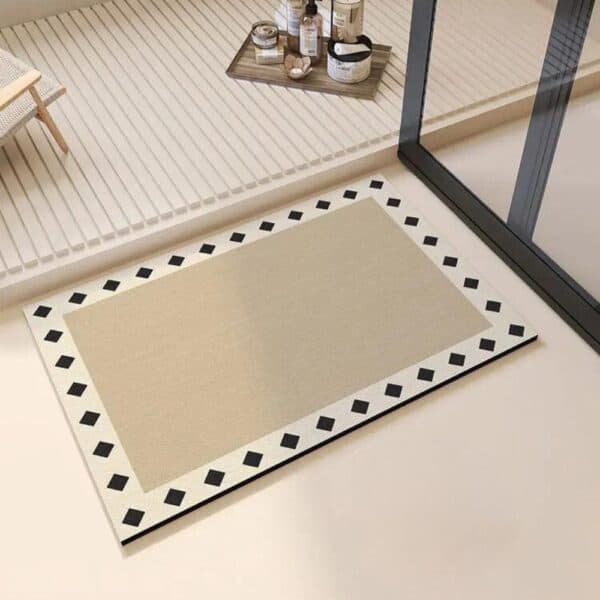
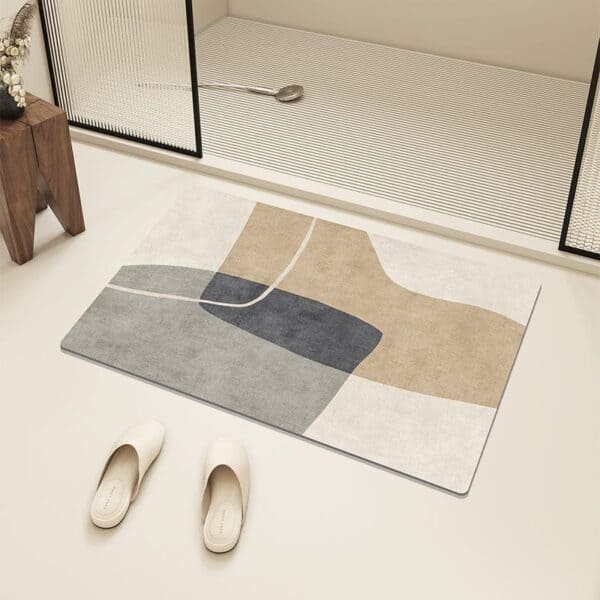
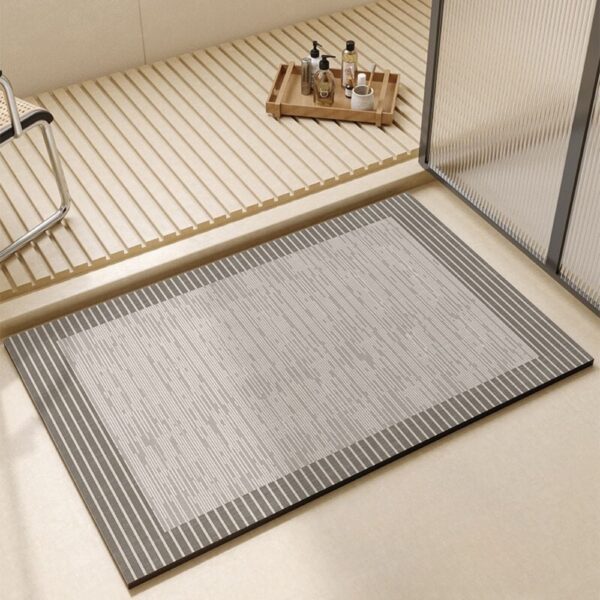
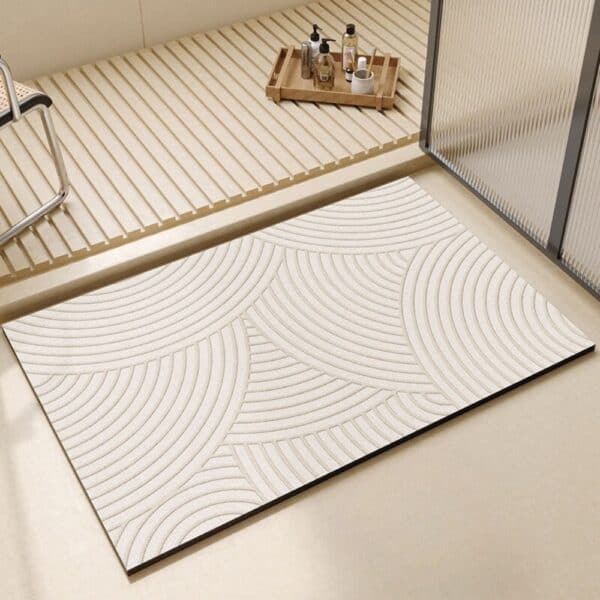
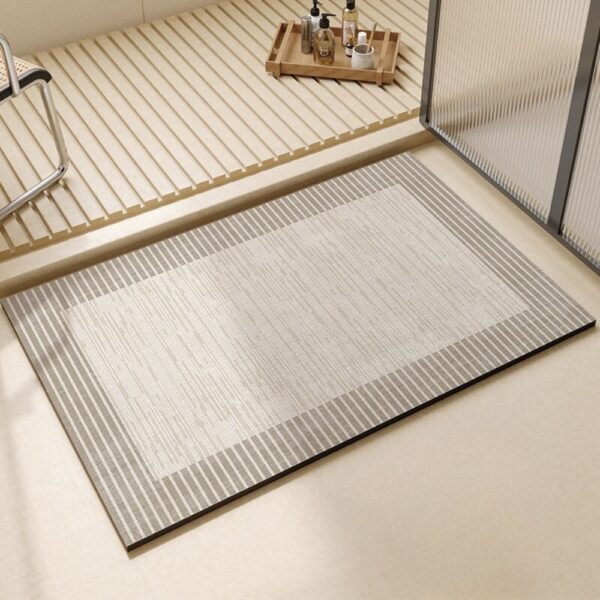
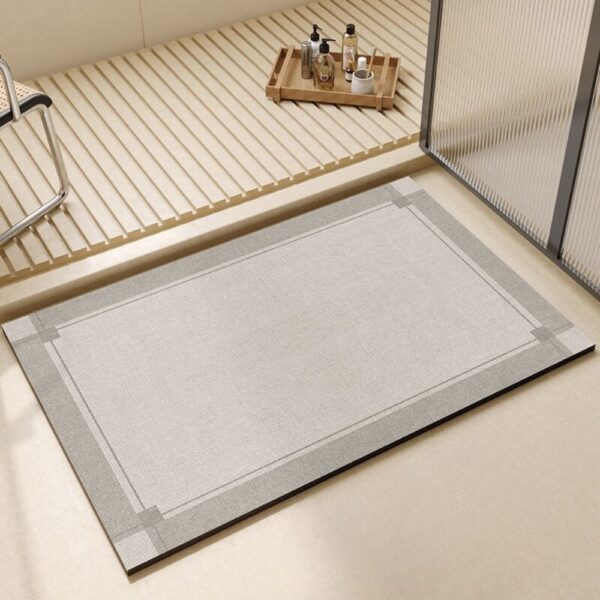
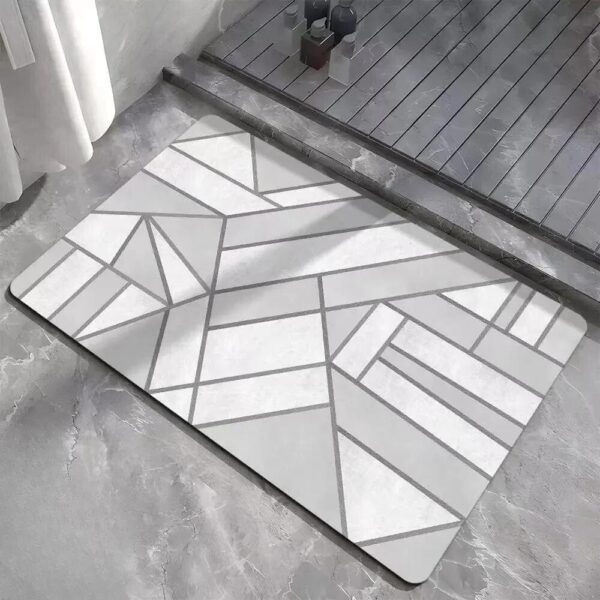
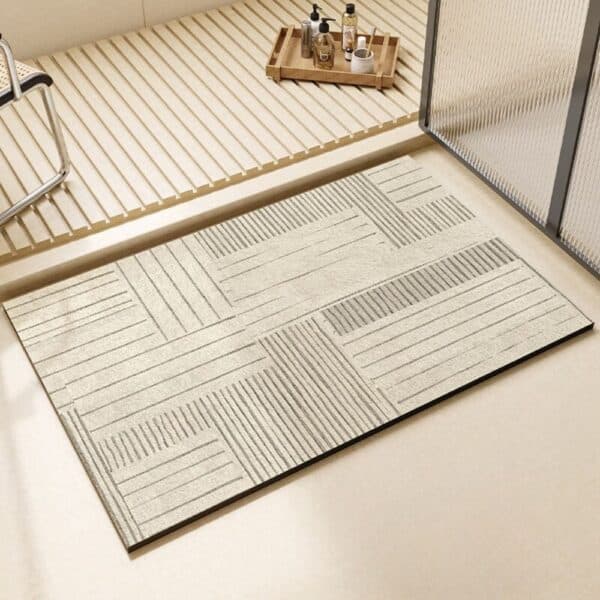
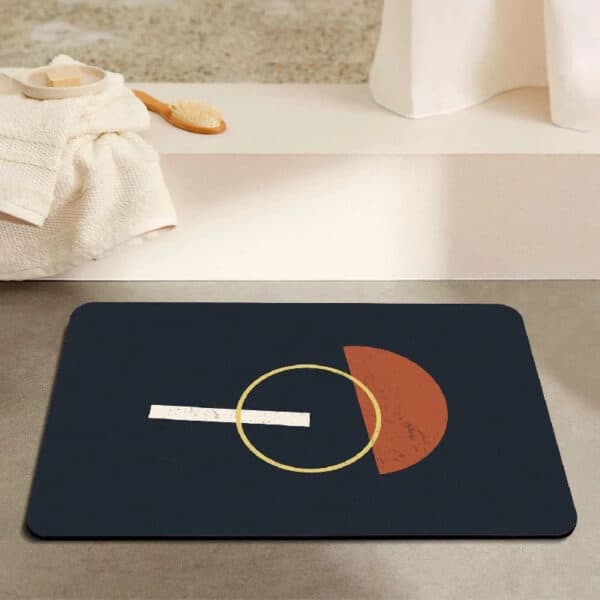
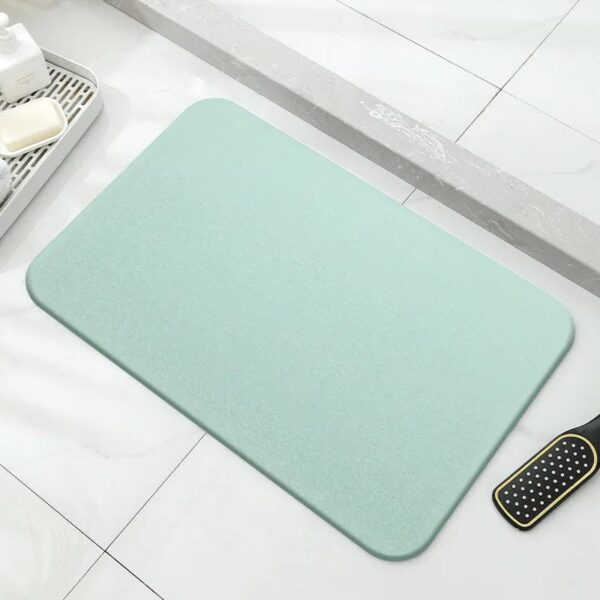
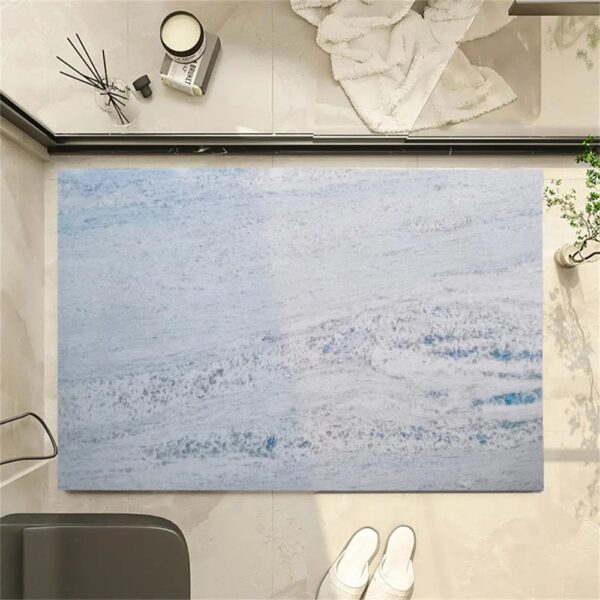
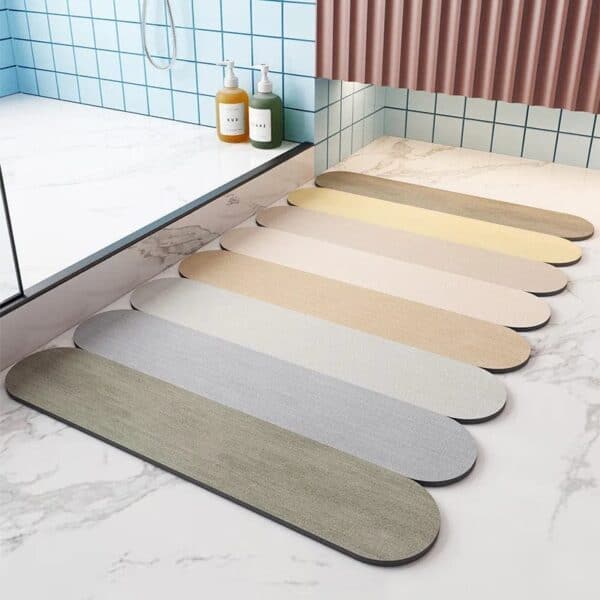
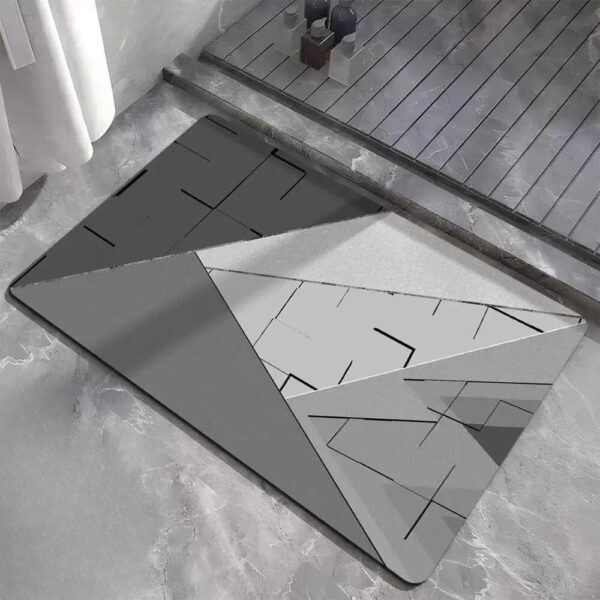
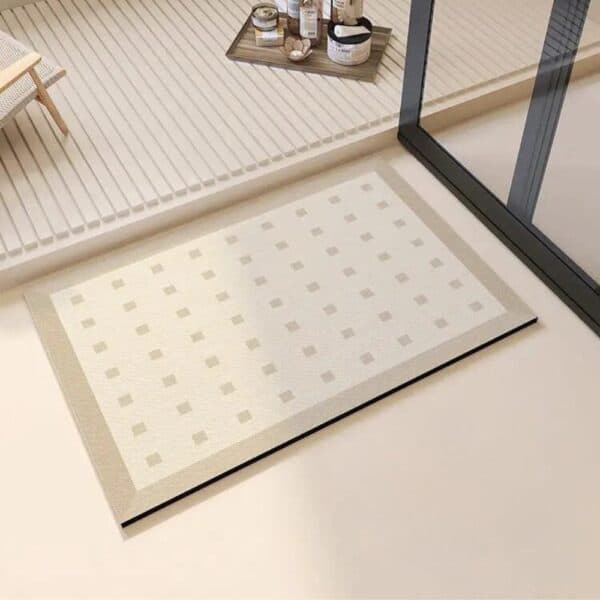
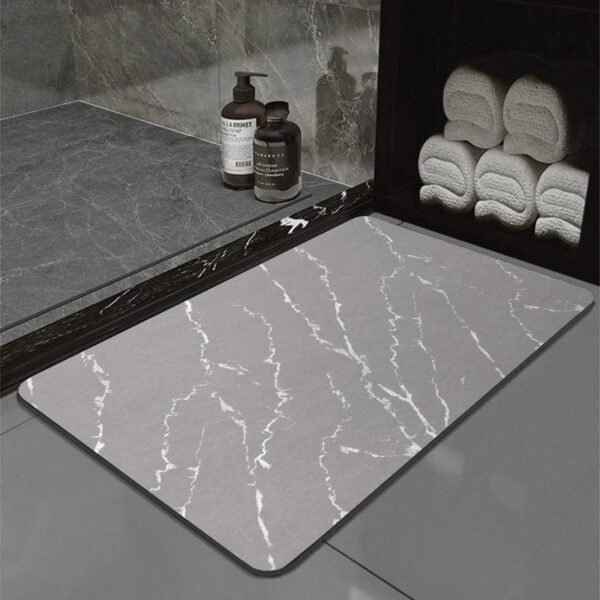
Stepping out of the shower onto a cold, damp mat is one of those minor daily frustrations that a diatomite bath mat solves almost immediately. Unlike conventional textile options, these stone-based mats absorb water on contact and dry rapidly, making them a practical upgrade for any bathroom routine.
What Makes Diatomite Different from Fabric Mats
Diatomite is a naturally porous sedimentary rock formed from fossilised algae. When compressed into a flat mat, its millions of microscopic pores pull water away from wet feet the moment you step on it. The surface stays firm underfoot rather than becoming the soggy, heavy slab that fabric mats turn into after a shower.
The material is also notably hard-wearing in daily use. A well-maintained diatomite mat resists the gradual deterioration that affects woven or microfibre alternatives after repeated washing, because it requires no machine washing at all. A light scrub with a damp cloth or a gentle sand with fine-grit sandpaper restores absorption if the surface becomes coated over time.
Choosing the Right Size for Your Bathroom
Standard versus large formats
Most diatomite bath mats come in two broad size brackets. A 50 x 80 cm format suits the area directly in front of a standard shower tray or bathtub, giving enough standing room for one person to dry off without stepping onto bare floor. If your bathroom has a wider wet zone, or if two people share the same morning routine, a larger format such as a 90 cm or extended rectangular mat covers more ground and reduces the risk of wet footprints spreading across tiles.
Before purchasing, measure the clear floor space between your shower door or bath edge and any nearby furniture. Diatomite mats are rigid, so unlike a fabric mat they cannot be folded or overlapped to fit an awkward corner.
Thickness and weight
Thicker slabs generally feel more substantial underfoot and tend to absorb a higher volume of water before the surface becomes saturated. However, a thicker mat is also heavier, which matters if you plan to move it regularly for cleaning or storage. Check the product dimensions carefully, particularly if your bathroom door swings over the mat area, as the rigid height of the mat could obstruct the door arc.
Practical note: Most diatomite mats ship with a non-slip backing, typically rubber or cork strips along the underside. Confirm this detail in the product listing before buying, especially if your bathroom floor is polished stone or large-format porcelain, which can be particularly smooth.
Material Comparison: Diatomite versus Common Alternatives
| Feature |
Diatomite Mat |
Microfibre Mat |
Cotton Mat |
| Water absorption speed |
Very fast (on contact) |
Fast |
Moderate |
| Drying time after use |
Short |
Moderate |
Slow |
| Cleaning method |
Wipe or light sanding |
Machine wash |
Machine wash |
| Rigid or flexible |
Rigid |
Flexible |
Flexible |
| Typical lifespan |
Long with care |
Medium |
Medium |
| Surface feel |
Smooth stone |
Soft pile |
Soft pile |
Who Benefits Most from a Diatomite Bath Mat
These mats work particularly well in smaller bathrooms where ventilation is limited and fabric mats tend to stay damp for hours. They also suit households where laundry frequency is a consideration, since the cleaning routine is minimal compared to washing and tumble-drying a cotton mat every week.
If you prefer a minimalist bathroom aesthetic, the clean, flat profile of a diatomite mat fits naturally alongside stone or ceramic surfaces. Those who enjoy stone bath mat options more broadly will find diatomite sits comfortably within that material family.
On the other hand, if you have young children who need a very soft, forgiving surface to land on, or if you prefer the cushioned feel of a thick pile underfoot, a microfibre bath mat may suit your household better. Diatomite is a hard material and offers no cushioning.
Care and Maintenance Over Time
Keeping a diatomite mat in good condition is straightforward. After use, stand it upright or prop it against the wall to allow air to circulate across both faces. If absorption slows noticeably, the surface pores have likely become coated with soap residue or mineral deposits from hard water. Light sanding with fine-grit sandpaper removes the coating and restores the mat’s original performance. Avoid soaking the mat in water for extended periods, as this can cause the compressed material to weaken at the edges over time.
For households in hard-water areas, a quick wipe with a damp cloth after each use helps prevent mineral build-up from accumulating as quickly. This small habit extends the time between more thorough cleans considerably. If you are also looking at options for other areas of the home, the full bath mat range covers a variety of materials and formats worth exploring alongside this category.
Frequently Asked Questions
Can a diatomite bath mat crack or break ?
Yes, diatomite is a compressed stone material and will crack if dropped onto a hard floor or if significant pressure is applied to one edge. Handle it with care when moving it for cleaning, and always place it flat on the floor rather than leaning it at a steep angle unsupported.
Is the surface of a diatomite mat slippery when wet ?
The top surface of a diatomite mat absorbs water rapidly, so it does not pool on the surface the way ceramic or plastic does. Most models also include non-slip strips or a rubber backing on the underside to keep the mat stable on the bathroom floor. Check the specific product listing to confirm the underside treatment included.
How often does the mat need to be cleaned ?
For most households, a light wipe-down once a week and a gentle sanding every one to three months is sufficient, depending on usage and local water hardness. There is no need for machine washing, which is one of the practical advantages of this material over textile alternatives.
What size should I choose for a standard UK bathroom ?
A 50 x 80 cm mat fits comfortably in front of most standard UK shower enclosures and baths. If your bathroom is wider or you share it with a partner, consider a larger format such as the large diatomite bath mat to cover the full stepping-out zone. Always measure your available floor space before ordering, as the rigid format cannot be adjusted.
Does the mat work on underfloor-heated bathroom floors ?
Diatomite mats are generally compatible with underfloor heating, and the gentle warmth can actually help the mat dry more quickly between uses. However, check the product specifications for any temperature limitations, particularly regarding the non-slip backing material on the underside.
The products listed below cover a range of sizes and formats, from compact everyday options to the wider 90 cm format suited to larger bathrooms. Browsing through the grid will help you match the right dimensions and finish to your specific bathroom layout.