Comfy Bath Mat
Infant Bath Mat
-
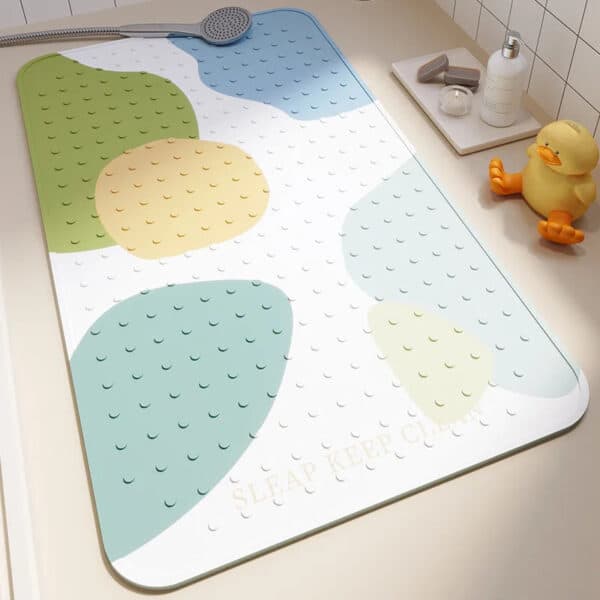
Animal Baby Bath Mat
£47.90 – £55.90Price range: £47.90 through £55.90 -
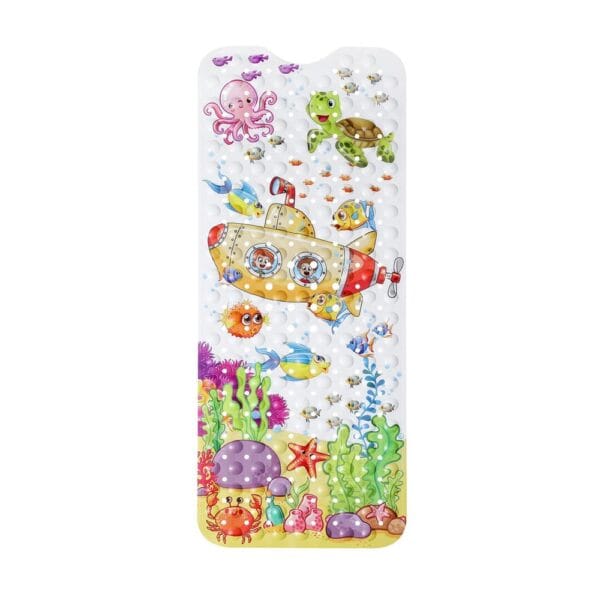
Baby Bath Mat
£41.90 -
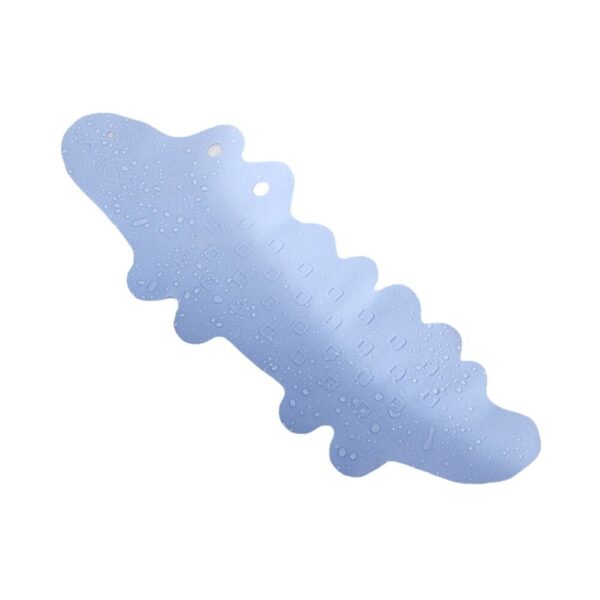
Baby Bath Mat For Tub
£29.90 -
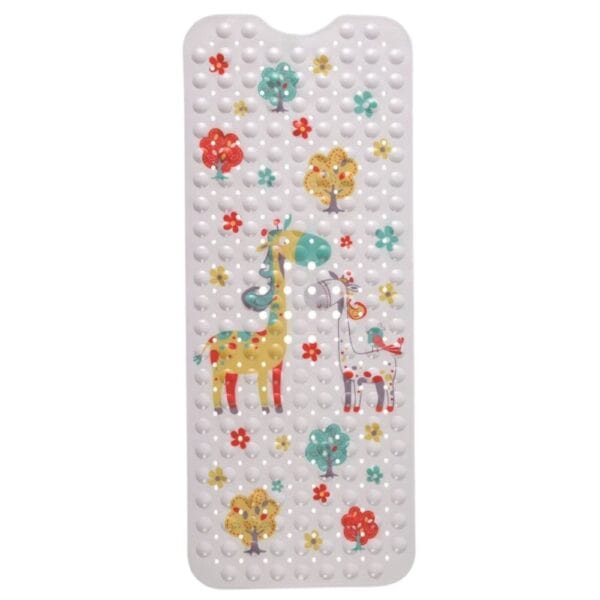
Baby Bath Sink Mat
£39.90 -
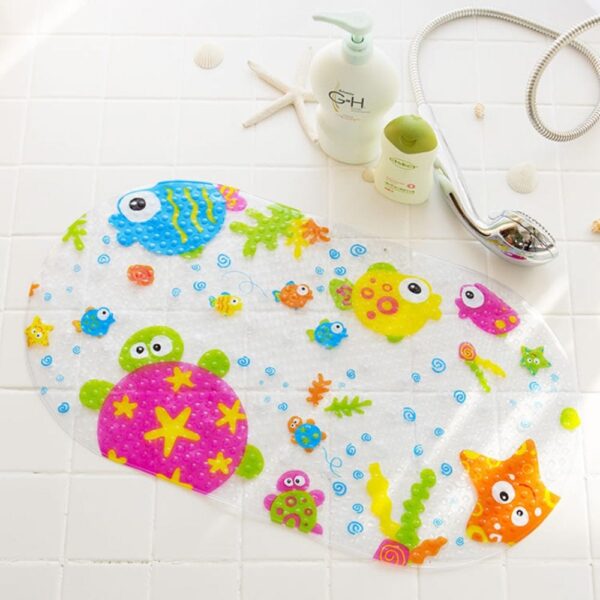
Baby Bathing Mat
£23.90 -
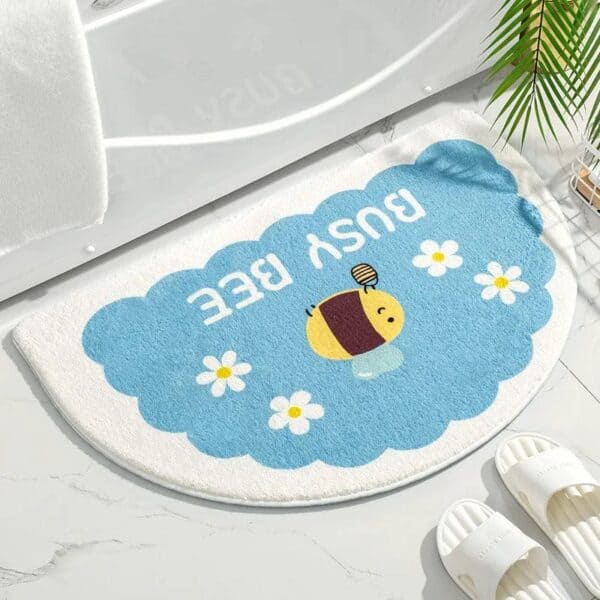
Bee Bath Mat
£23.90 -
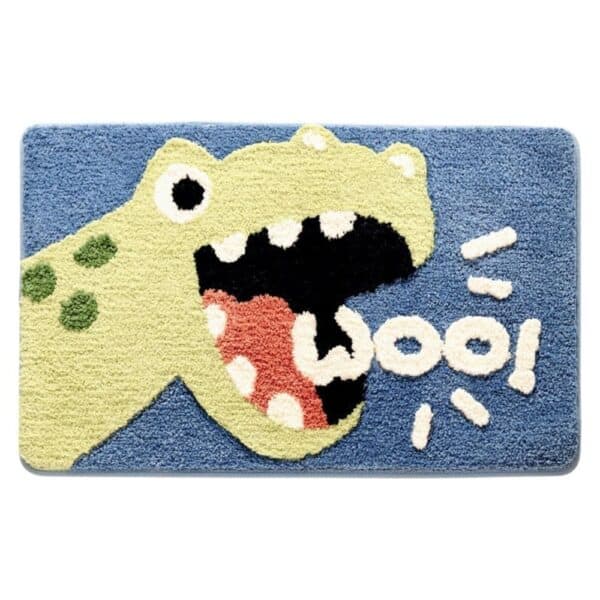
Dinosaur Bath Mat
£35.90 – £47.90Price range: £35.90 through £47.90 -
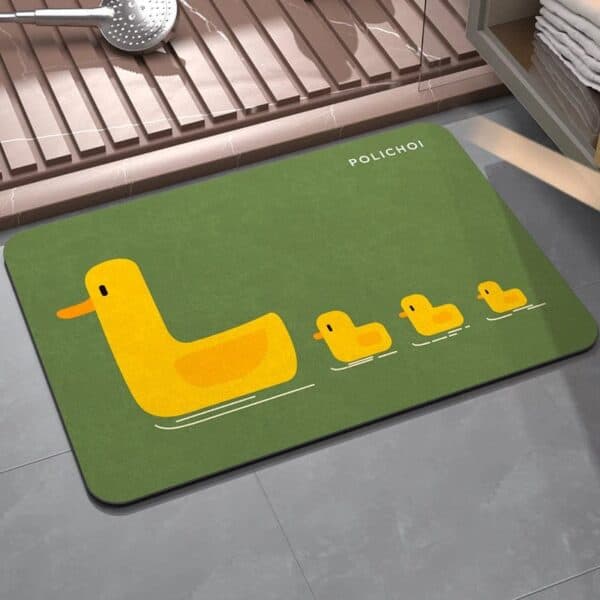
Duck Bath Mat
£35.90 – £46.90Price range: £35.90 through £46.90 -
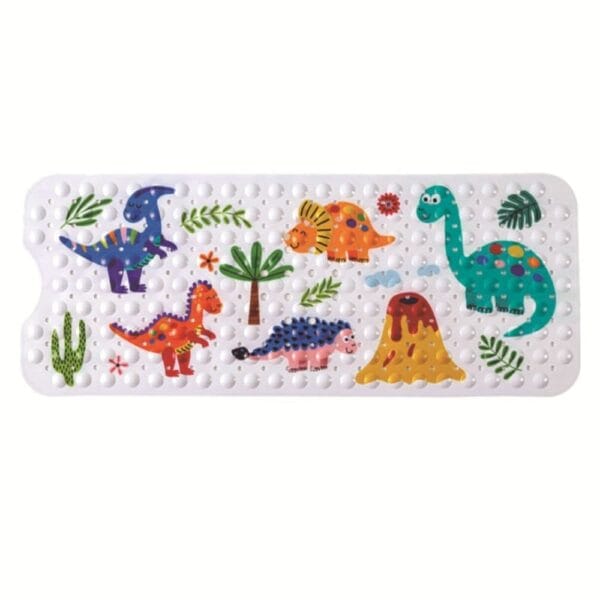
Non Slip Bath Mat Baby
£39.90 -
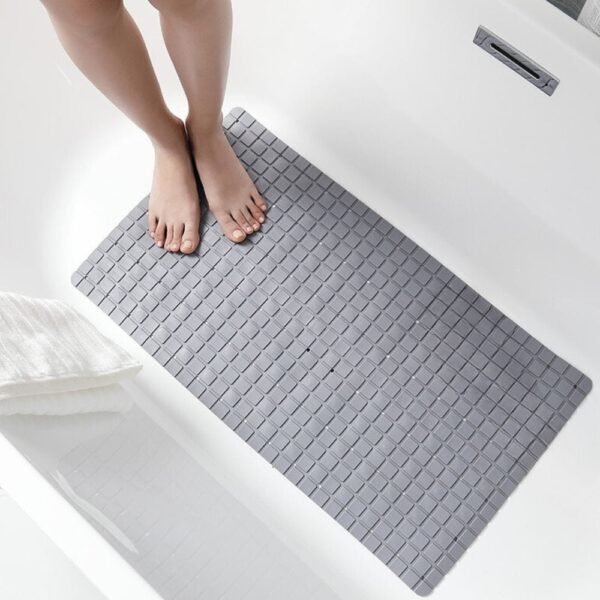
Non Slip Bath Mat For Elderly
£35.90 -
Non Slip Childrens Bath Mat
£39.90 -
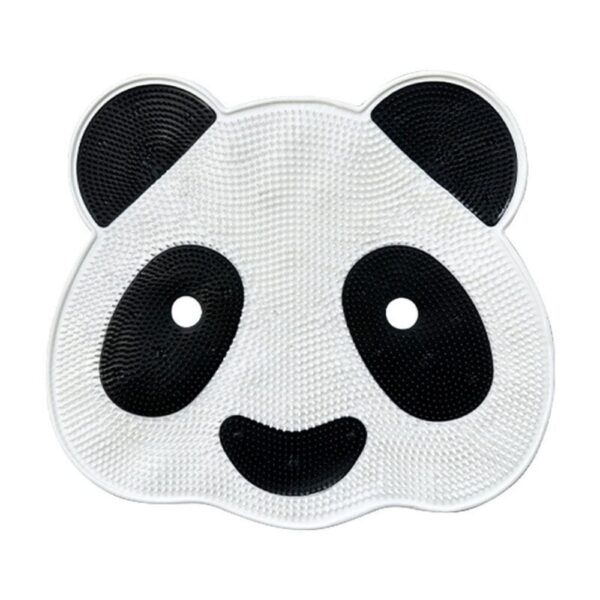
Panda Bath Mat
£31.90 -
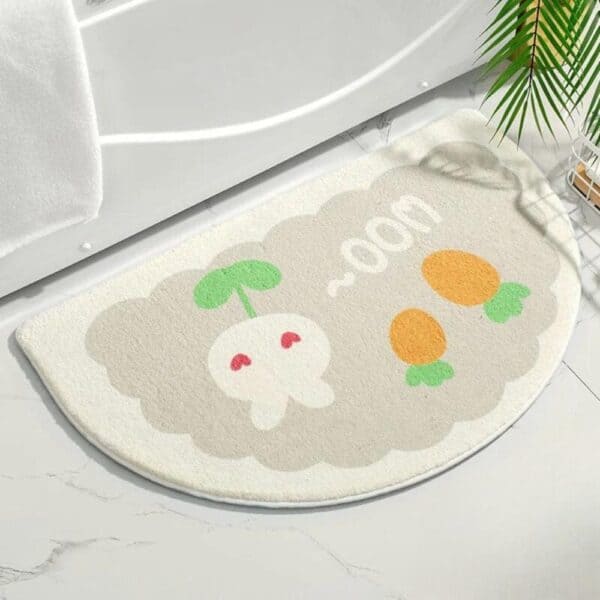
Rabbit Bath Mat
£23.90
Bathing a young baby is one of those daily routines where the margin for error feels very small. The right mat turns a slippery surface into a stable, manageable space, making the whole experience calmer for both parent and child.
What actually sets these mats apart from standard bath mats
An infant bath mat is not simply a smaller version of an adult bathroom mat. The key differences lie in the surface texture, the grip system underneath, and the overall form factor. Most are designed to fit inside a baby bath, a sink basin, or a standard tub, and they typically feature raised ridges or textured patterns on the top surface to keep a baby from sliding during washing.
The underside grip matters just as much. Suction cups or a textured PVC base hold the mat firmly against a smooth tub or sink floor. Without reliable grip on both surfaces, the mat itself becomes a hazard rather than a safeguard.
How to choose the right one for your situation
Size and placement
Consider where you plan to use it first. A baby bath sink mat is shaped to sit inside a kitchen or bathroom sink, which many parents find easier on their back during the newborn stage. A full tub mat runs longer and wider, covering more of the bath floor as the child grows. Check the dimensions against your actual tub or sink before buying.
Material and surface texture
Most infant bath mats use PVC or a similar smooth-to-clean material. The top surface texture should be firm enough to provide grip but not so abrasive that it irritates delicate skin. Avoid mats with very deep ridges that trap residue and become difficult to rinse clean. A flat, lightly textured surface is generally the most practical choice for everyday use.
Suction cup count and spacing
More suction cups spread across the base mean better contact with the tub floor. A mat with only a few cups concentrated in the centre can lift at the edges, which reduces stability. Look for even distribution across the full footprint of the mat.
Worth knowing: Suction cups work best on smooth, non-textured surfaces. If your tub has a patterned or rough finish, a mat with a broad flat base may grip more reliably than one that relies solely on individual cups.
Ease of cleaning
A mat used daily in a wet environment needs to be easy to rinse and dry. After each bath, hang the mat over the side of the tub or on a towel rail to allow air to circulate underneath. Flat mats without hollow internal chambers dry more evenly than padded alternatives.
Who benefits most from an infant bath mat
The obvious answer is parents of babies and young toddlers, but the picture is a little more nuanced. Newborns are often bathed in a sink or a small baby bath, making a compact sink mat the first purchase. As the child moves to a full-size tub and starts sitting or standing independently, a longer tub mat becomes more relevant.
It is also worth noting that a well-chosen non-slip bath mat for elderly users shares many of the same design principles: strong suction, a grippy top surface, and a stable footprint. Families caring for both very young children and older relatives sometimes find a single high-quality mat serves both groups well.
If your main concern is a very young baby who cannot yet sit unaided, a contoured or hammock-style baby bath insert may suit you better than a flat mat alone. A flat infant mat is most practical once the child can sit stably.
Comparing common format options
| Format | Best for | Typical size | Key trade-off |
|---|---|---|---|
| Sink mat | Newborns, 0-6 months | Small, fits basin | Outgrown quickly |
| Standard tub mat | Sitting babies and toddlers | 60-90 cm length | May be large for small baths |
| Character or themed mat | Toddlers who resist bath time | Variable | Novelty fades over time |
Frequently asked questions
At what age can I stop using an infant bath mat ?
Most families continue using a non-slip mat well into the toddler years and beyond. Children tend to stand and move more energetically in the bath as they grow, which actually increases the value of a grippy surface. There is no fixed age to stop; it depends on your child’s behaviour and your tub surface.
How do I get the suction cups to hold properly ?
Wet both the tub floor and the underside of the mat before pressing it down firmly. Press each suction cup individually if possible. Avoid using the mat on textured or non-smooth tub surfaces, as suction cups require a flat, sealed surface to create adequate hold.
Can the same mat be used in a sink and a full tub ?
Generally, no. Sink mats are shaped and sized for a basin and will not provide meaningful coverage in a full tub. If you want coverage in both locations, it is more practical to have a dedicated baby bathing mat for each setting rather than trying to adapt one mat to both.
How often should the mat be cleaned ?
Rinse the mat after every use and hang it to air dry. A more thorough clean, using warm water and a mild washing-up liquid, is sensible once or twice a week depending on frequency of use. Always check the manufacturer’s care instructions, as some mats can go in the dishwasher on a low setting.
Is a thicker mat always better for a baby ?
Not necessarily. A very thick or cushioned mat can feel less stable underfoot and may not grip the tub floor as evenly. A firm, moderately thin mat with good surface texture and strong suction usually offers more reliable stability than a soft, padded alternative.
The products listed below cover a range of sizes and formats, from compact sink mats suited to newborns through to full-length tub mats that grow with your child. Browsing the grid is a practical way to compare dimensions and surface designs side by side before making a final choice. You may also find it useful to look at the broader bath mats for bathroom range if you are equipping multiple areas of the home at once.