-
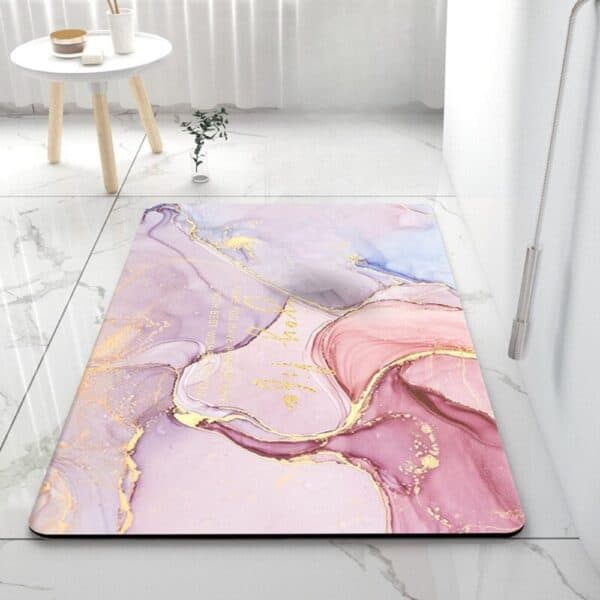
50 X 80 Bath Mat
£39.90 -
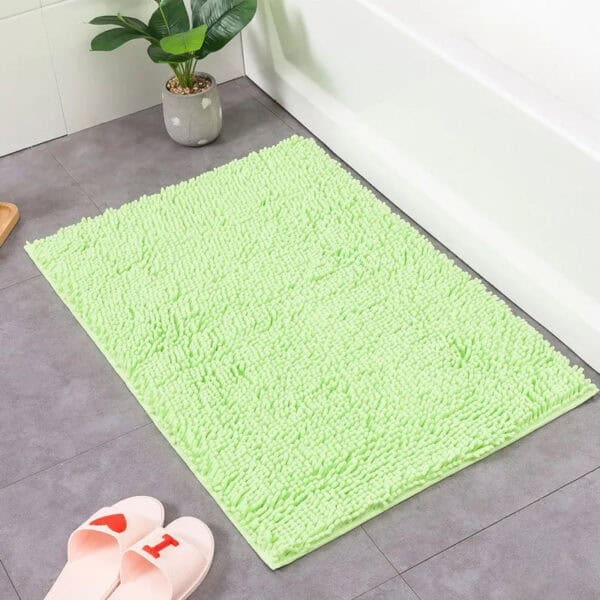
60X90 Bath Mat
£23.90 -
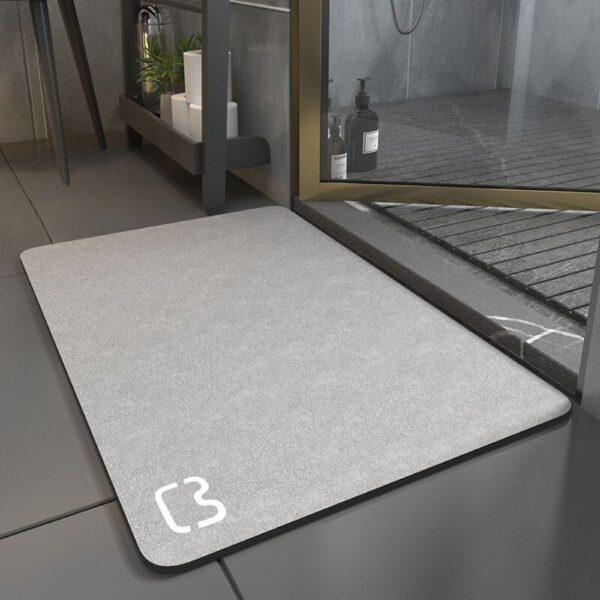
90Cm Bath Mat
£59.90 -
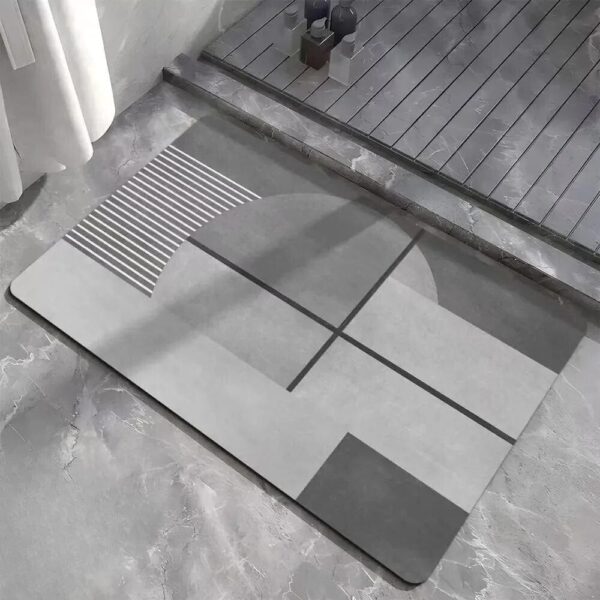
Anthracite Bath Mat
Price range: £35.90 through £63.90 -
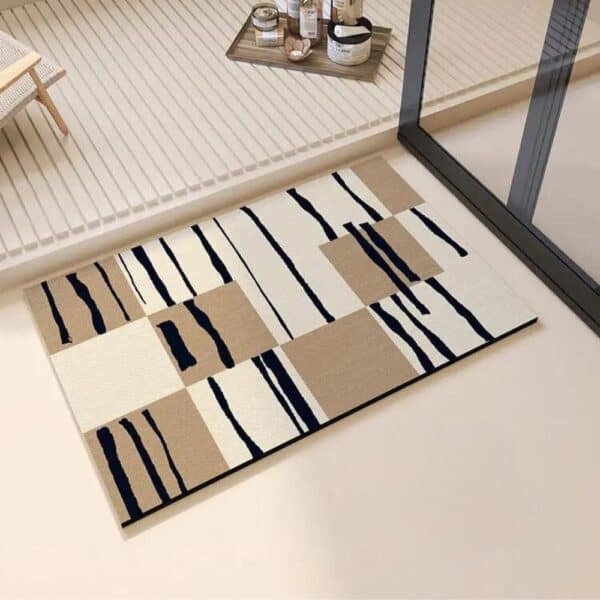
Art Bath Mat
Price range: £31.90 through £39.90 -
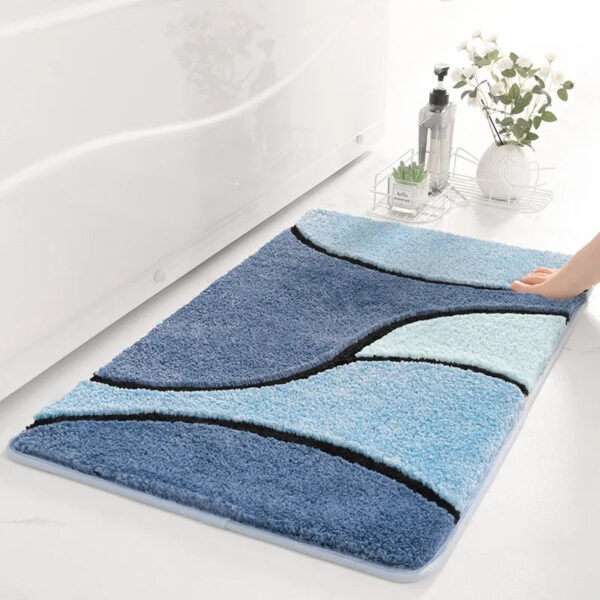
Artsy Bath Mat
Price range: £35.90 through £47.90 -
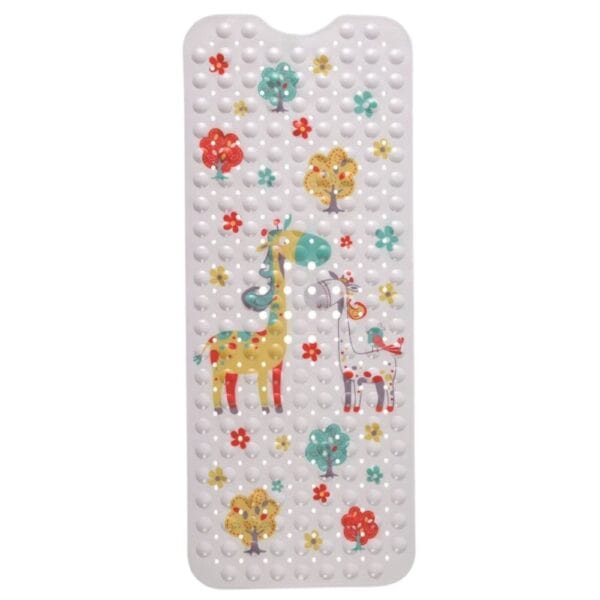
Baby Bath Sink Mat
£39.90 -
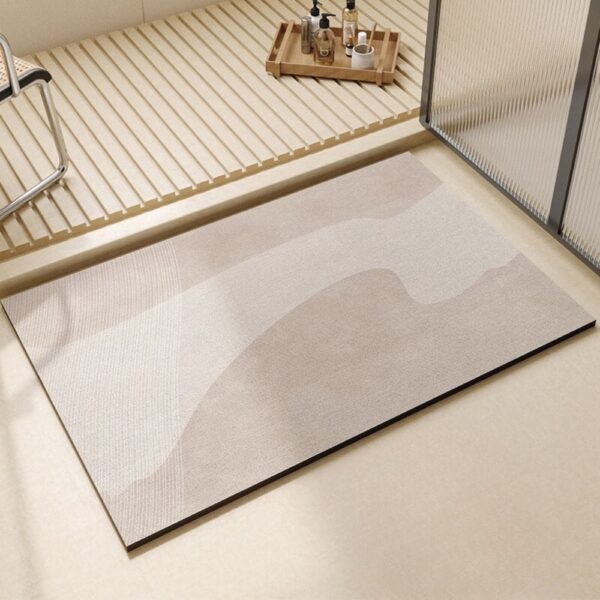
Bath Mat Diatomite
Price range: £47.90 through £103.90 -
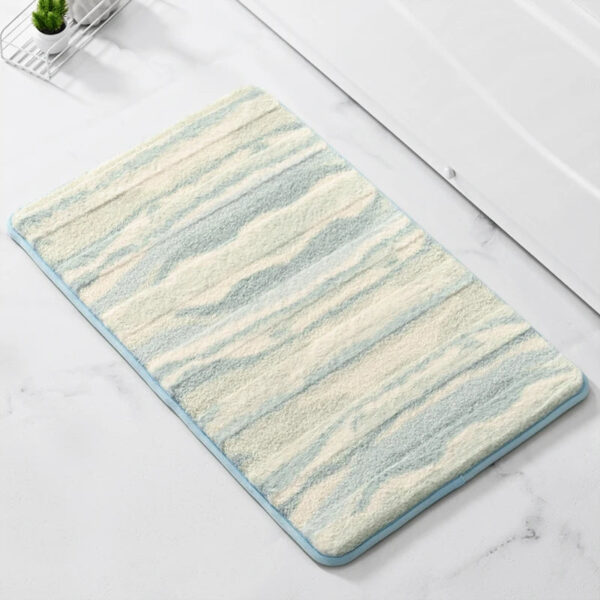
Bath Mat For Bathroom Floor
Price range: £39.90 through £63.90 -
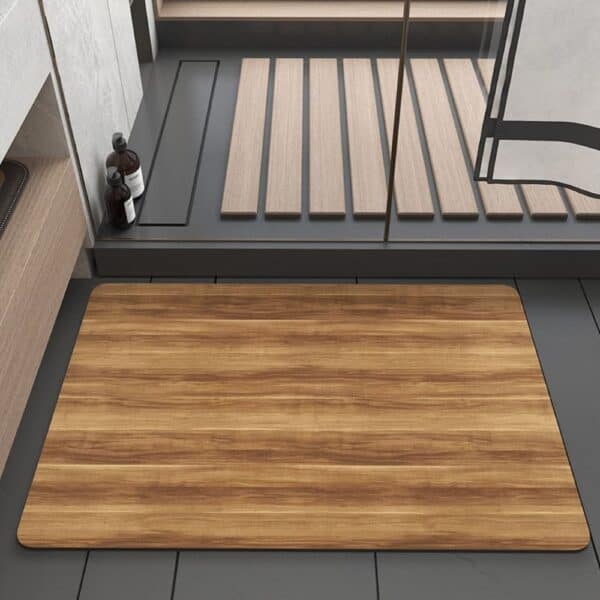
Bath Mat Wood Pattern
Price range: £31.90 through £57.90 -
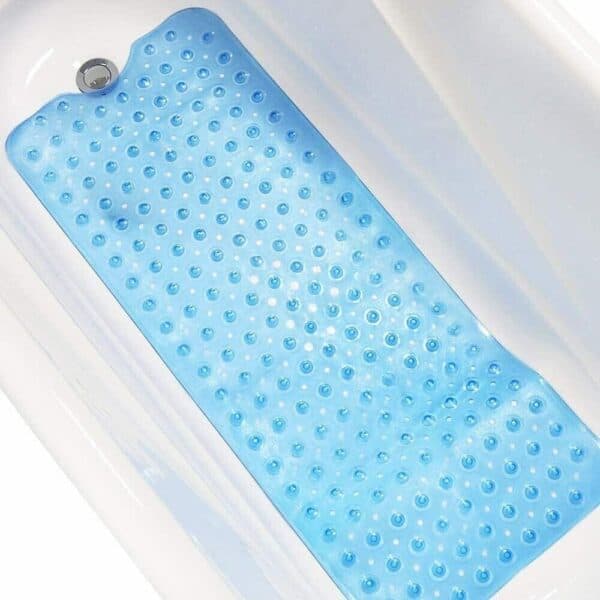
Bath Mats For Tub
£35.90 -
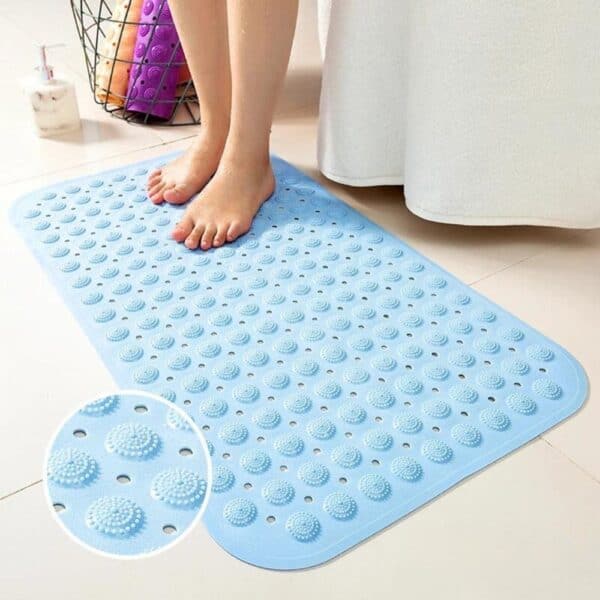
Bath Shower Mats
Price range: £23.90 through £41.90 -
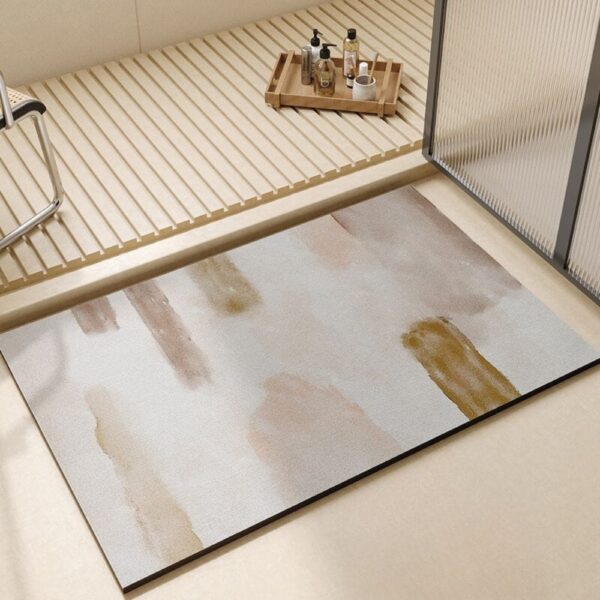
Beige Bath Mat
Price range: £47.90 through £103.90 -
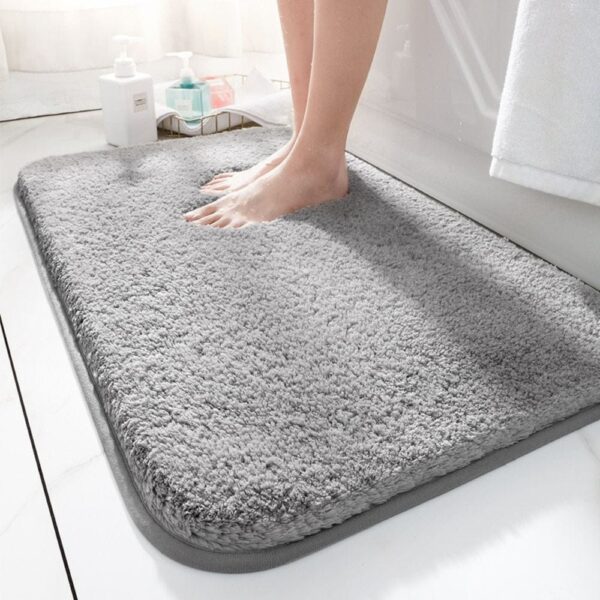
Big Fluffy Bath Mat
Price range: £35.90 through £51.90 -
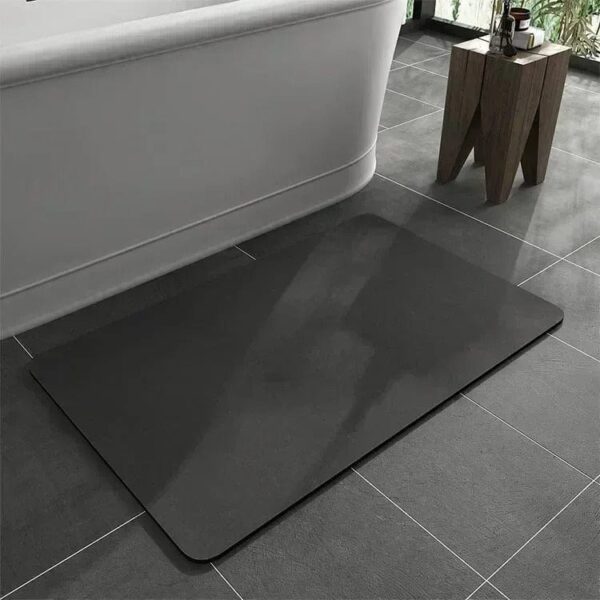
Black Bath Mat Non Slip
£35.90 -
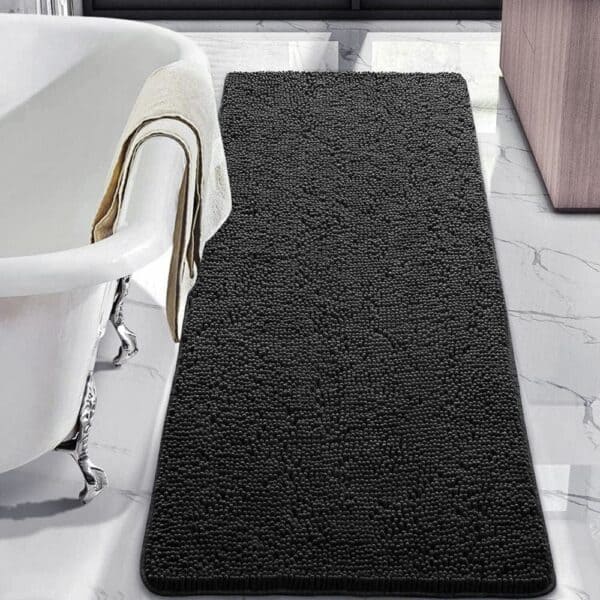
Black Chenille Bath Mat
Price range: £35.90 through £95.90 -
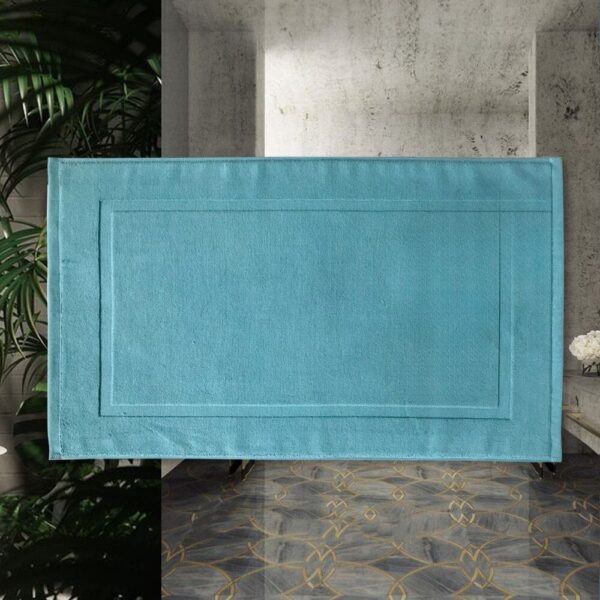
Blue Cotton Bath Mat
Price range: £25.90 through £31.90 -
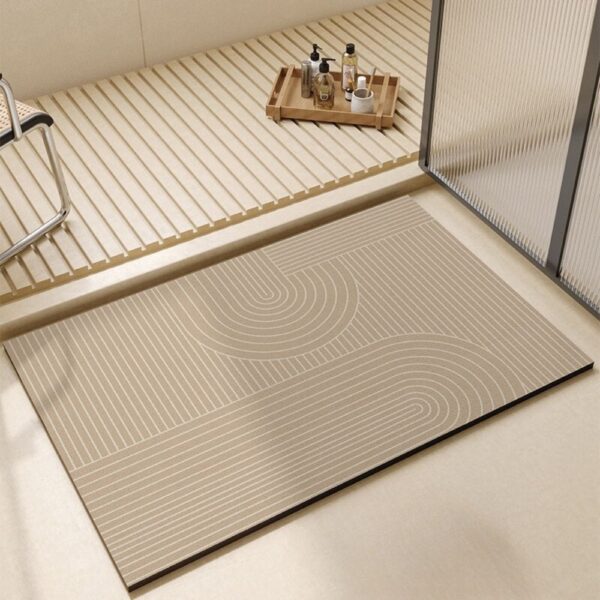
Brown Bath Mat
Price range: £47.90 through £103.90 -
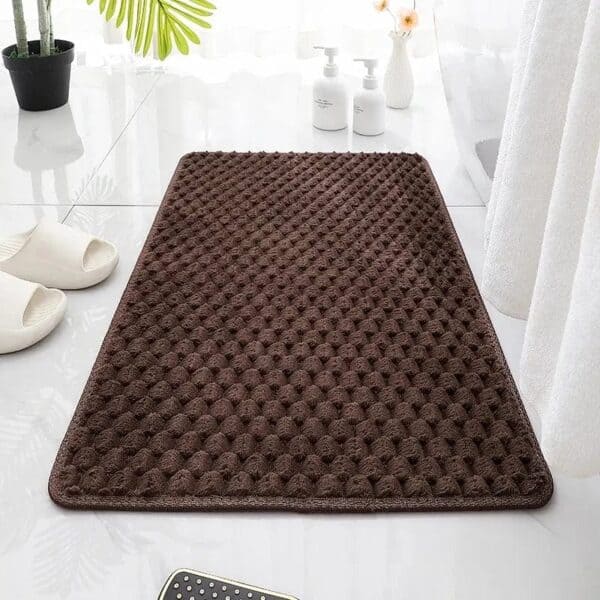
Chocolate Brown Bath Mat
Price range: £31.90 through £95.90 -
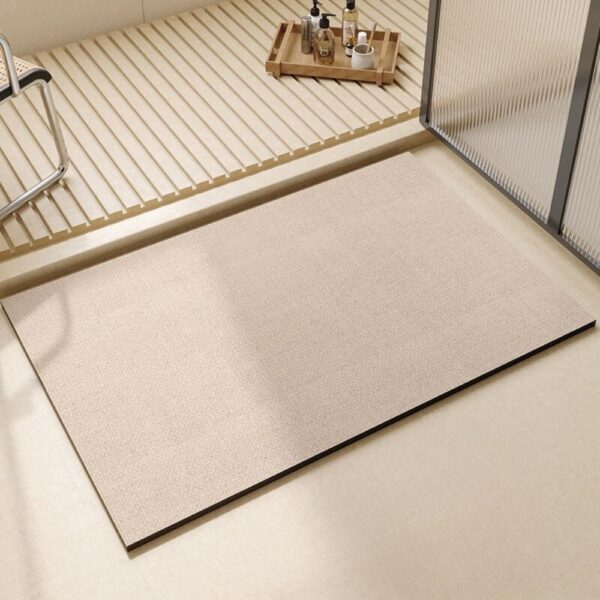
Cream Bath Mat
Price range: £47.90 through £103.90 -
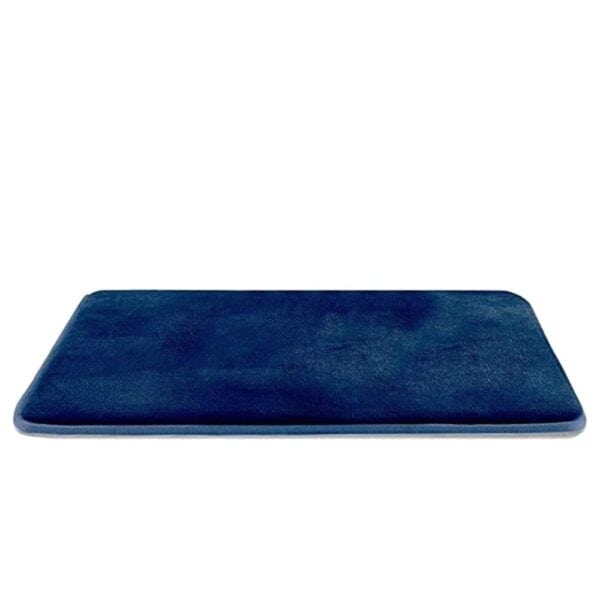
Dark Blue Bath Mat
Price range: £27.90 through £31.90 -
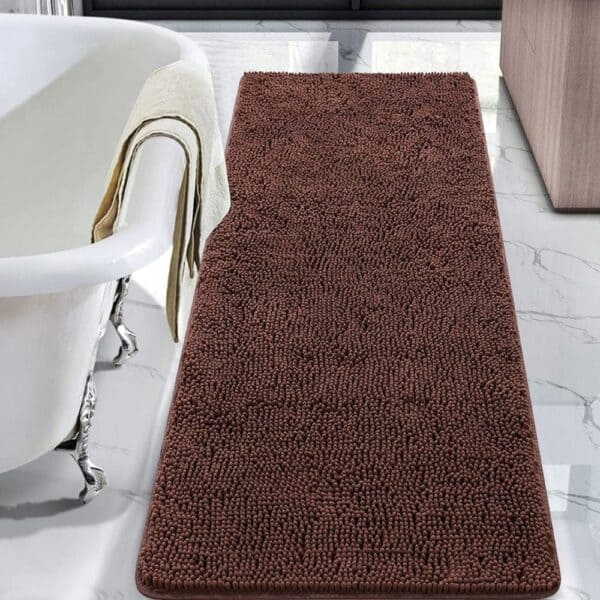
Dark Brown Bath Mat
Price range: £35.90 through £111.90 -
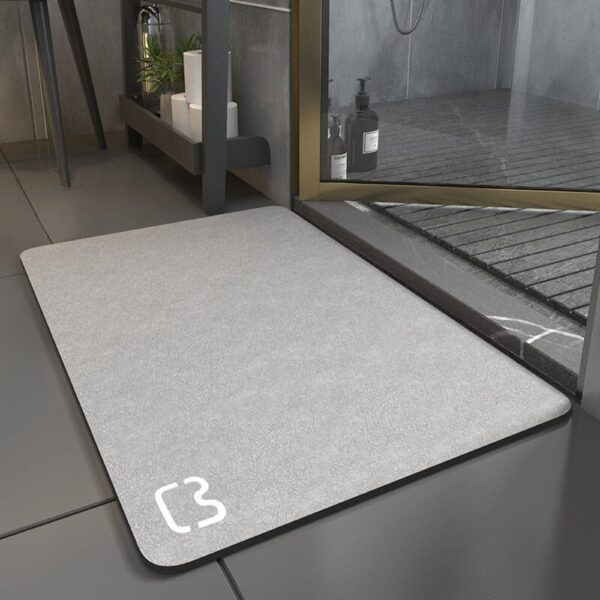
Diatomite Bath Mat Large
£47.90 -
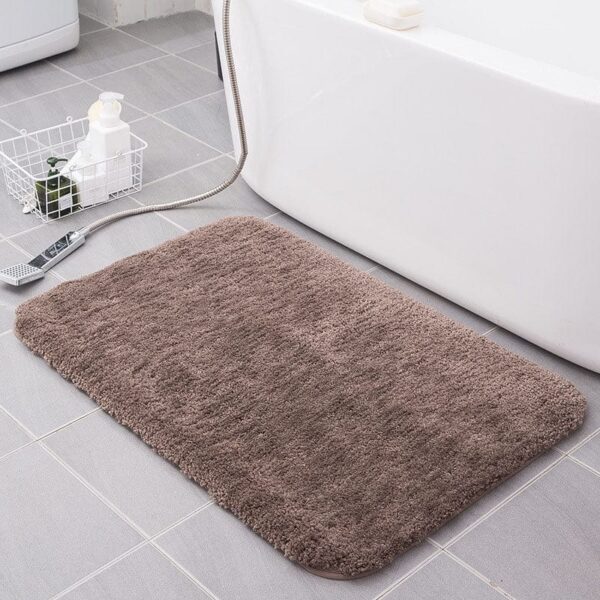
Extra Large Bath Mat
Price range: £49.90 through £69.90 -
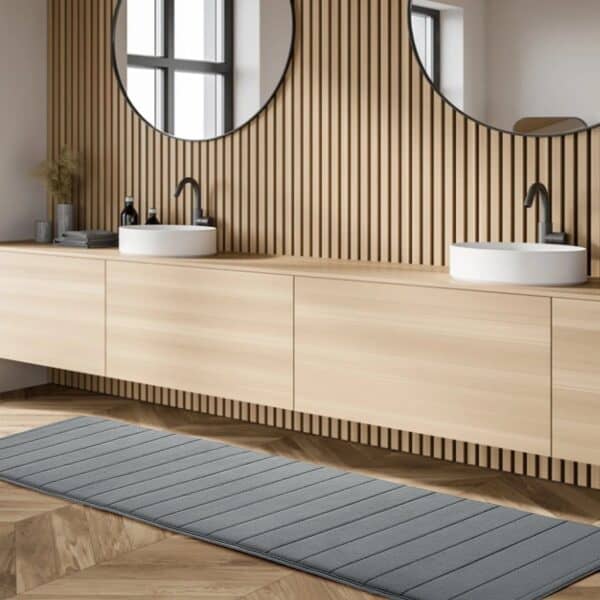
Extra Large Bath Mat Non Slip
£27.90 -
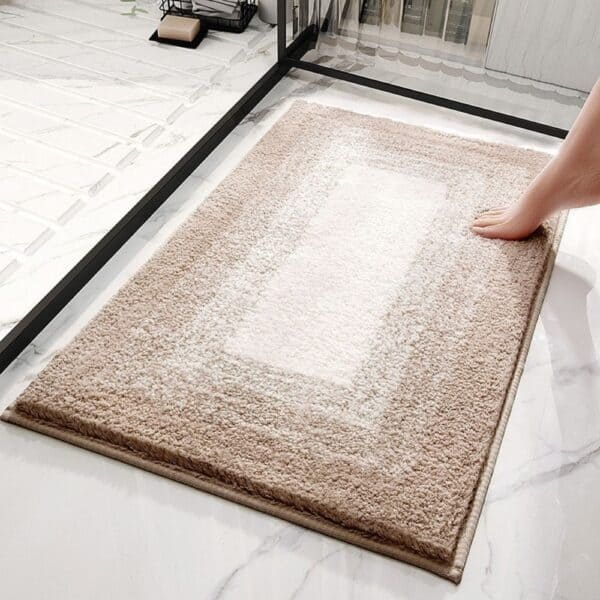
Fluffy White Bath Mat
Price range: £35.90 through £55.90 -
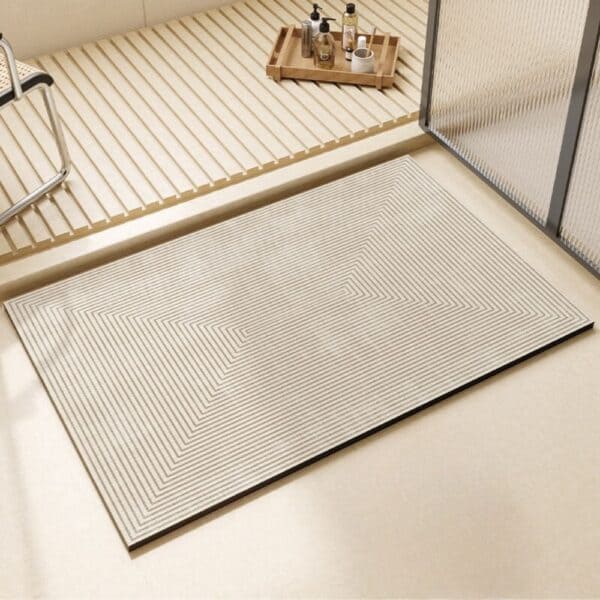
Grey Bath Mat
Price range: £47.90 through £103.90 -
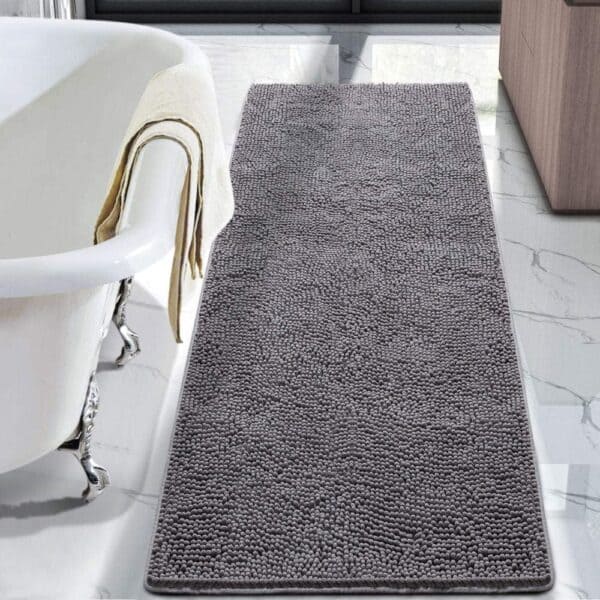
Grey Chenille Bath Mat
Price range: £35.90 through £111.90 -
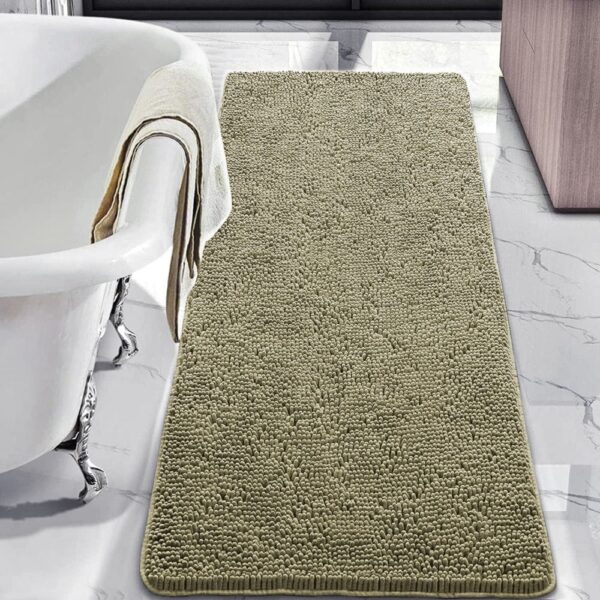
Khaki Bath Mat
Price range: £35.90 through £111.90 -
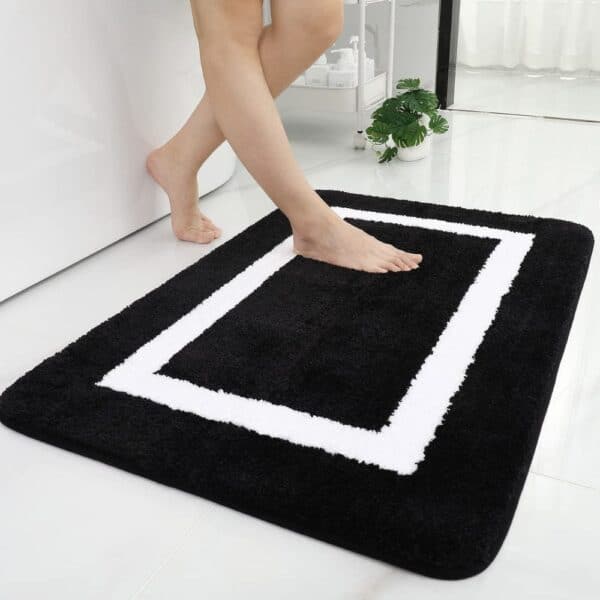
Large Absorbent Bath Mat
£71.90 -
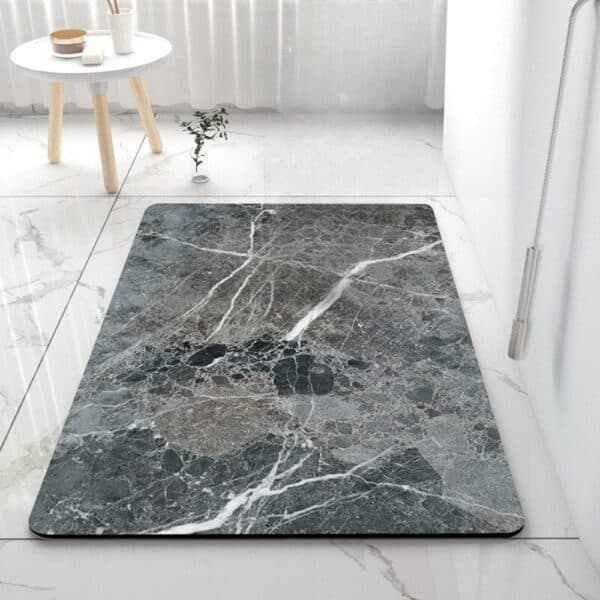
Large Anti Slip Bath Mat
Price range: £27.90 through £55.90 -
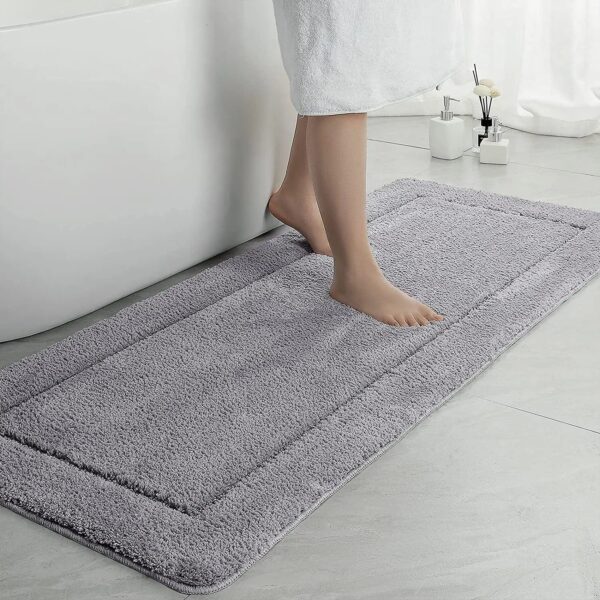
Large Bath Mat
Price range: £55.90 through £71.90 -
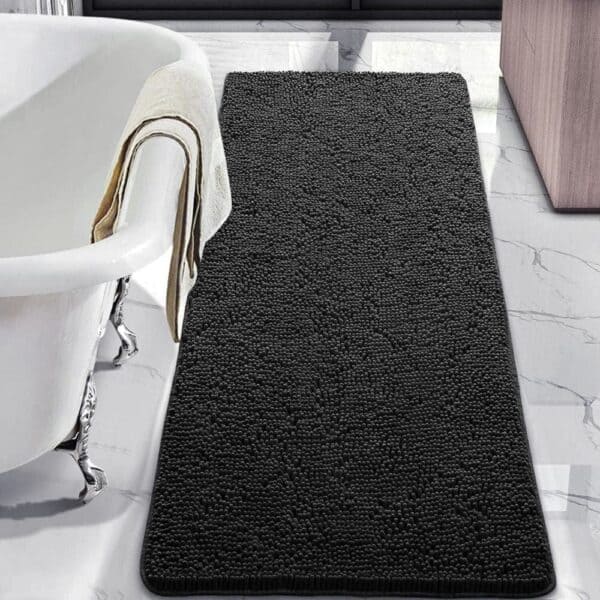
Large Bath Mat 120Cm
£71.90 -
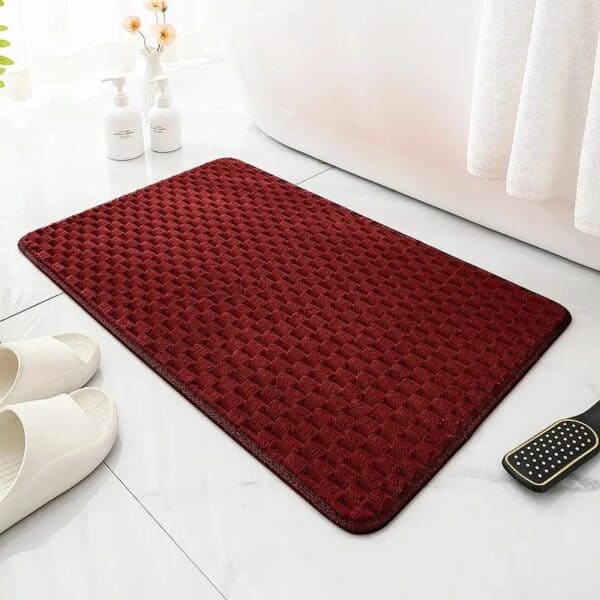
Large Bath Mat Non Slip
Price range: £55.90 through £103.90 -
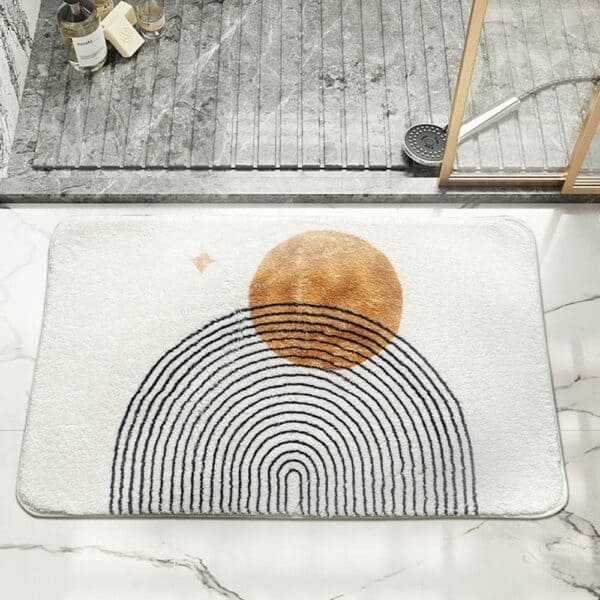
Large Brown Bath Mat
£35.90 -
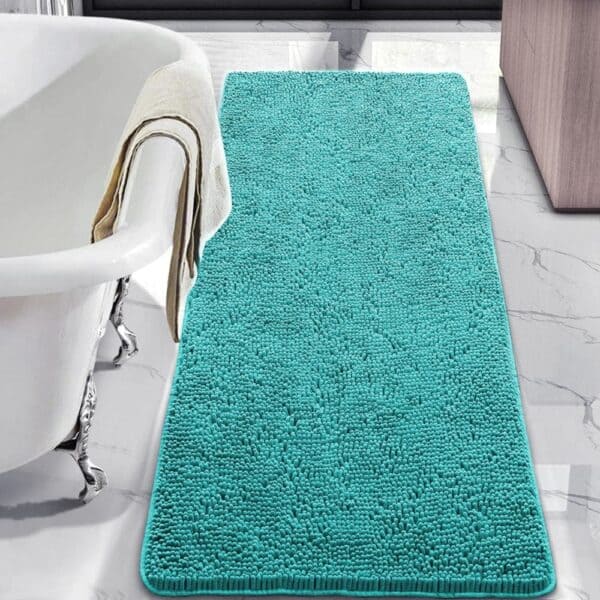
Large Chenille Bath Mat
Price range: £35.90 through £111.90 -
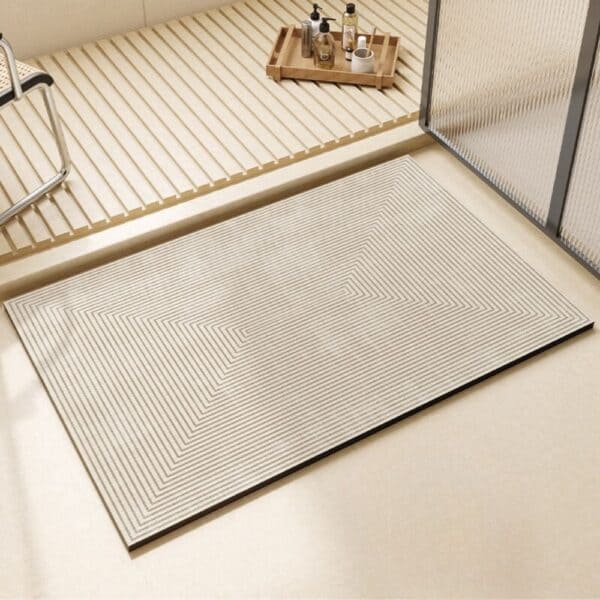
Large Diatomaceous Earth Bath Mat
£103.90 -
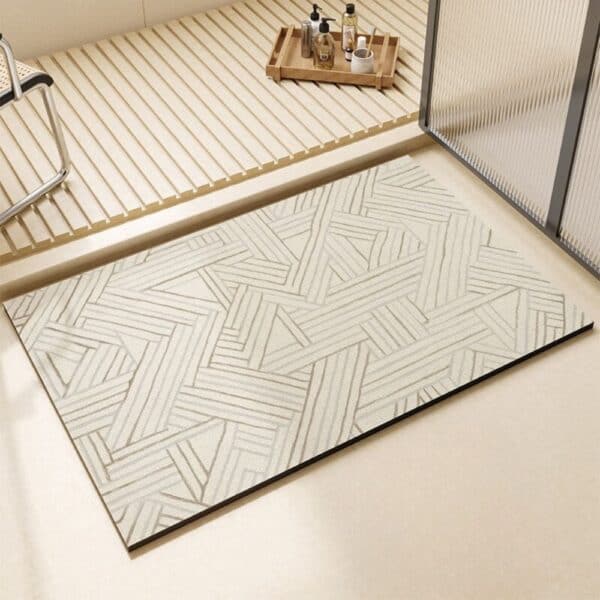
Large Diatomite Bath Mat
Price range: £79.90 through £103.90 -
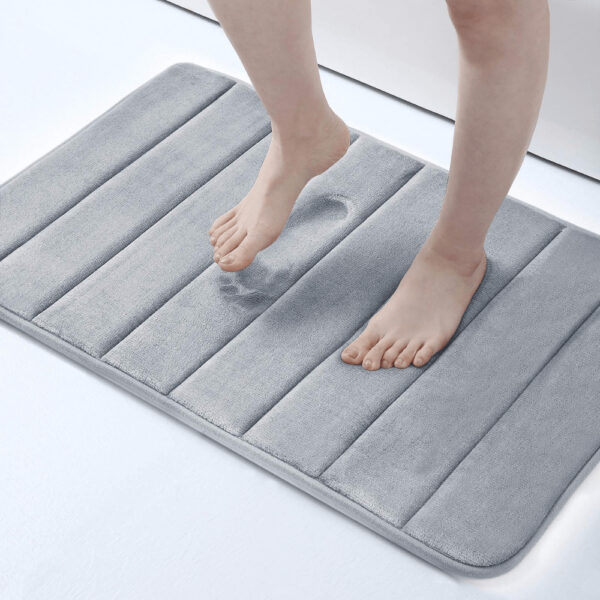
Large Fluffy Bath Mat
£55.90 -
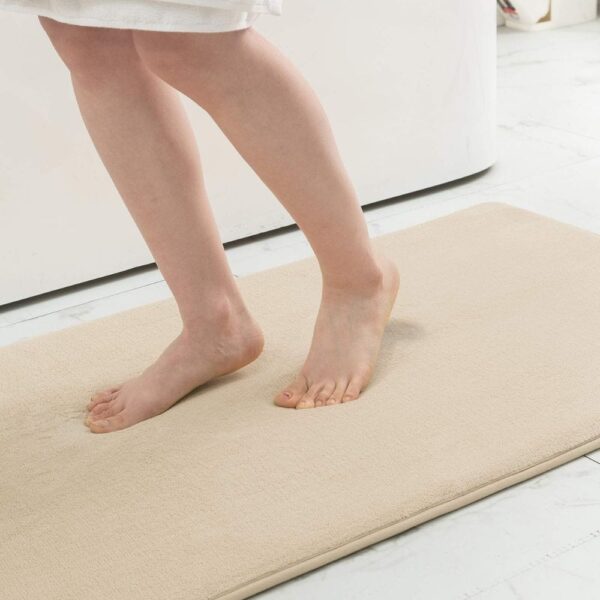
Large Long Bath Mat
£55.90 -
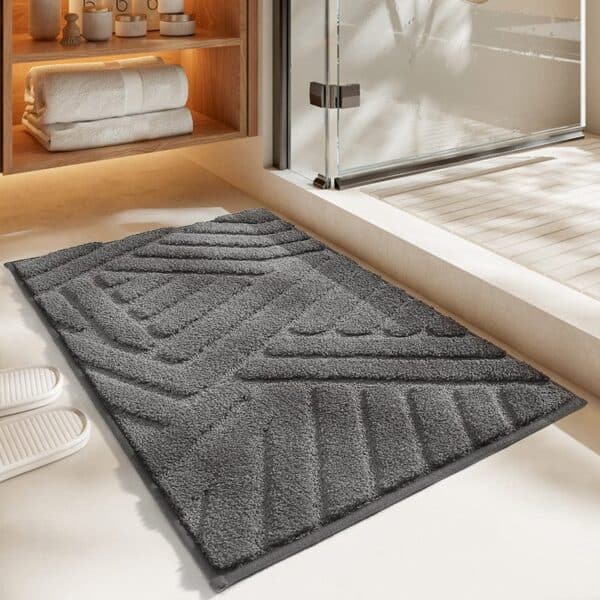
Large Luxury Bath Mat
Price range: £63.90 through £87.90 -
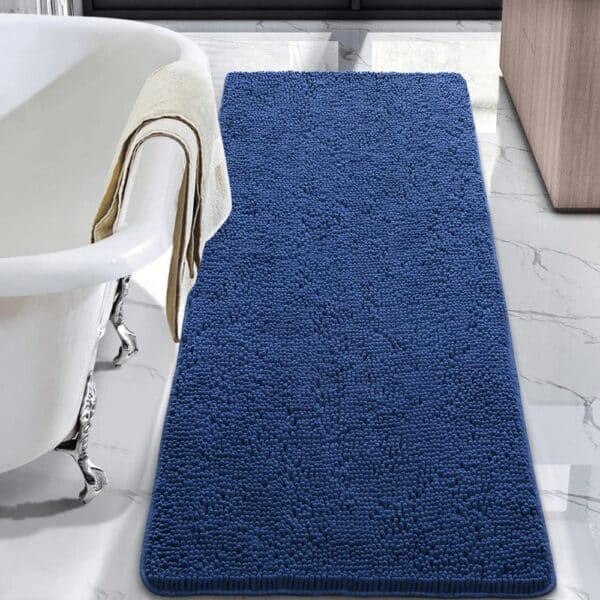
Large Navy Bath Mat
Price range: £75.90 through £111.90 -
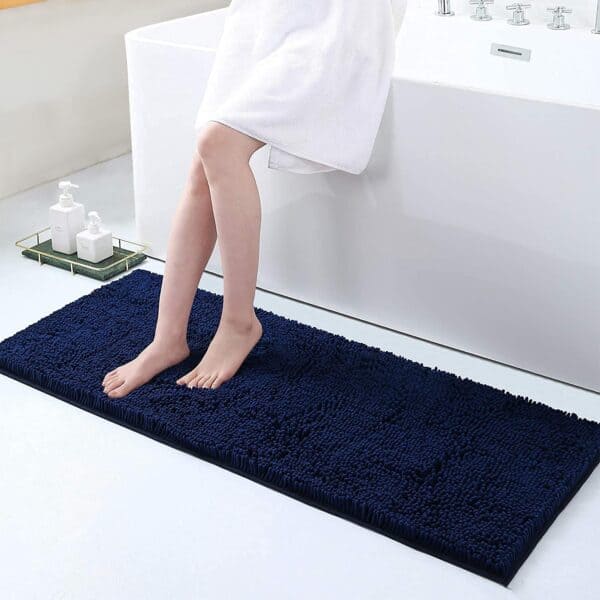
Large Non Slip Bath Mat
Price range: £55.90 through £75.90 -
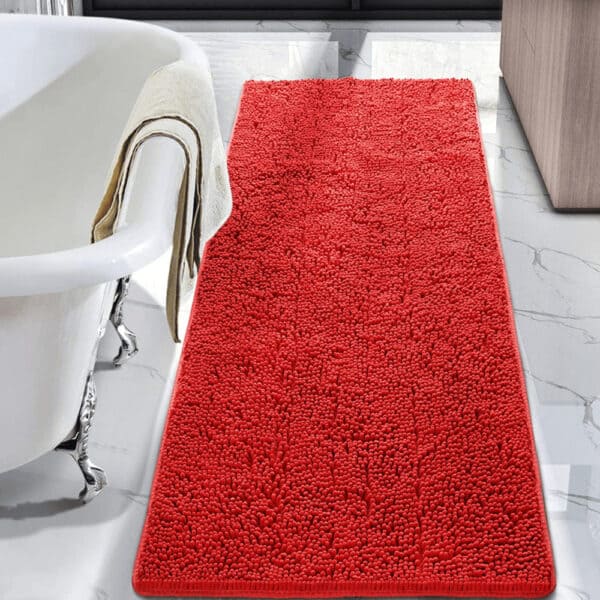
Large Red Bath Mat
Price range: £75.90 through £111.90 -
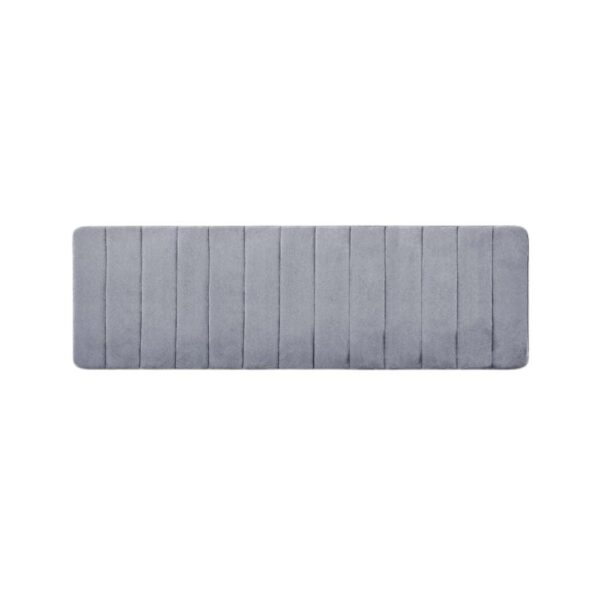
Large Thick Bath Mat
£51.90 -
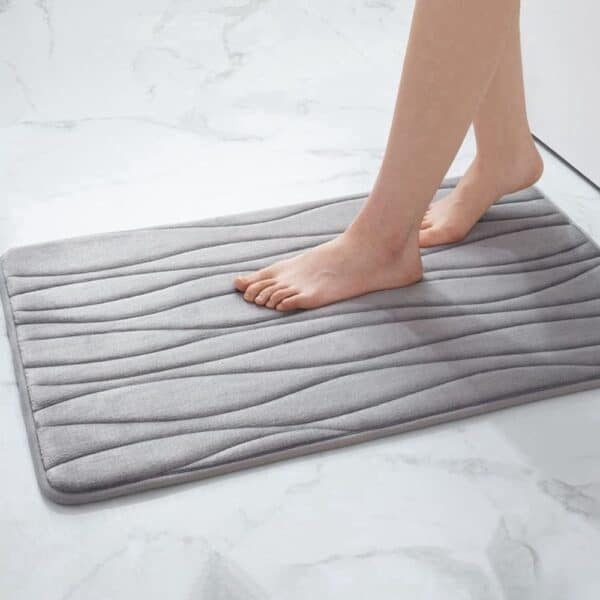
Large Water Absorbent Bath Mat
£51.90 -
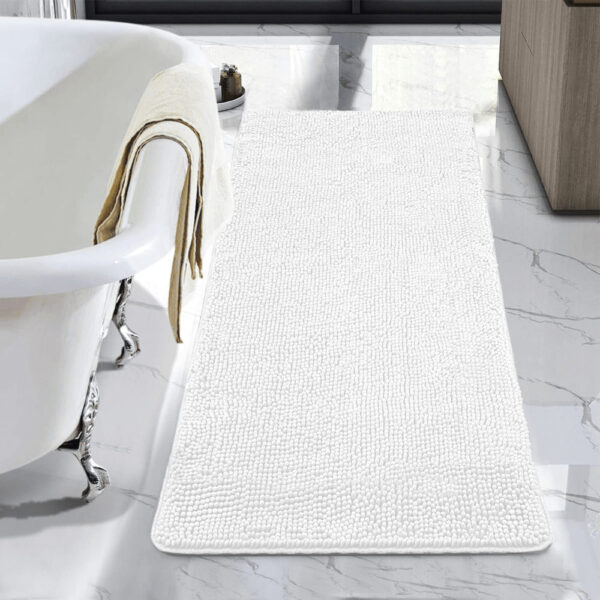
Large White Bath Mat
Price range: £75.90 through £111.90 -
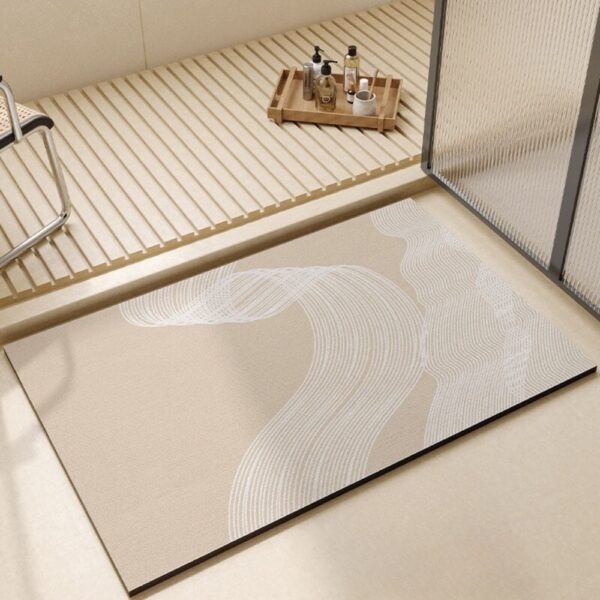
Light Beige Bath Mat
Price range: £47.90 through £103.90 -
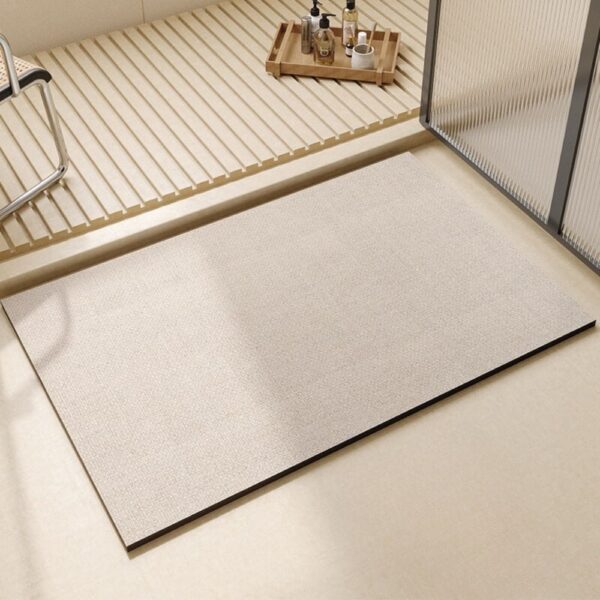
Light Gray Bath Mat
Price range: £47.90 through £103.90 -
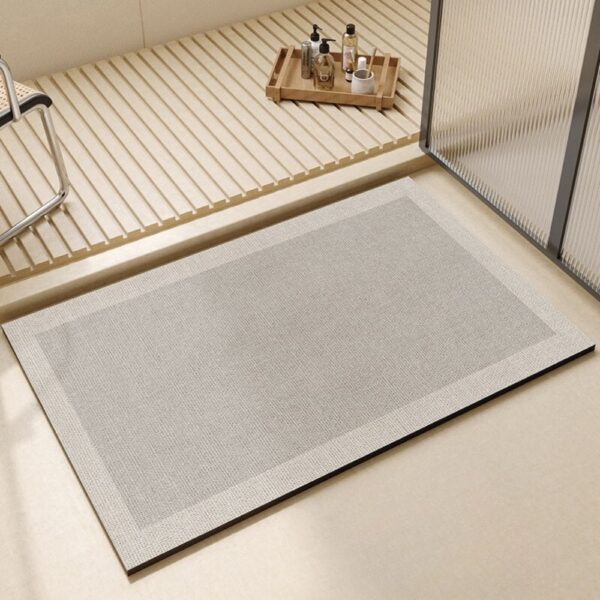
Light Grey Bath Mats
Price range: £47.90 through £103.90 -
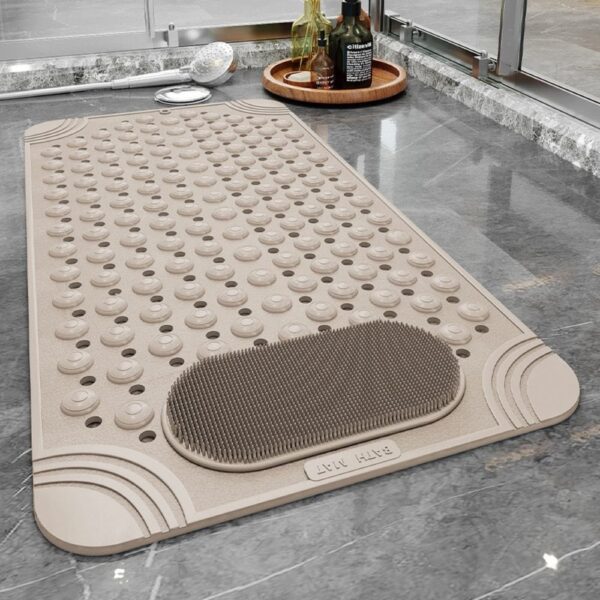
Long Rectangular Bath Mat
Price range: £35.90 through £71.90 -
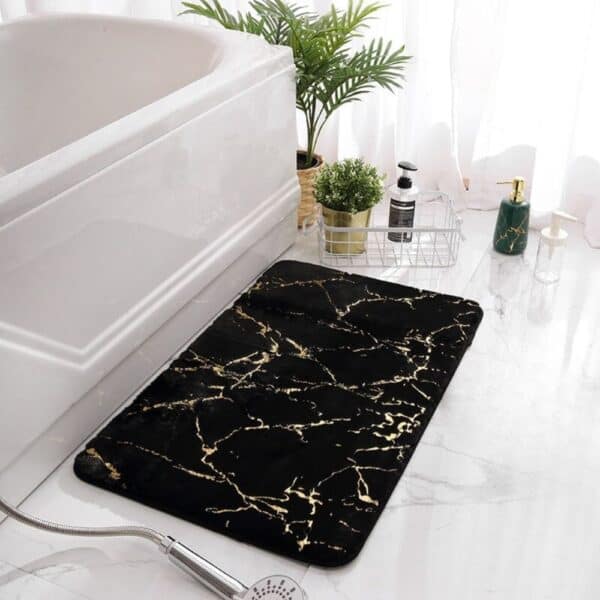
Marble Effect Bath Mat
Price range: £27.90 through £69.90 -
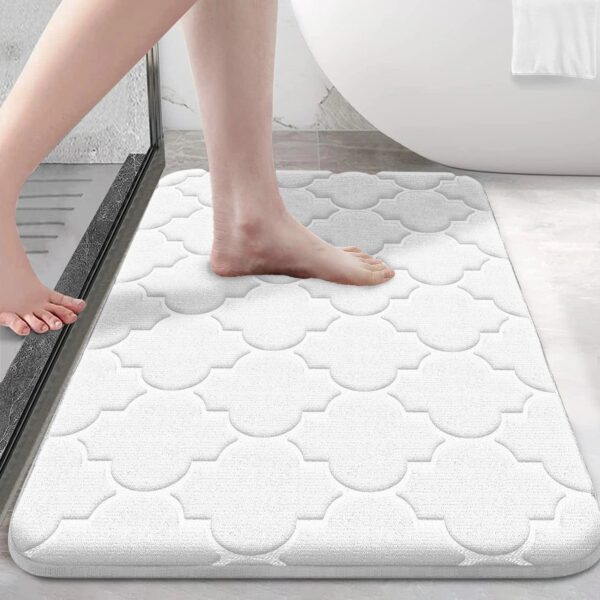
Memory Foam Bath Mat
Price range: £19.90 through £23.90 -
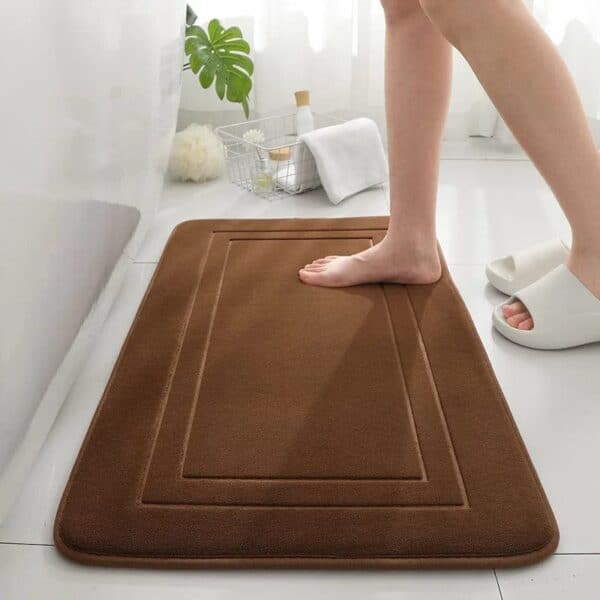
Memory Foam Style Bath Mat
Price range: £29.90 through £37.90 -
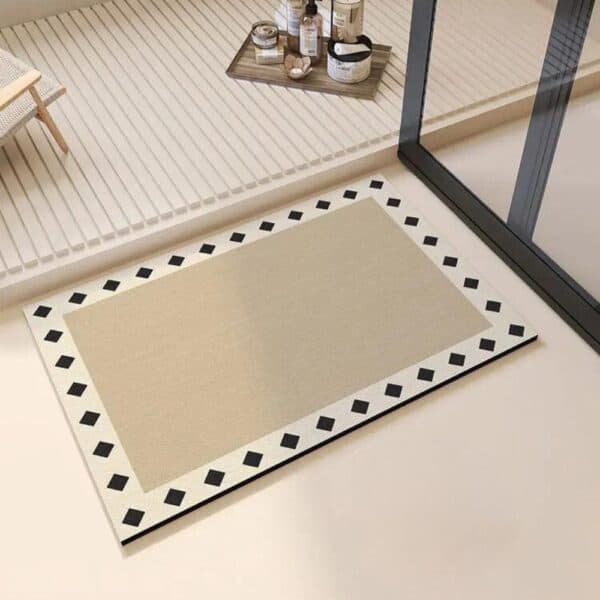
Moonstone Bath Mat Diatomite
Price range: £31.90 through £39.90 -
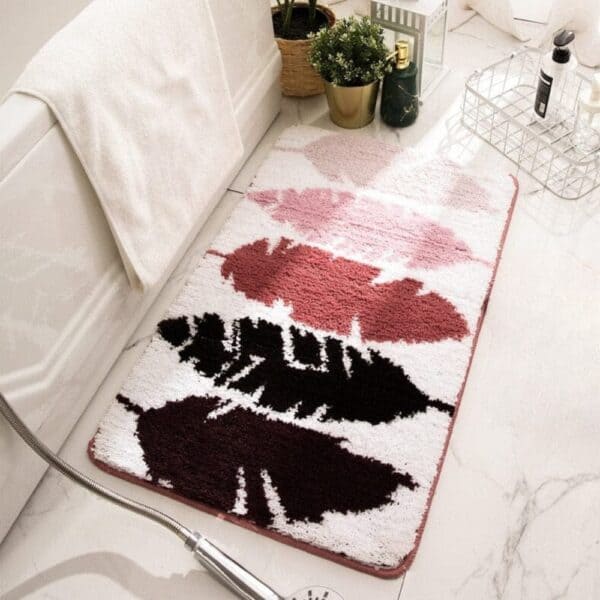
Nature Bath Mat
Price range: £43.90 through £47.90 -
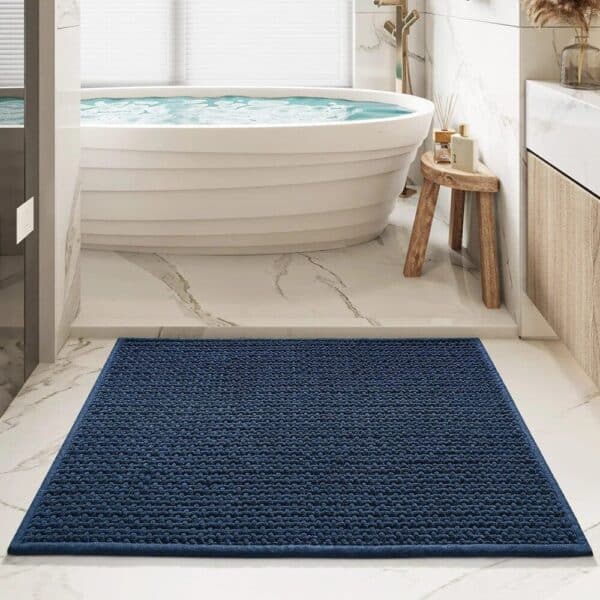
Navy Bath Mat
Price range: £55.90 through £71.90 -
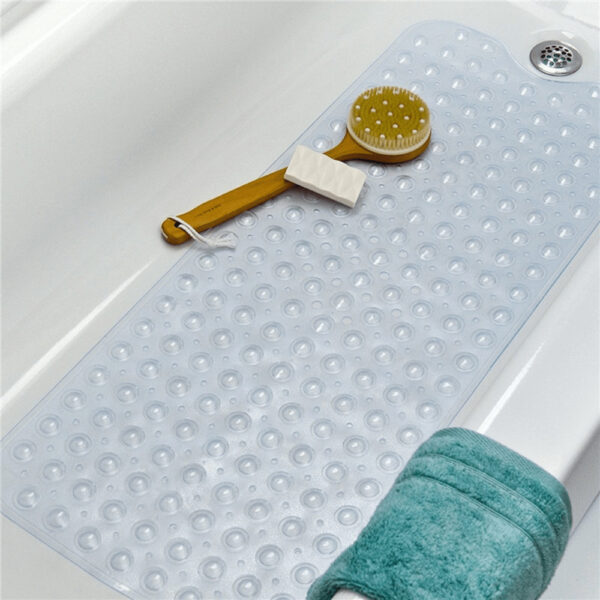
Non Slip Bath Mat For Bathtub
£35.90 -
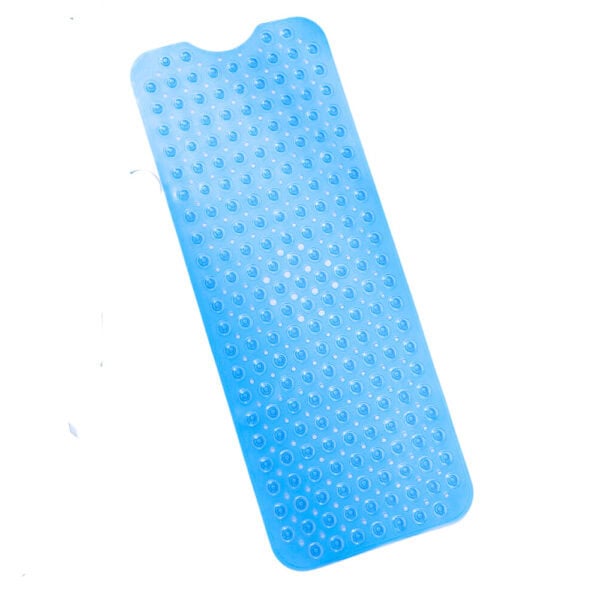
Non Slip Bath Mat For Tub
£35.90 -
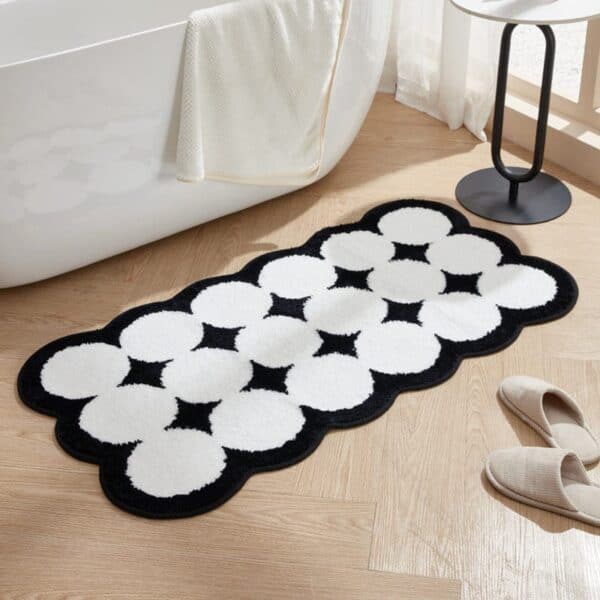
Nordic Bath Mat
Price range: £47.90 through £71.90 -
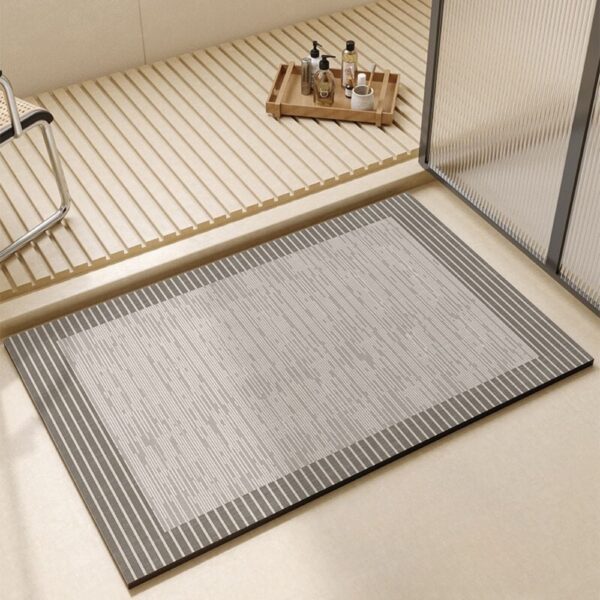
Pale Grey Bath Mat
Price range: £47.90 through £95.90 -
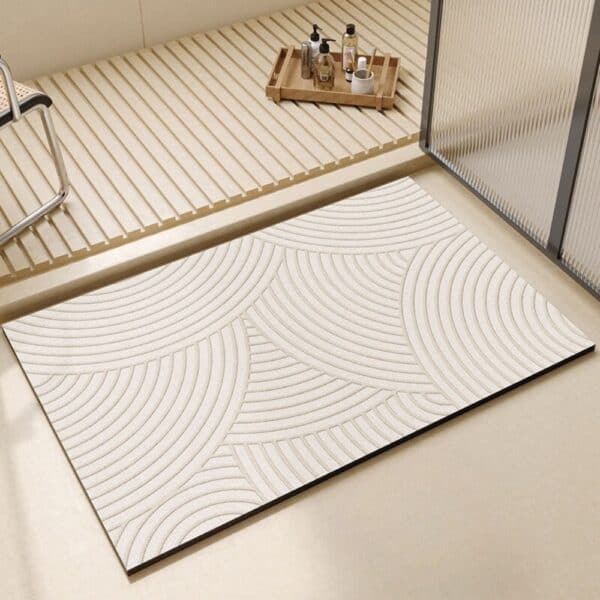
Patterned Bath Mat
Price range: £47.90 through £103.90 -
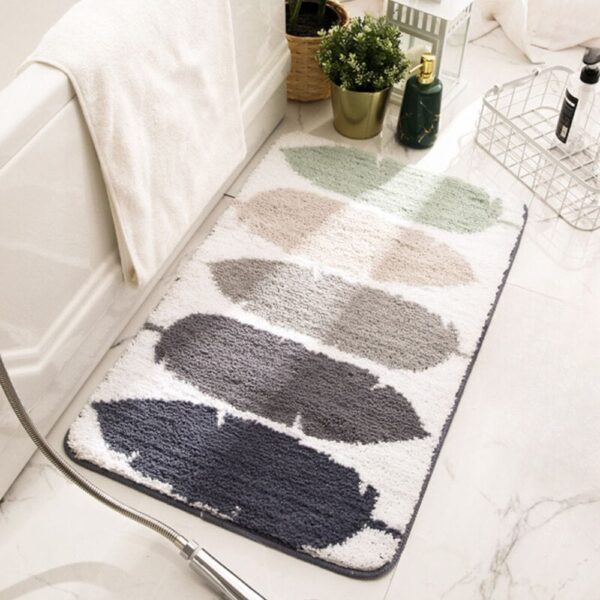
Peacock Bath Mat
Price range: £39.90 through £47.90 -
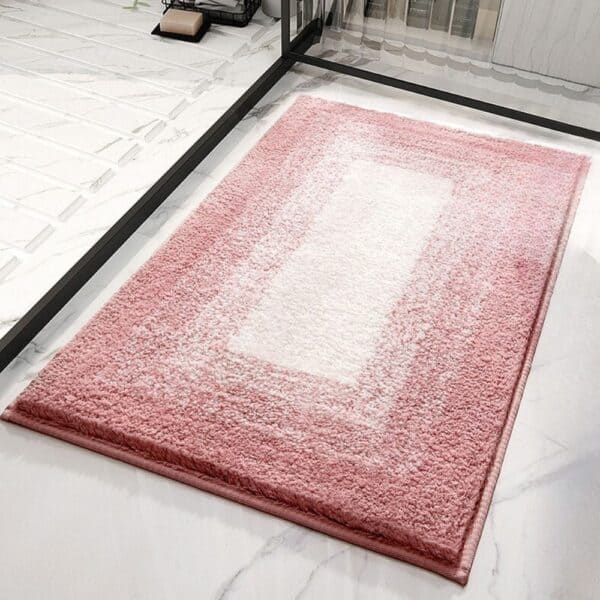
Pink Bath Mat
Price range: £37.90 through £55.90 -
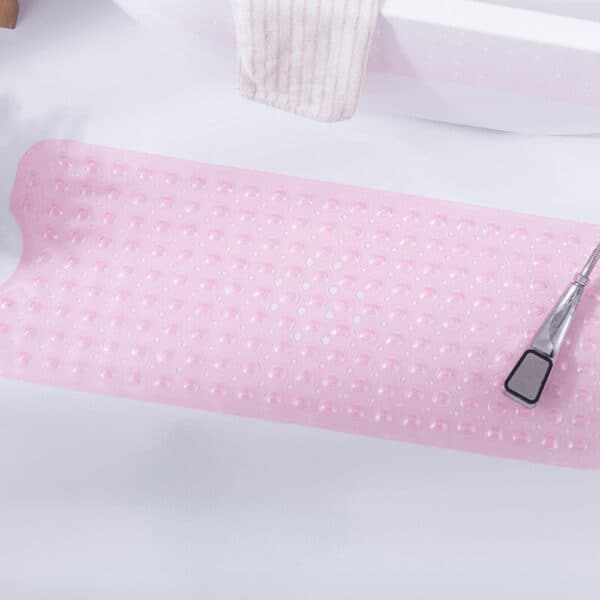
Pink Non Slip Bath Mat
£35.90 -
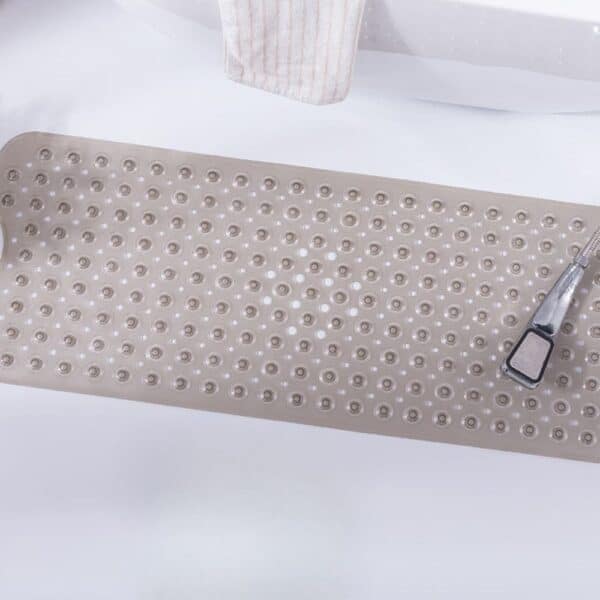
PVC Bath Mat
£35.90 -
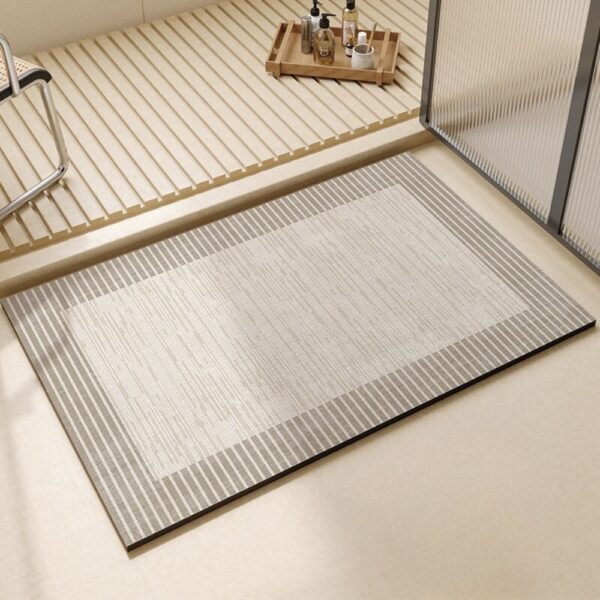
Quick Dry Diatomite Bath Mat
Price range: £47.90 through £95.90 -
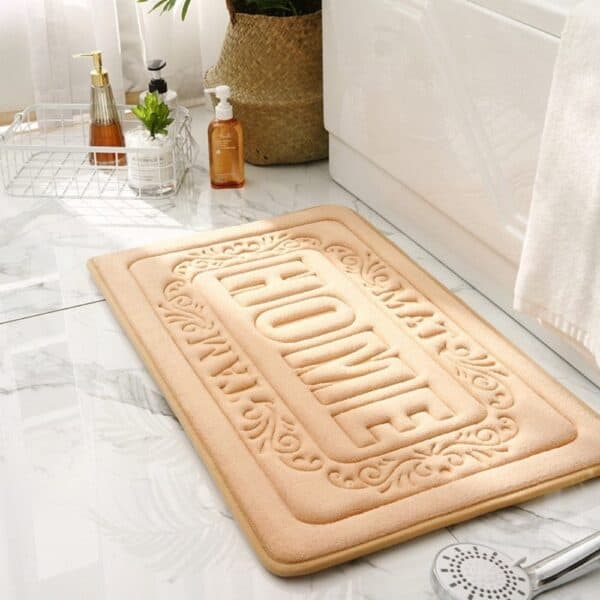
Rectangular Bath Mat
Price range: £27.90 through £35.90 -
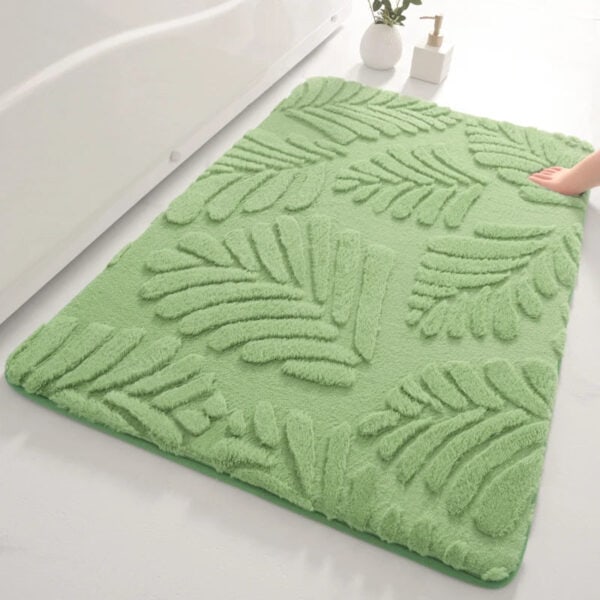
Sage Green Bath Mat
Price range: £35.90 through £43.90 -
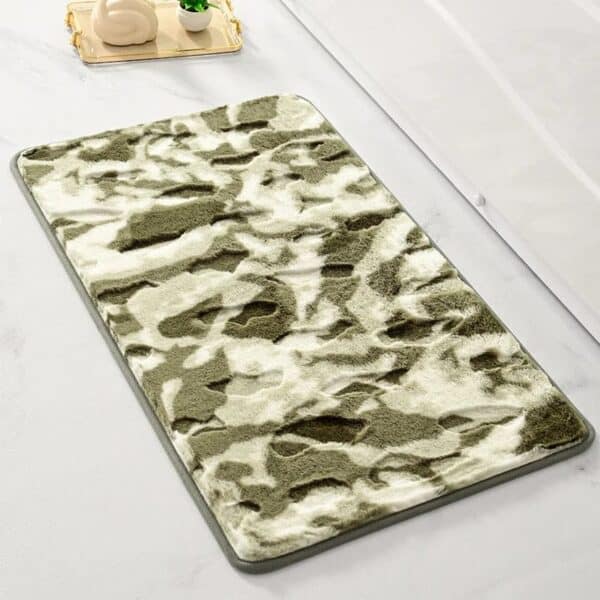
Shaggy Bath Mat
Price range: £35.90 through £51.90 -
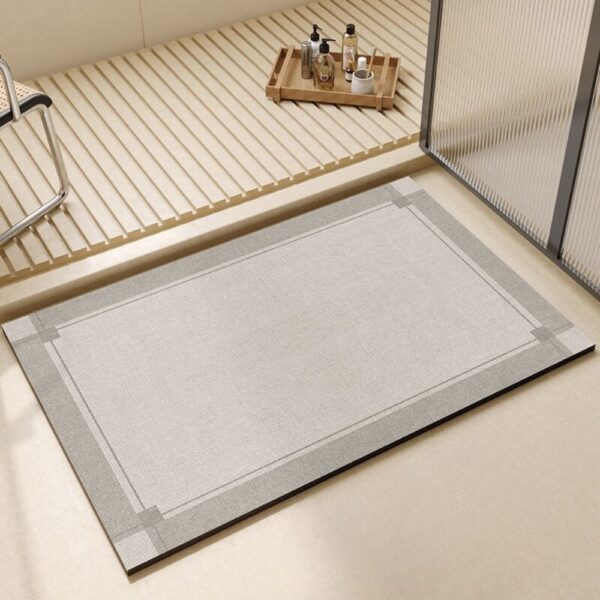
Silver Grey Bath Mat
Price range: £47.90 through £103.90 -
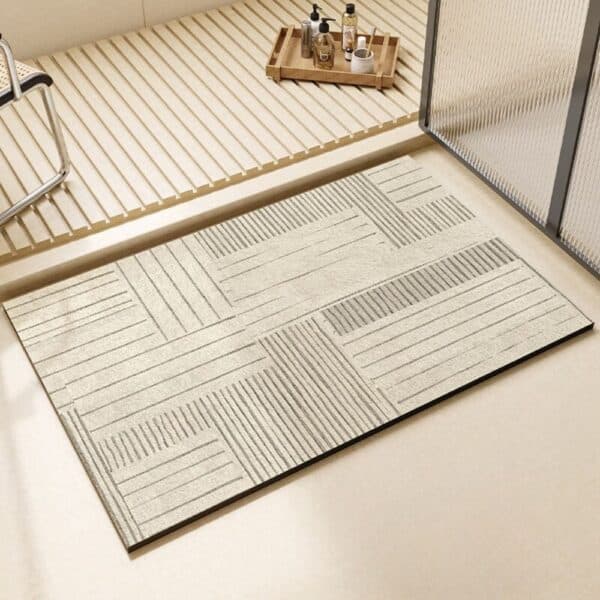
Soft Diatomite Bath Mat
Price range: £47.90 through £103.90 -
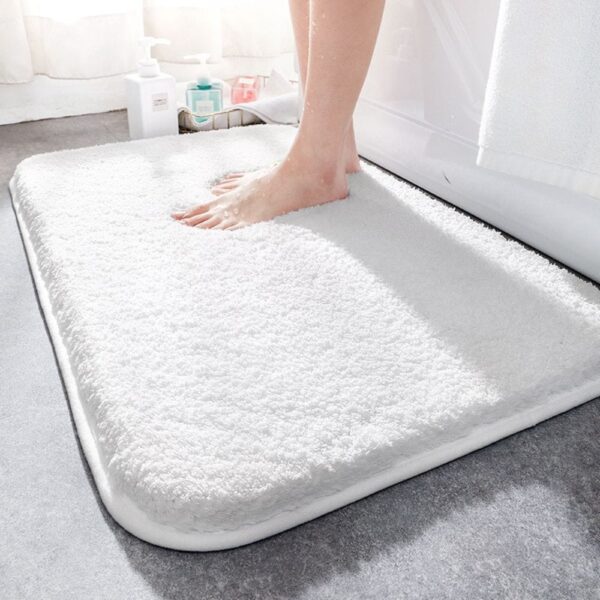
Super Absorbent Bath Mat
Price range: £39.90 through £55.90 -
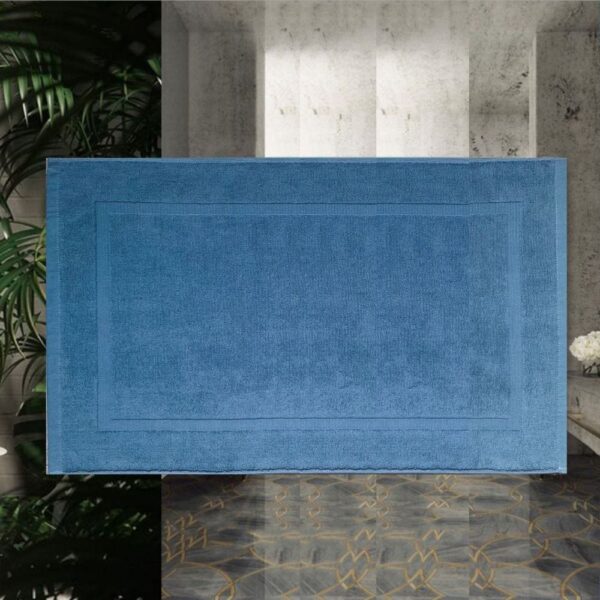
Teal Bath Mat
Price range: £25.90 through £31.90 -
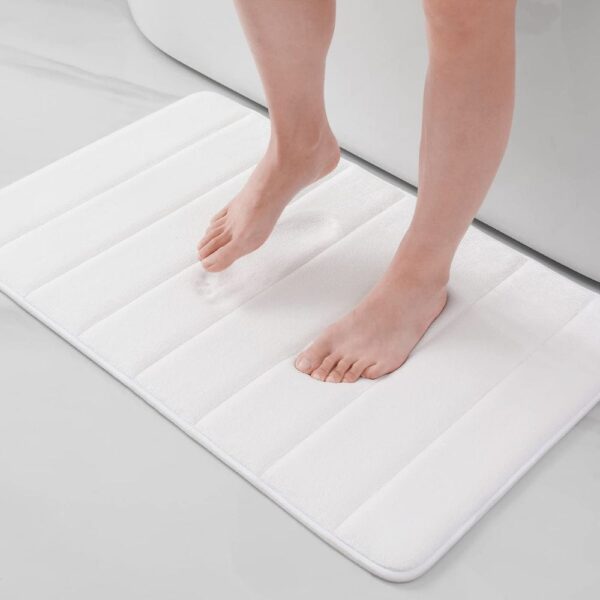
Thick Bath Mat
£63.90 -
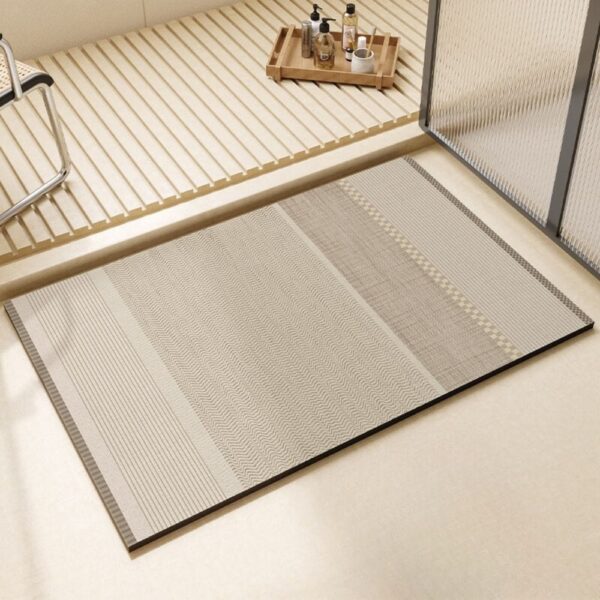
Thin Grey Bath Mat
Price range: £47.90 through £103.90 -
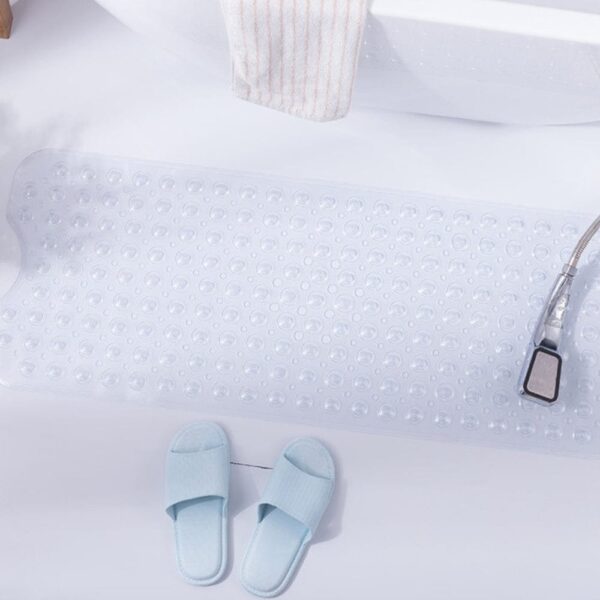
Transparent Bath Mat
£35.90 -
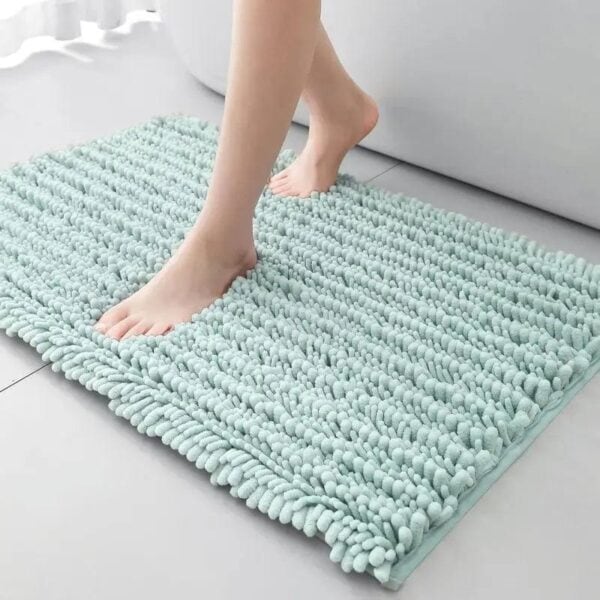
Turquoise Blue Bath Mat
Price range: £39.90 through £63.90 -
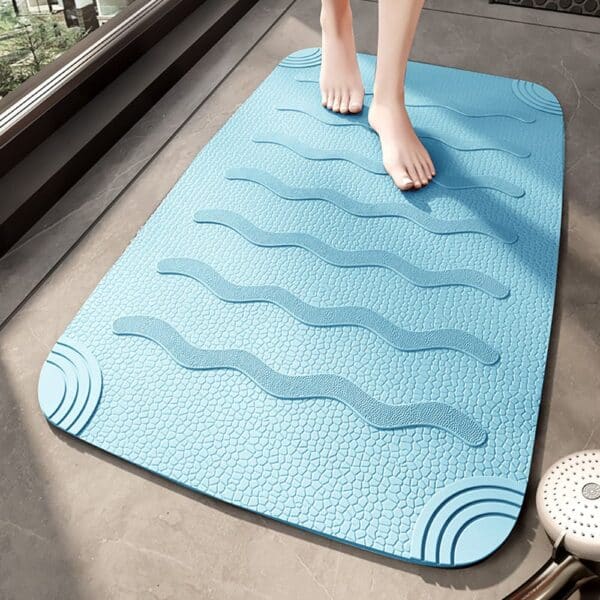
Walk In Shower Bath Mat
£55.90 -
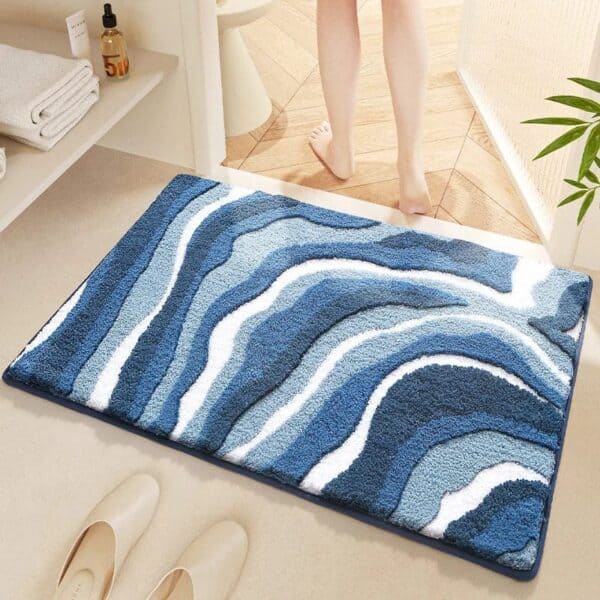
Wave Mat For Bath
Price range: £37.90 through £45.90 -
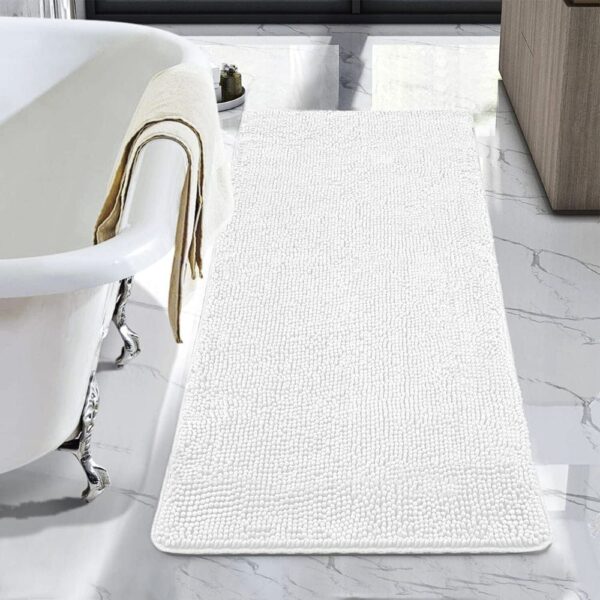
White Bath Mat Non Slip
Price range: £35.90 through £111.90 -
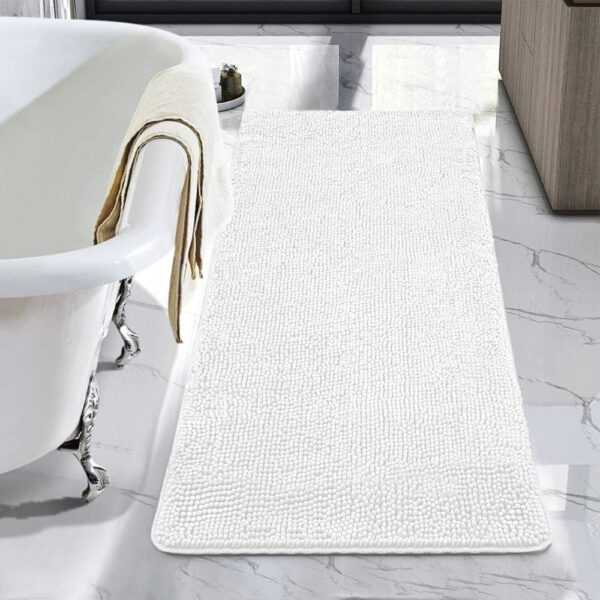
White Chenille Bath Mat
Price range: £35.90 through £75.90 -
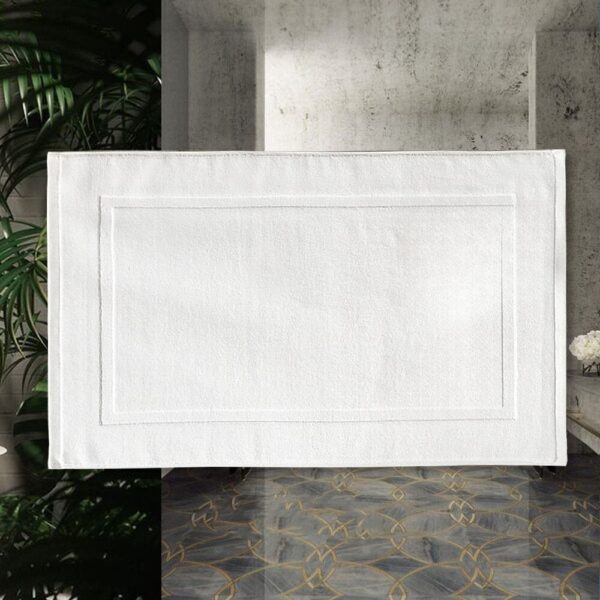
White Cotton Bath Mat
Price range: £25.90 through £31.90 -
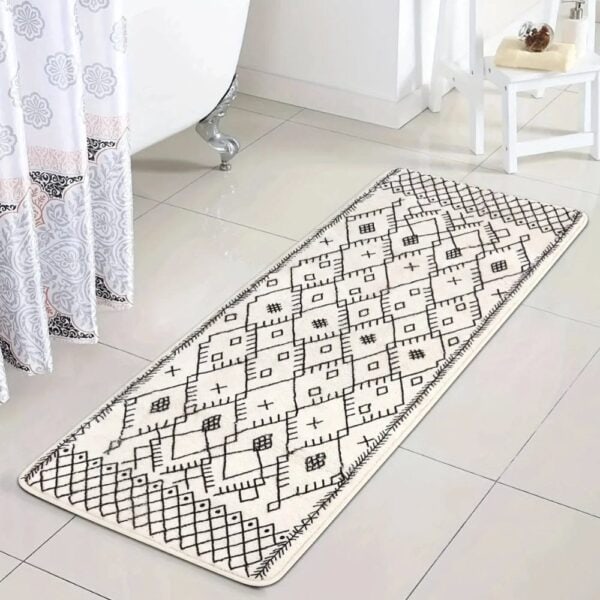
Xlarge Bath Mat
Price range: £55.90 through £71.90 -
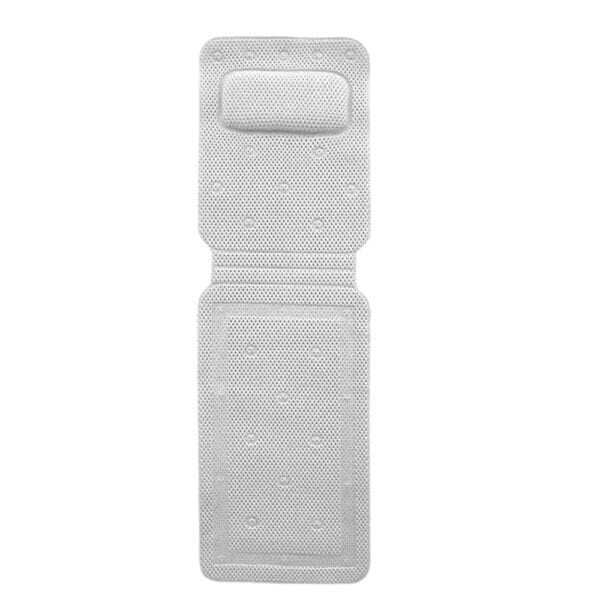
Xxl Bath Mat
£43.90
×