Choosing the right mat for your bathtub is a surprisingly consequential decision. The wrong choice creates frustration at every wash, while the right one simply disappears into your routine.
What sets bathtub mats apart from other bath mats
A bathtub mat is designed to sit inside the tub itself, not on the floor beside it. This distinction matters enormously when it comes to material, drainage, and surface grip. Floor mats absorb water; tub mats must drain it. They sit directly beneath your feet and body on a wet, curved or flat porcelain surface, so the engineering priorities are quite different.
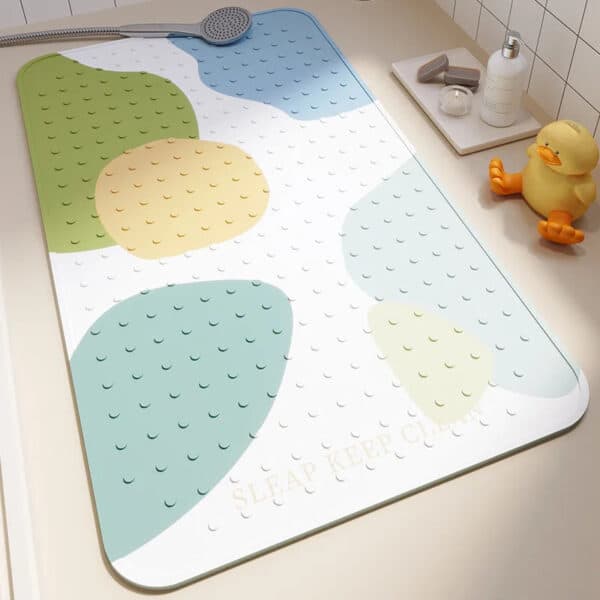
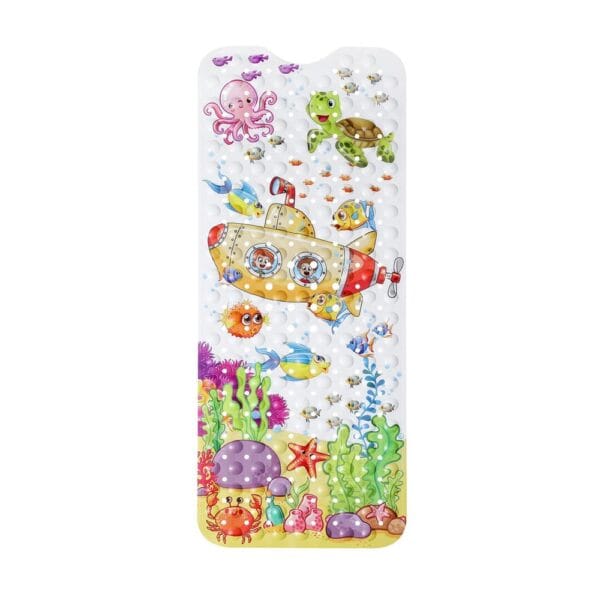
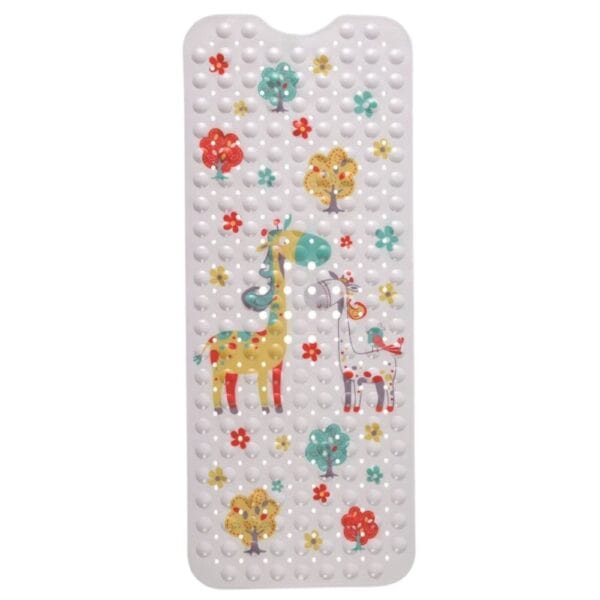
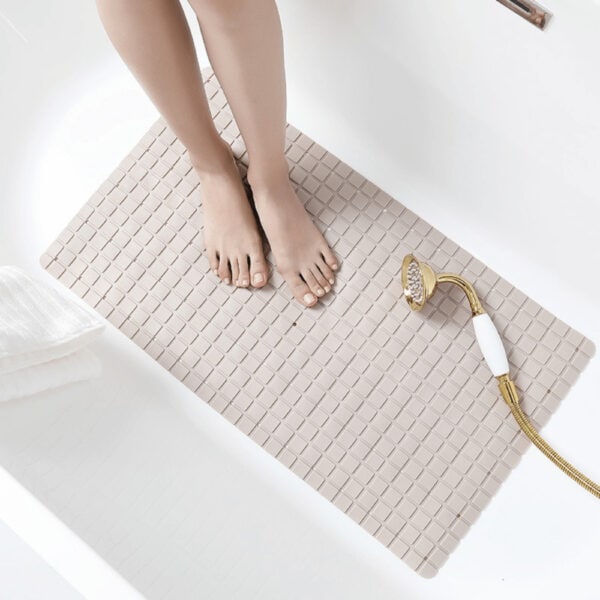
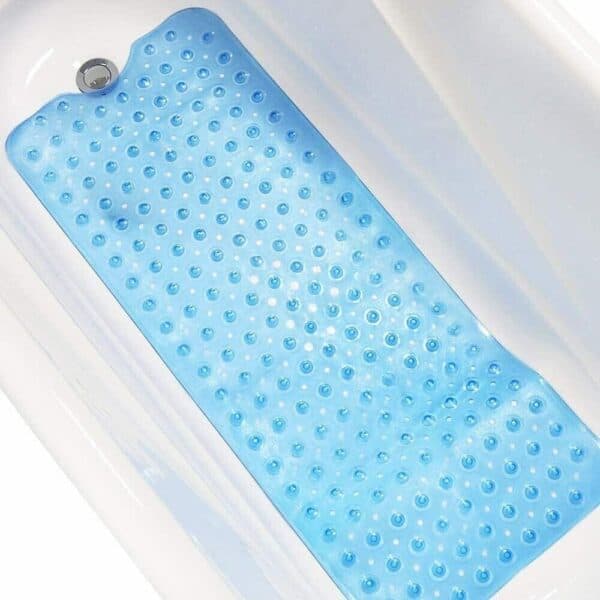
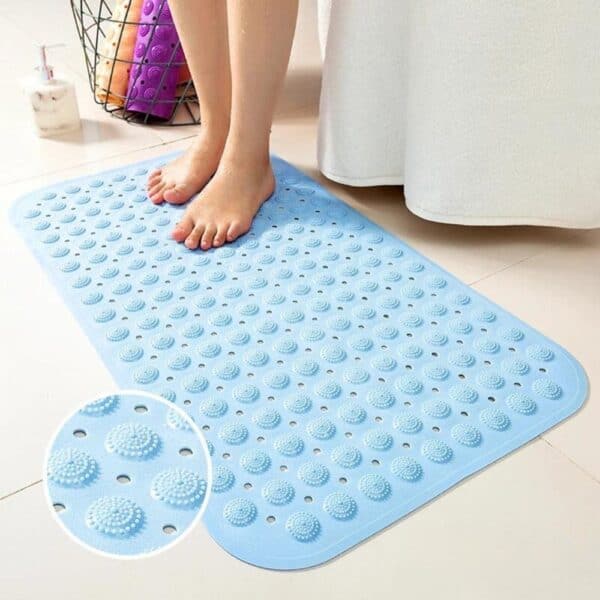
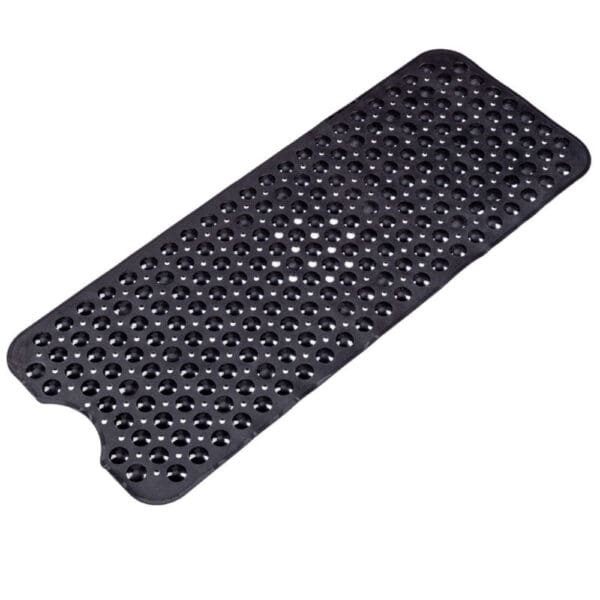
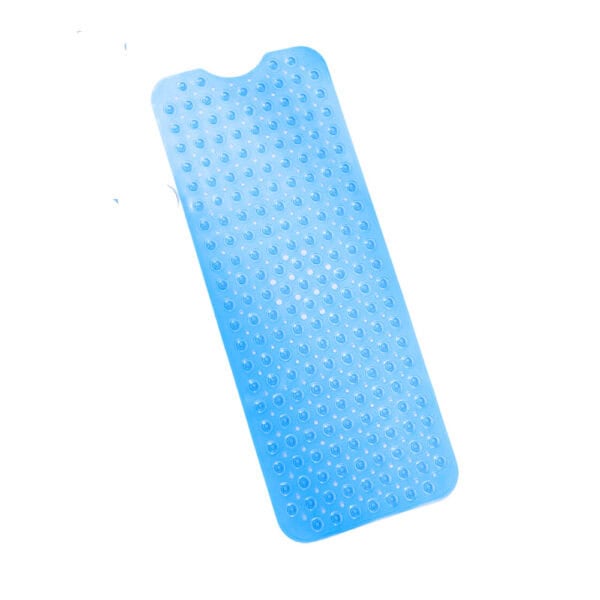
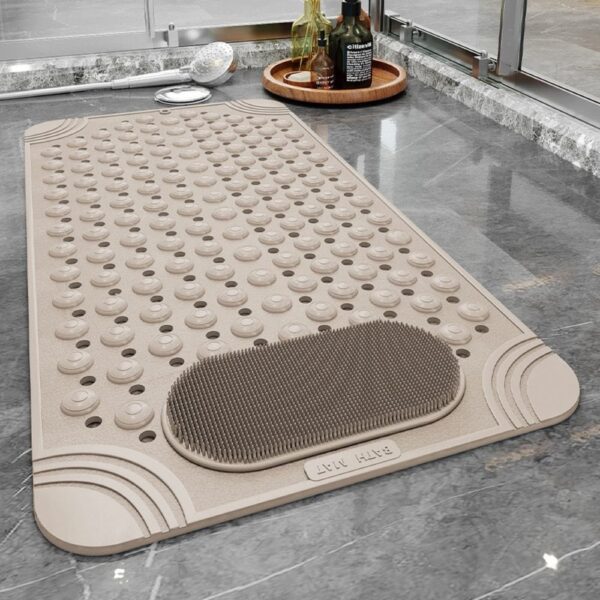
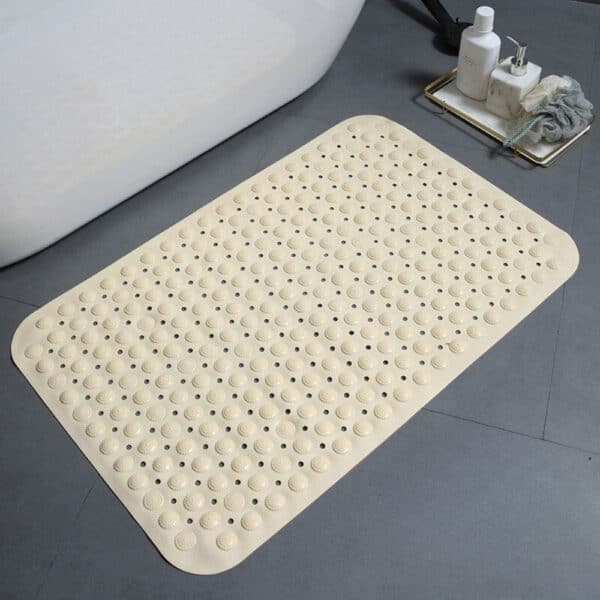
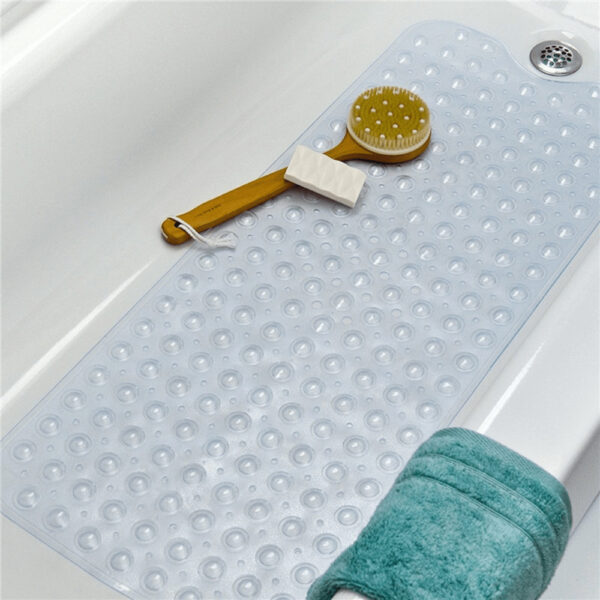
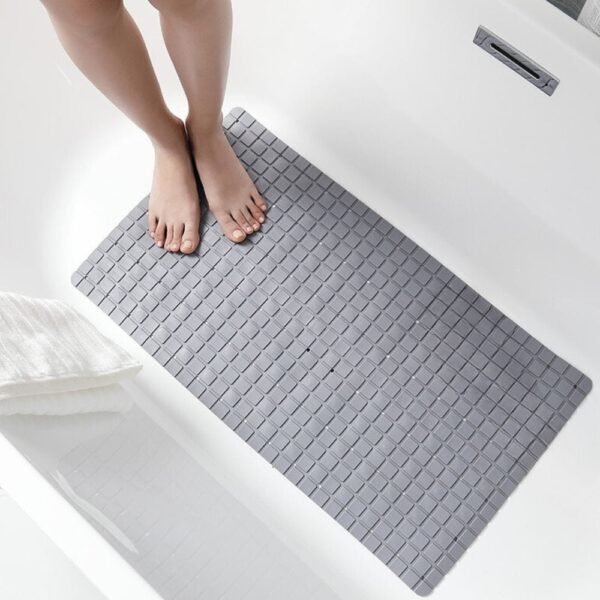
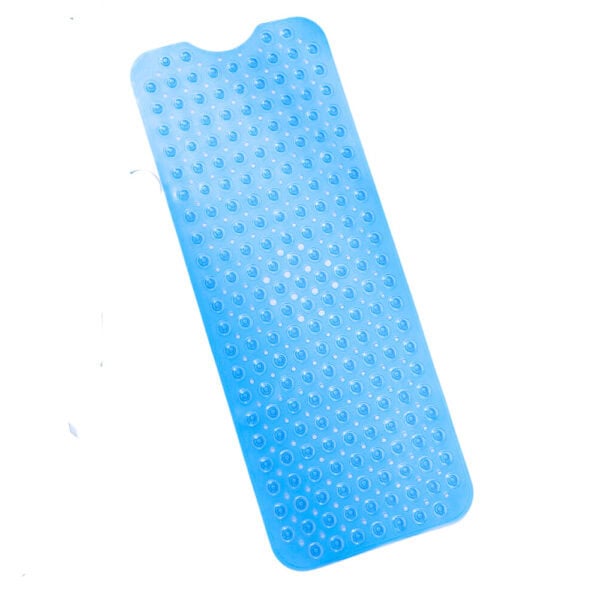
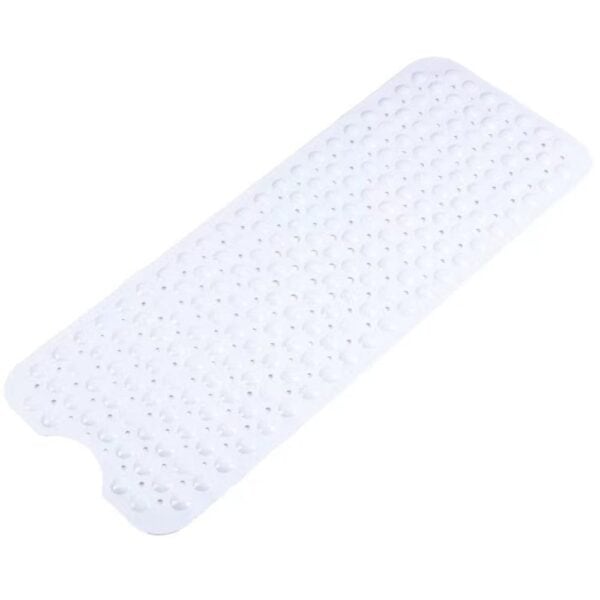
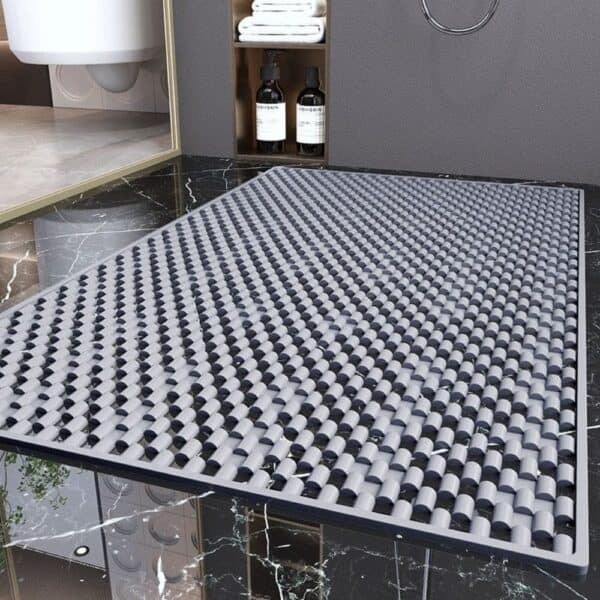
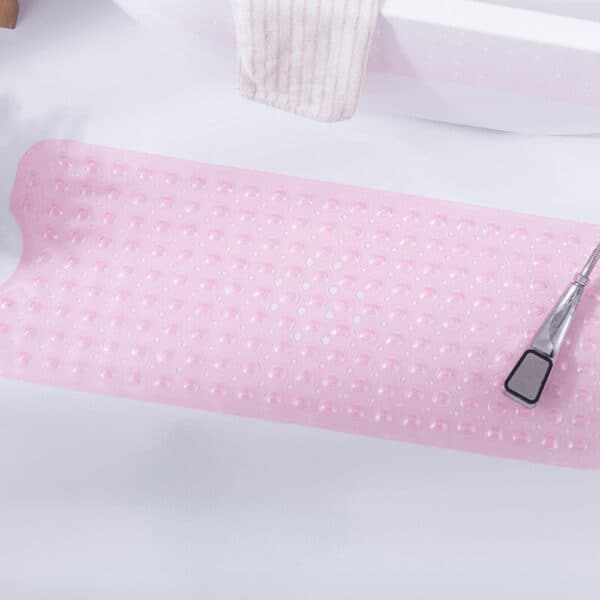
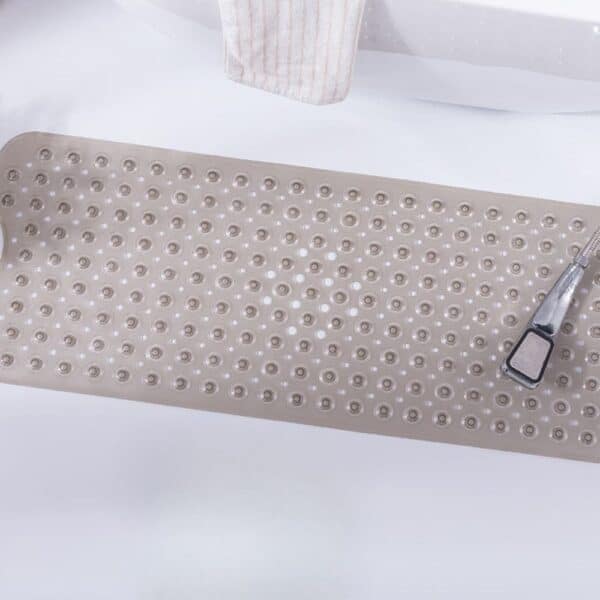
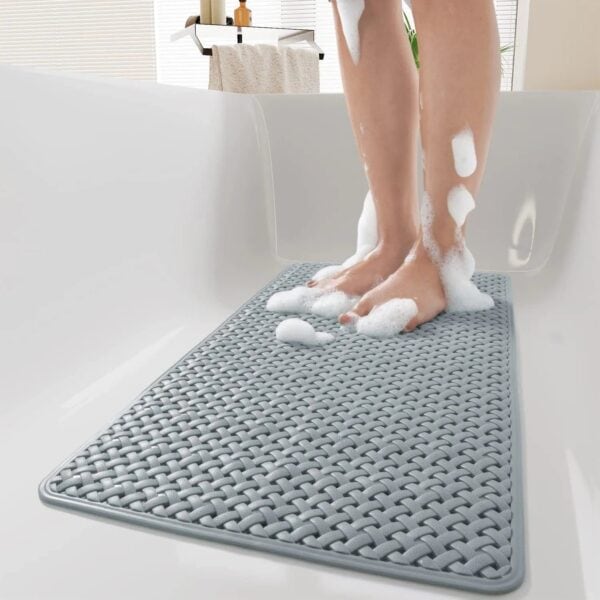
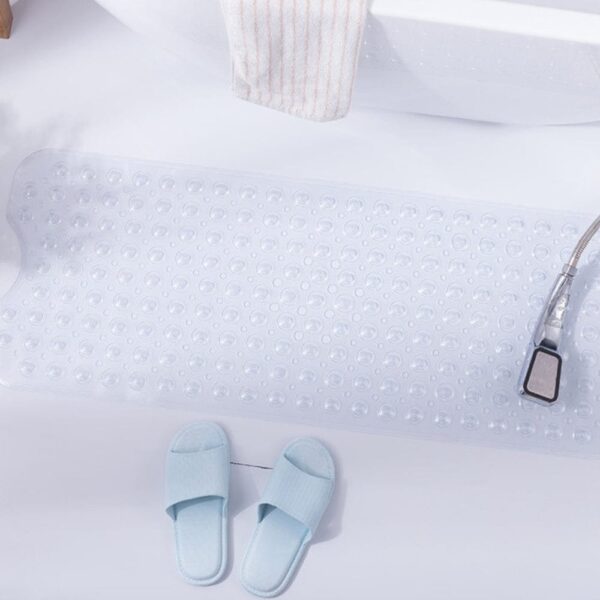
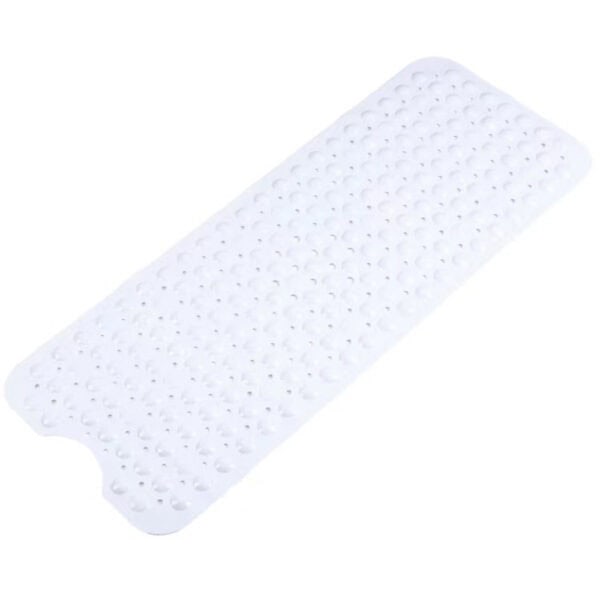
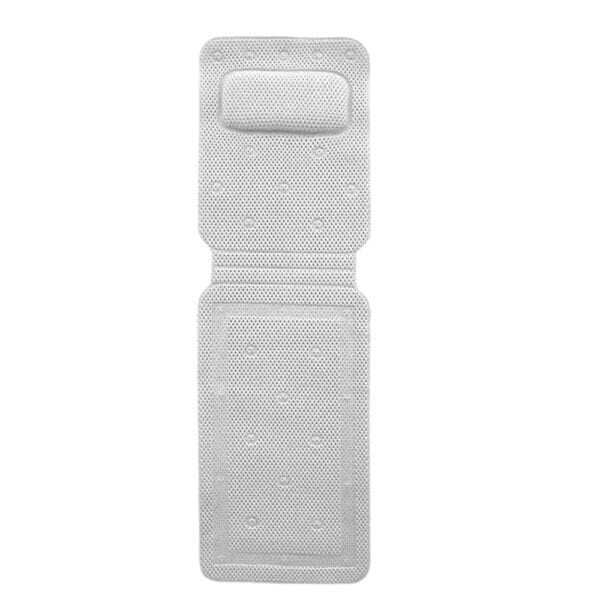
Most tub mats rely on suction cups or textured PVC undersides to anchor against the tub floor. The top surface varies: some feature raised nodules or ridges that channel water away from underfoot, while others use a softer, cushioned construction suited to bathing young children or adults who prefer a gentler surface. Long rectangular formats cover a greater portion of the tub floor, which suits taller users or those who prefer to sit rather than stand.
How to choose the right bathtub mat
Size and tub compatibility
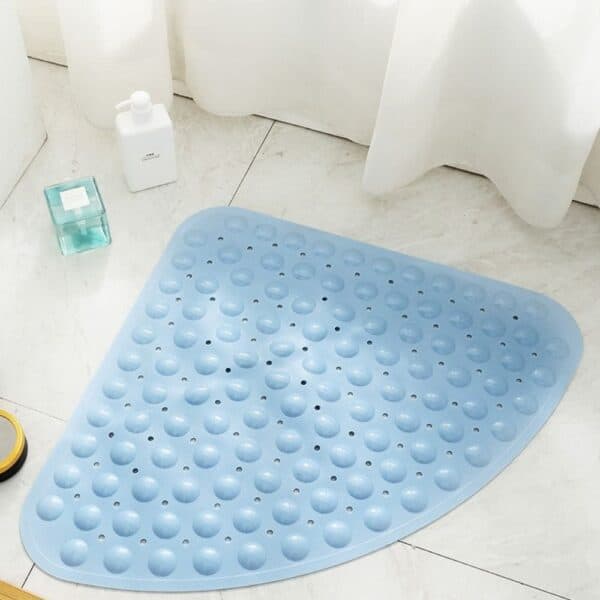
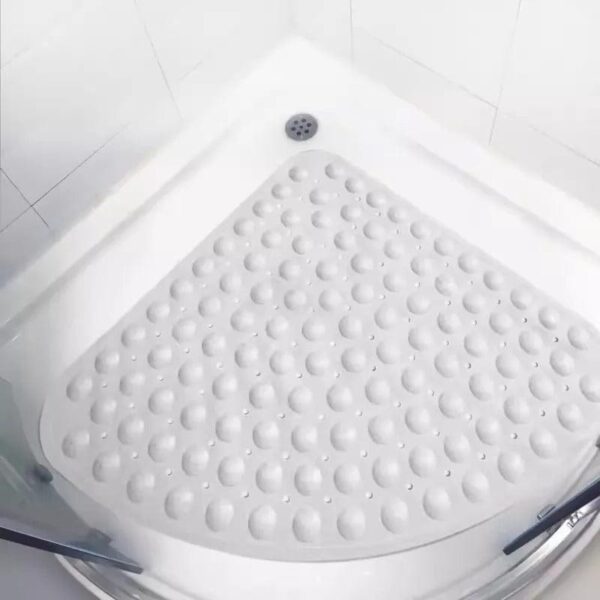
Measure your tub floor before browsing. Standard bathtubs in the UK range from roughly 150 cm to 180 cm in length, but the usable flat base is considerably shorter. A mat that is too long will buckle against the sloped ends, lifting the suction cups and reducing grip. A mat that is too short leaves the edges of the tub unprotected. Long rectangular mats tend to suit standard straight-sided tubs well, while compact or contoured designs fit corner baths and smaller shower-bath combinations.
Surface texture and drainage
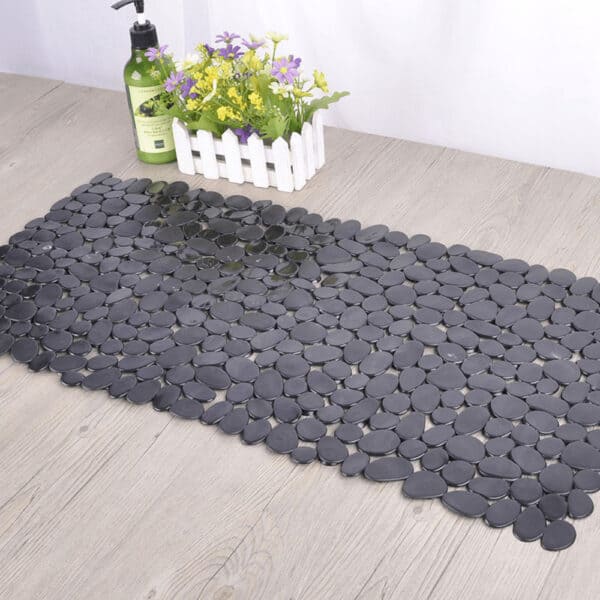
Look at how the mat handles standing water. Raised patterns, grid structures, and perforated surfaces all allow water to flow beneath the mat rather than pooling. Pooled water under a mat is the primary cause of mould build-up over time, so drainage channels are worth prioritising. If you are browsing non-slip bath mat options more broadly, you will notice that tub-specific designs almost always feature more aggressive drainage geometry than floor versions.
Baby and child use
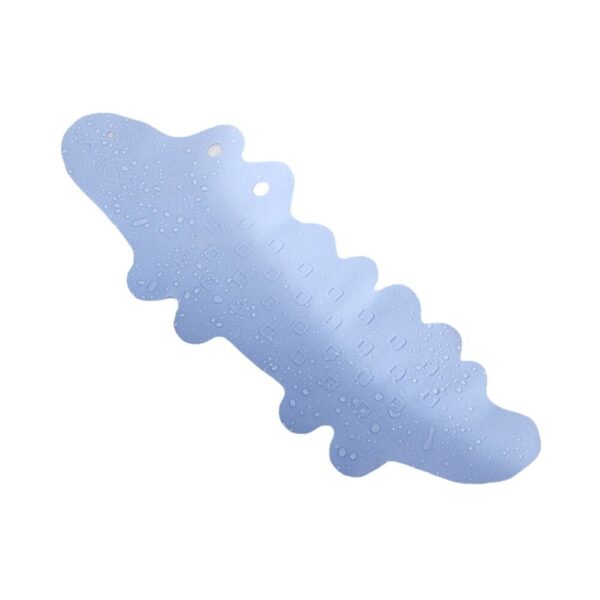
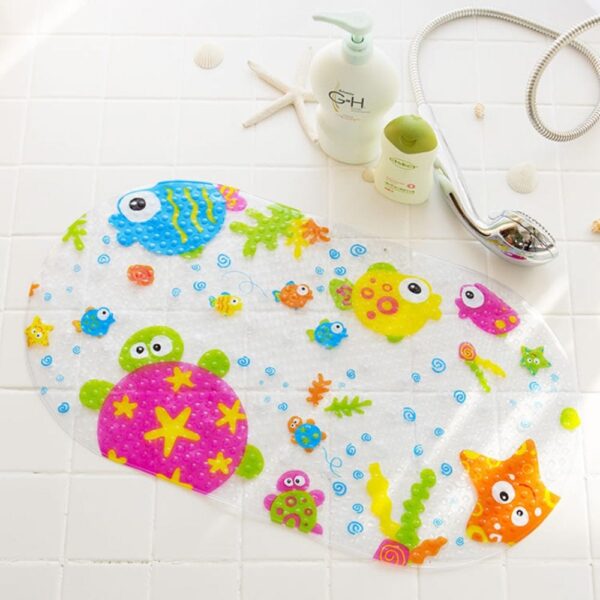
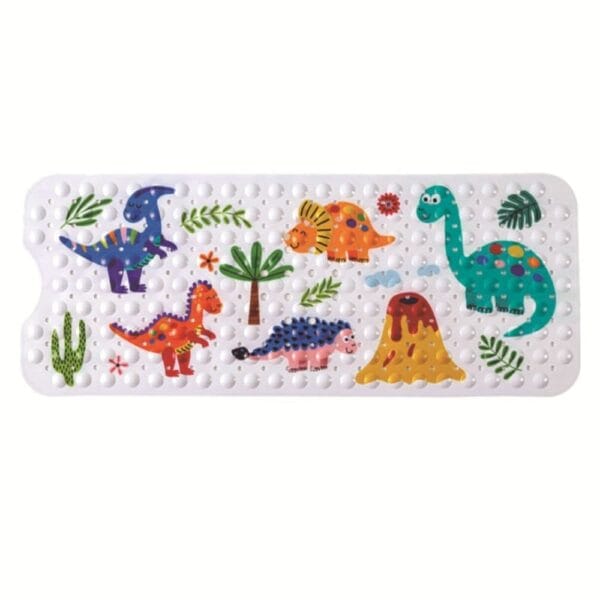
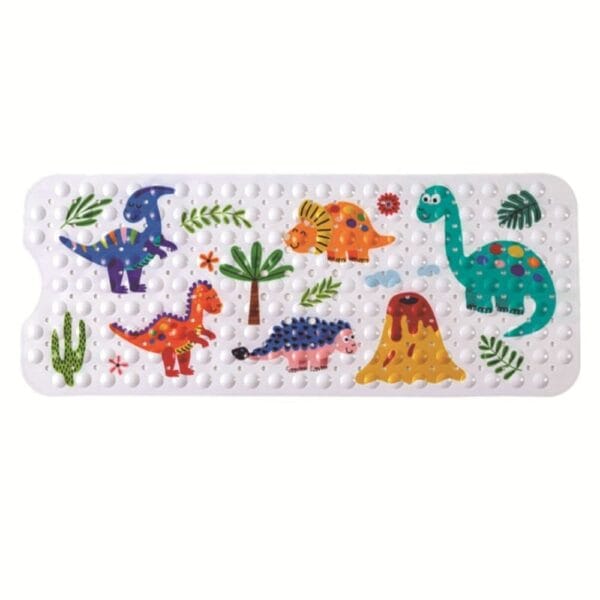
For families with young children, a dedicated baby bath sink mat or a soft bathing mat designed for infants addresses a very specific need. These tend to be smaller, contoured to cradle a baby safely, and made with softer materials that cushion against the hard tub surface. They differ meaningfully from adult tub mats, so it is worth treating them as a separate purchase rather than adapting an adult mat for infant use.
Worth knowing : Suction cups lose their grip over time, particularly on textured tub surfaces. Check the underside of your mat every few weeks and press the cups firmly back into place. If suction no longer holds, it is time to replace the mat regardless of how the top surface looks.
Material comparison at a glance
| Material |
Typical feel underfoot |
Drainage |
Care |
| PVC / vinyl |
Firm, textured |
Good (perforations or channels) |
Rinse and hang to dry |
| Rubber |
Slightly cushioned |
Moderate (depends on design) |
Rinse; some are machine washable |
| Foam (EVA) |
Soft, cushioned |
Lower (surface absorption) |
Hand wash; dry flat |
| Fabric / microfibre |
Soft and warm |
Low (absorbs rather than drains) |
Machine washable |
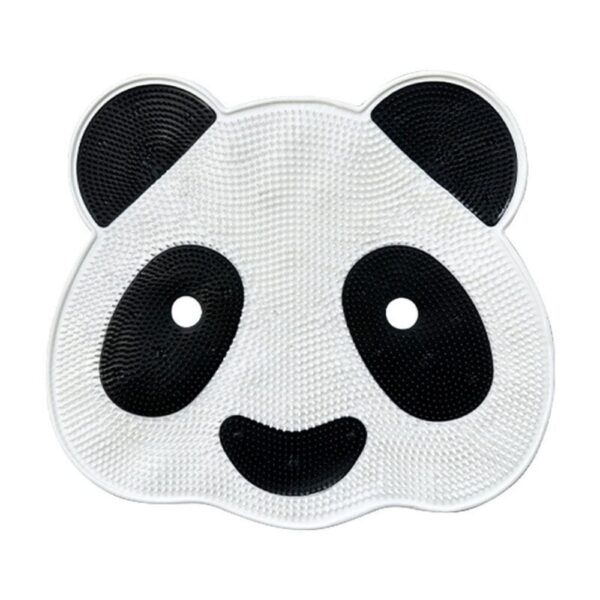
Fabric and microfibre options, such as a panda-design bath mat, are more commonly used as floor mats placed beside the tub. However, some buyers do use them inside low-traffic showers. For a standard bathtub with regular daily use, PVC and rubber remain the most practical choices.
Who benefits most, and when an alternative makes more sense
A tub mat suits anyone who showers or bathes in a smooth-bottomed tub and wants added grip underfoot. It is equally useful for households with older adults, children, or anyone recovering from an injury. The non-slip shower bath mat format covers both shower trays and tub floors, making it a versatile option if your bathroom serves multiple purposes.
If your tub already has a heavily textured or anti-slip factory finish, a full-length mat may actually reduce comfort without adding meaningful grip. In those cases, a smaller foot mat placed at the exit point of the tub can be sufficient. Similarly, if you are primarily looking for something to place on the bathroom floor after stepping out, you may find the wider bath mat range more relevant to your needs.
Frequently asked questions
How often should a bathtub mat be replaced ?
There is no fixed rule, but most tub mats show wear through suction cup deterioration, surface cracking, or discolouration after months of daily use. Inspect the underside regularly. Once suction cups no longer hold firmly against a clean tub surface, grip has been compromised and replacement is advisable.
Can I use a bathtub mat in a shower tray ?
Yes, provided the mat dimensions fit the shower tray floor and the suction cups can adhere to the surface. Some shower trays have deep textured finishes that prevent suction cups from seating properly. In those cases, a mat with a weighted or non-suction grip base may work better.
Are tub mats safe for babies ?
Standard adult tub mats are not designed with infants in mind. For bathing babies, a purpose-made bathing mat with a contoured, cushioned shape provides better support and a more appropriate fit. Always supervise young children in the bath regardless of which mat is in use.
How do I prevent mould forming under the mat ?
After each use, lift the mat, rinse both sides, and hang it over the tub edge or a towel rail to allow air to circulate underneath. Leaving the mat flat on the tub floor when not in use traps moisture and accelerates mould growth significantly.
What size bathtub mat do I need ?
Measure the flat base of your tub, not the overall interior length. Most adults are well served by a mat between 65 cm and 90 cm long. If you prefer to sit in the tub, or if the mat is for a child, a shorter format may cover the relevant area more precisely without bunching at the sides.
The products below cover a range of sizes, materials, and use cases, from compact baby bathing mats to long rectangular formats for adult use. Take the measurements of your tub to hand before selecting.