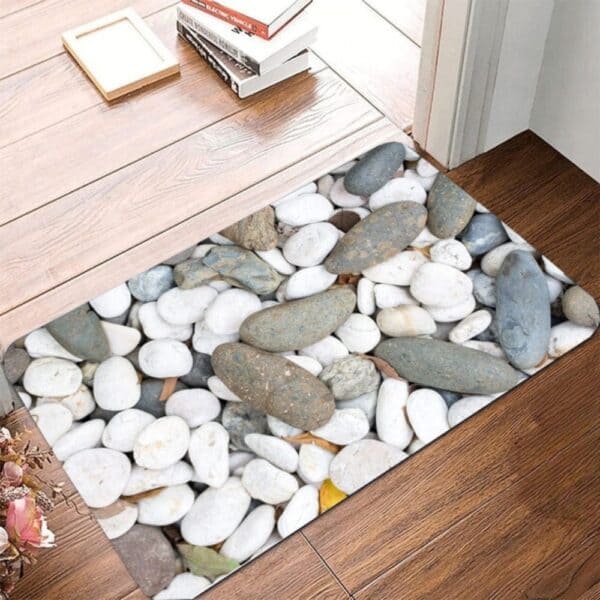
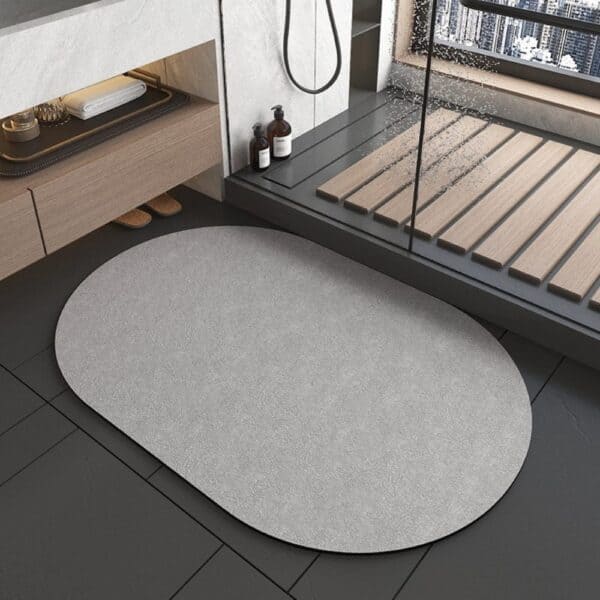
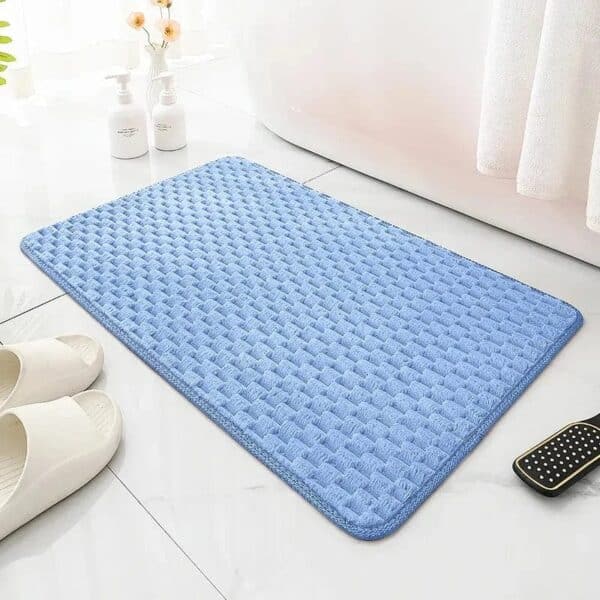
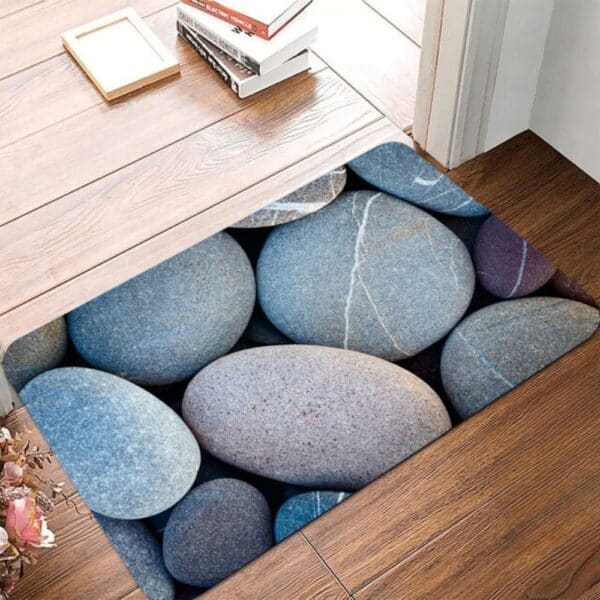
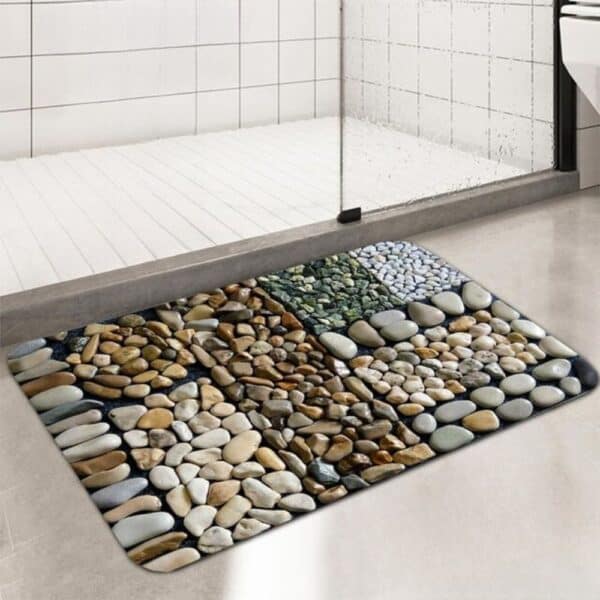
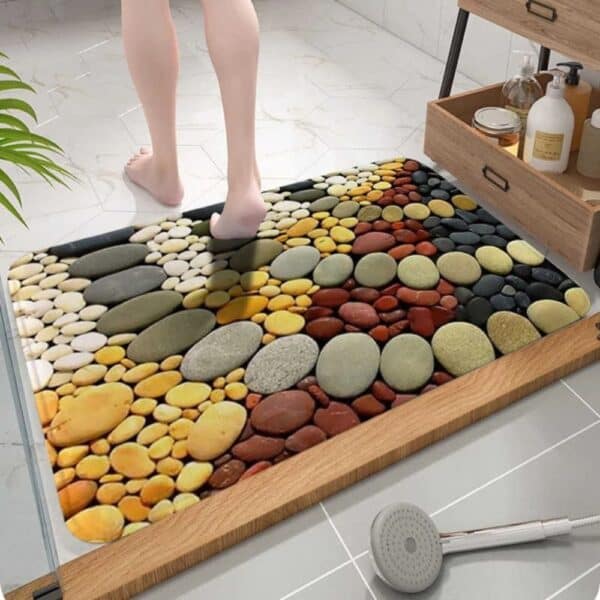
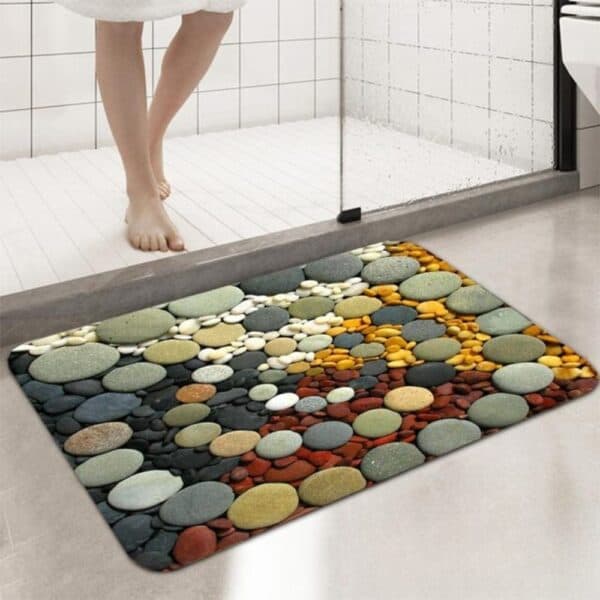
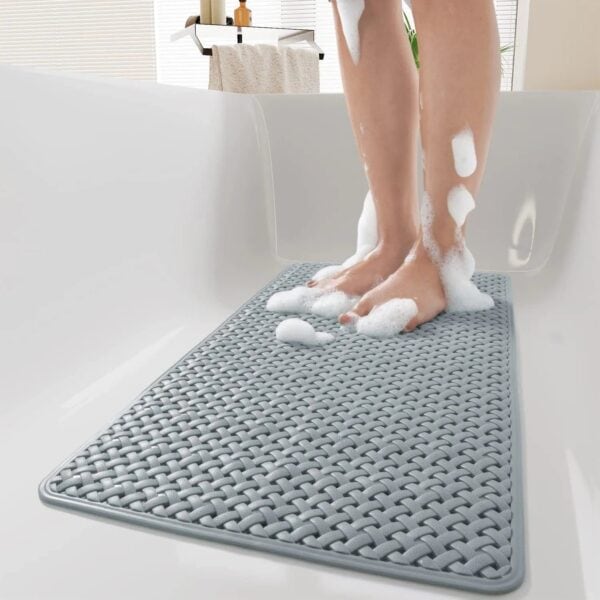
Stepping out of the shower onto a surface that holds its position and feels pleasant underfoot is one of those small domestic upgrades that genuinely changes a morning routine. Pebble bath mats deliver exactly that, combining a tactile, stone-inspired texture with practical bathroom functionality.
What Makes the Pebble Format Different
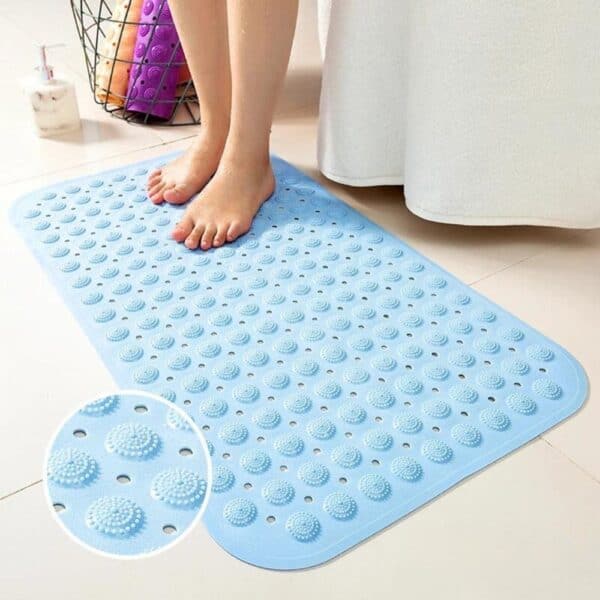
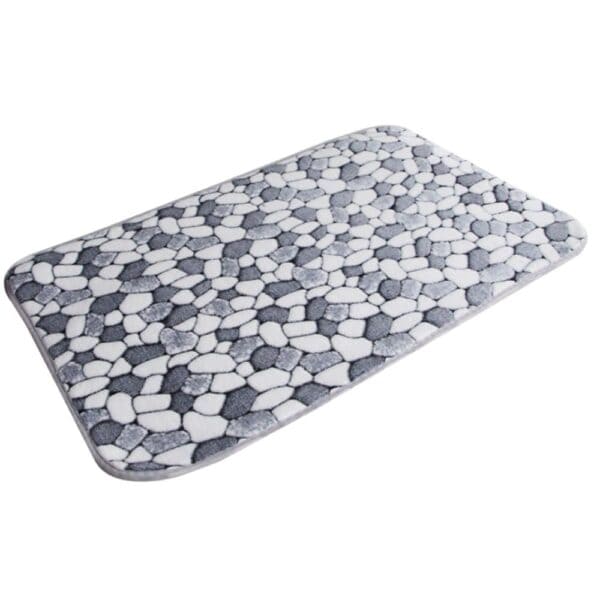
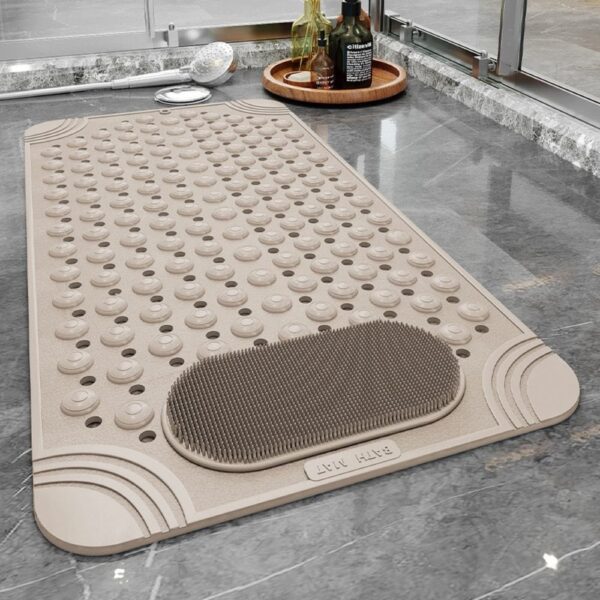
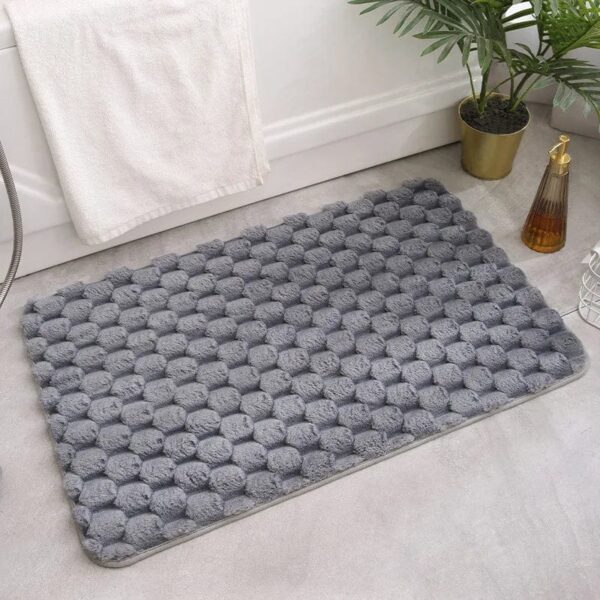
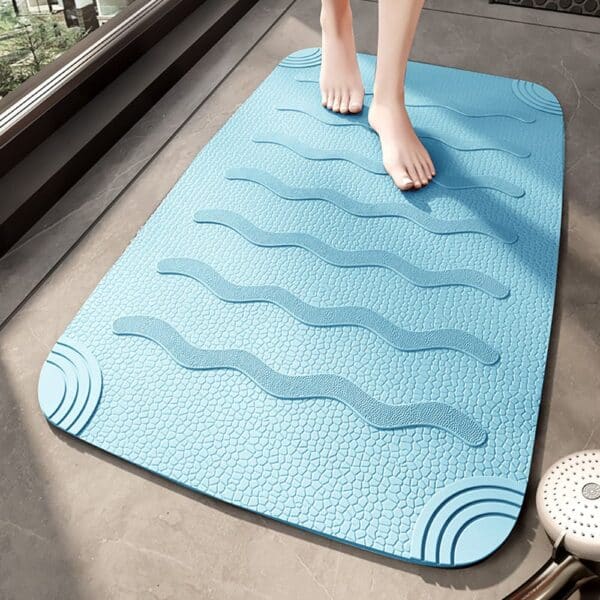
The defining characteristic of this mat style is its raised, rounded surface pattern, which mimics the look and feel of smooth river stones. This is not purely decorative. The three-dimensional texture creates natural channels between each raised dome, allowing water to drain away from the surface more readily than a flat mat would permit.
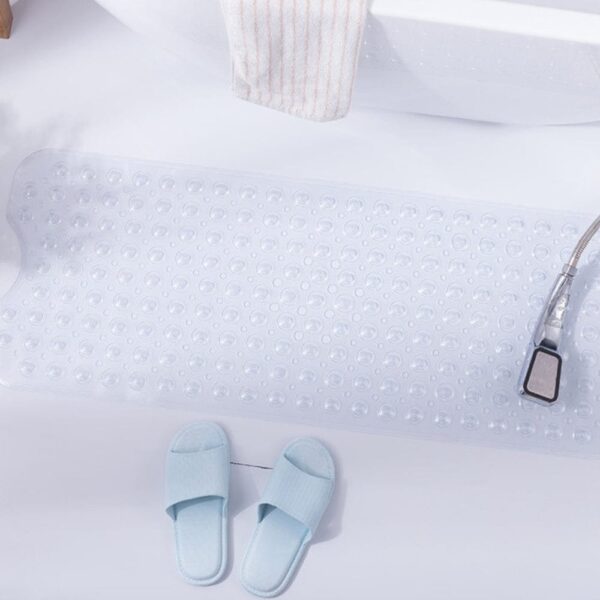
Most options in this category are produced from TPR (thermoplastic rubber) or a PVC-based compound, which gives the mat its flexibility and its characteristic grip on wet tile floors. The underside typically features a suction-cup or textured backing designed to hold the mat in place on smooth surfaces.
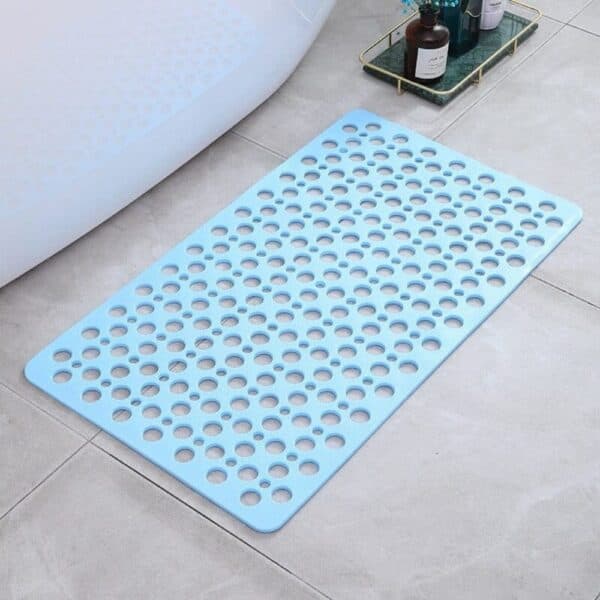
Worth knowing: The pebble pattern is available in both compact square formats and longer rectangular designs, so it can fit neatly inside a shower tray or stretch across the full width of a bathtub floor.
Choosing the Right Mat for Your Bathroom
Size and Shape
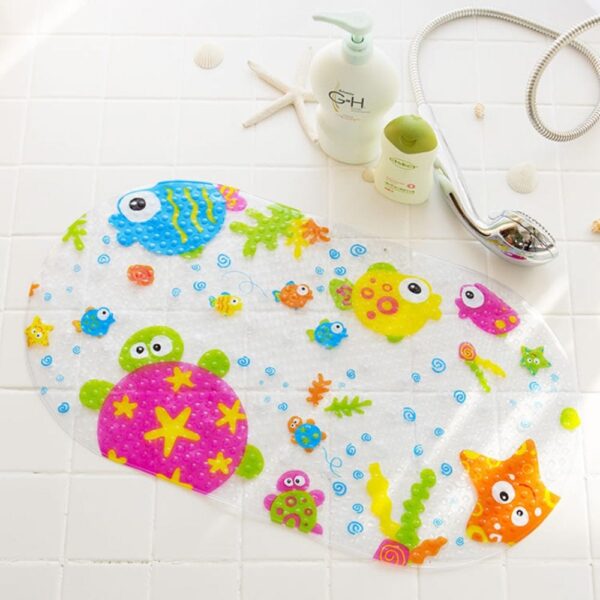
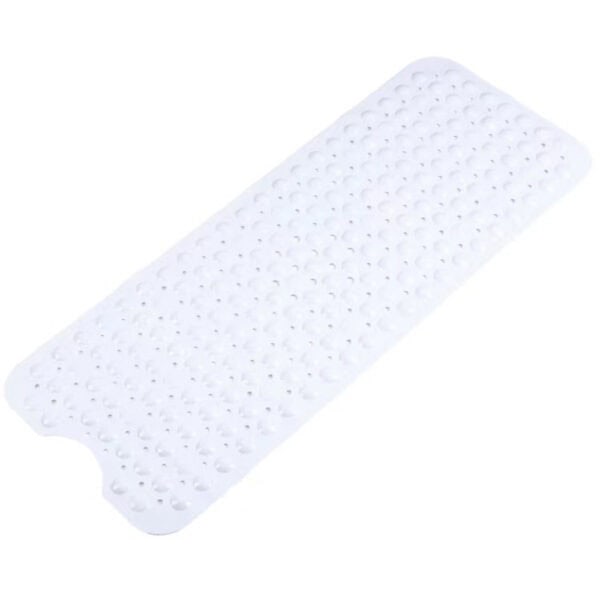
Measure the usable floor space inside your shower tray or bathtub before purchasing. A long rectangular bath mat suits a standard bathtub where you need coverage along the full length of the base. Shorter, squarer cuts work better in compact shower enclosures or corner trays. For households with young children, a dedicated baby bathing mat sized for a smaller tub is worth considering as a separate purchase.
Backing Type
Suction-cup backings attach firmly to smooth, non-porous surfaces such as acrylic, enamel, and glazed porcelain. They do not adhere reliably to textured, matte, or natural stone floors. If your shower tray already has an anti-slip texture, a mat with a simple ribbed backing may actually stay put more consistently than one relying on suction.
Colour and Finish
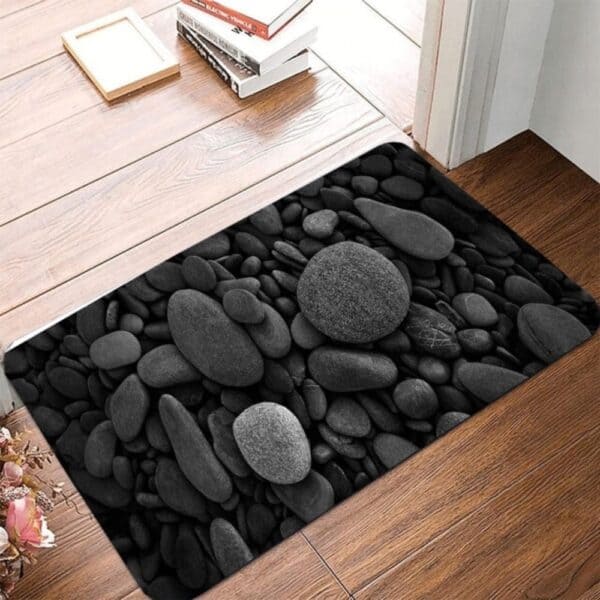
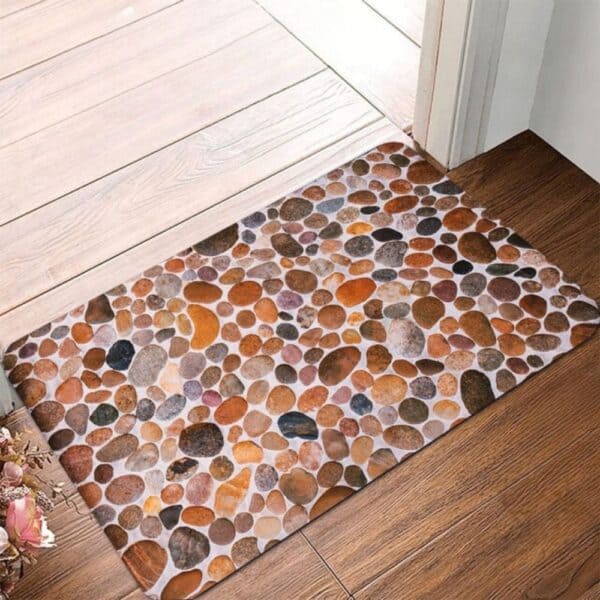
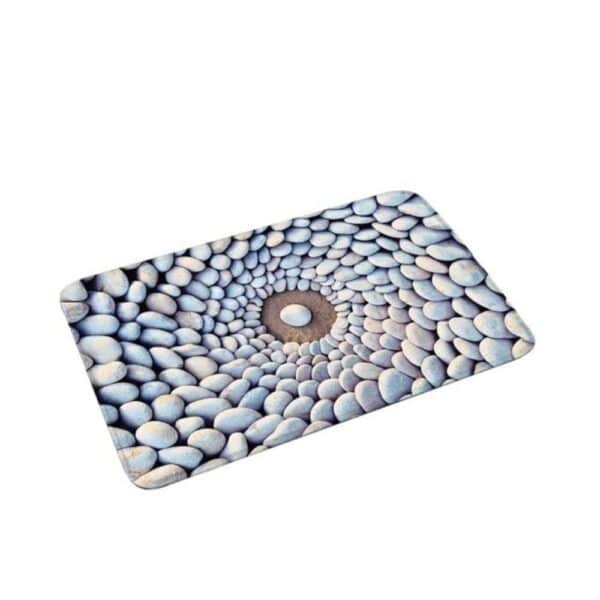
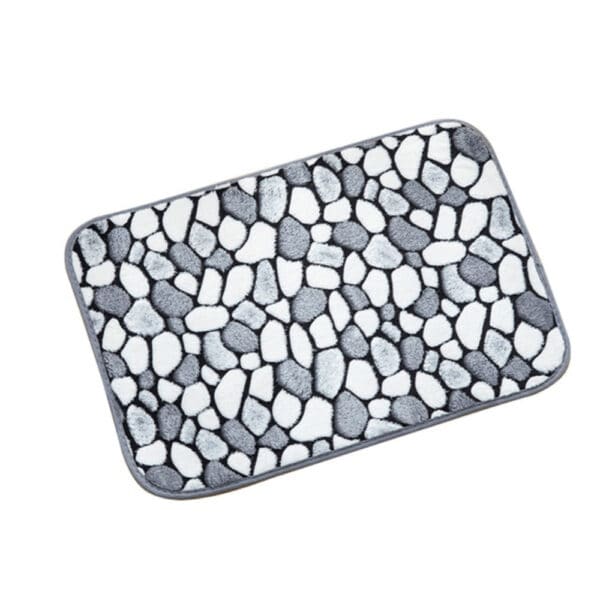
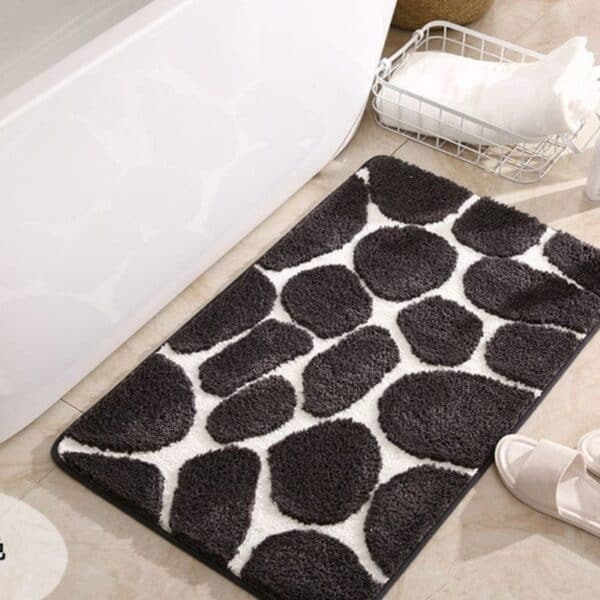
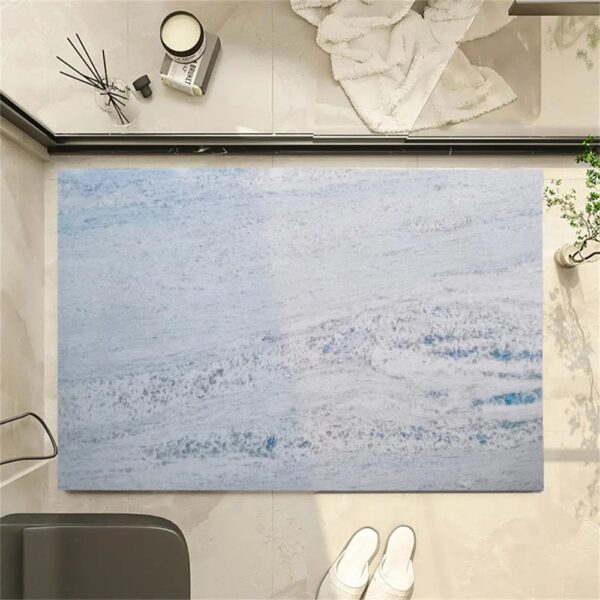
Pebble-effect mats are produced in neutral tones (white, grey, stone, beige) as well as bolder accent colours. A pebble design bath mat in a neutral shade tends to coordinate with most existing bathroom schemes without requiring a full redecoration.
Who Benefits Most from This Style
Households that use the bath or shower daily and want a mat that stays in place without constant readjustment will find this format straightforward to live with. The raised texture is also appreciated by those who find completely flat rubber mats uncomfortable underfoot after prolonged standing.
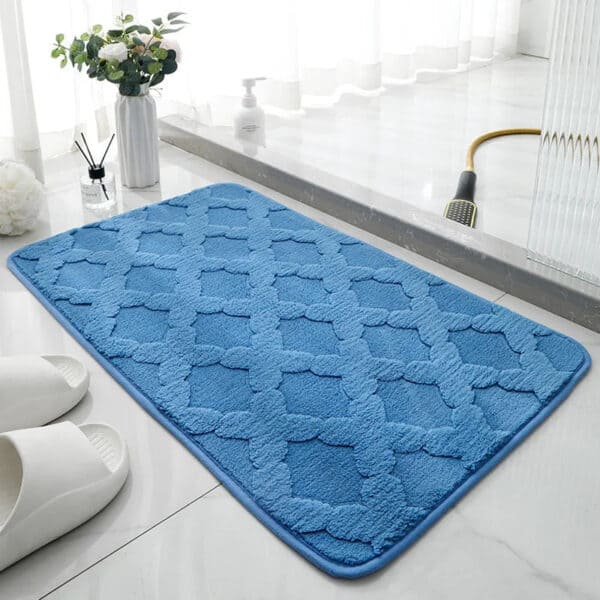
That said, the pebble format is not the right choice for every situation. If your priority is a highly absorbent mat to step onto after leaving the shower (rather than one to stand on inside it), a textile option such as a woven bath mat placed outside the shower will serve that purpose better. The two types complement each other rather than compete.
| Feature |
Pebble Bath Mat (TPR/PVC) |
Textile Bath Mat |
| Used inside shower/bath |
Yes |
Rarely |
| Water drainage |
Channels between domes |
Absorbs into fibres |
| Grip on wet tile |
Suction cups or textured back |
Rubber backing (dry floor) |
| Cleaning method |
Rinse or wipe down |
Machine wash |
| Dries quickly |
Yes, non-absorbent |
Slower (fabric retains moisture) |
Care and Longevity
Rubber and TPR mats require minimal effort to maintain. A weekly rinse under running water and an occasional scrub with a soft brush keeps the surface clean. Hanging the mat over the bath edge or a towel rail between uses allows air to circulate underneath, which helps the suction cups remain effective over time.
Avoid leaving the mat pressed flat against the tray floor for extended periods when the bathroom is not in use. Prolonged contact with standing water or a warm, enclosed surface can affect how well the backing adheres over months of use.
Frequently Asked Questions
Will a pebble bath mat work on a textured shower tray?
Suction-cup backings require a smooth, non-porous surface to grip reliably. On a textured or matte tray, the cups cannot form a proper seal. In this case, look for a mat with a flat rubberised base, or use a mat sized to fit snugly within the tray walls rather than relying on suction alone.
How do I clean a pebble-effect mat properly?
Most rubber and TPR mats can be rinsed under a tap and scrubbed with a soft brush and mild soap. Check the product label before placing any mat in a washing machine, as high spin cycles can distort the backing and reduce its grip.
Are these mats suitable for children’s baths?
A pebble mat can be used in a child’s bath, but always ensure it is firmly attached before placing a child in the water, and never leave young children unsupervised in the bath regardless of what mat is in use. For smaller tubs, a purpose-sized bathing mat for infants may offer a better fit.
What is the difference between a pebble mat and a pebble-effect mat?
The terms are largely interchangeable in retail listings. Both describe a mat with a raised, dome-shaped surface pattern intended to evoke the appearance of smooth stones. The key variables to compare are the backing type, the material composition, and the dimensions rather than the name used by each manufacturer.
Can I use this mat outside the shower as a bath exit mat?
You can place it outside the shower, but its non-absorbent surface means water will pool on top rather than being drawn into the material. For the area you step onto after drying off, a textile mat is generally more practical. The pebble style performs best when used inside the wet zone itself.
The products listed below cover a range of sizes, shapes, and finishes, from compact square formats to full-length rectangular designs, so you can compare what fits your specific shower or bath before making a decision.