-
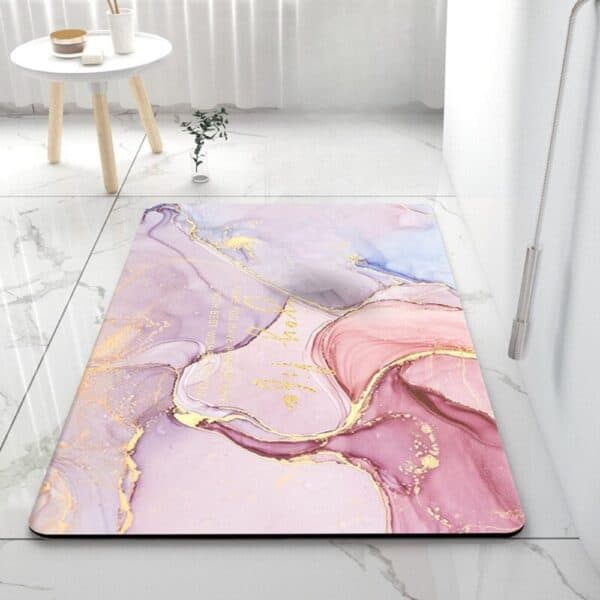
50 X 80 Bath Mat
£39.90 -
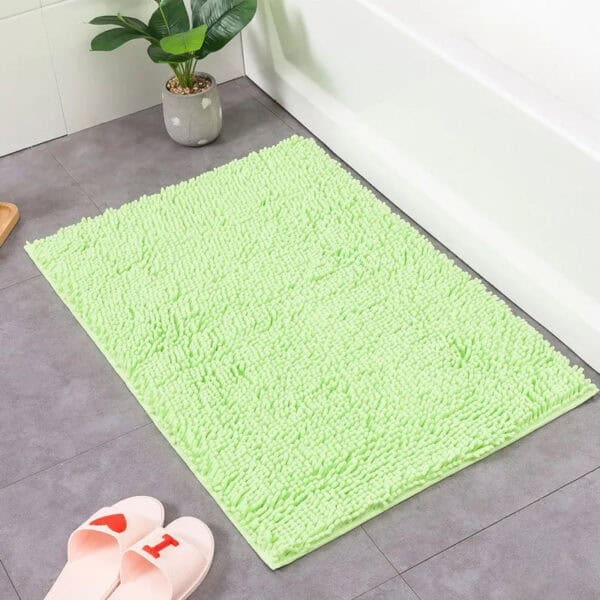
60X90 Bath Mat
£23.90 -
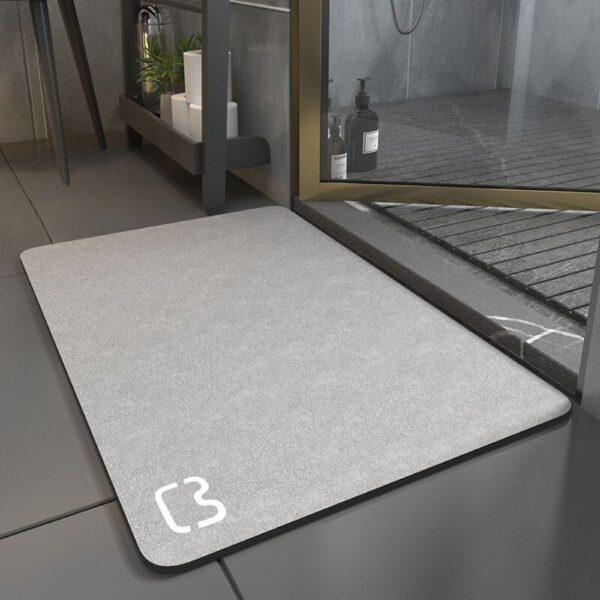
90Cm Bath Mat
£59.90 -
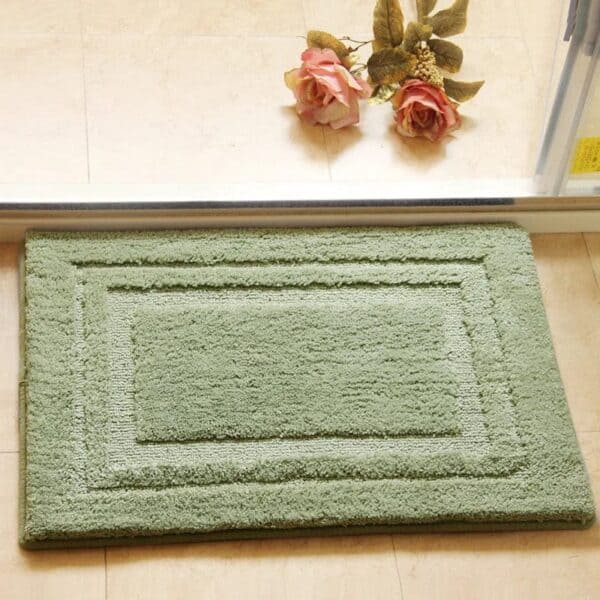
Absorbent Bath Mat
Price range: £39.90 through £63.90 -
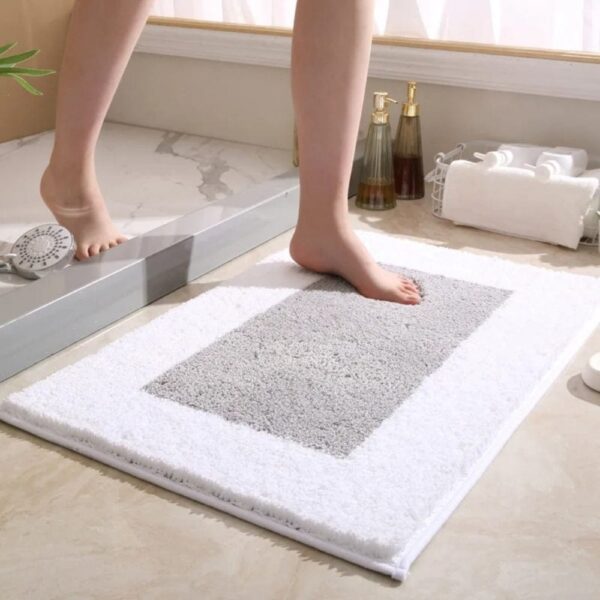
Absorbent Non Slip Bath Mat
Price range: £35.90 through £55.90 -
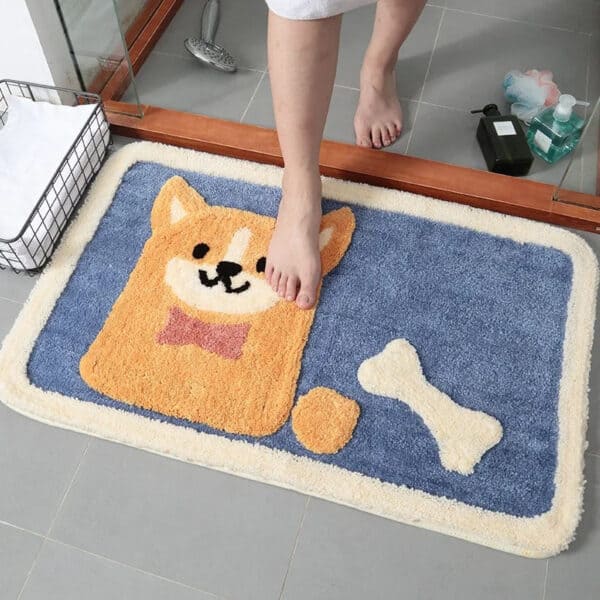
Animal Bath Mat
Price range: £39.90 through £43.90 -
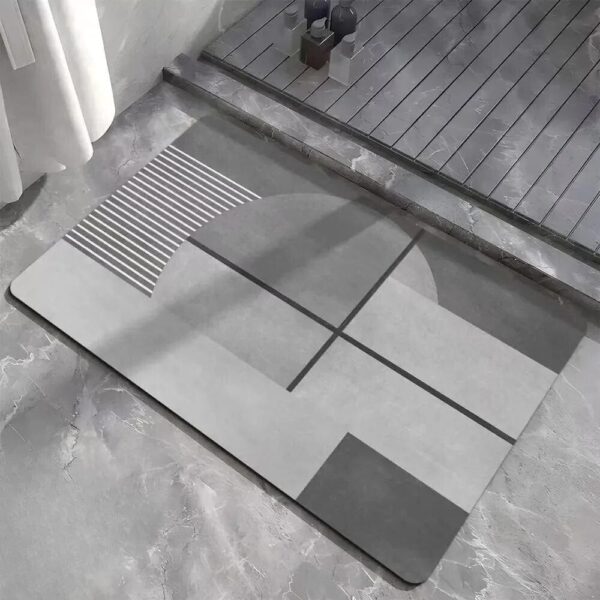
Anthracite Bath Mat
Price range: £35.90 through £63.90 -
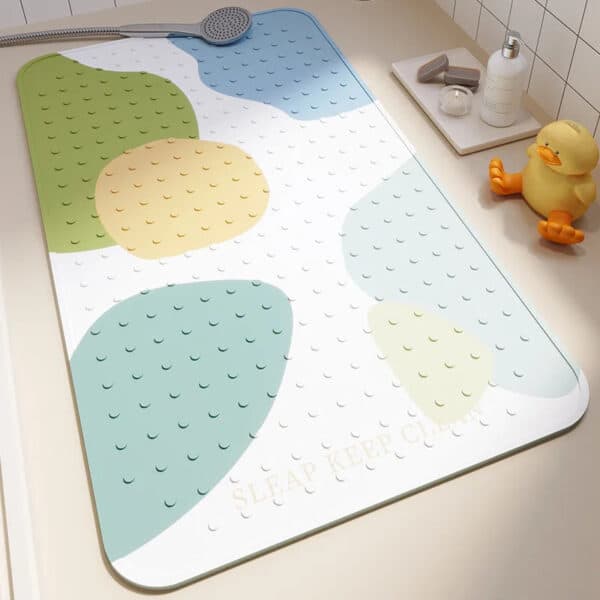
Anti Mould Baby Bath Mat
Price range: £47.90 through £55.90 -
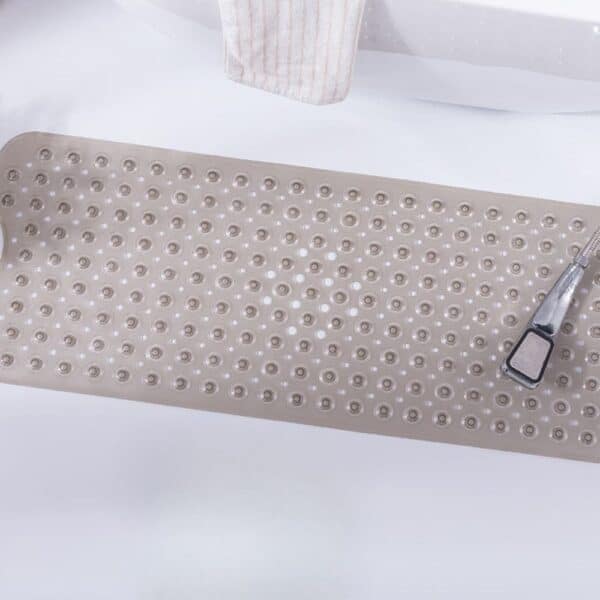
Anti Mould Bath Mat
£35.90 -
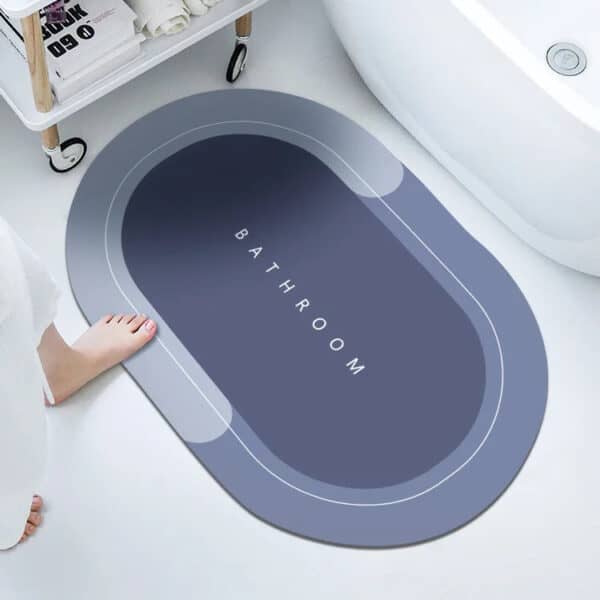
Anti Slip Bath Mat
£29.90 -
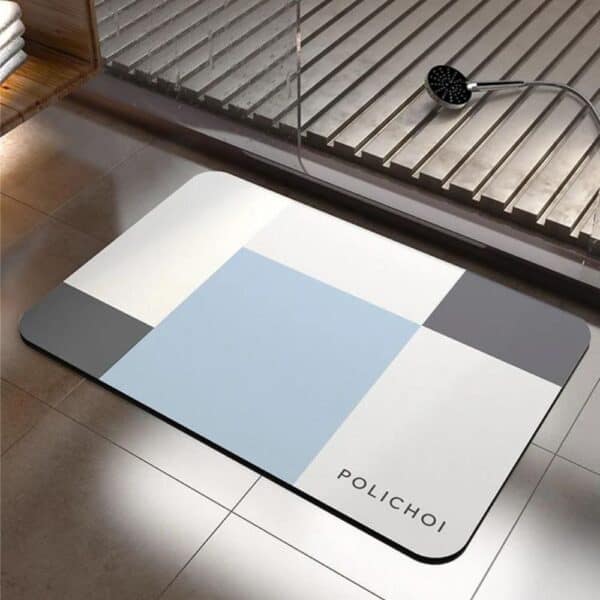
Anti-Slip Bath Mat
Price range: £31.90 through £47.90 -
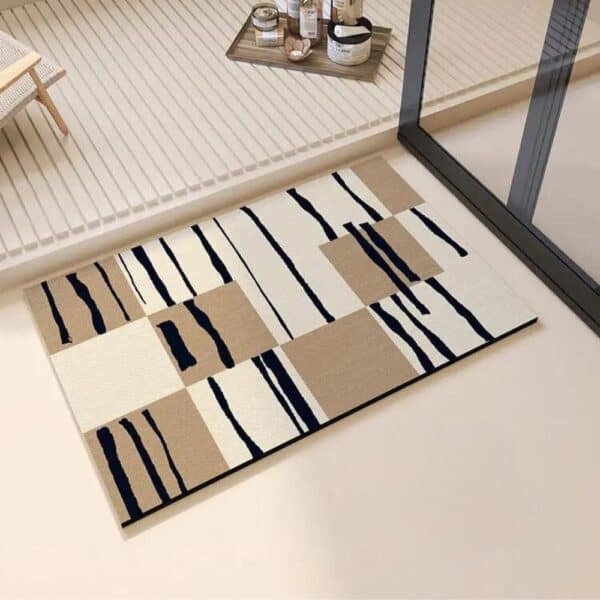
Art Bath Mat
Price range: £31.90 through £39.90 -
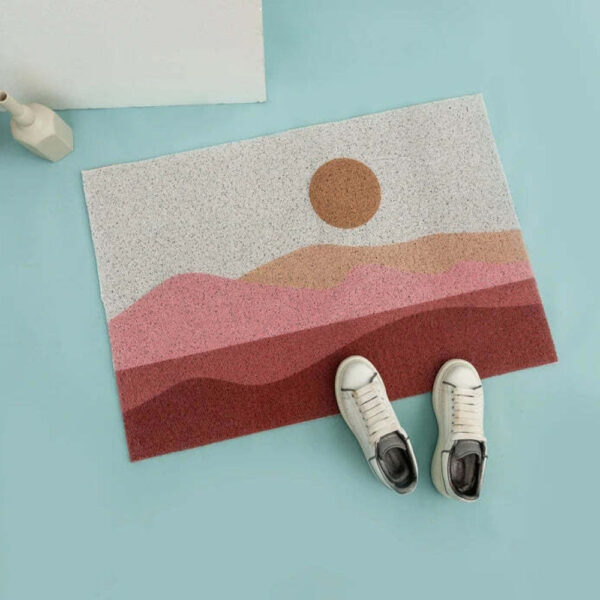
Art Deco Bath Mat
Price range: £47.90 through £119.90 -
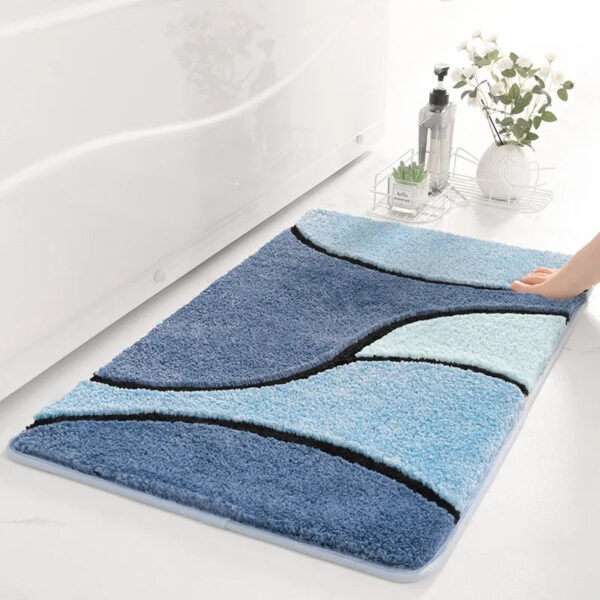
Artsy Bath Mat
Price range: £35.90 through £47.90 -
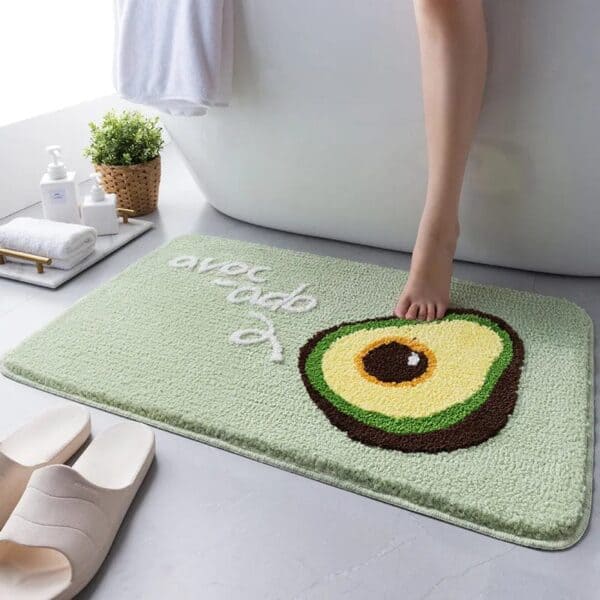
Avocado Bath Mat
Price range: £39.90 through £55.90 -
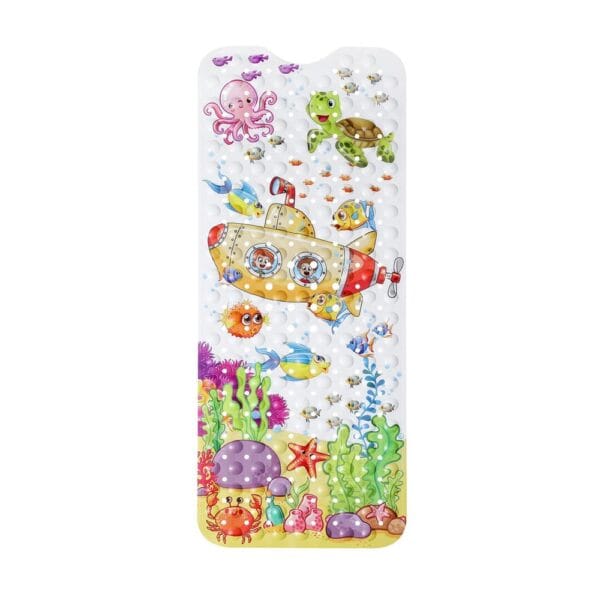
Baby Bath Mat
£41.90 -
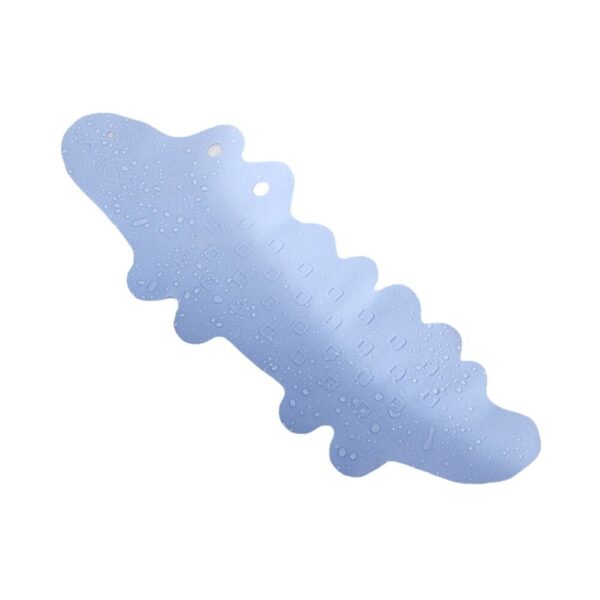
Baby Bath Mat For Tub
£29.90 -
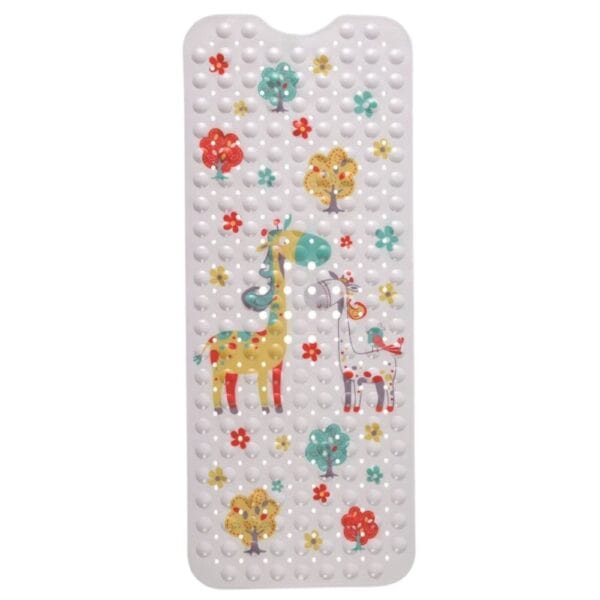
Baby Bath Sink Mat
£39.90 -
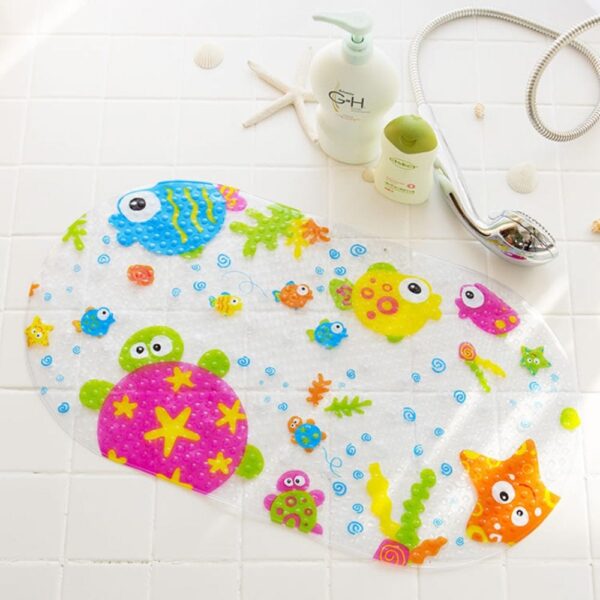
Baby Bathing Mat
£23.90 -
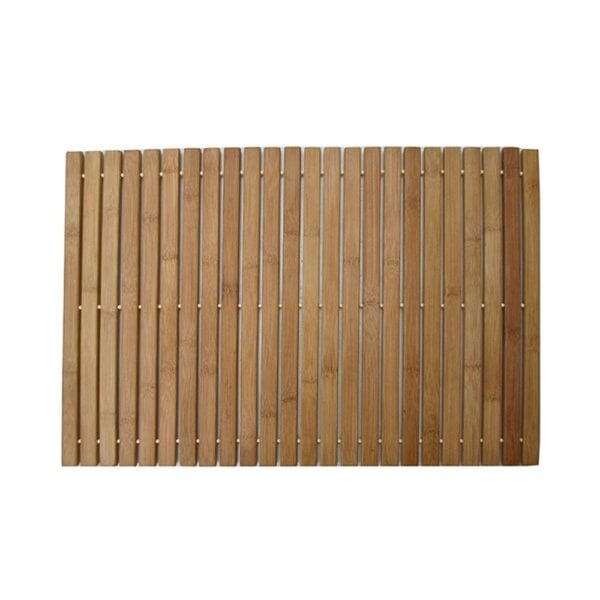
Bamboo Bath Mat
£55.90 -
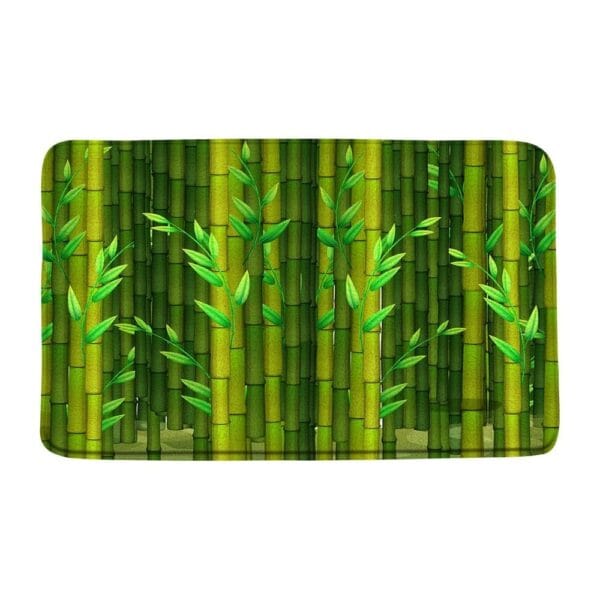
Bamboo Looking Bath Mat
Price range: £19.90 through £21.90 -
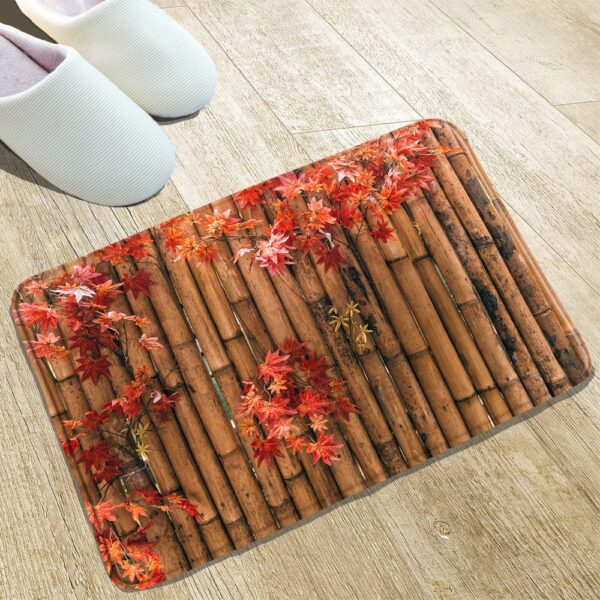
Bamboo Mat Bath
Price range: £23.90 through £27.90 -
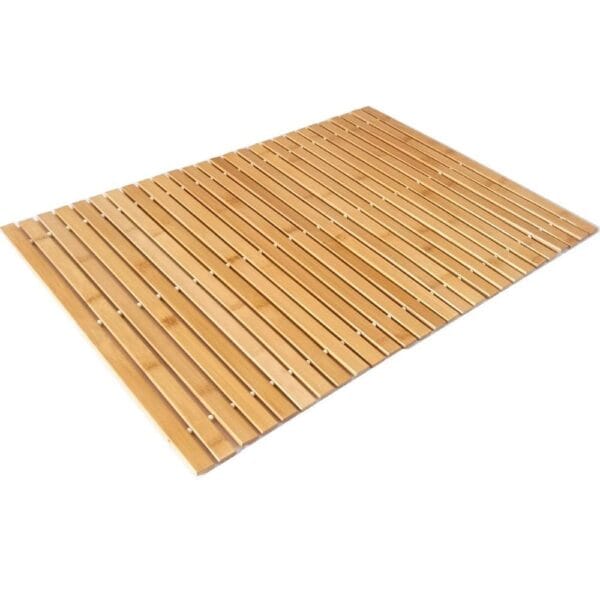
Bamboo Platform Bath Mat
£71.90 -
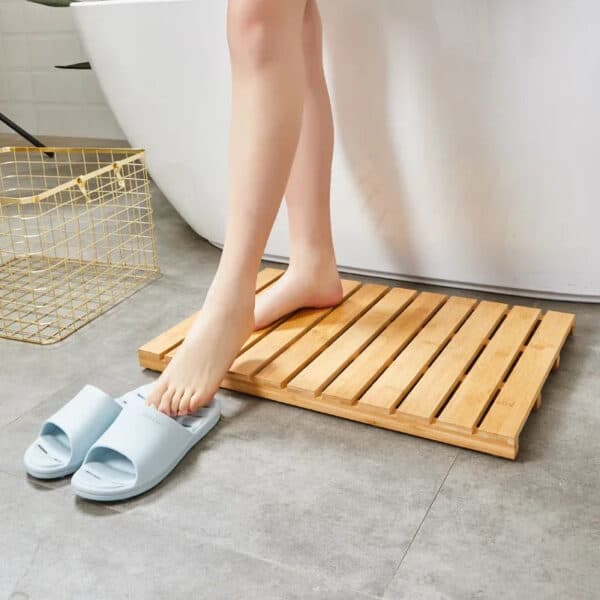
Bamboo Slatted Bath Mat
£79.90 -
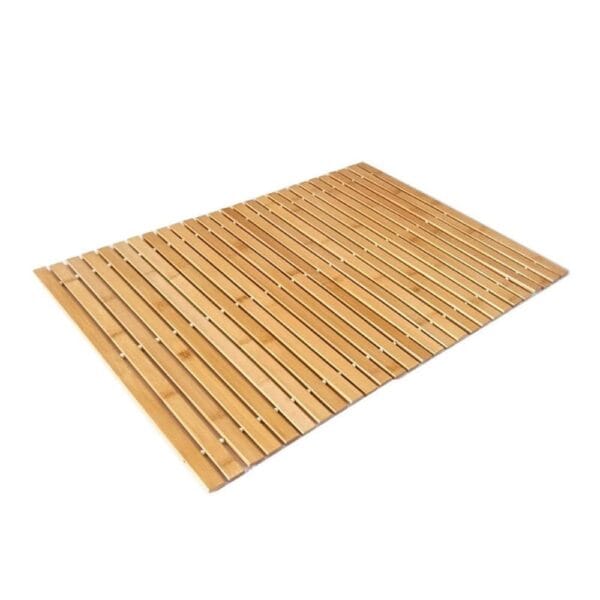
Bamboo Wood Bath Mat
£55.90 -
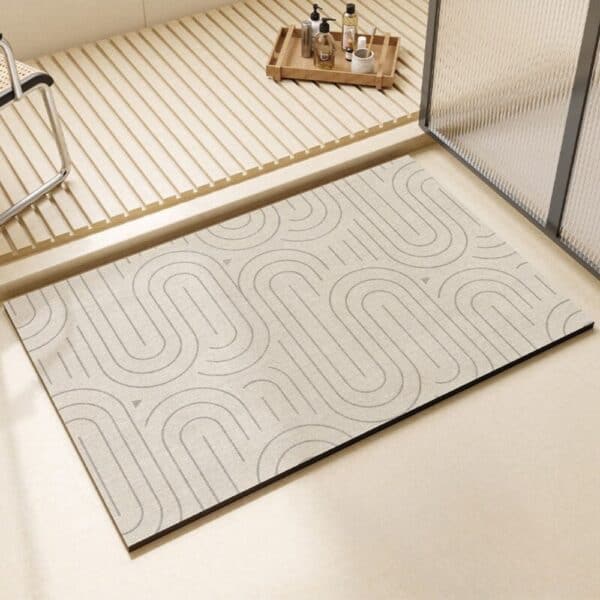
Bath Bath Mat
Price range: £47.90 through £103.90 -
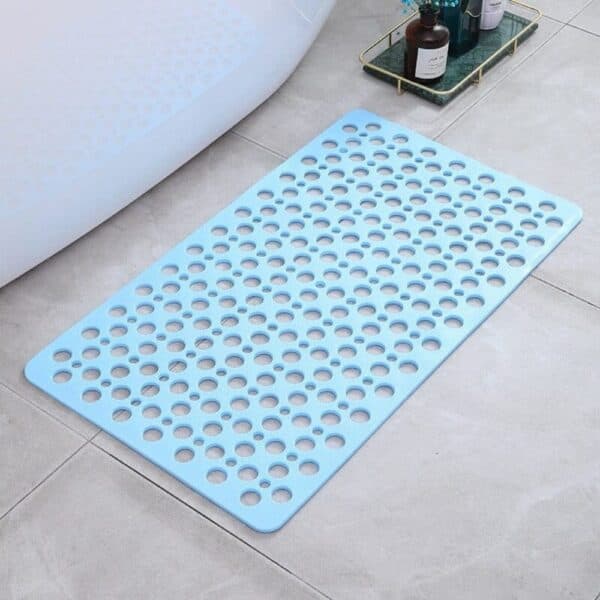
Bath Massage Mat
Price range: £39.90 through £55.90 -
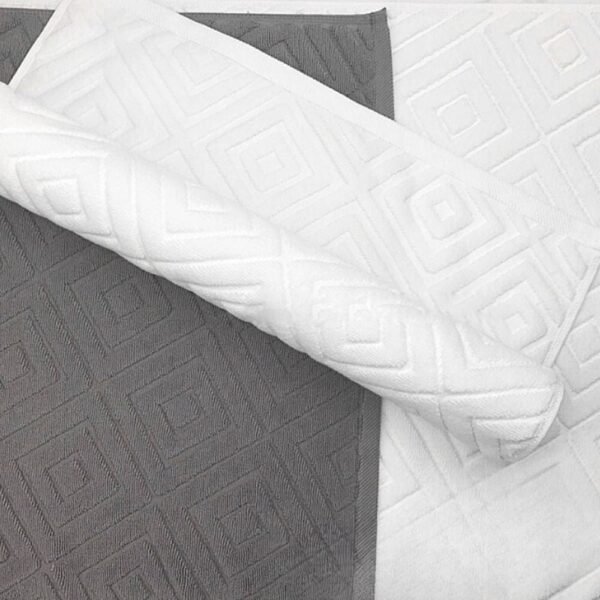
Bath Mat 100 Cotton
£47.90 -
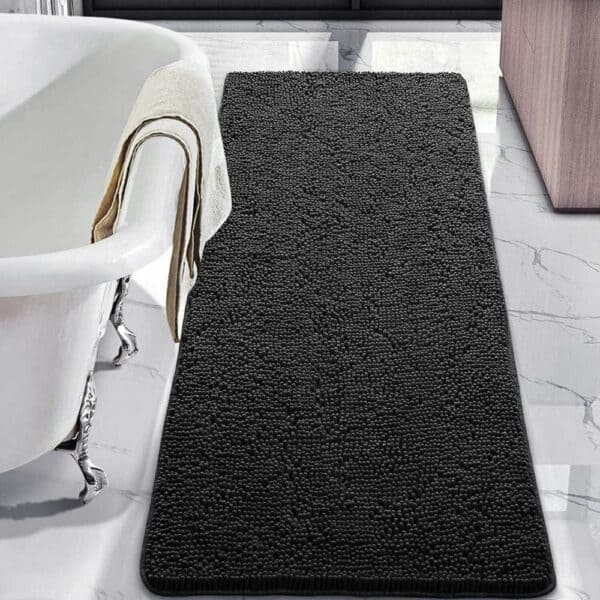
Bath Mat 40X50 Cm
£39.90 -
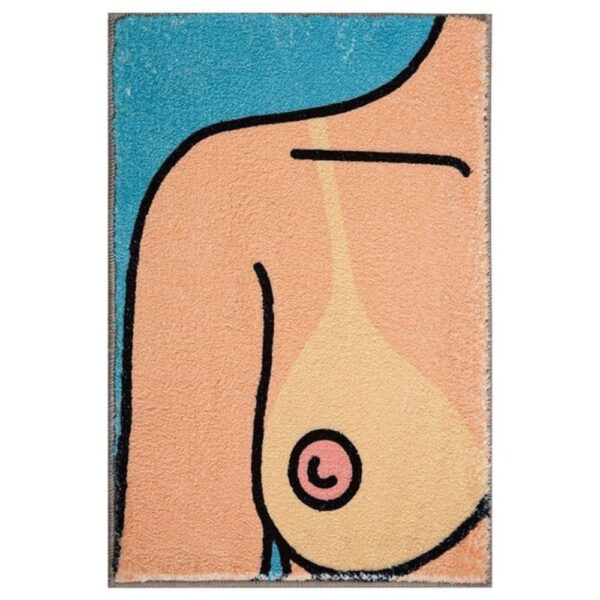
Bath Mat Abstract
Price range: £27.90 through £43.90 -
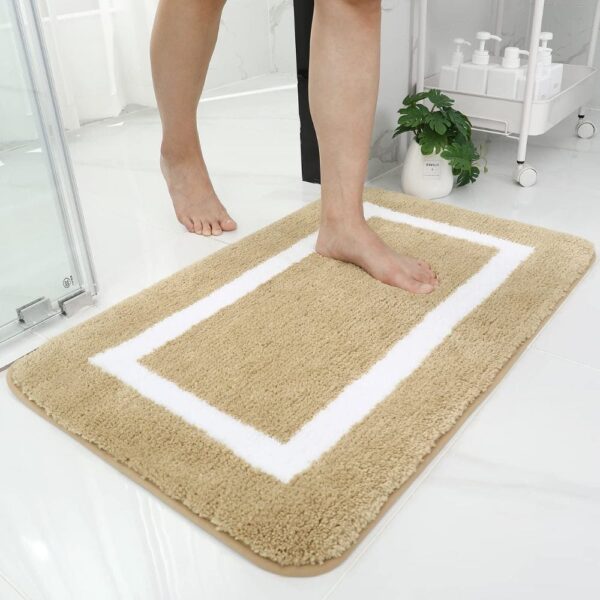
Bath Mat Beige
£55.90 -
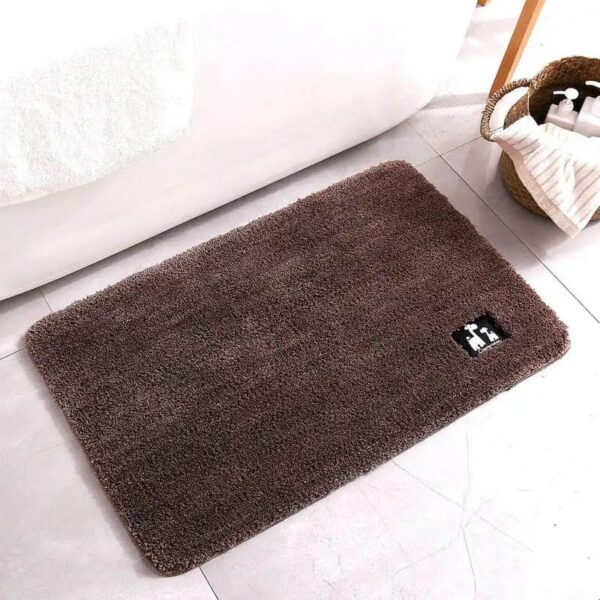
Bath Mat Brown
Price range: £29.90 through £75.90 -
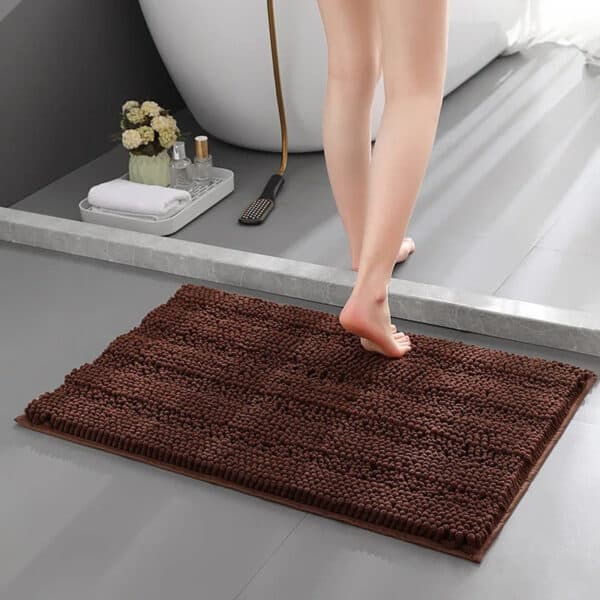
Bath Mat Chenille
£35.90 -
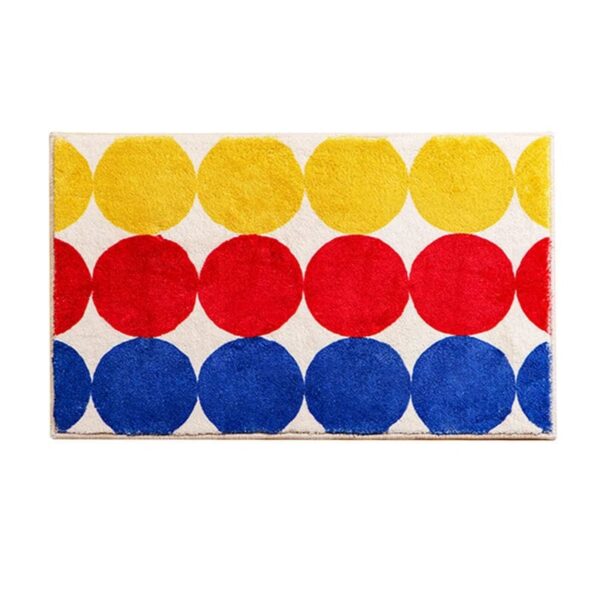
Bath Mat Circle
Price range: £37.90 through £47.90 -
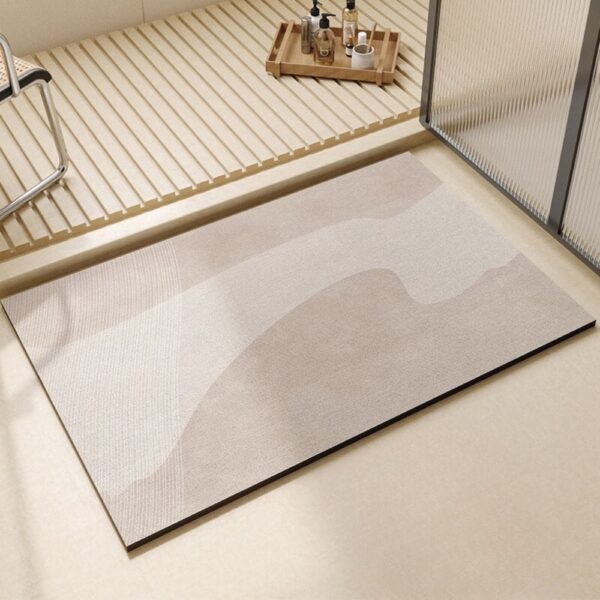
Bath Mat Diatomite
Price range: £47.90 through £103.90 -
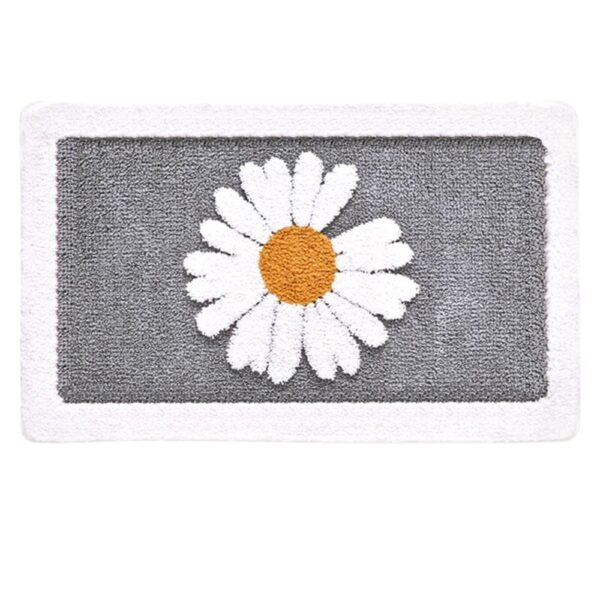
Bath Mat Floral
Price range: £47.90 through £55.90 -
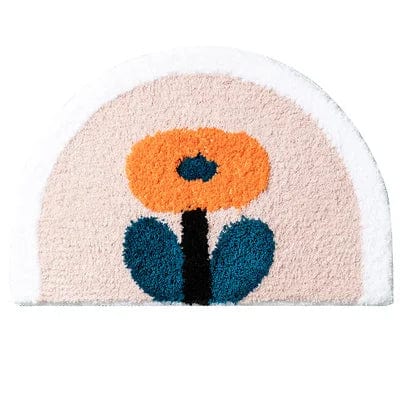
Bath Mat Flower
Price range: £47.90 through £55.90 -
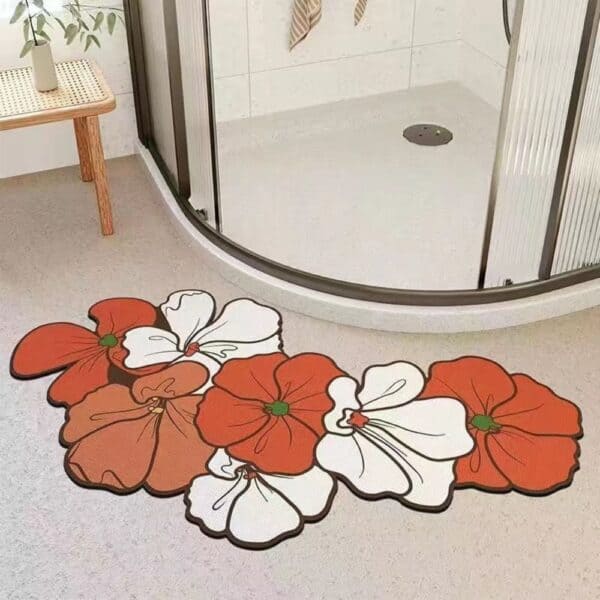
Bath Mat Flowers
£33.90 -
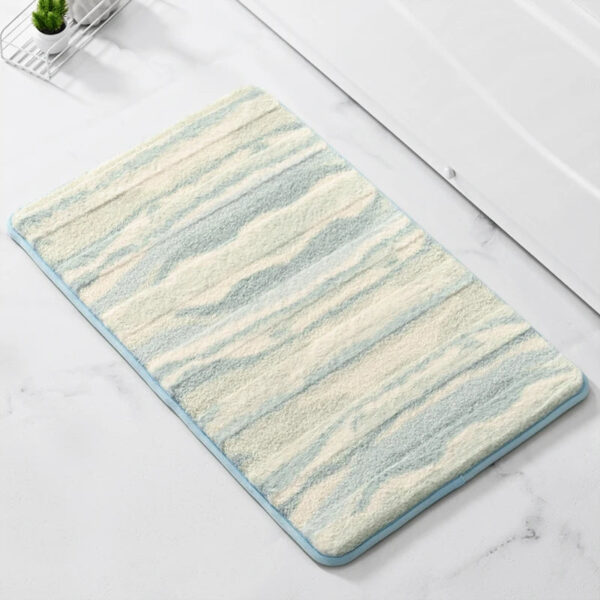
Bath Mat For Bathroom Floor
Price range: £39.90 through £63.90 -
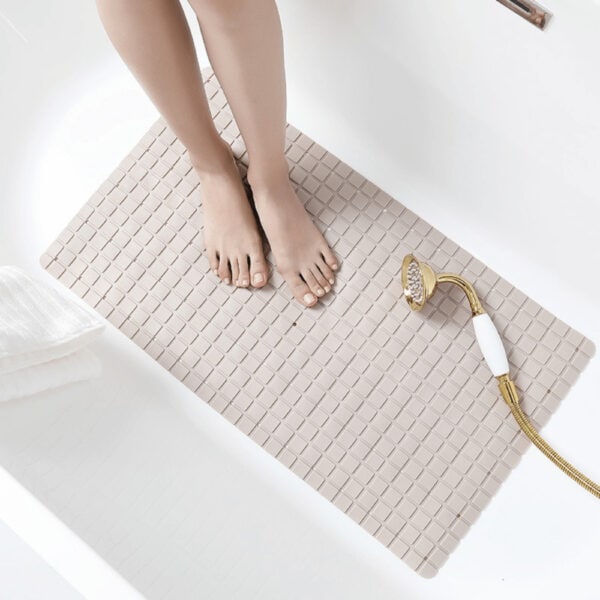
Bath Mat For Bathtub
£35.90 -
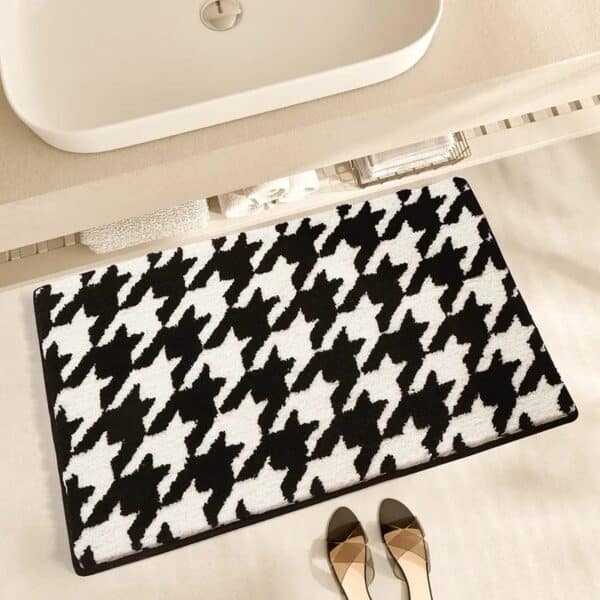
Bath Mat For Black And White Bathroom
Price range: £39.90 through £47.90 -
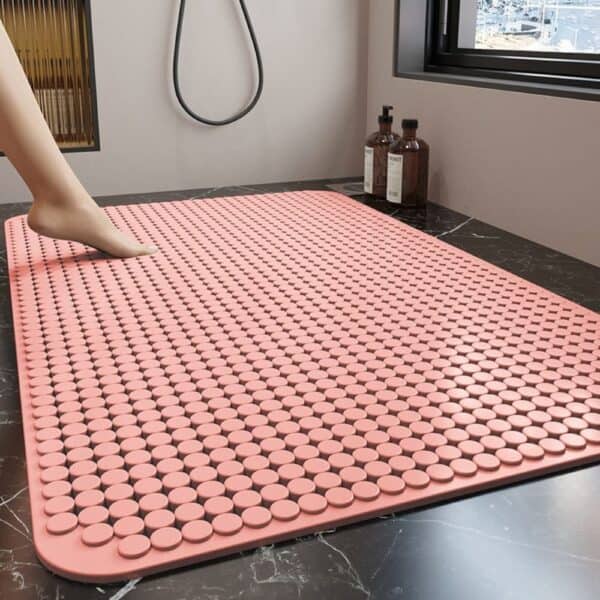
Bath Mat For Shower Floor
Price range: £35.90 through £47.90 -
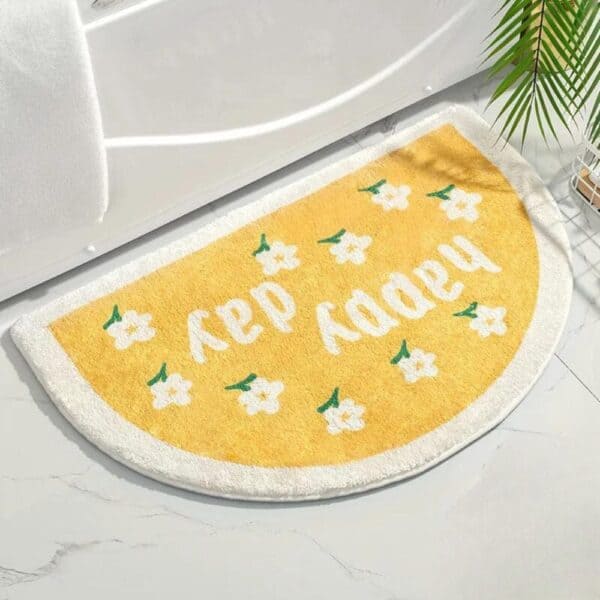
Bath Mat Fun
£23.90 -
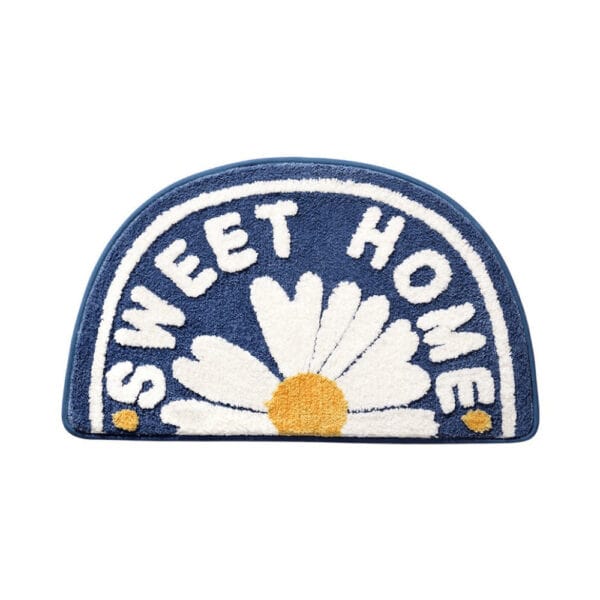
Bath Mat Half Circle
£47.90 -
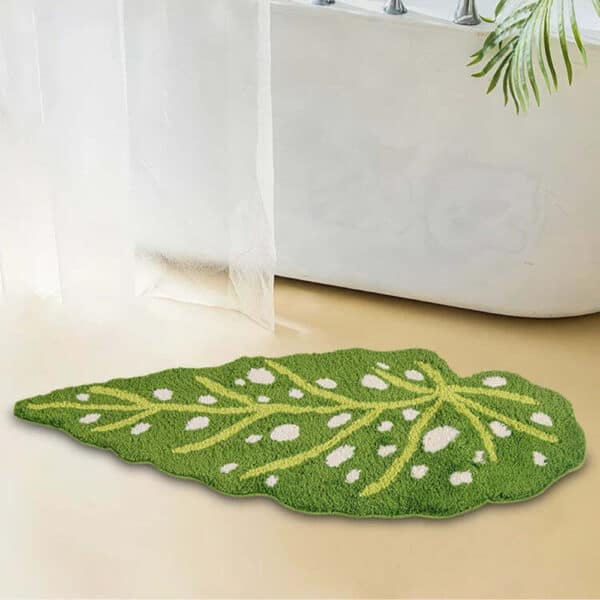
Bath Mat Leaf
£63.90 -
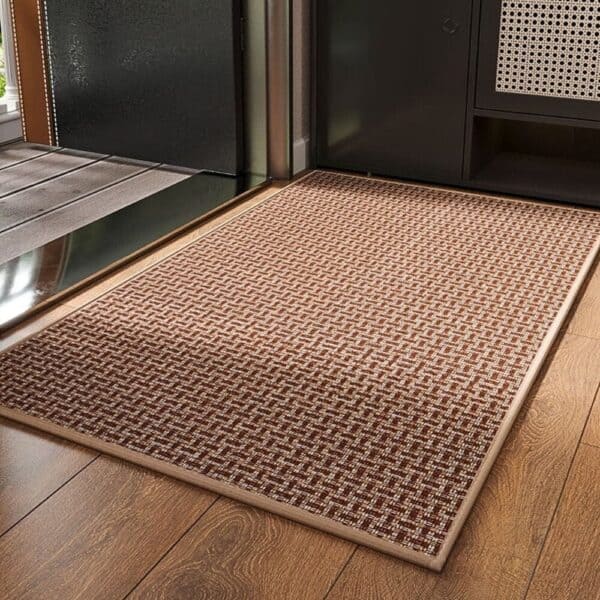
Bath Mat Luxury
Price range: £69.90 through £149.90 -
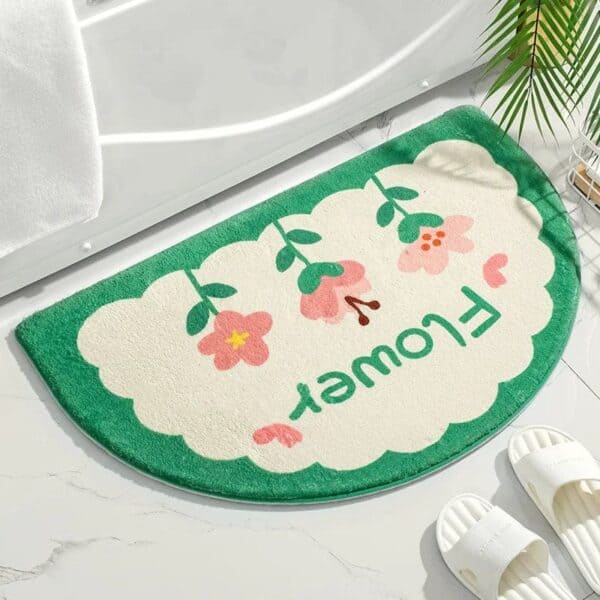
Bath Mat Natural
£23.90 -
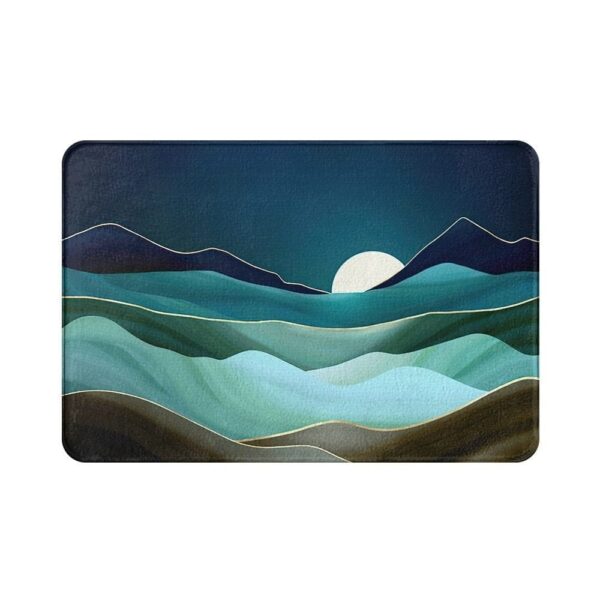
Bath Mat Ocean
Price range: £23.90 through £27.90 -
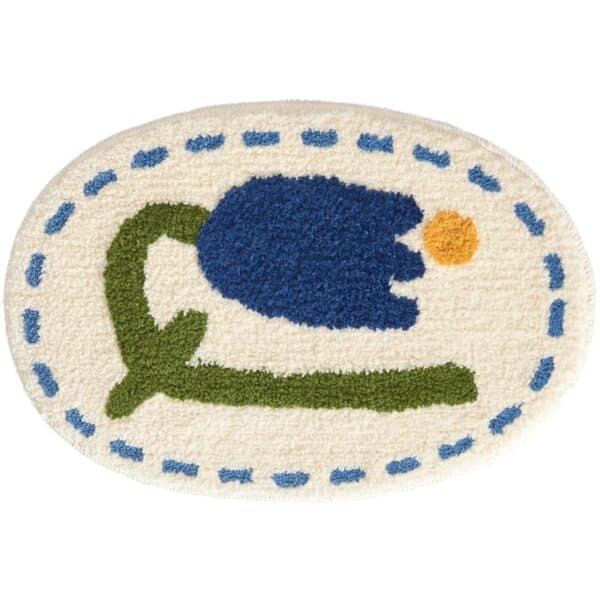
Bath Mat Round
£47.90 -
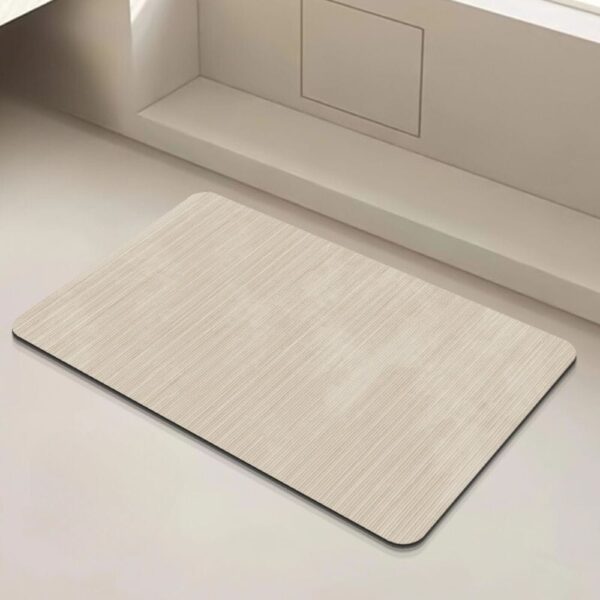
Bath Mat Towel
Price range: £23.90 through £37.90 -
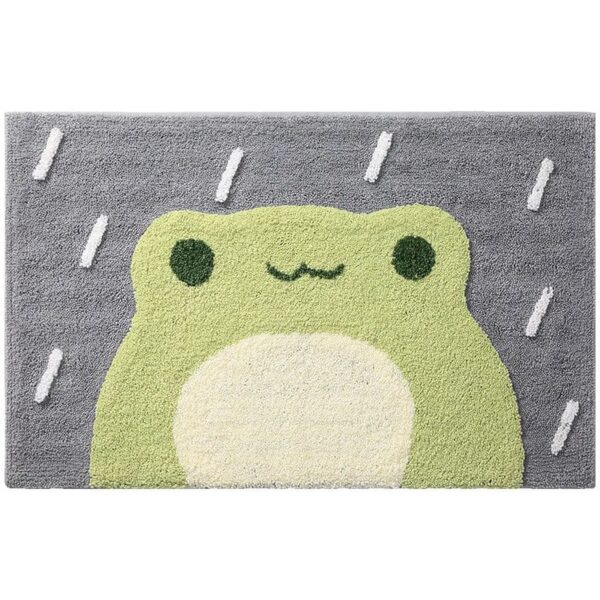
Bath Mat With Frog
Price range: £31.90 through £39.90 -
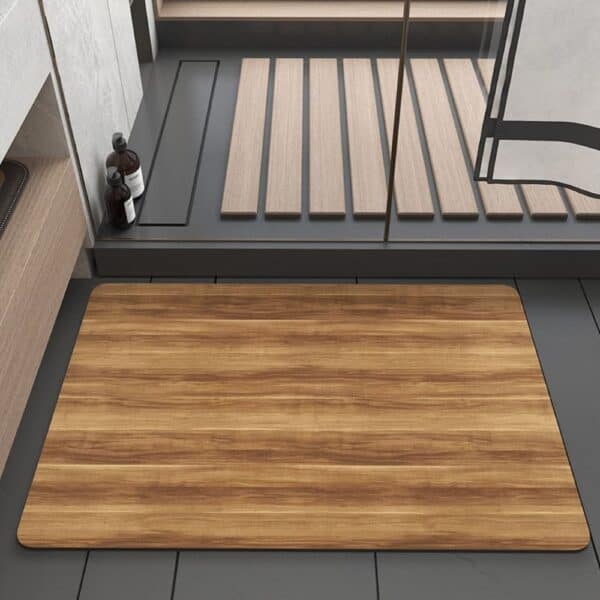
Bath Mat Wood Pattern
Price range: £31.90 through £57.90 -
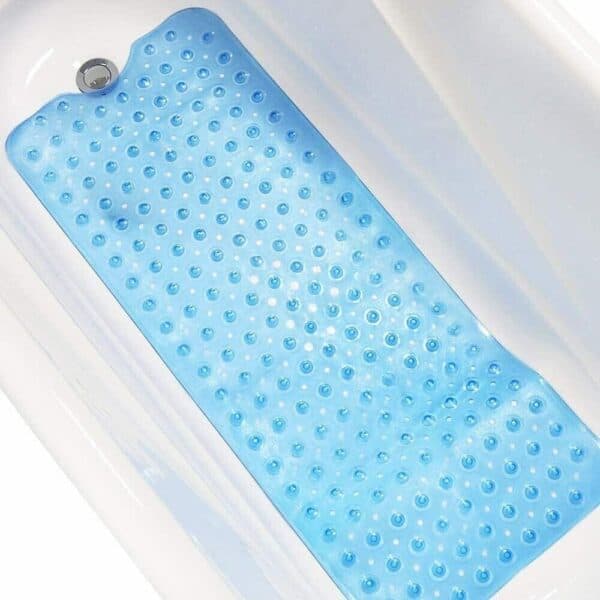
Bath Mats For Tub
£35.90 -
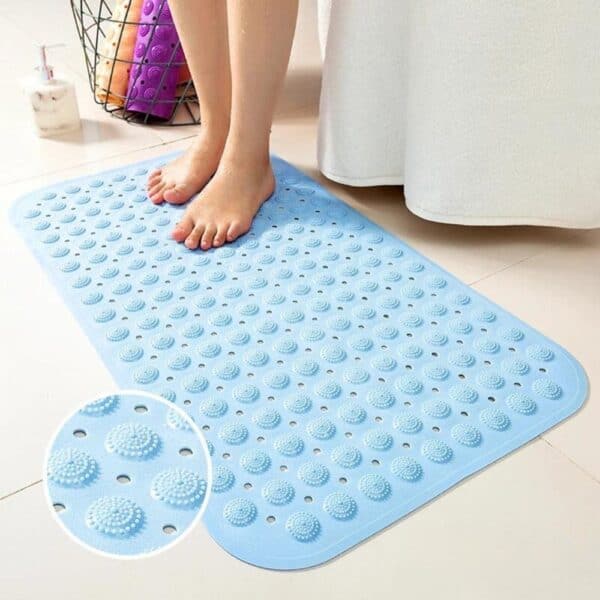
Bath Shower Mats
Price range: £23.90 through £41.90 -
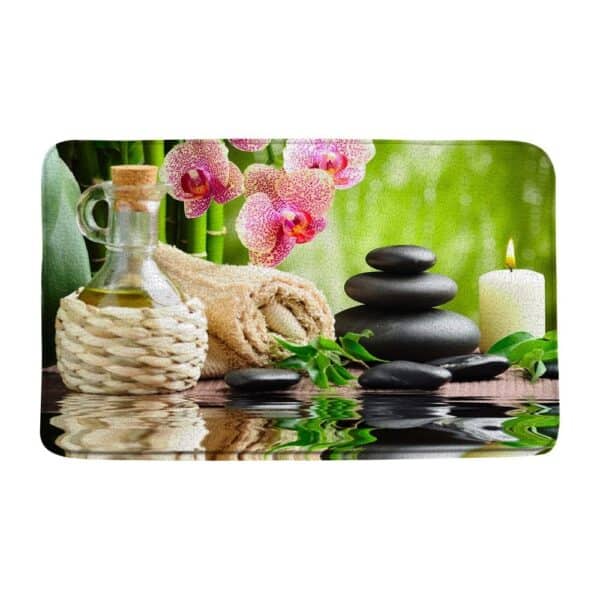
Bathroom Bath Mat
Price range: £19.90 through £23.90 -
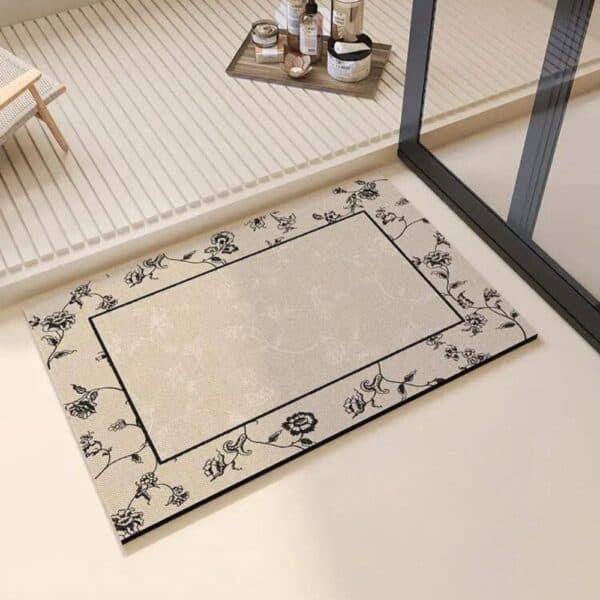
Beau Monde Bath Mat
Price range: £31.90 through £39.90 -
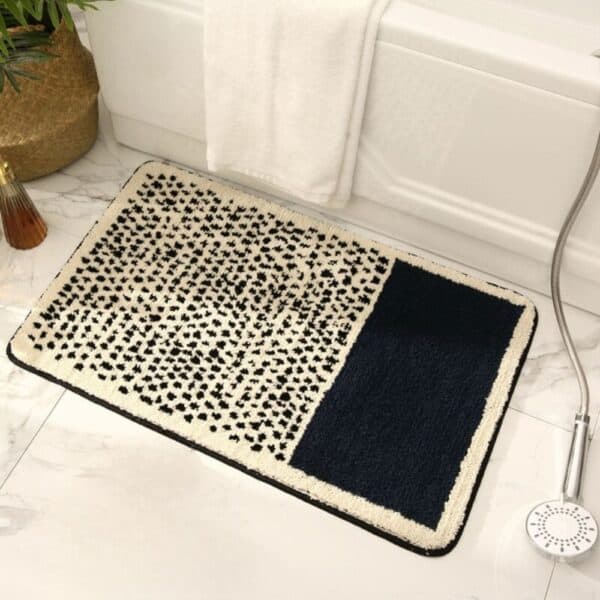
Beautiful Bath Mat
Price range: £31.90 through £47.90 -
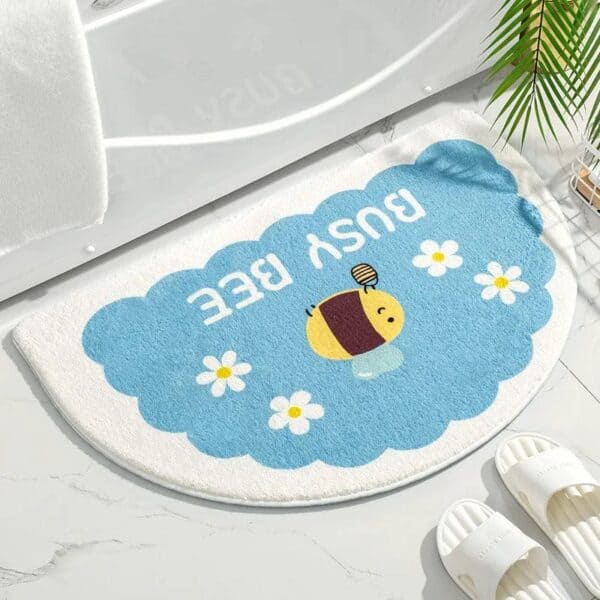
Bee Bath Mat
£23.90 -
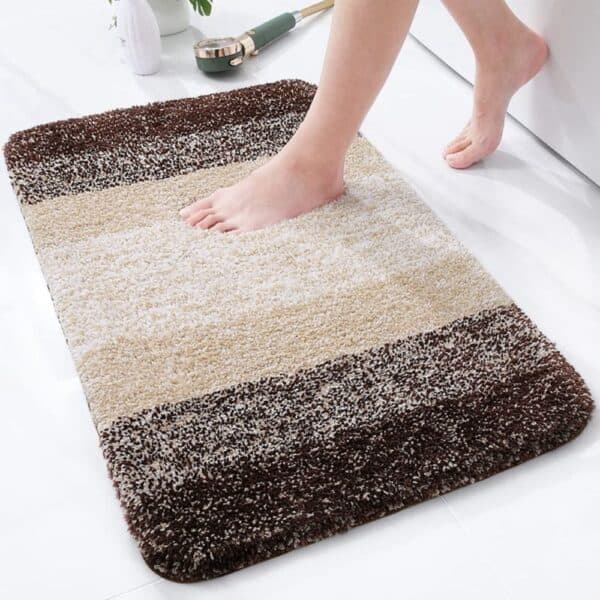
Beige And Black Bath Mat
Price range: £31.90 through £71.90 -
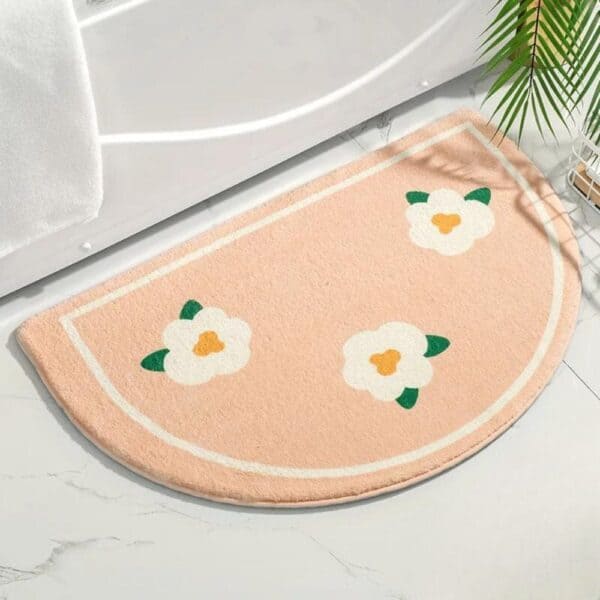
Beige And White Bath Mat
£23.90 -
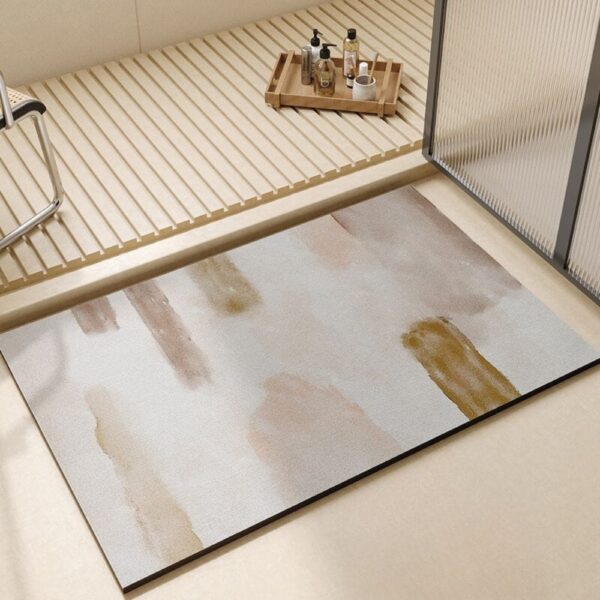
Beige Bath Mat
Price range: £47.90 through £103.90 -
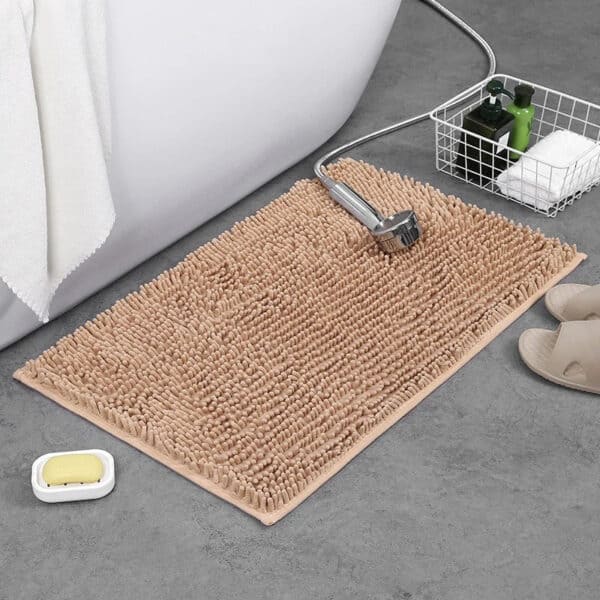
Beige Bath Mats
Price range: £21.90 through £25.90 -
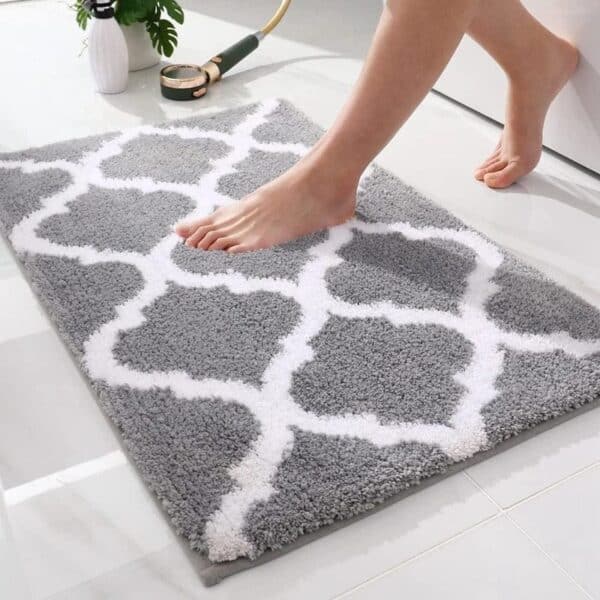
Berber Bath Mat
Price range: £31.90 through £87.90 -
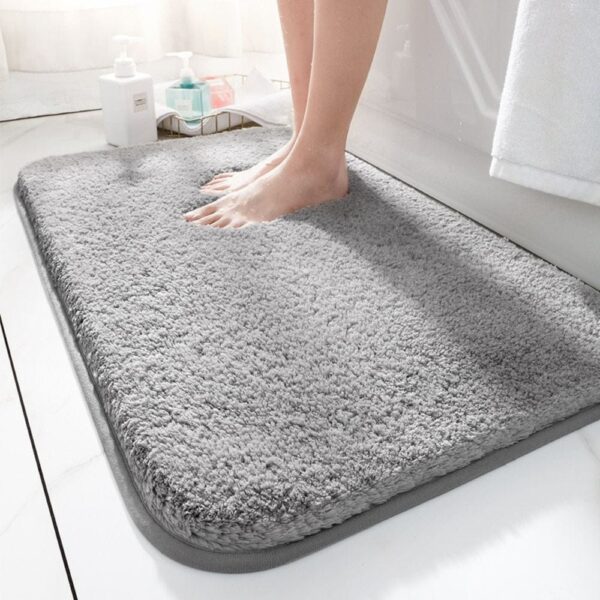
Big Fluffy Bath Mat
Price range: £35.90 through £51.90 -
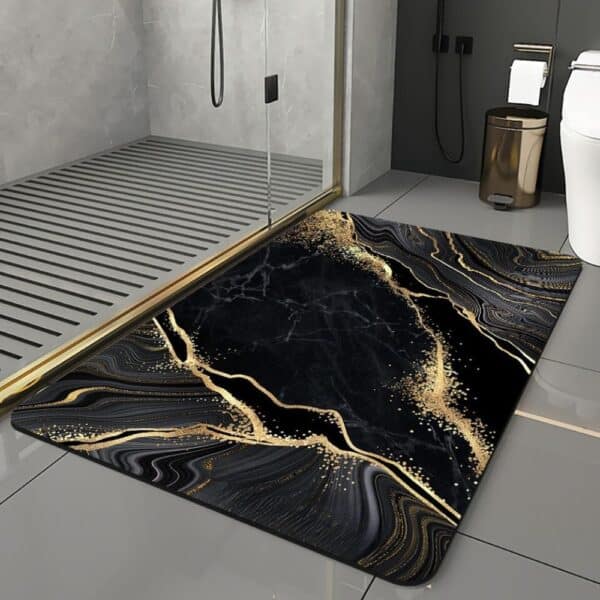
Black And Gold Bath Mat
Price range: £35.90 through £53.90 -
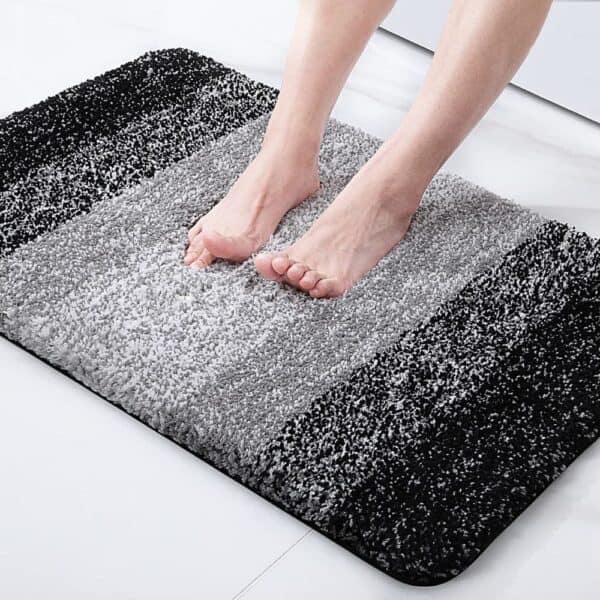
Black And White Bath Mat
Price range: £31.90 through £87.90 -
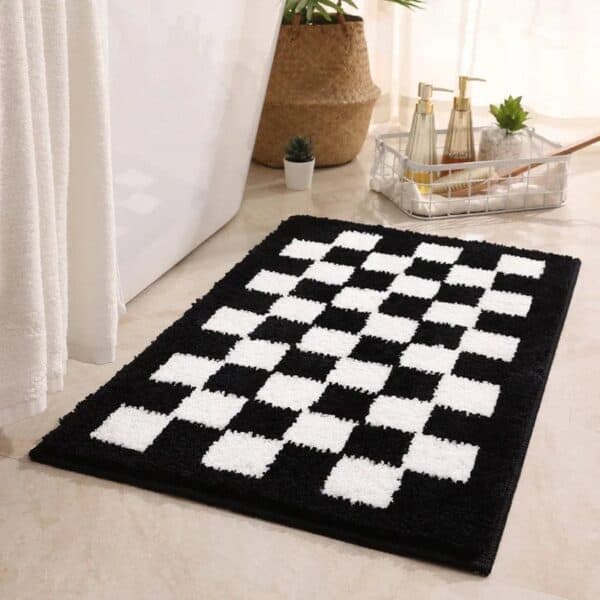
Black And White Checkered Bath Mat
Price range: £33.90 through £47.90 -
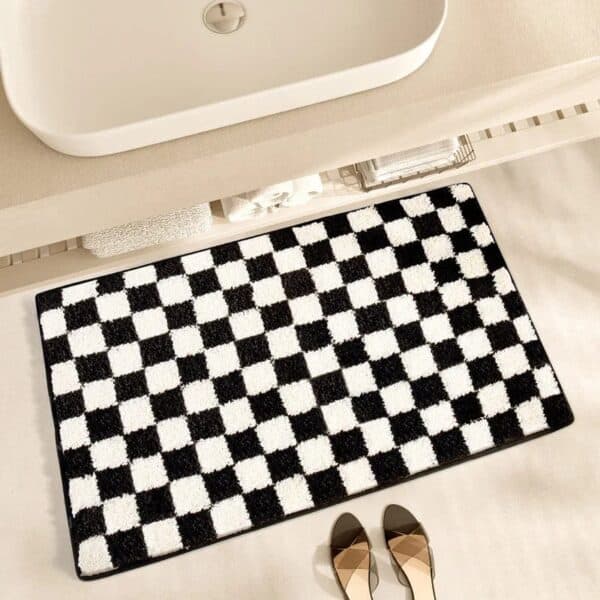
Black And White Geometric Bath Mat
Price range: £39.90 through £51.90 -
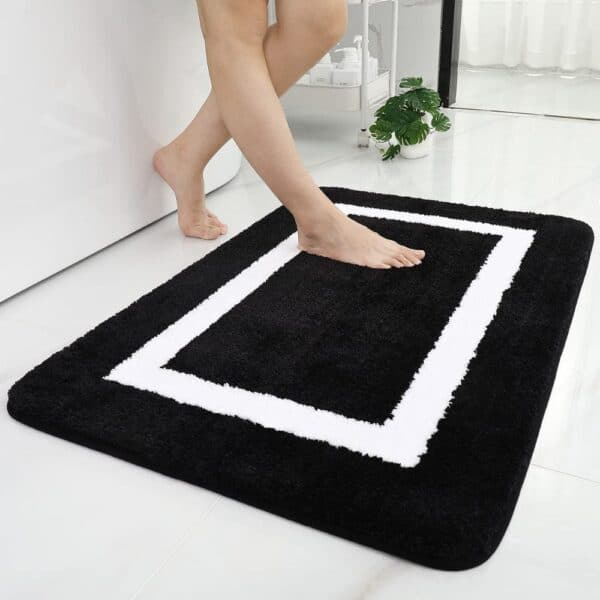
Black And White Modern Bath Mat
Price range: £31.90 through £75.90 -
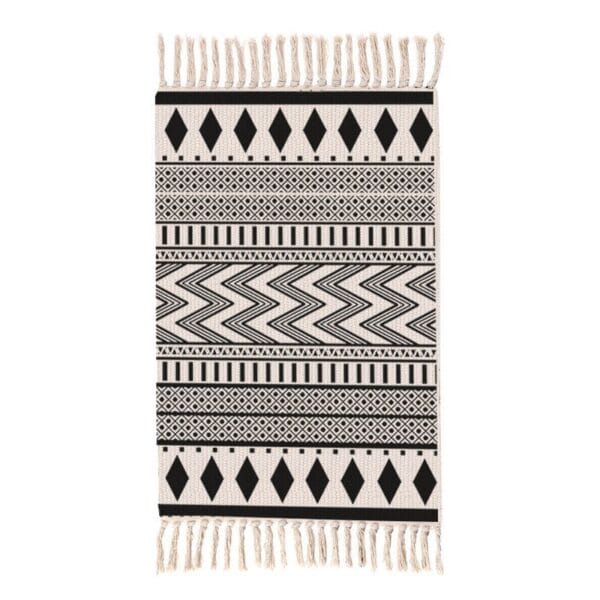
Black And White Patterned Bath Mat
Price range: £47.90 through £63.90 -
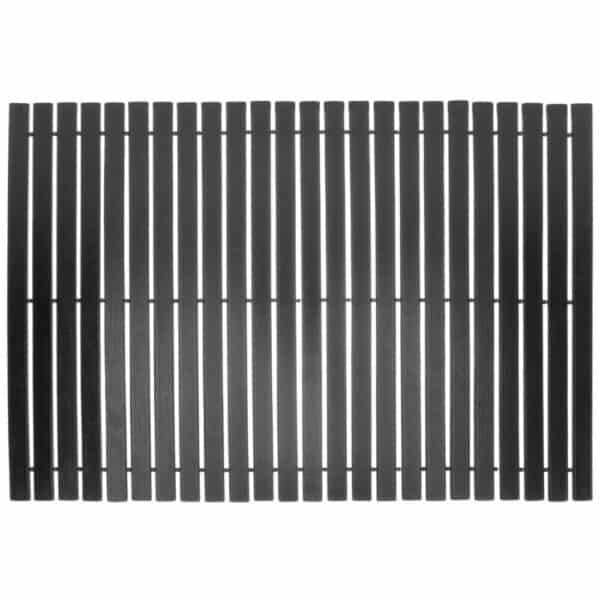
Black Bamboo Bath Mat
£51.90 -
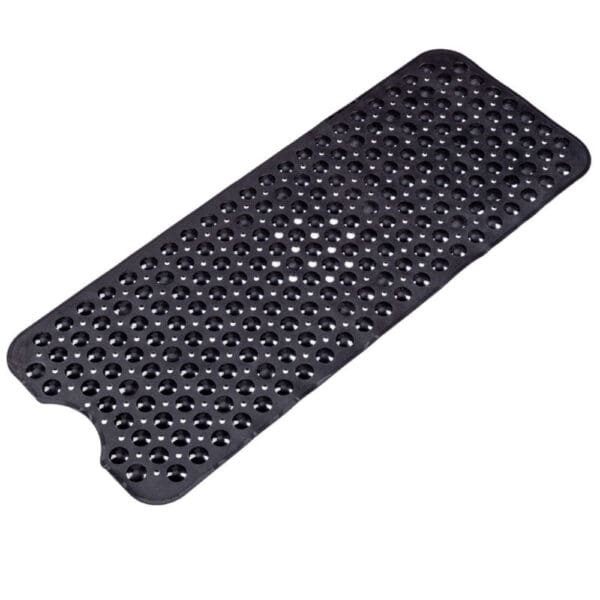
Black Bath Mat
£35.90 -
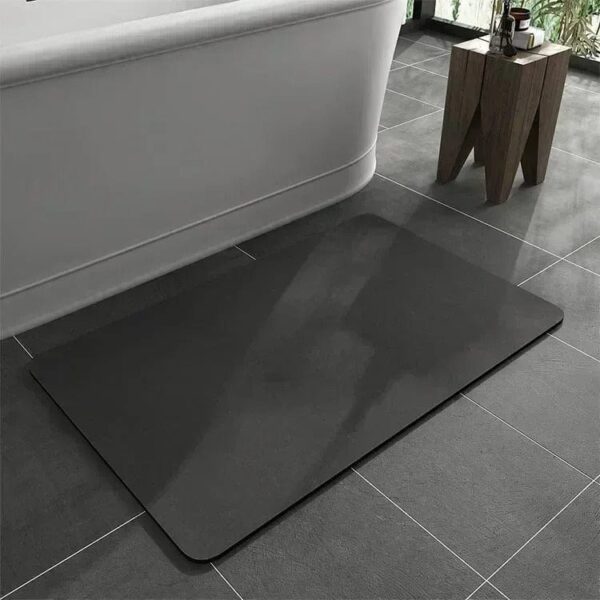
Black Bath Mat Non Slip
£35.90 -
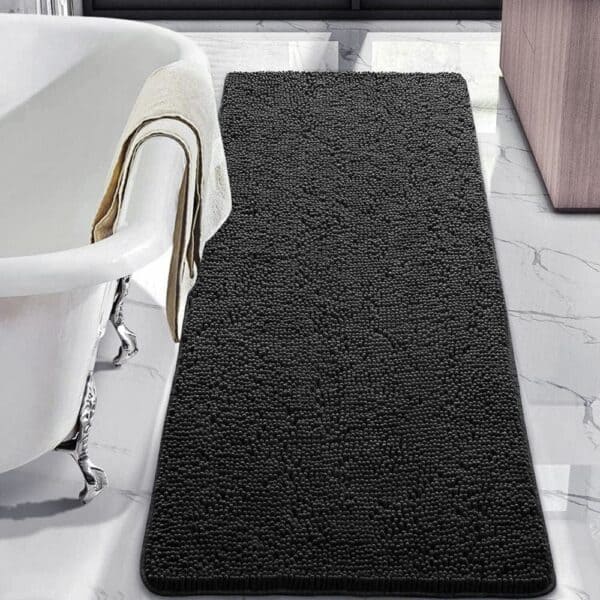
Black Chenille Bath Mat
Price range: £35.90 through £95.90 -
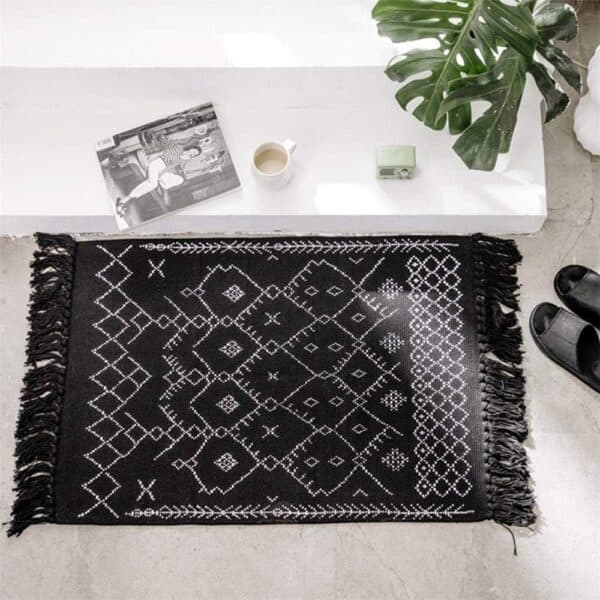
Black Cotton Bath Mat
Price range: £47.90 through £63.90 -
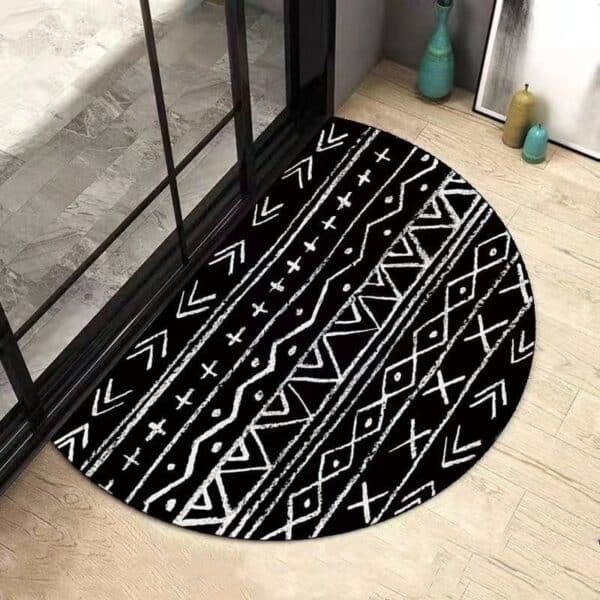
Black Half Circle Bath Mat
Price range: £31.90 through £35.90 -
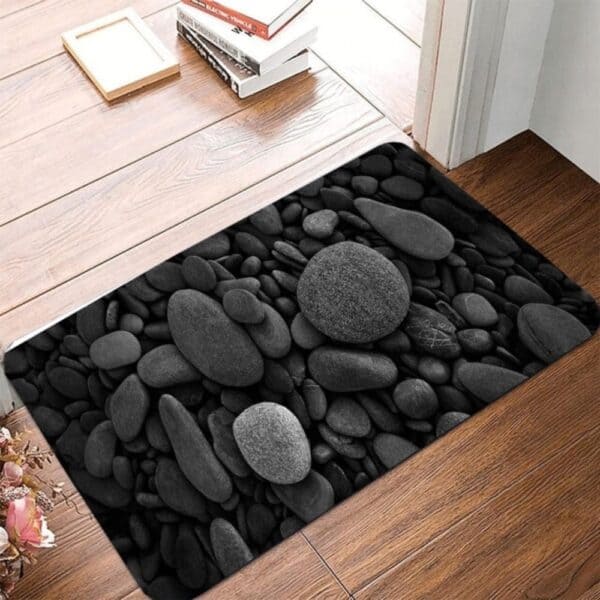
Black Pebble Bath Mat
Price range: £23.90 through £119.90 -
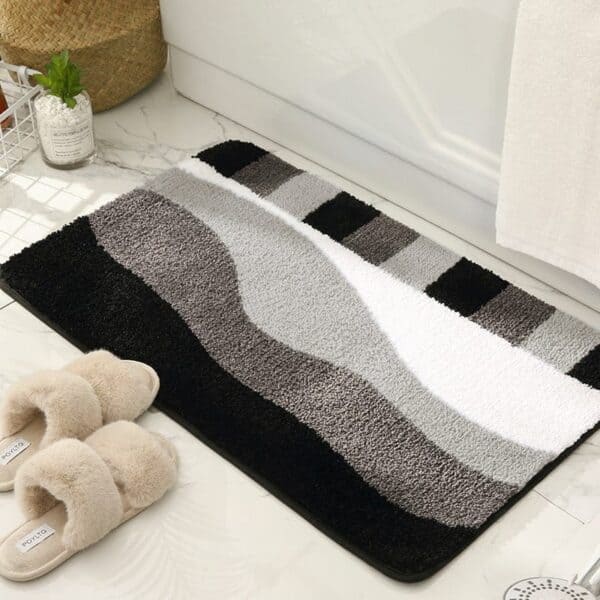
Black White And Grey Bath Mat
Price range: £35.90 through £55.90 -
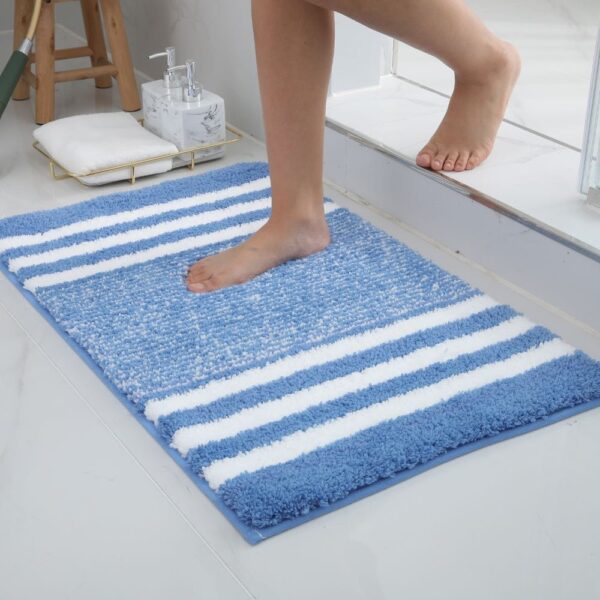
Blue Bath Mat
Price range: £29.90 through £39.90 -
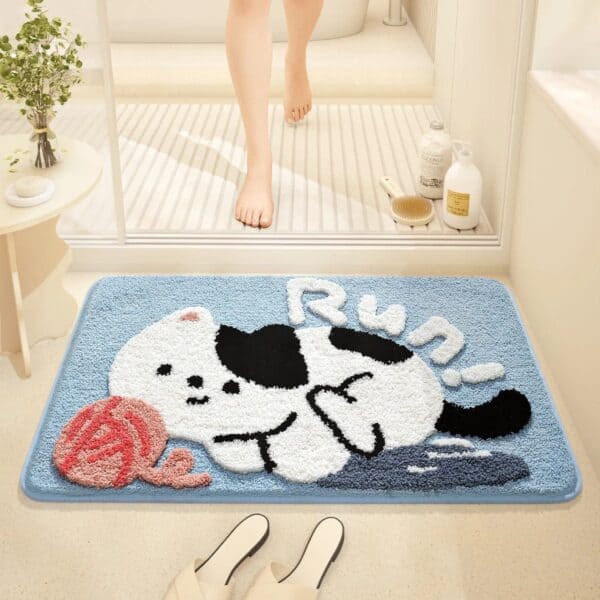
Blue Cat Bath Mat
Price range: £47.90 through £63.90 -
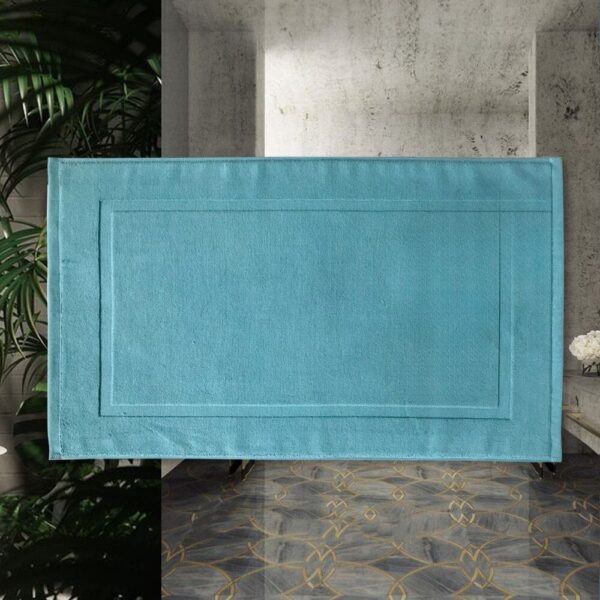
Blue Cotton Bath Mat
Price range: £25.90 through £31.90 -
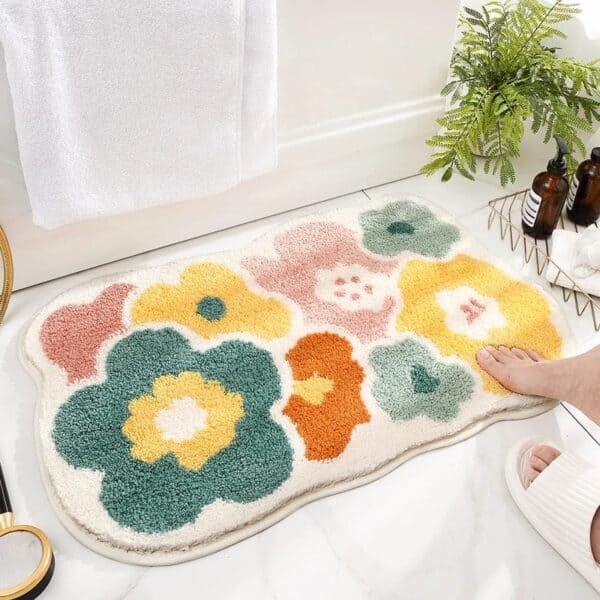
Blue Flower Bath Mat
Price range: £35.90 through £47.90 -
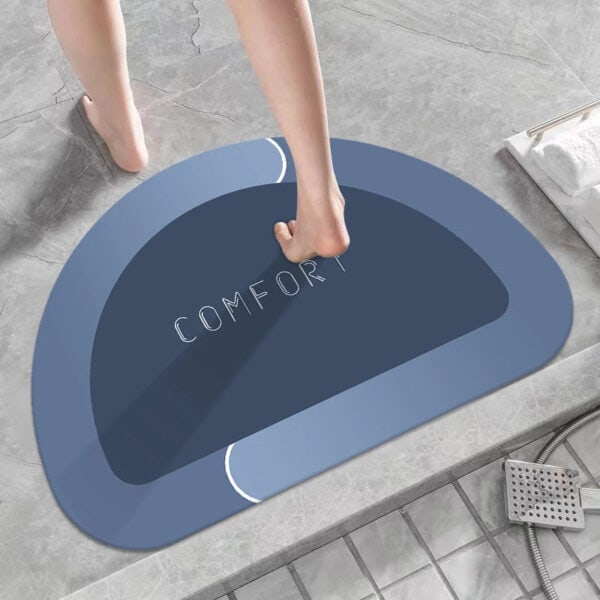
Blue Gray Bath Mat
Price range: £25.90 through £35.90 -
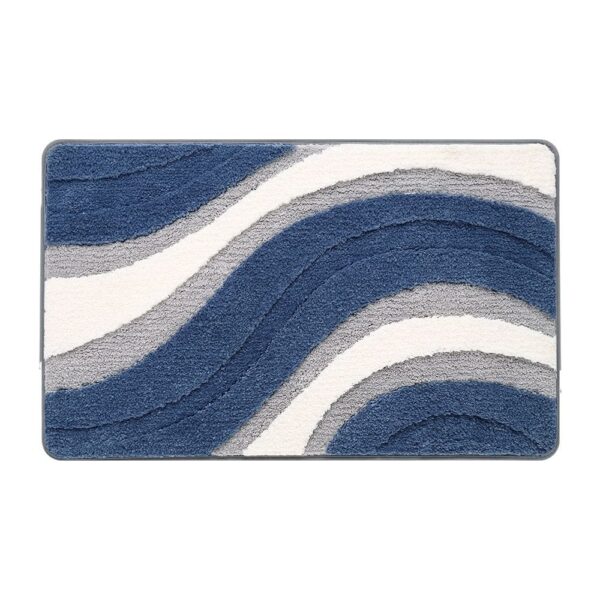
Blue Grey Bath Mat
Price range: £35.90 through £47.90 -
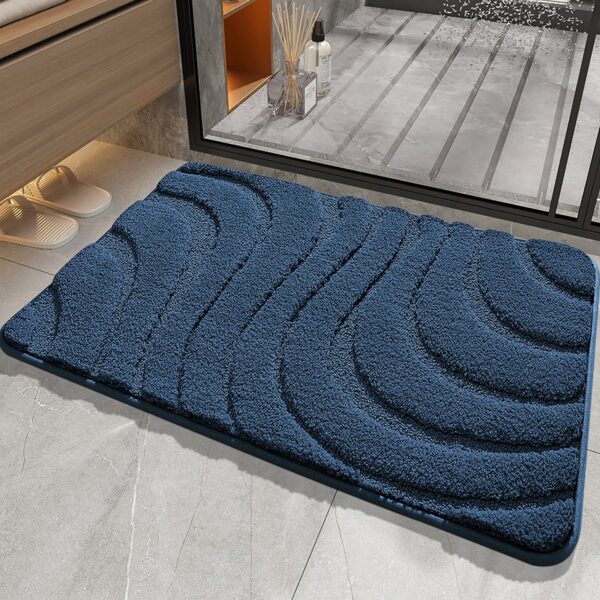
Blue Non Slip Bath Mat
Price range: £39.90 through £47.90 -
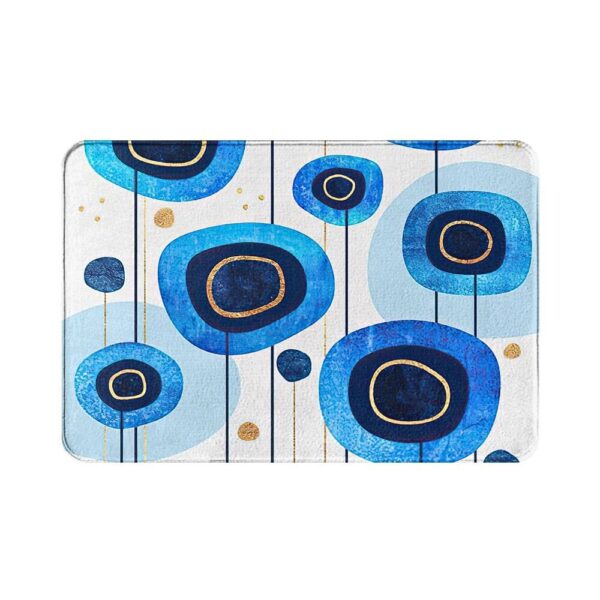
Blue Pattern Bath Mat
Price range: £22.90 through £25.90 -
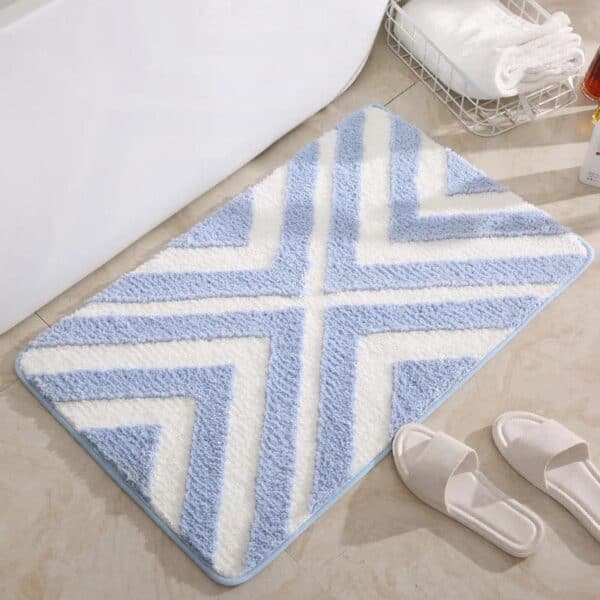
Blue Striped Bath Mat
Price range: £39.90 through £47.90 -
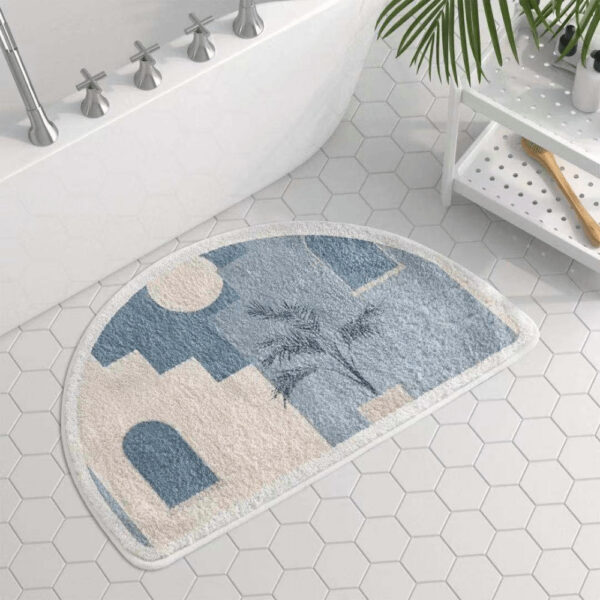
Blue White Bath Mat
Price range: £23.90 through £29.90 -
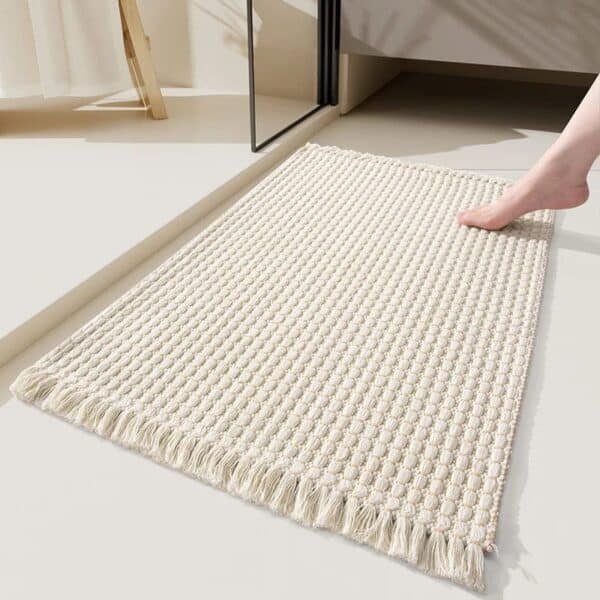
Boho Bath Mat
Price range: £31.90 through £47.90 -
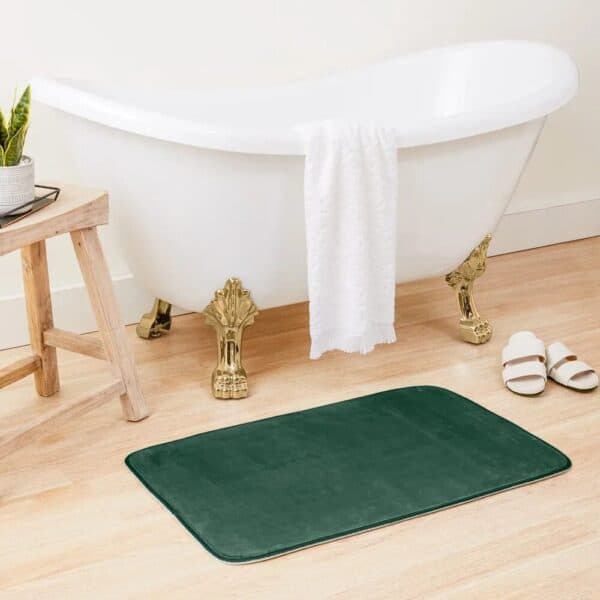
Bottle Green Bath Mat
Price range: £27.90 through £39.90 -
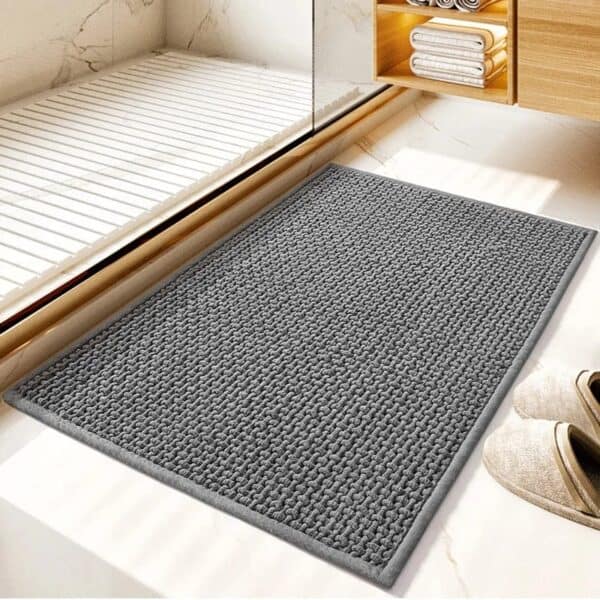
Braided Bath Mat
Price range: £39.90 through £63.90 -
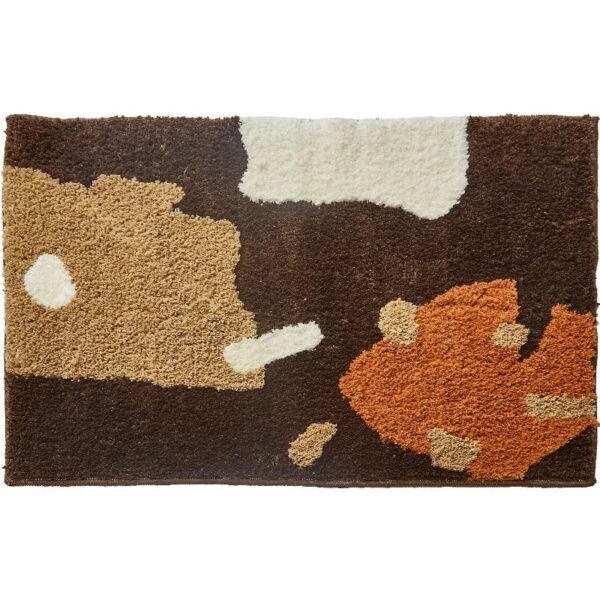
Brown And Cream Bath Mat
Price range: £47.90 through £55.90 -
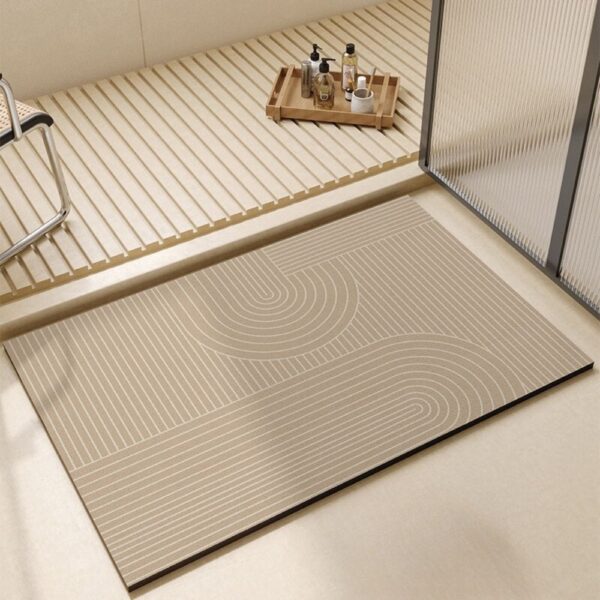
Brown Bath Mat
Price range: £47.90 through £103.90 -
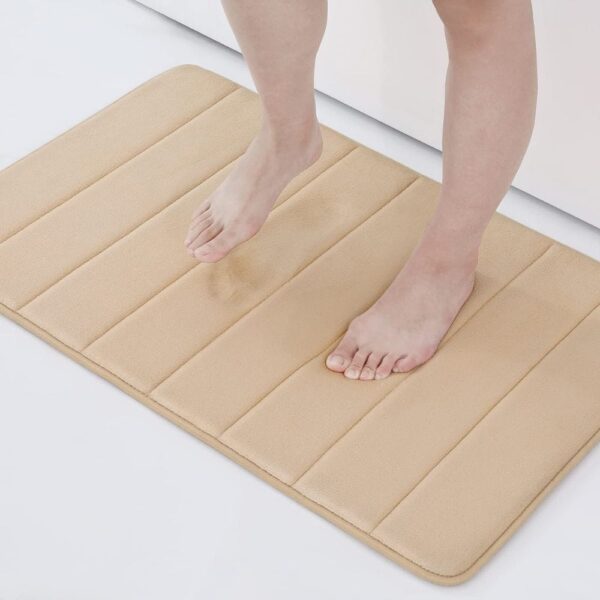
Brown Beige Bath Mat
Price range: £23.90 through £71.90 -
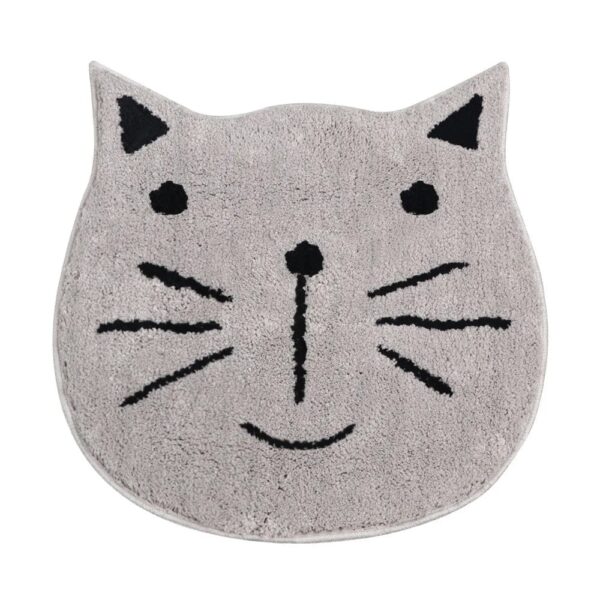
Cat Bath Mat
£39.90 -
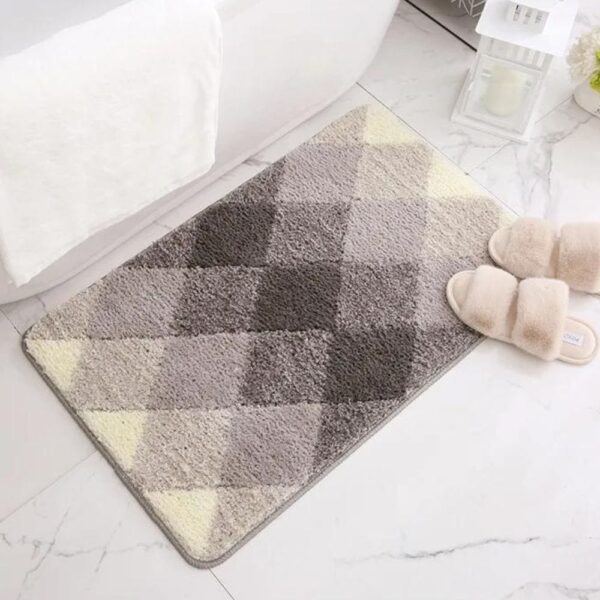
Checked Bath Mat
Price range: £31.90 through £51.90 -
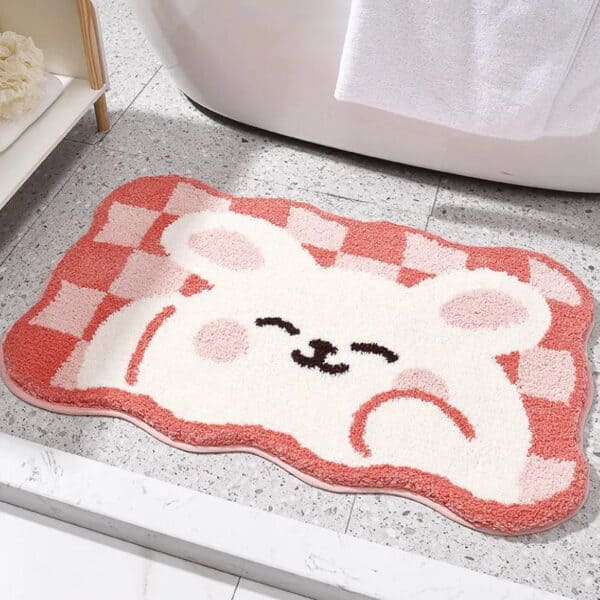
Checkerboard Bath Mat
Price range: £35.90 through £47.90 -
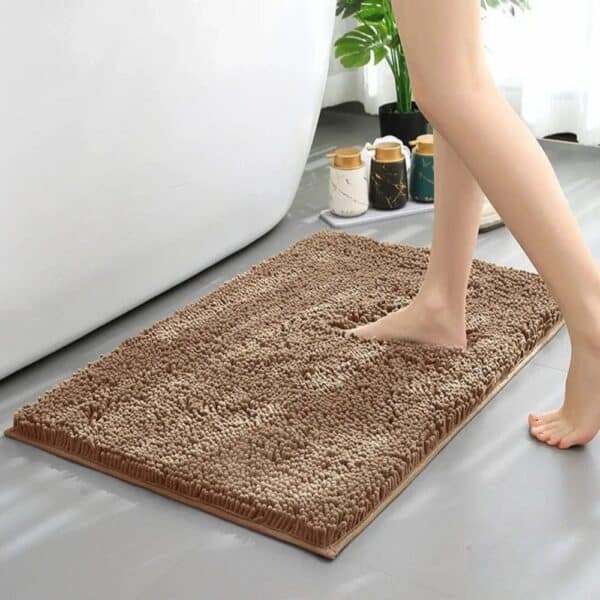
Chenille Bath Mat
Price range: £29.90 through £47.90 -
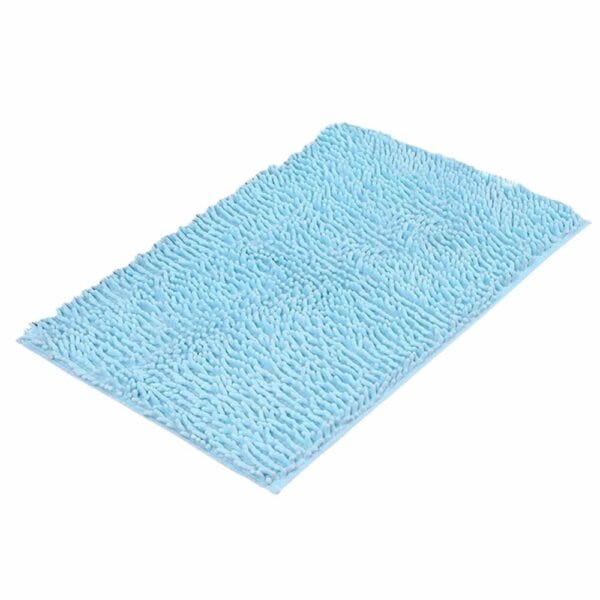
Chenille Bobble Bath Mat
Price range: £23.90 through £63.90 -
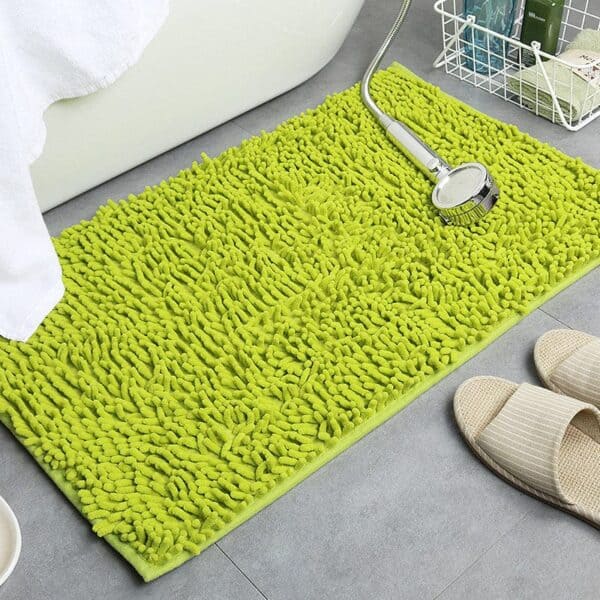
Chenille Shaggy Bath Mat
Price range: £23.90 through £63.90
×